About this artwork
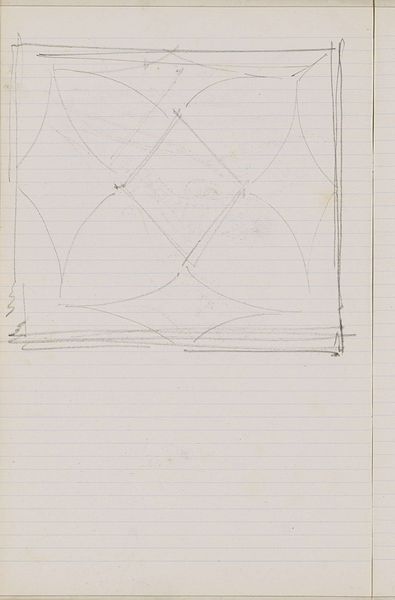
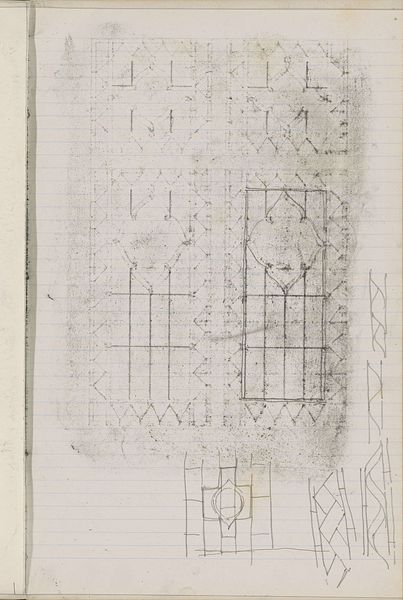
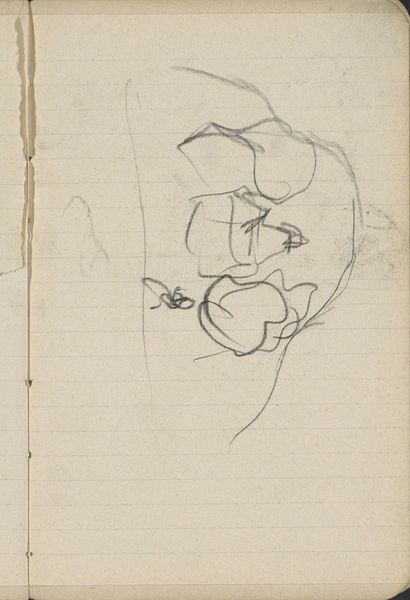
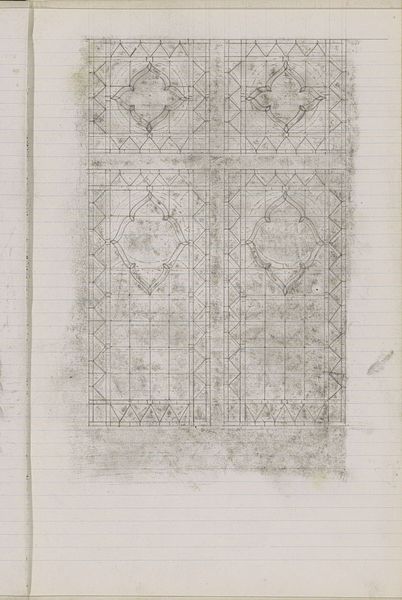
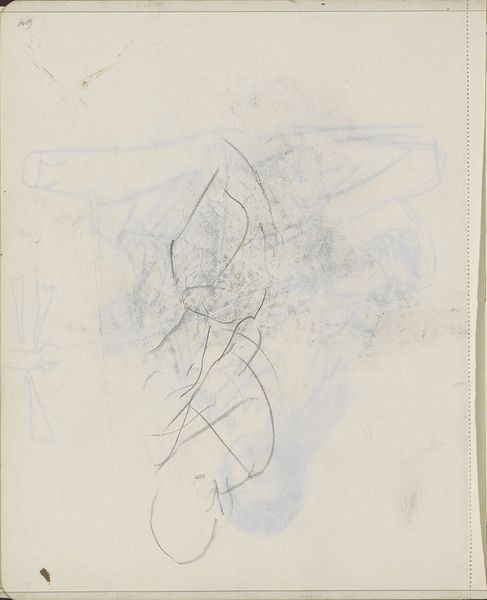
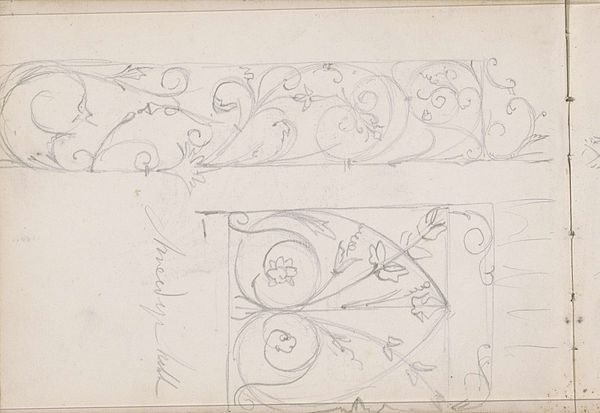
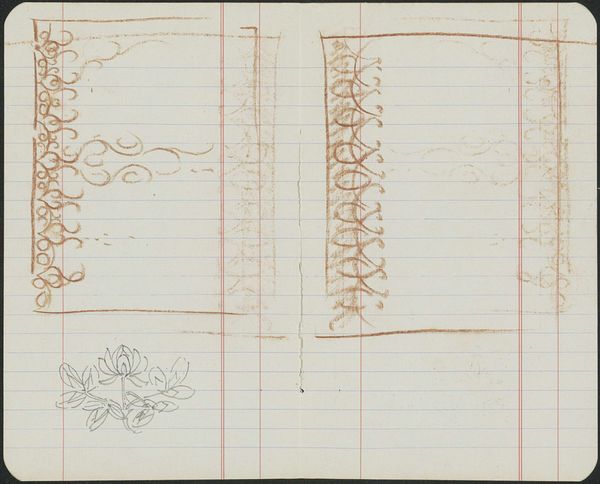
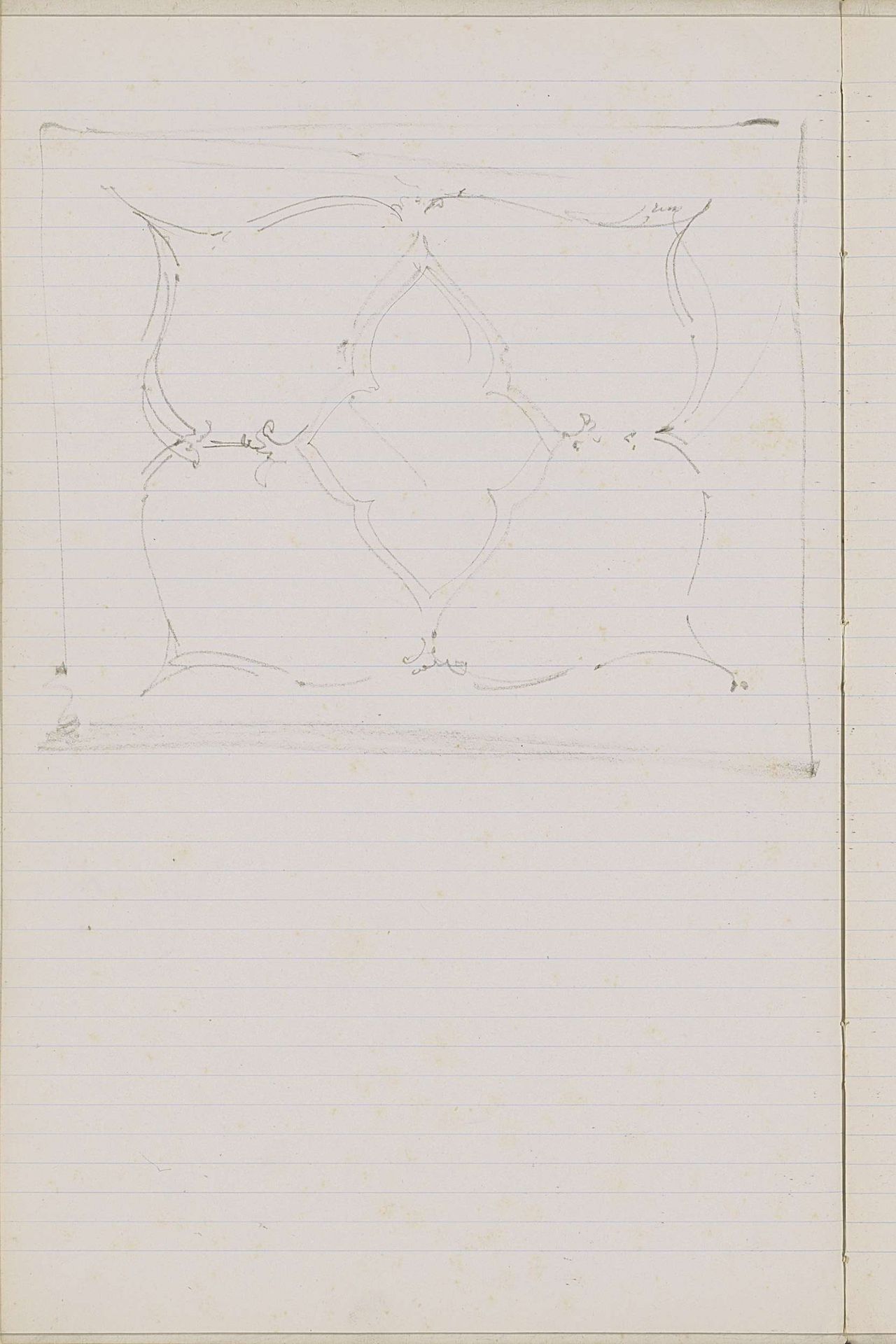
Gerrit Willem Dijsselhof made this stylized flower in a square, probably as a sketch for a larger work, with graphite on paper. What strikes me is the tenderness of the drawing, how he coaxes the flower into being, not with bold, confident strokes, but with these tentative, searching lines. You can really see the pentimento, the ghosts of earlier ideas, the way he’s feeling his way through the design. And it’s all contained within this very rigid, geometric structure of the square, like a little secret garden. I keep coming back to the way the flower's petals almost touch but not quite, creating this tension. It's like Dijsselhof is showing us the potential for connection, the longing for unity, but also the beauty of individuality. You can see this approach again in the work of Gustav Klimt, a slightly later artist working in a similar aesthetic world. The drawing feels like a question, an invitation to linger, and maybe even to add our own lines to the conversation.
Gestileerde bloem in een vierkant
c. 1901

Gerrit Willem Dijsselhof
1866 - 1924Location
RijksmuseumArtwork details
- Medium
- drawing, paper, pencil
- Location
- Rijksmuseum
- Copyright
- Rijks Museum: Open Domain
Tags
Comments
Share your thoughts
About this artwork
Gerrit Willem Dijsselhof made this stylized flower in a square, probably as a sketch for a larger work, with graphite on paper. What strikes me is the tenderness of the drawing, how he coaxes the flower into being, not with bold, confident strokes, but with these tentative, searching lines. You can really see the pentimento, the ghosts of earlier ideas, the way he’s feeling his way through the design. And it’s all contained within this very rigid, geometric structure of the square, like a little secret garden. I keep coming back to the way the flower's petals almost touch but not quite, creating this tension. It's like Dijsselhof is showing us the potential for connection, the longing for unity, but also the beauty of individuality. You can see this approach again in the work of Gustav Klimt, a slightly later artist working in a similar aesthetic world. The drawing feels like a question, an invitation to linger, and maybe even to add our own lines to the conversation.
Comments
Share your thoughts