About this artwork
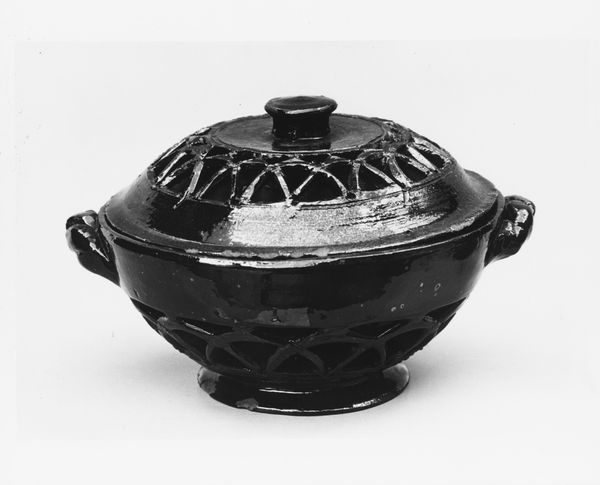
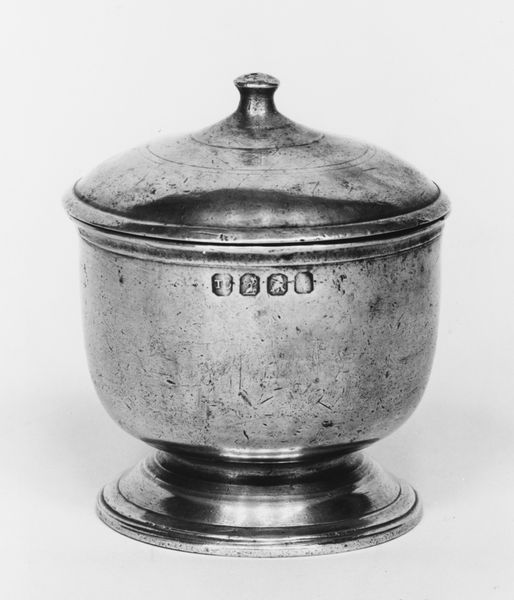
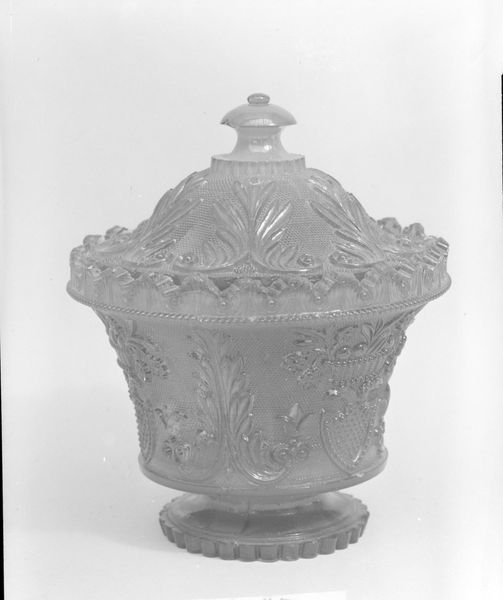
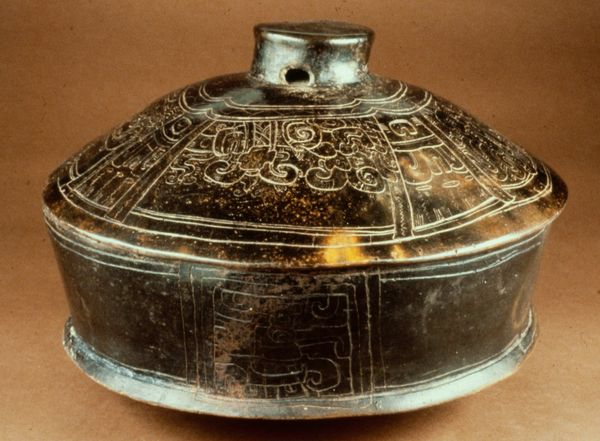
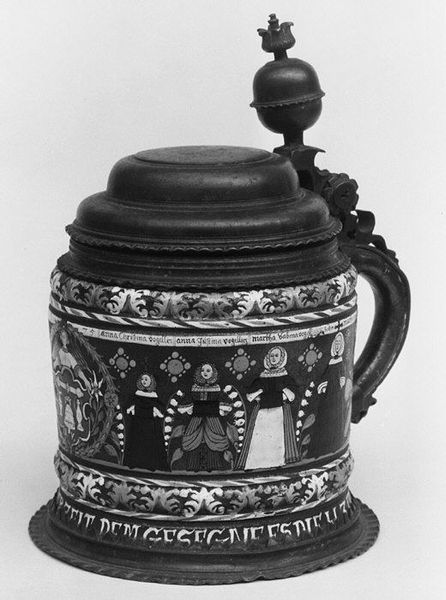
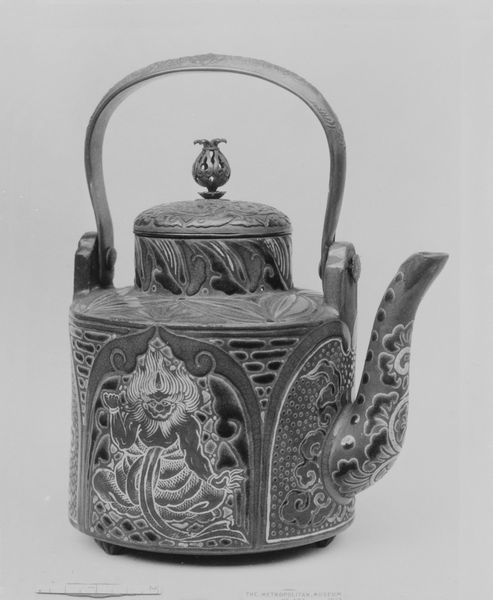
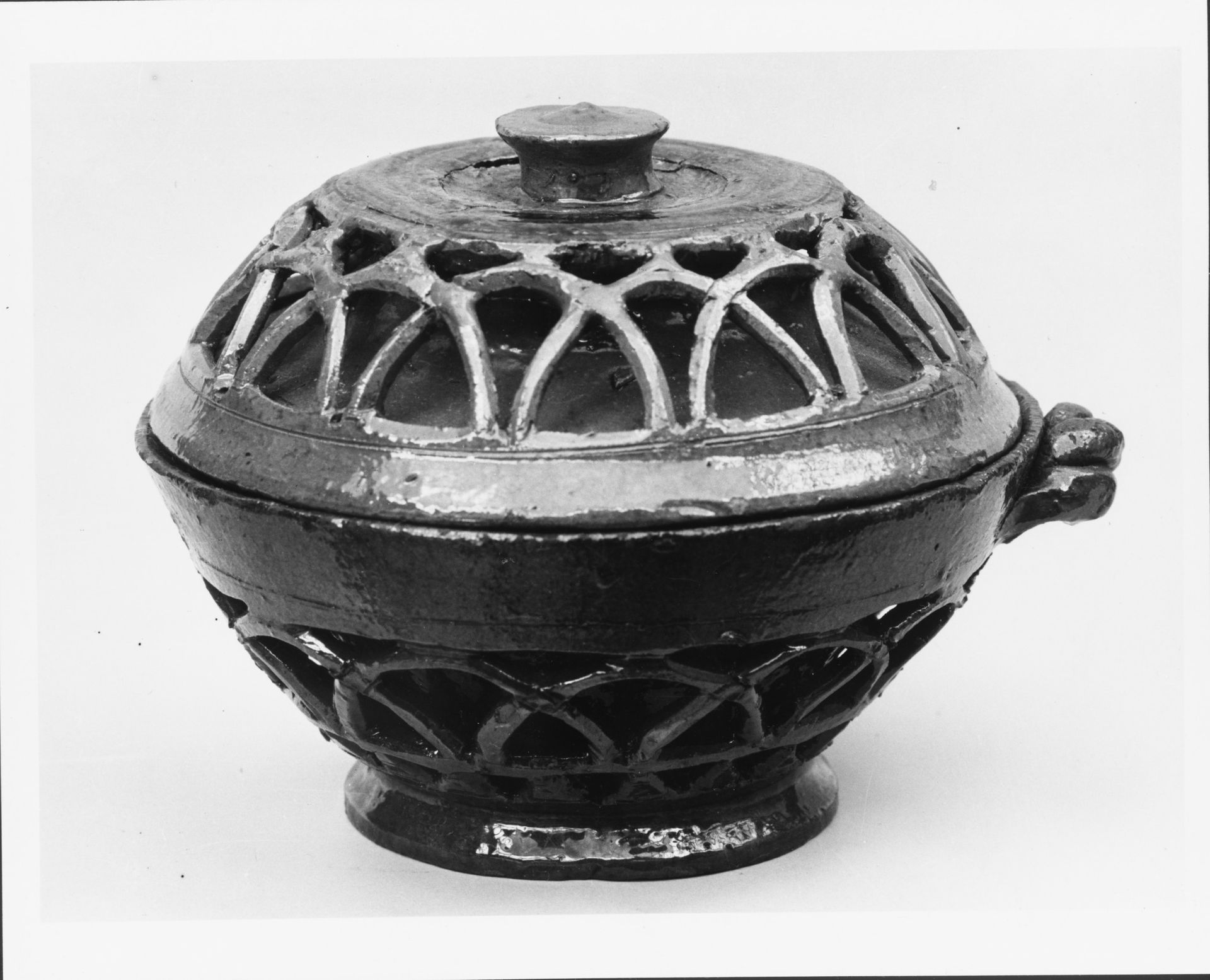
This is a covered bowl made by David Haring in the 19th century. It is currently located in the Metropolitan Museum of Art. This earthenware bowl, with its pierced and latticed surfaces, speaks to the social history of ceramics. During Haring’s time, access to luxury goods and elaborate designs was no longer limited to the aristocracy. Mass production and new technologies allowed for broader access to decorative arts, which could be displayed in the home as signs of taste and status. The bowl’s design, while functional, also serves a decorative purpose, referencing historical styles and techniques. The creation and display of such objects were influenced by evolving social structures and changing economic conditions. Historians of decorative arts often consult trade records, design catalogs, and social histories to better understand the context in which such objects were made and used. The bowl is a tangible record of a society undergoing transformation.
Covered Bowl
1832 - 1835


Artwork details
- Medium
- ceramic, earthenware, sculpture
- Dimensions
- H. 4 1/2 in. (11.4 cm); Diam. 6 1/2 in. (16.5 cm)
- Location
- Metropolitan Museum of Art, New York, NY
- Copyright
- Public Domain
Tags
sculpture
ceramic
form
earthenware
geometric
sculpture
decorative-art
Comments
Be the first to share your thoughts about this work.
About this artwork
This is a covered bowl made by David Haring in the 19th century. It is currently located in the Metropolitan Museum of Art. This earthenware bowl, with its pierced and latticed surfaces, speaks to the social history of ceramics. During Haring’s time, access to luxury goods and elaborate designs was no longer limited to the aristocracy. Mass production and new technologies allowed for broader access to decorative arts, which could be displayed in the home as signs of taste and status. The bowl’s design, while functional, also serves a decorative purpose, referencing historical styles and techniques. The creation and display of such objects were influenced by evolving social structures and changing economic conditions. Historians of decorative arts often consult trade records, design catalogs, and social histories to better understand the context in which such objects were made and used. The bowl is a tangible record of a society undergoing transformation.
Comments
Be the first to share your thoughts about this work.