About this artwork
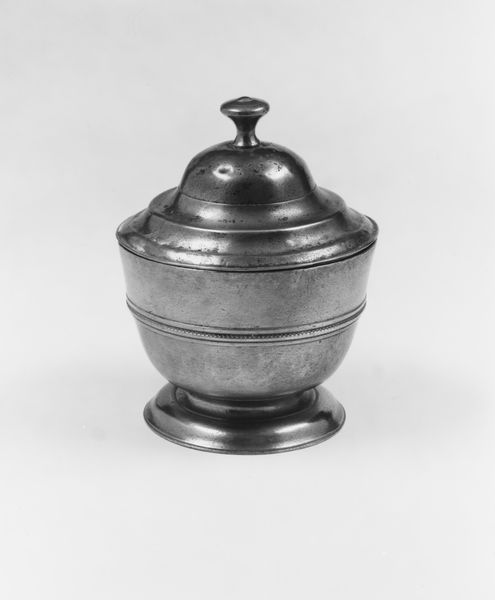
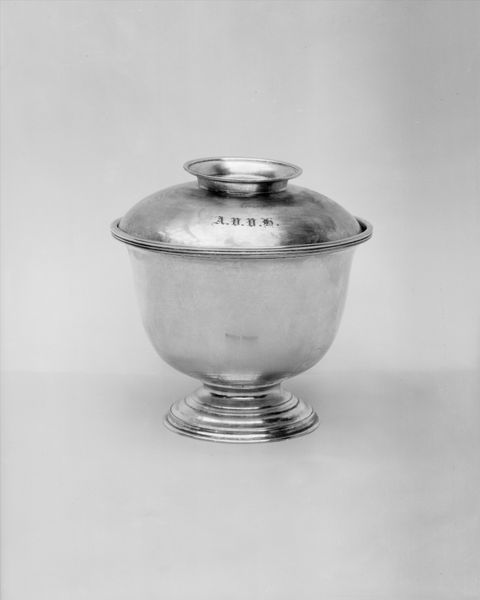
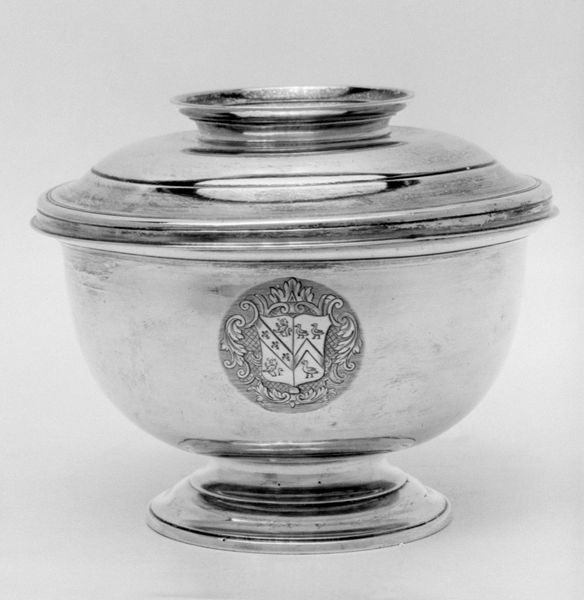
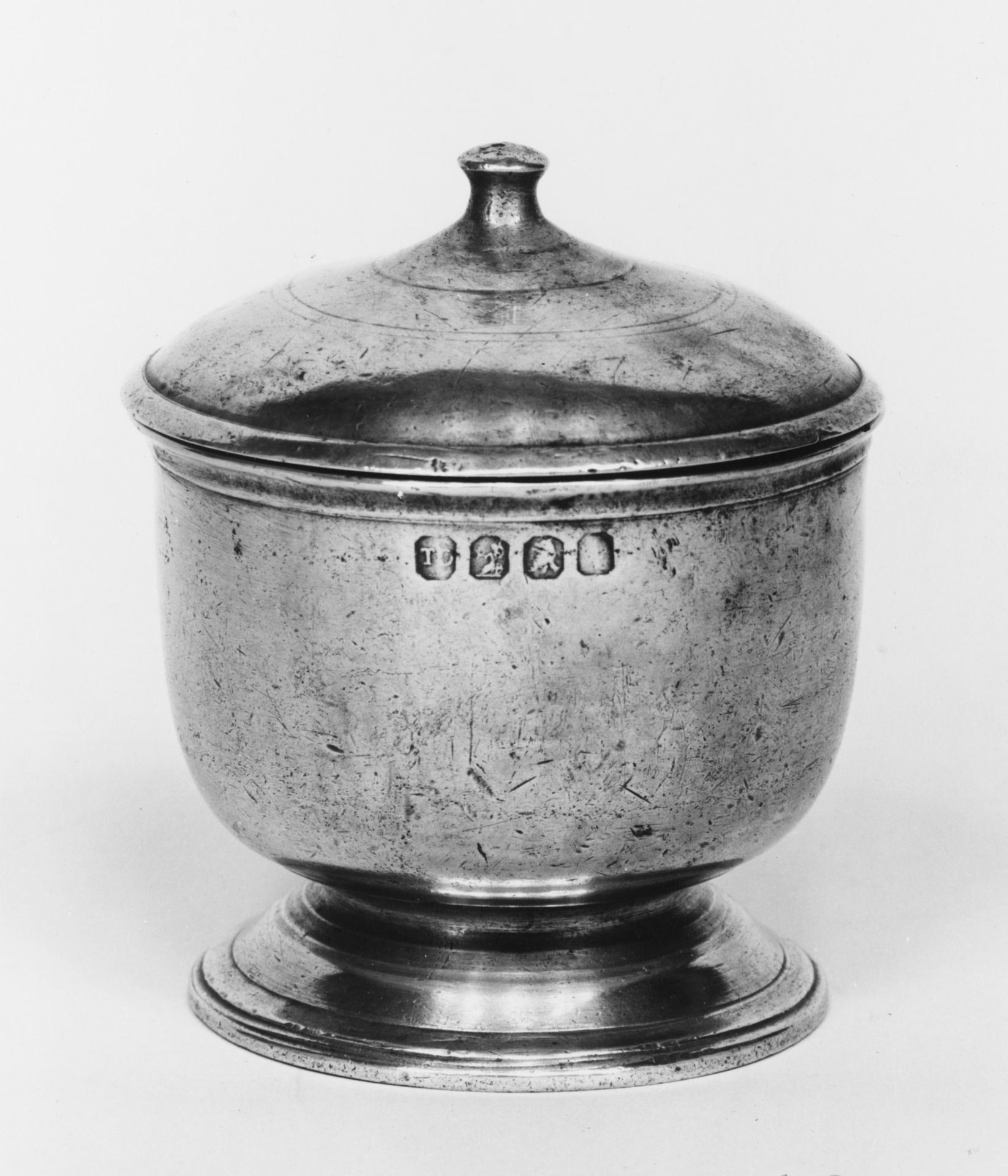
This sugar bowl, made by Thomas Danforth III, presents a study in simple elegance through form and materiality. Its primary visual impact lies in the smooth, reflective surface of the metal, which catches and plays with light, emphasizing its symmetrical form. The bowl is structured in three distinct sections: a wide, stable base, a gently curved body, and a domed lid, each contributing to an overall sense of balanced proportion. The bowl’s structure engages with broader artistic and philosophical concerns. The polished surface and meticulous construction, for example, reflect a period emphasis on order and refinement. The bowl can be interpreted through semiotics, where its material signifies luxury and its form suggests containment and control. Ultimately, it invites ongoing reflection on the values of simplicity, functionality, and the cultural meanings we invest in everyday objects.
Sugar Bowl 1777 - 1790

Thomas Danforth, III
1756 - 1840
The Metropolitan Museum of Art
Metropolitan Museum of Art, New York, NYArtwork details
- Medium
- metal
- Dimensions
- H. 3 7/8 in. (9.8 cm)
- Location
- Metropolitan Museum of Art, New York, NY
- Copyright
- Public Domain
Tags
neoclacissism
metal
stoneware
united-states
Comments
No comments
About this artwork
This sugar bowl, made by Thomas Danforth III, presents a study in simple elegance through form and materiality. Its primary visual impact lies in the smooth, reflective surface of the metal, which catches and plays with light, emphasizing its symmetrical form. The bowl is structured in three distinct sections: a wide, stable base, a gently curved body, and a domed lid, each contributing to an overall sense of balanced proportion. The bowl’s structure engages with broader artistic and philosophical concerns. The polished surface and meticulous construction, for example, reflect a period emphasis on order and refinement. The bowl can be interpreted through semiotics, where its material signifies luxury and its form suggests containment and control. Ultimately, it invites ongoing reflection on the values of simplicity, functionality, and the cultural meanings we invest in everyday objects.
Comments
No comments