1546
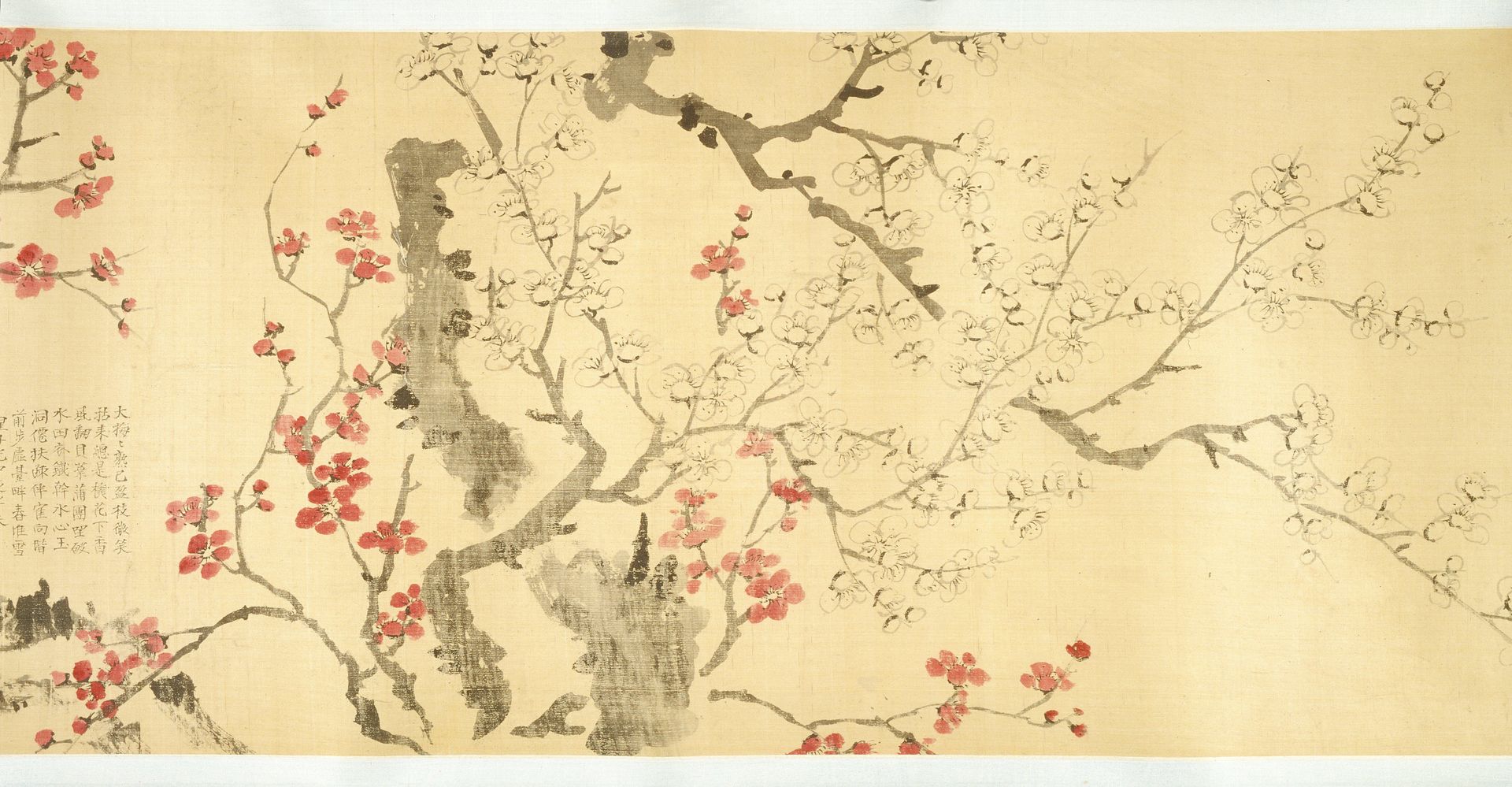
White and Red Plum Blossom


Listen to curator's interpretation
Curatorial notes
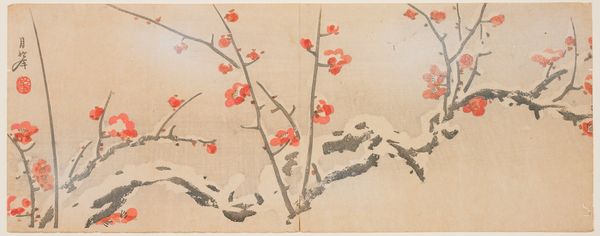
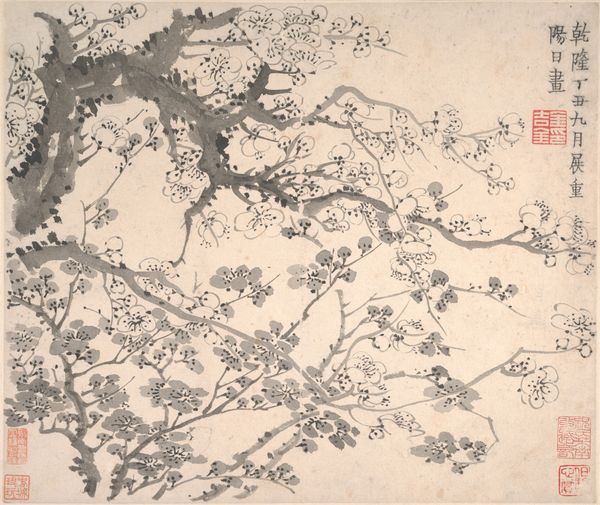
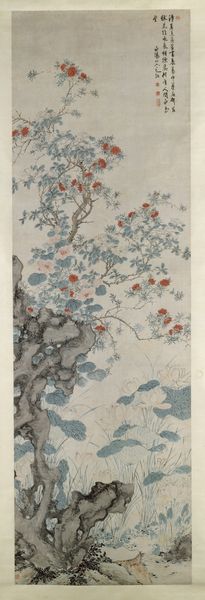
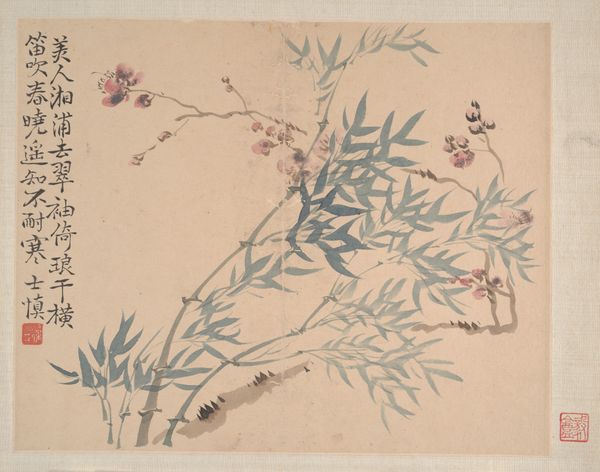
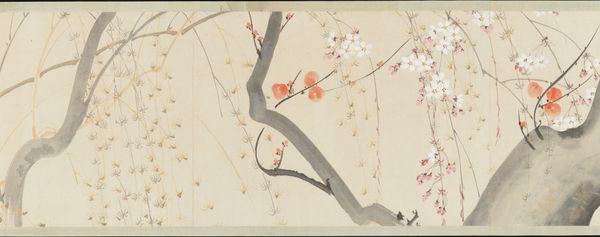
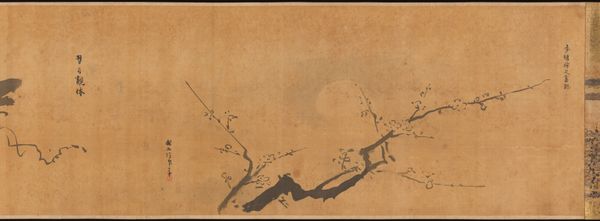
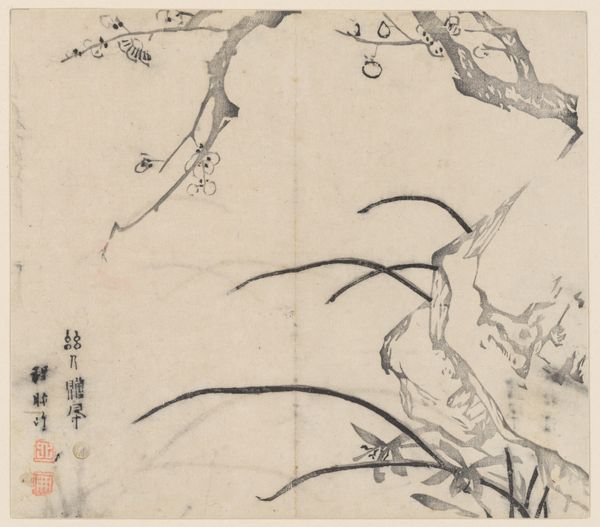
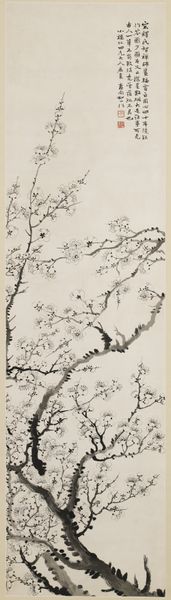
Editor: We're looking at Wang Guxiang’s “White and Red Plum Blossom” from 1546, created using ink and color on paper. It’s a gorgeous scene, delicate and serene. The balance between the red and white blossoms is just stunning. What strikes you most about this piece? Curator: The structure. Observe how the artist has articulated space through the deliberate placement of forms. The plum branches, rendered with a precise calligraphic line, interweave to create a dynamic, yet controlled composition. The negative space surrounding the branches is as crucial as the branches themselves. Editor: So, you're focusing on how the artist is using the elements, like line and space, themselves? Curator: Precisely. Consider the materiality of the piece. The absorbency of the paper informs how the ink bleeds and feathers, resulting in varied textures. These variations aren't accidental; they are intrinsic to the artwork’s aesthetic presence and appeal. Notice the subtle gradations of tone achieved through masterful brush control. Do you perceive how these qualities contribute to the overall harmony of the image? Editor: Yes, I can see that the texture really gives the branches and blossoms more depth, making it less flat and graphic, even though it is a painting. The ink almost gives it volume! Curator: Indeed! Now consider how the lines create tension and balance, not unlike what one finds in musical composition, lending the art a rhythmic effect. Editor: It's almost like the branches are dancing on the page. I hadn't thought about art that way, considering the form first and not just the subject. Thank you! Curator: Analyzing the intrinsic qualities illuminates how the form impacts the work as a whole, enhancing its meaning and our understanding. I learned much discussing this today with you, too!