About this artwork
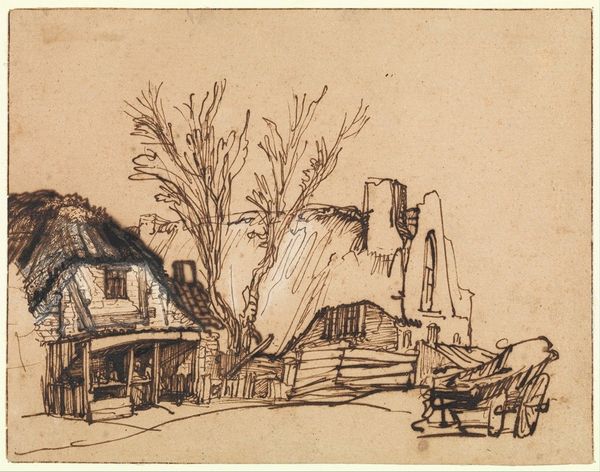
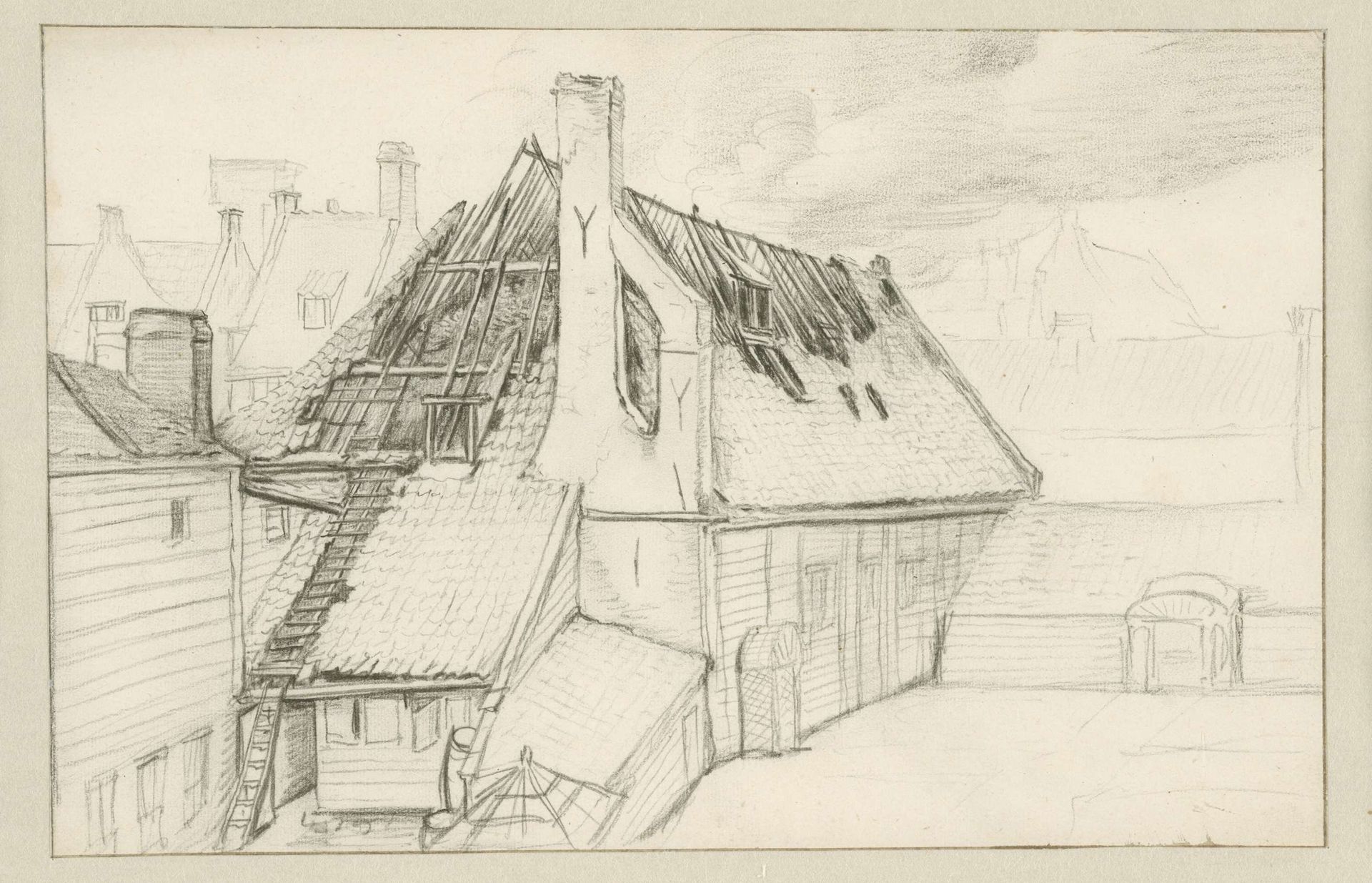
This pencil drawing by Jan van der Heyden, made in 1682, depicts the burnt-down soap factory ‘De Bruinvis’. It offers a glimpse into the economic life of the Dutch Golden Age. Van der Heyden, known for his precise cityscapes, here turns his attention to the aftermath of a disaster. The charred remains of the soap factory stand as a stark reminder of the ever-present risk of fire in a bustling urban environment. Soap-making was a vital industry in 17th-century Netherlands, yet it was also dangerous. The fires that could erupt during the process posed significant threats to densely packed cities like Amsterdam, where this factory was likely located. Historical documents, like insurance records and municipal archives, could shed more light on the impact of such events on the local economy and the lives of those who worked there. Art, in this sense, becomes a point of entry into broader social and institutional histories.
De verbrande zeepziederij De Bruinvis, 1682
after 1682

Jan van der Heyden
1637 - 1712Location
RijksmuseumArtwork details
- Medium
- drawing, pencil
- Dimensions
- height 204 mm, width 319 mm
- Location
- Rijksmuseum
- Copyright
- Rijks Museum: Open Domain
Tags
Comments
Share your thoughts
About this artwork
This pencil drawing by Jan van der Heyden, made in 1682, depicts the burnt-down soap factory ‘De Bruinvis’. It offers a glimpse into the economic life of the Dutch Golden Age. Van der Heyden, known for his precise cityscapes, here turns his attention to the aftermath of a disaster. The charred remains of the soap factory stand as a stark reminder of the ever-present risk of fire in a bustling urban environment. Soap-making was a vital industry in 17th-century Netherlands, yet it was also dangerous. The fires that could erupt during the process posed significant threats to densely packed cities like Amsterdam, where this factory was likely located. Historical documents, like insurance records and municipal archives, could shed more light on the impact of such events on the local economy and the lives of those who worked there. Art, in this sense, becomes a point of entry into broader social and institutional histories.
Comments
Share your thoughts