About this artwork
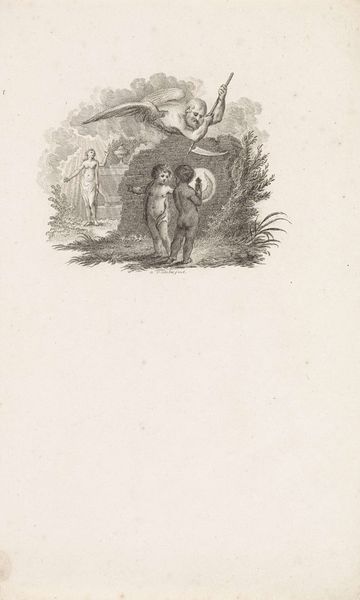
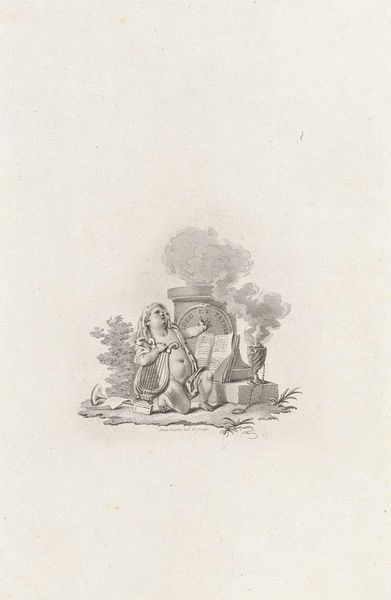
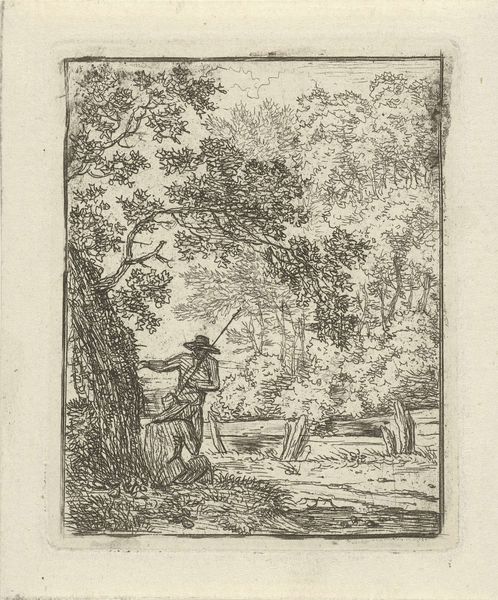
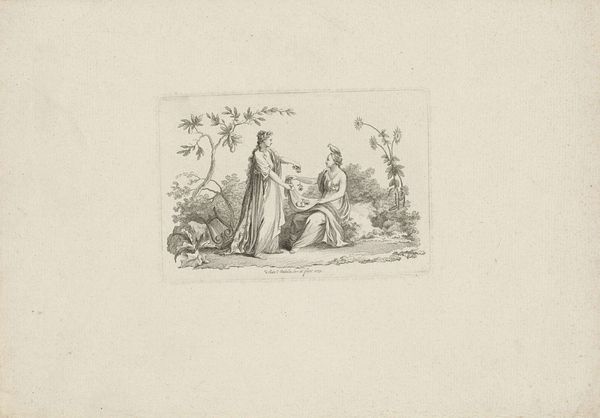
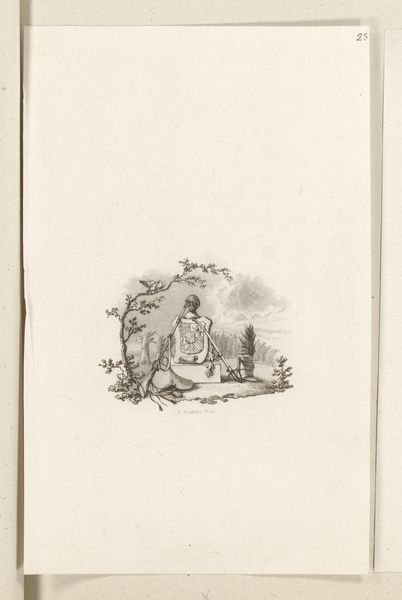
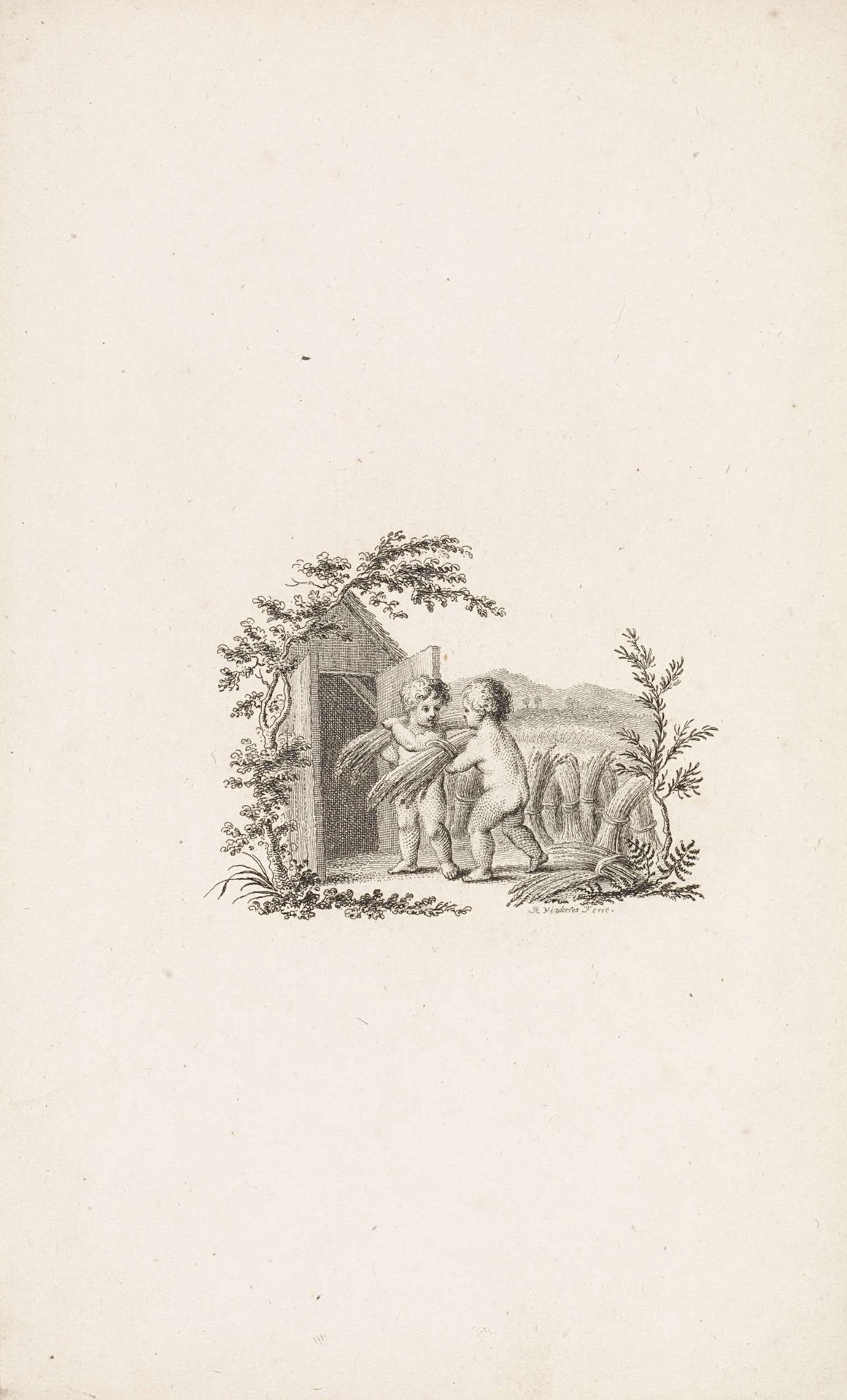
Reinier Vinkeles made this delicate etching of putti carrying wheat into a barn, but we cannot know for sure when exactly it was made. The scene depicts a pastoral idyll, with cherubic figures engaged in labor, a common theme in European art. The print likely reflects the 18th-century fascination with agrarian life and the idealization of nature, especially popular in the Netherlands at that time. This romanticized view often served as a contrast to the growing urbanization and industrialization. The putti themselves are interesting; these figures are usually associated with classical mythology, which could indicate an attempt to ennoble the virtues of rural simplicity through historical and cultural references. To fully understand this work, one might research the economic conditions of the Dutch countryside during Vinkeles's lifetime or the popularity of classical motifs in Dutch art. Understanding the original context allows us to see the image not just as a pretty picture, but as a window into the values of a specific society.
Twee putti brengen korenschoven naar een schuur
1751 - 1816

Reinier Vinkeles
1741 - 1816Location
RijksmuseumArtwork details
- Dimensions
- height 221 mm, width 134 mm
- Location
- Rijksmuseum
- Copyright
- Rijks Museum: Open Domain
Comments
Share your thoughts
About this artwork
Reinier Vinkeles made this delicate etching of putti carrying wheat into a barn, but we cannot know for sure when exactly it was made. The scene depicts a pastoral idyll, with cherubic figures engaged in labor, a common theme in European art. The print likely reflects the 18th-century fascination with agrarian life and the idealization of nature, especially popular in the Netherlands at that time. This romanticized view often served as a contrast to the growing urbanization and industrialization. The putti themselves are interesting; these figures are usually associated with classical mythology, which could indicate an attempt to ennoble the virtues of rural simplicity through historical and cultural references. To fully understand this work, one might research the economic conditions of the Dutch countryside during Vinkeles's lifetime or the popularity of classical motifs in Dutch art. Understanding the original context allows us to see the image not just as a pretty picture, but as a window into the values of a specific society.
Comments
Share your thoughts