About this artwork
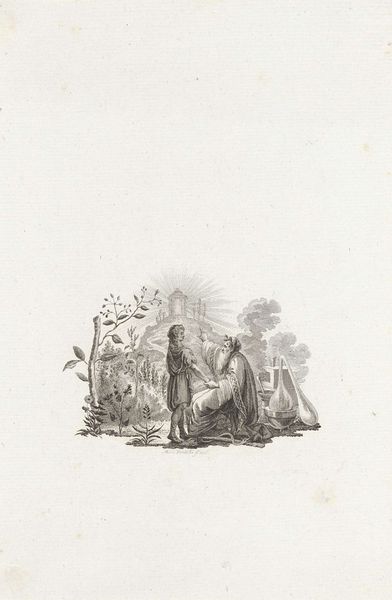
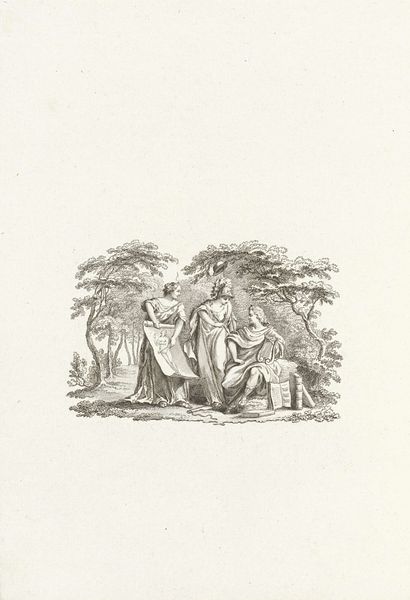
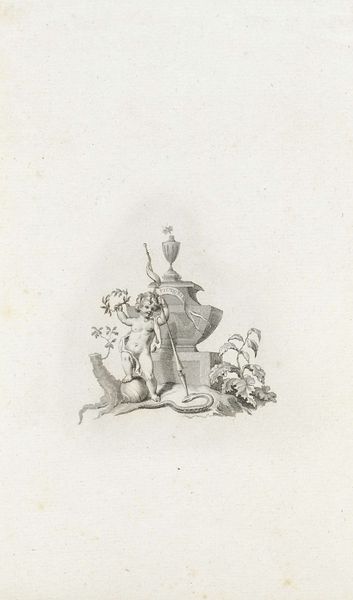
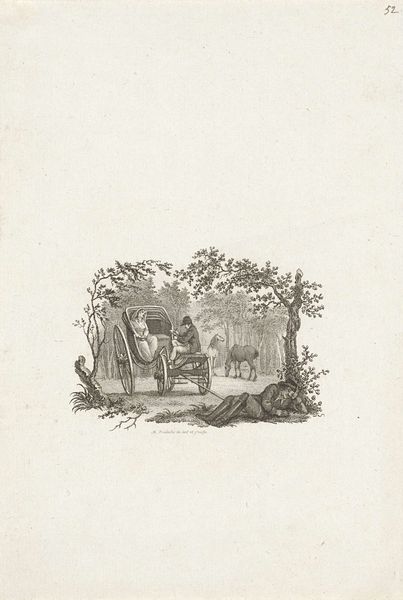
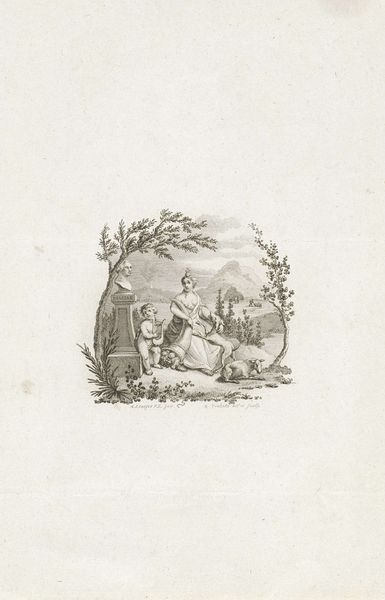
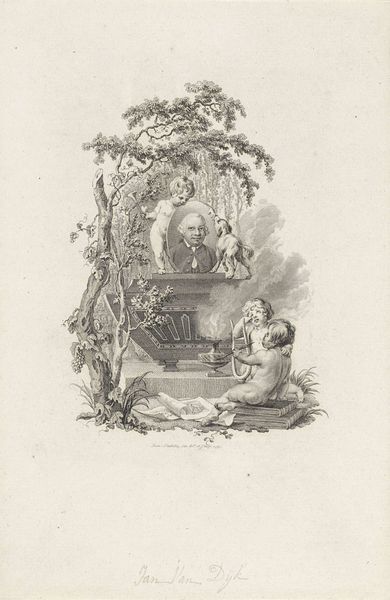
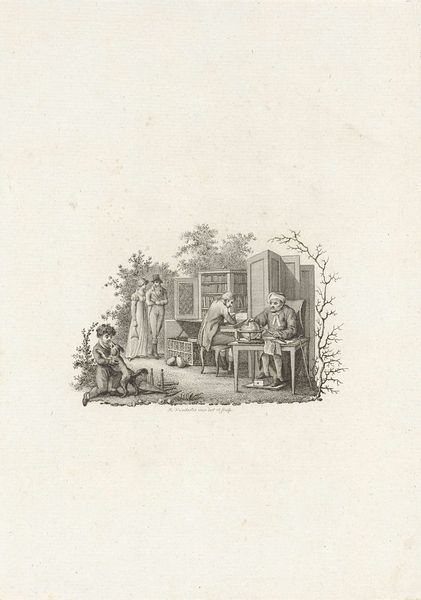
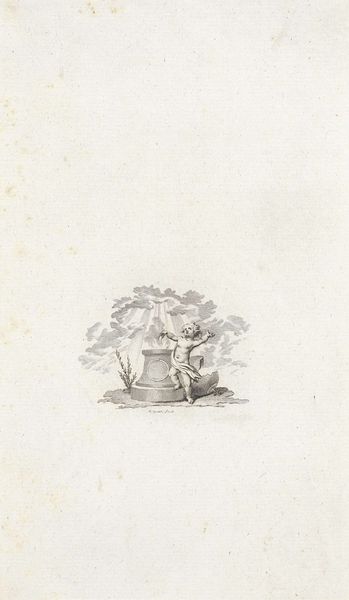
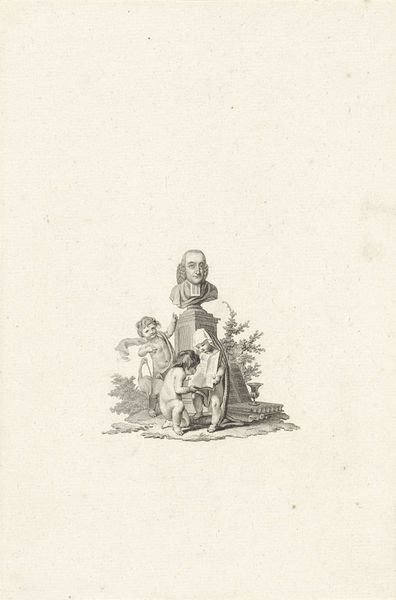
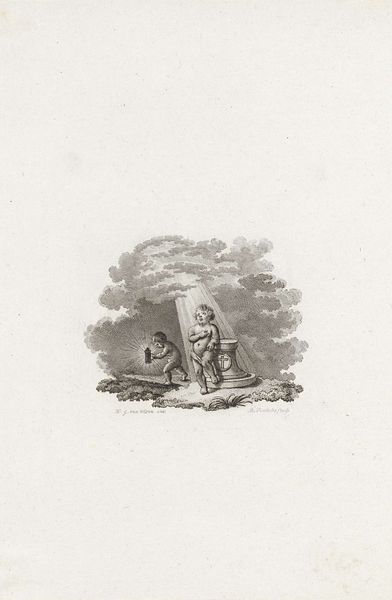
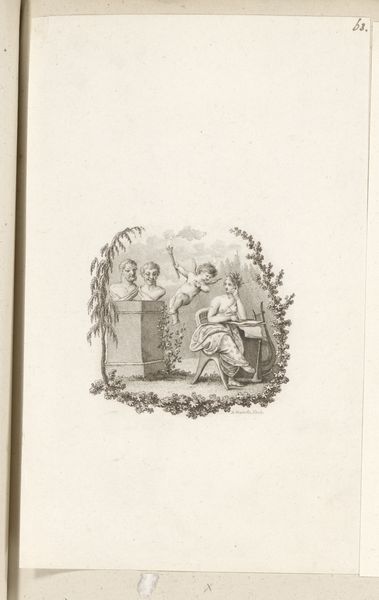
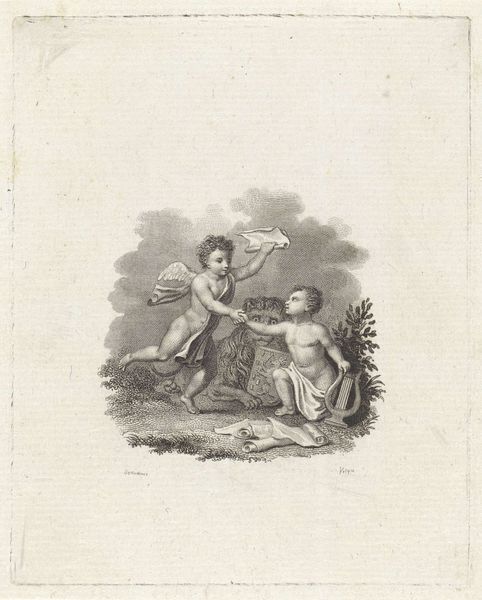
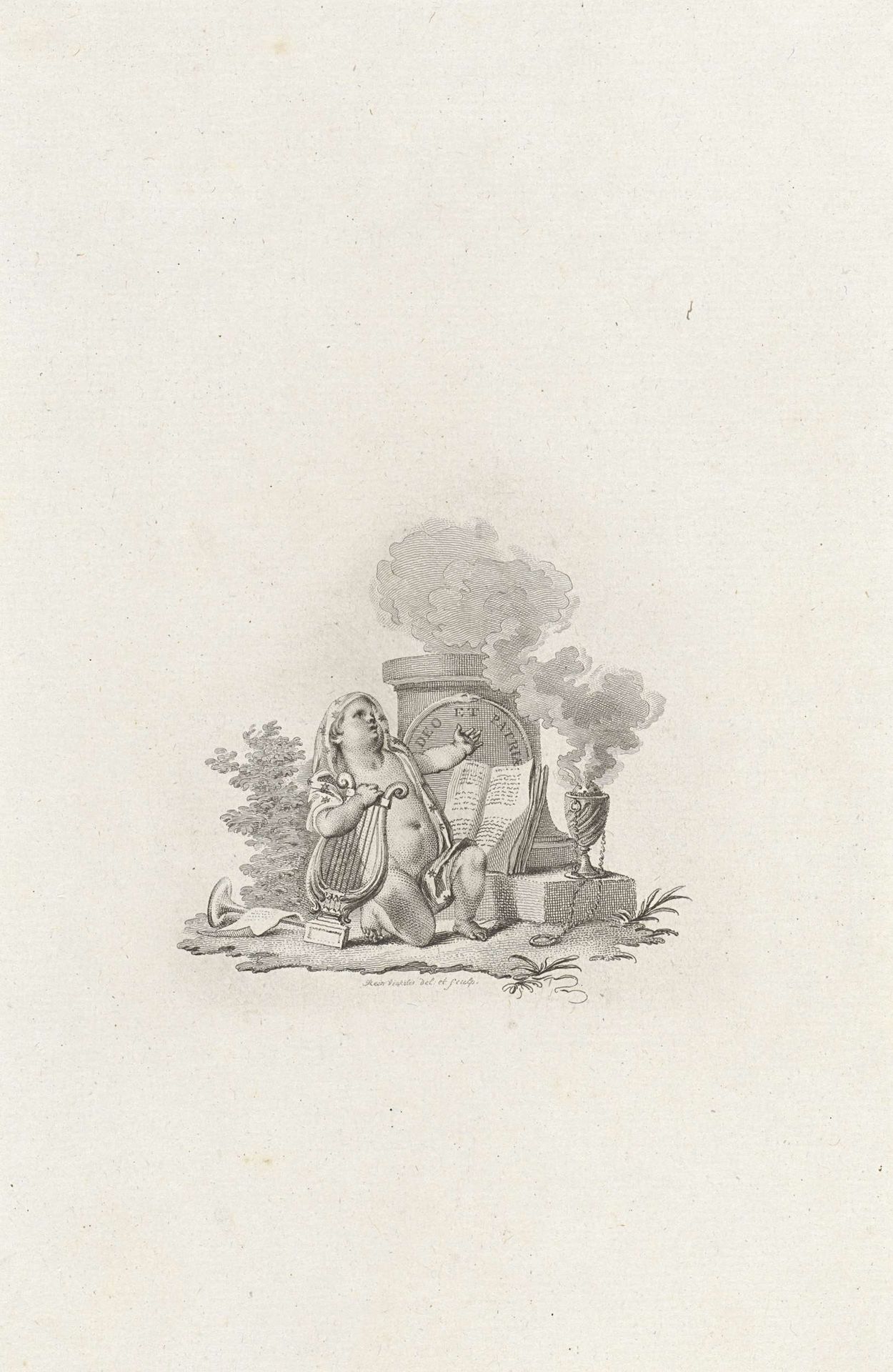
Reinier Vinkeles made this title page for Rhijnvis Feith's "Odes and Poems" in 1796 using etching and engraving. These are both printmaking techniques, which means the image is incised into a metal plate, inked, and then transferred to paper under high pressure. The fineness of the lines speaks to Vinkeles’s skill. Look closely, and you can see how he uses the density of marks to create shading and volume. The etching process allows for a more spontaneous, free-flowing line, while engraving provides precision. The combination offers a range of textures, from the soft, smoky atmosphere to the crisp details of the allegorical figure. Printmaking was essential to disseminating images and ideas in the 18th century. This title page isn't just an aesthetic object, but also a product of a sophisticated system of labor and distribution. The prints could be circulated widely, shaping public taste and cultural values. So, next time you see a print, remember the layers of expertise and industry that went into its making. It’s not just an image; it’s a testament to the power of craft.
Titelpagina voor: Rhijnvis Feith,'Oden en Gedichten', 1796
1796

Reinier Vinkeles
1741 - 1816Location
RijksmuseumArtwork details
- Medium
- drawing, pencil, graphite
- Dimensions
- height 235 mm, width 156 mm
- Location
- Rijksmuseum
- Copyright
- Rijks Museum: Open Domain
Tags
portrait
drawing
neoclacissism
allegory
pencil
graphite
Comments
Be the first to share your thoughts about this work.
About this artwork
Reinier Vinkeles made this title page for Rhijnvis Feith's "Odes and Poems" in 1796 using etching and engraving. These are both printmaking techniques, which means the image is incised into a metal plate, inked, and then transferred to paper under high pressure. The fineness of the lines speaks to Vinkeles’s skill. Look closely, and you can see how he uses the density of marks to create shading and volume. The etching process allows for a more spontaneous, free-flowing line, while engraving provides precision. The combination offers a range of textures, from the soft, smoky atmosphere to the crisp details of the allegorical figure. Printmaking was essential to disseminating images and ideas in the 18th century. This title page isn't just an aesthetic object, but also a product of a sophisticated system of labor and distribution. The prints could be circulated widely, shaping public taste and cultural values. So, next time you see a print, remember the layers of expertise and industry that went into its making. It’s not just an image; it’s a testament to the power of craft.
Comments
Be the first to share your thoughts about this work.