About this artwork
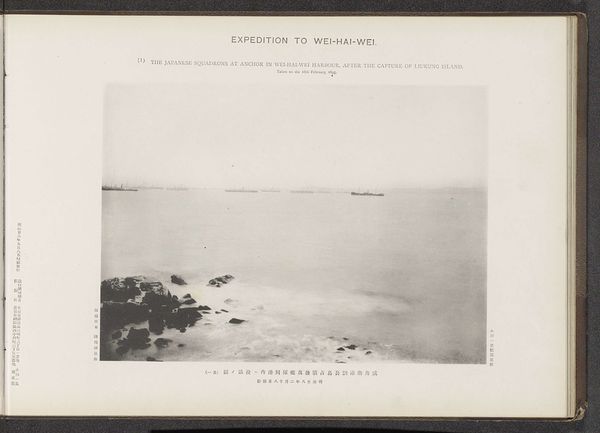
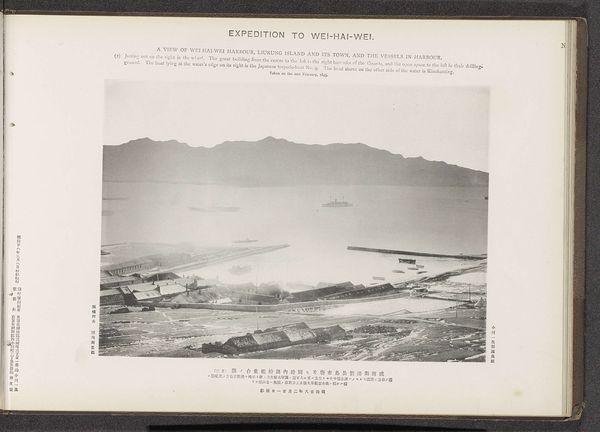
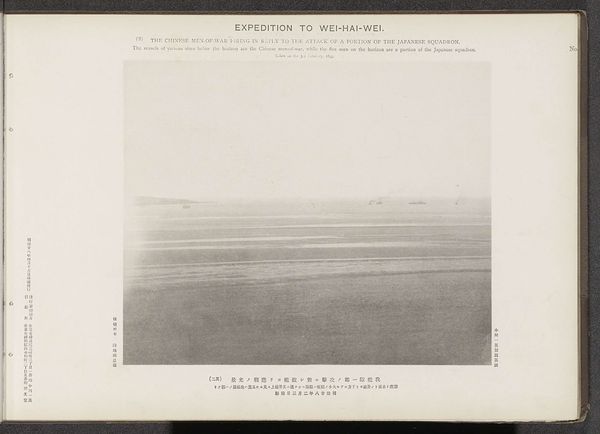
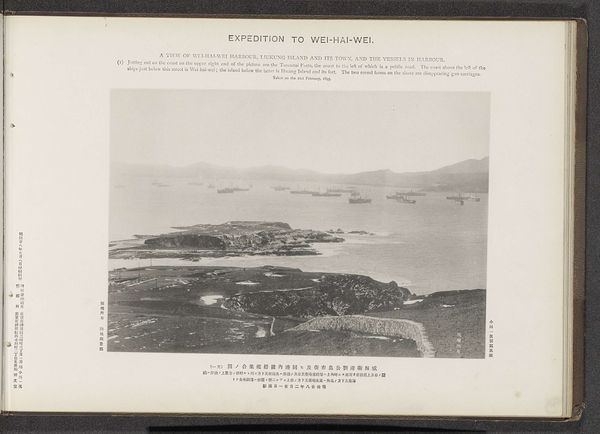
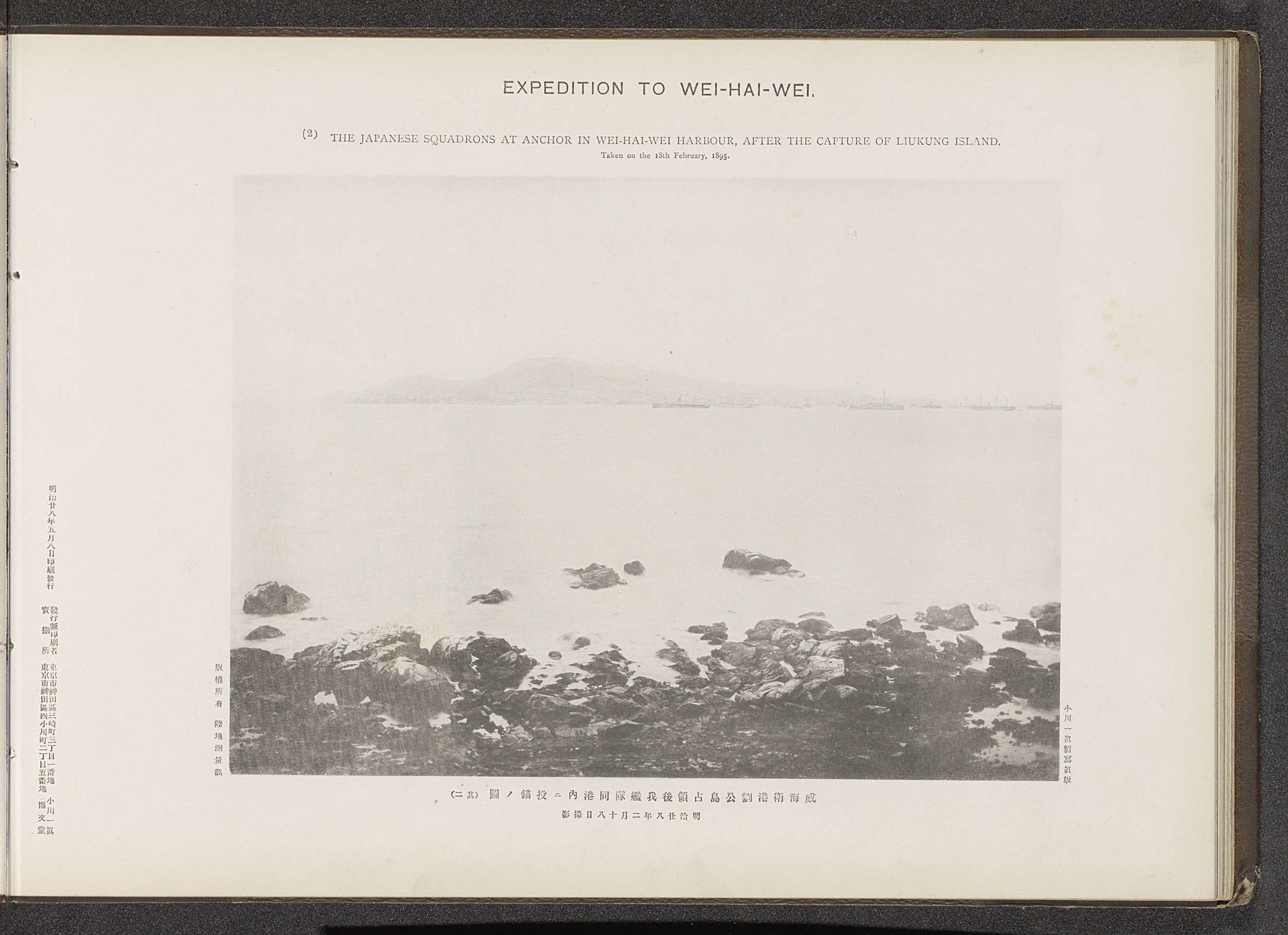
This monochrome photograph by the Ordnance Survey Office captures the Japanese squadrons anchored in Wei-Hai-Wei harbour, after the capture of Liukung Island. It was taken on the 8th of February. Dominating the horizon, the anchored squadrons symbolize military might. As we trace back through time, ships have always represented power, whether naval or commercial. Think of the ancient Greek triremes depicted on pottery, symbols of Athenian dominance, or even Viking longboats, harbingers of Norse expansion. The image of vessels at anchor, loaded with symbolism of conquest, echoes through different eras. Consider the psychological undercurrents: the deep-seated human drive to expand territory and control resources. This image, like those of ancient warships, carries a powerful, almost primal force. The ships, a symbol of dominance, engage the viewer on a subconscious level, triggering emotions tied to cultural memory and the eternal human drama of power and conflict.
The Japanese squadrons at anchor in Wei-Hai-Wei harbour, after the capture of Liukung Island
Possibly 1895

Artwork details
- Medium
- print, photography, gelatin-silver-print
- Dimensions
- height 206 mm, width 285 mm
- Copyright
- Rijks Museum: Open Domain
Tags
Comments
Share your thoughts
About this artwork
This monochrome photograph by the Ordnance Survey Office captures the Japanese squadrons anchored in Wei-Hai-Wei harbour, after the capture of Liukung Island. It was taken on the 8th of February. Dominating the horizon, the anchored squadrons symbolize military might. As we trace back through time, ships have always represented power, whether naval or commercial. Think of the ancient Greek triremes depicted on pottery, symbols of Athenian dominance, or even Viking longboats, harbingers of Norse expansion. The image of vessels at anchor, loaded with symbolism of conquest, echoes through different eras. Consider the psychological undercurrents: the deep-seated human drive to expand territory and control resources. This image, like those of ancient warships, carries a powerful, almost primal force. The ships, a symbol of dominance, engage the viewer on a subconscious level, triggering emotions tied to cultural memory and the eternal human drama of power and conflict.
Comments
Share your thoughts