About this artwork
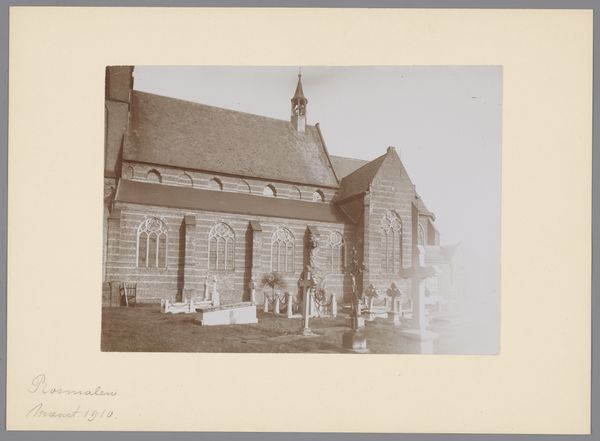
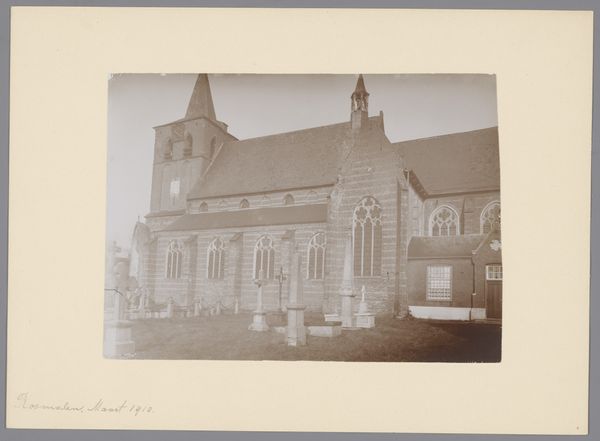
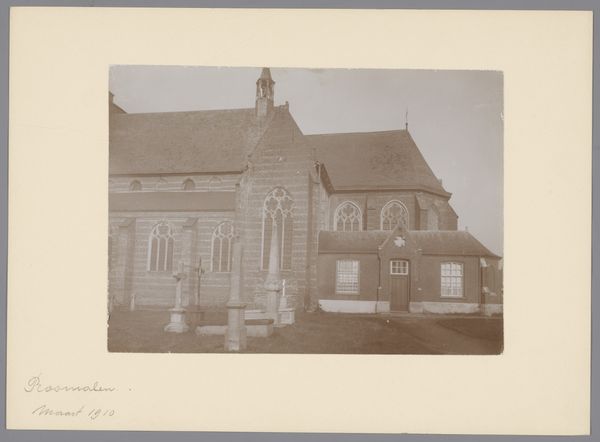
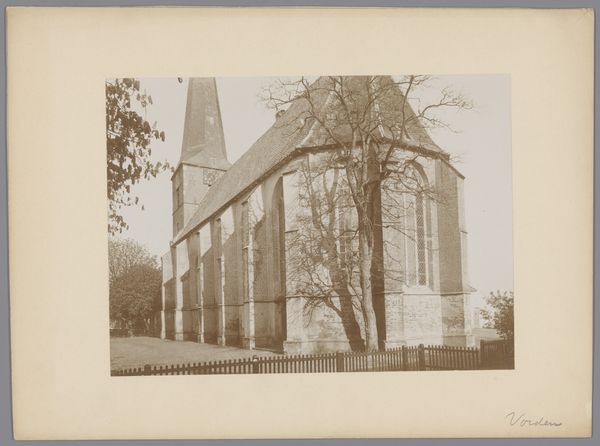
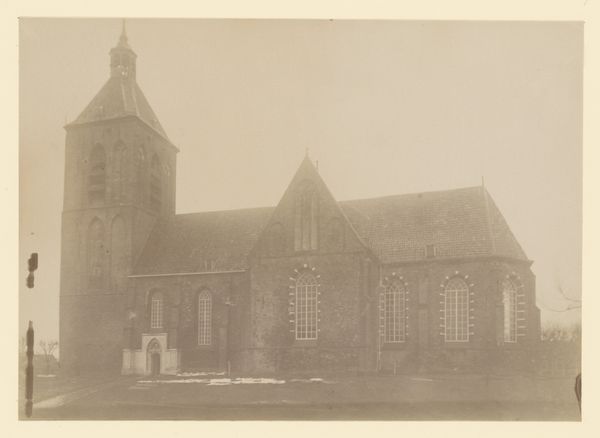
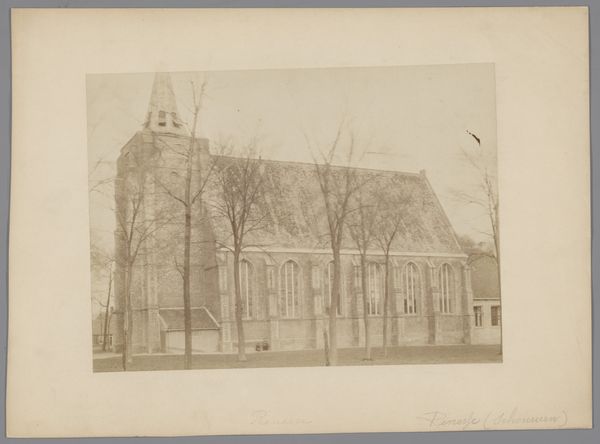
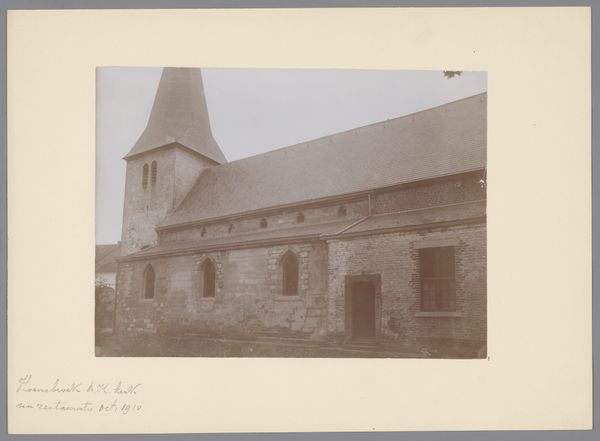
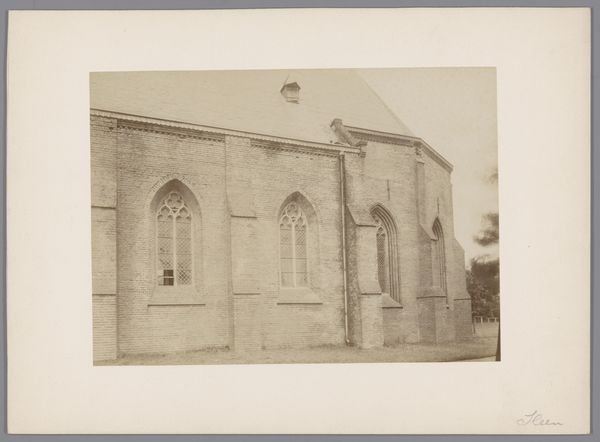
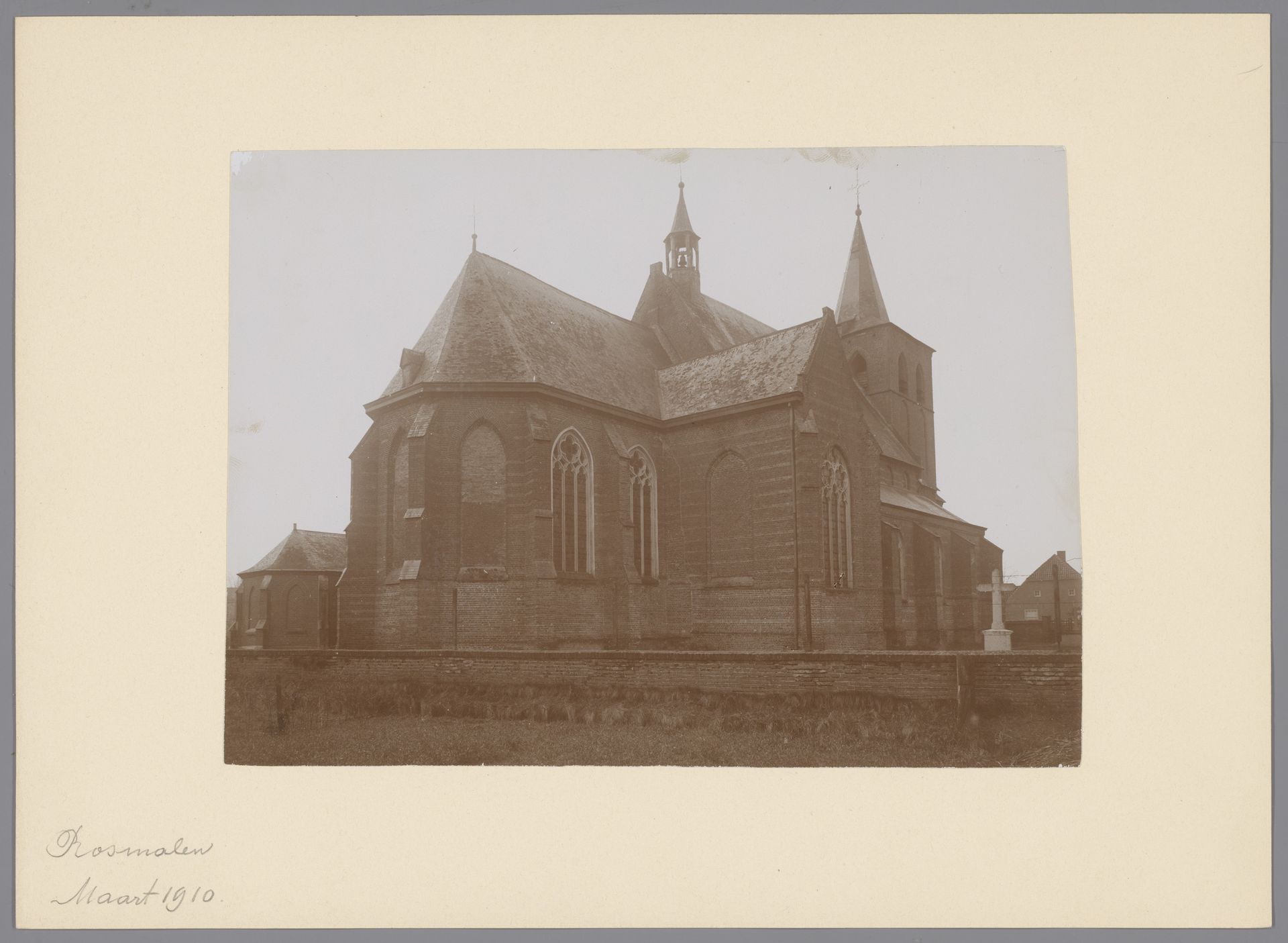
This photograph of the Sint-Lambertuskerk in Rosmalen was taken in March 1910, by an anonymous photographer working for Monumentenzorg, the Dutch heritage agency. The image is a study in stone: the church, built from precisely stacked blocks, testifies to the enduring nature of this material. Look closely, and you can see the marks of the stonemasons' labor. Each block was quarried, cut, and placed with considerable effort. The work of constructing such a building—a massive undertaking—would have involved the community, connecting labor to religious devotion. Photography itself, of course, is also a process, a technological means of production. Here, it serves to document the craft traditions embedded in the church, fixing it in time. By considering both the subject and the medium, we understand how materials, making, and context intertwine to create meaning, bridging the gap between art and the everyday.
Noordoostzijde van de Sint-Lambertuskerk te Rosmalen
1910

Artwork details
- Dimensions
- height 158 mm, width 221 mm
- Copyright
- Rijks Museum: Open Domain
Comments
Share your thoughts
About this artwork
This photograph of the Sint-Lambertuskerk in Rosmalen was taken in March 1910, by an anonymous photographer working for Monumentenzorg, the Dutch heritage agency. The image is a study in stone: the church, built from precisely stacked blocks, testifies to the enduring nature of this material. Look closely, and you can see the marks of the stonemasons' labor. Each block was quarried, cut, and placed with considerable effort. The work of constructing such a building—a massive undertaking—would have involved the community, connecting labor to religious devotion. Photography itself, of course, is also a process, a technological means of production. Here, it serves to document the craft traditions embedded in the church, fixing it in time. By considering both the subject and the medium, we understand how materials, making, and context intertwine to create meaning, bridging the gap between art and the everyday.
Comments
Share your thoughts