About this artwork
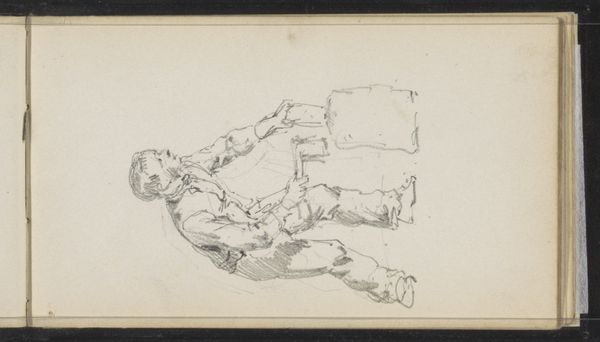
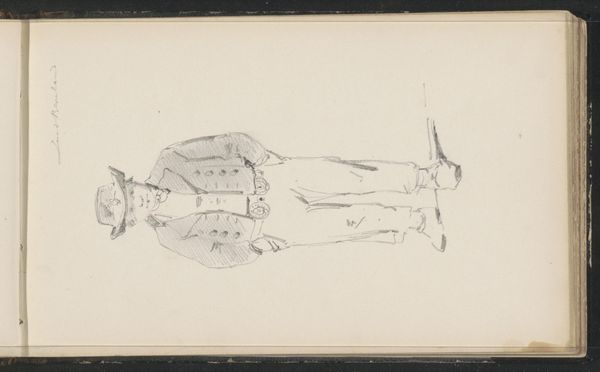
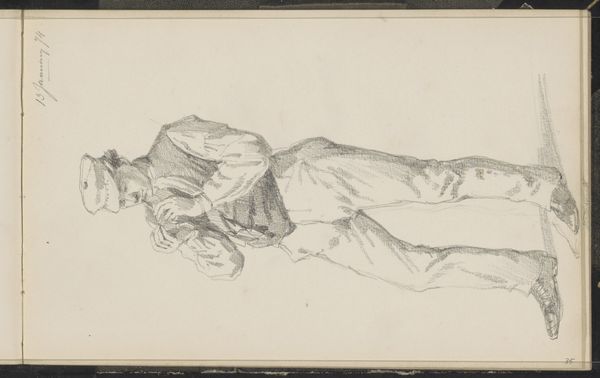
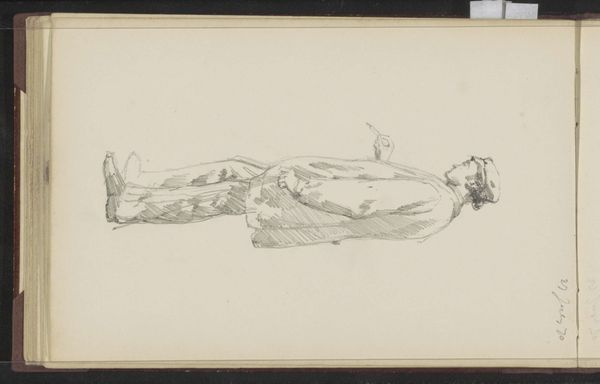
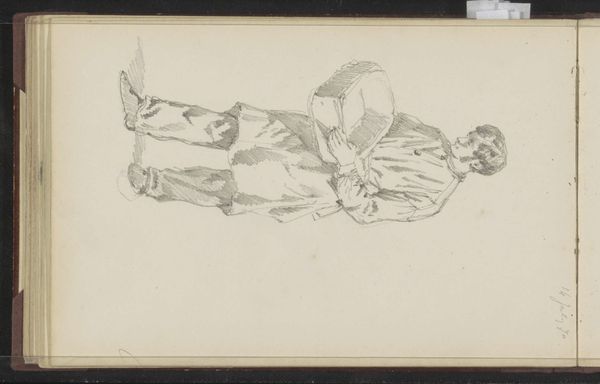
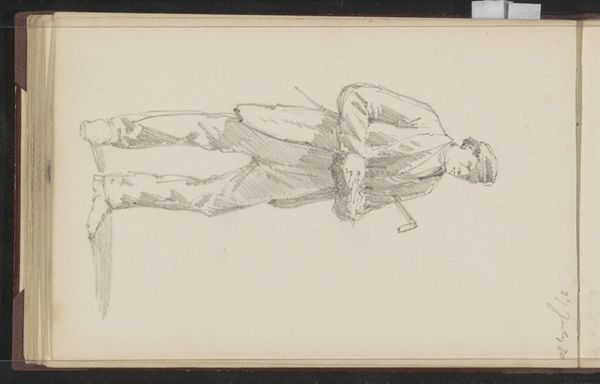
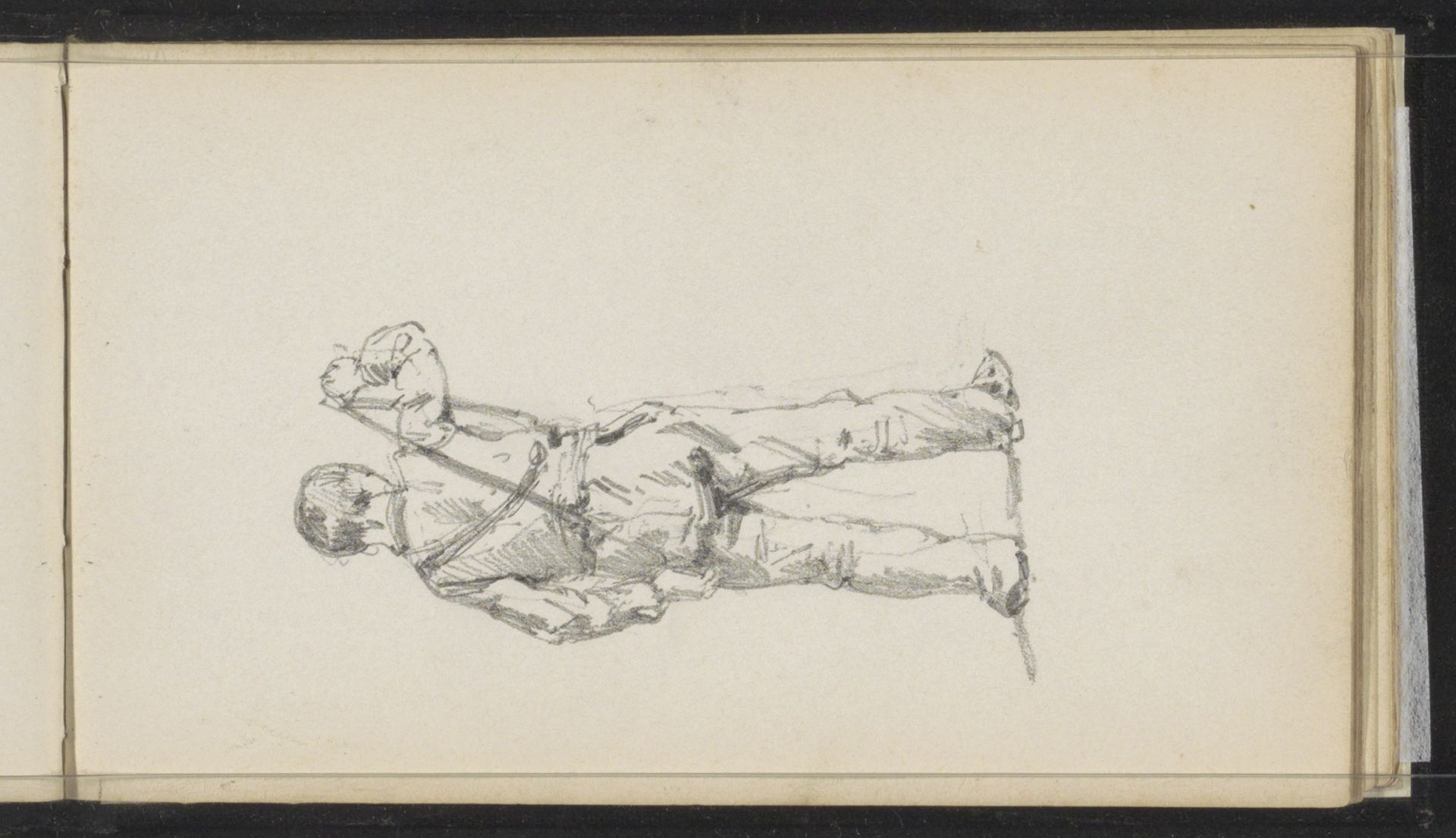
Cornelis Springer created this pencil drawing of a man, sometime in the 19th century, likely as a study for a larger painting. It’s intriguing to consider what kind of narrative Springer was hoping to build around this figure. The man appears to be a soldier, or perhaps a guard, given his uniform and the object he holds. The Netherlands in the 19th century was a kingdom undergoing significant social and political change, including the growth of national identity and military reforms. Perhaps Springer intended to depict a figure associated with Dutch national pride or military prowess. To understand this work fully, we might consider researching Dutch military history, the artistic conventions of depicting soldiers, and the role of the Rijksmuseum, where the drawing is now held, in shaping national identity through its collection. In doing so, we can better understand the meaning of this drawing, which is contingent on the historical context in which it was created and displayed.
Man met een voorwerp in zijn handen c. 1860 - 1866

Cornelis Springer
1817 - 1891Location
RijksmuseumArtwork details
- Medium
- drawing, pencil
- Location
- Rijksmuseum
- Copyright
- Rijks Museum: Open Domain
Tags
portrait
drawing
light pencil work
quirky sketch
pen sketch
sketch book
incomplete sketchy
personal sketchbook
ink drawing experimentation
sketch
pen-ink sketch
pencil
sketchbook drawing
sketchbook art
realism
Comments
No comments
About this artwork
Cornelis Springer created this pencil drawing of a man, sometime in the 19th century, likely as a study for a larger painting. It’s intriguing to consider what kind of narrative Springer was hoping to build around this figure. The man appears to be a soldier, or perhaps a guard, given his uniform and the object he holds. The Netherlands in the 19th century was a kingdom undergoing significant social and political change, including the growth of national identity and military reforms. Perhaps Springer intended to depict a figure associated with Dutch national pride or military prowess. To understand this work fully, we might consider researching Dutch military history, the artistic conventions of depicting soldiers, and the role of the Rijksmuseum, where the drawing is now held, in shaping national identity through its collection. In doing so, we can better understand the meaning of this drawing, which is contingent on the historical context in which it was created and displayed.
Comments
No comments