About this artwork
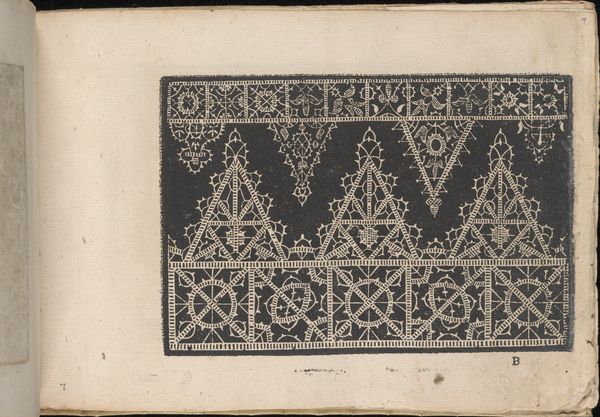
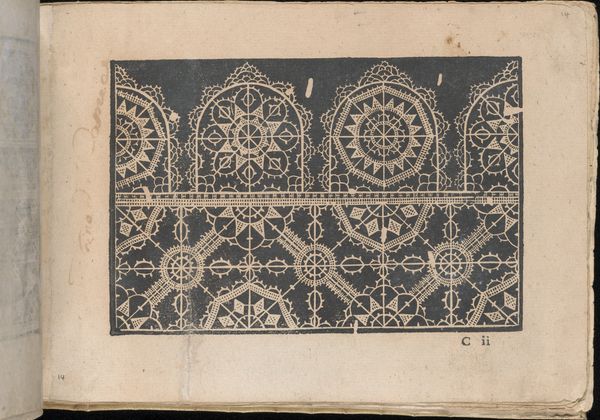
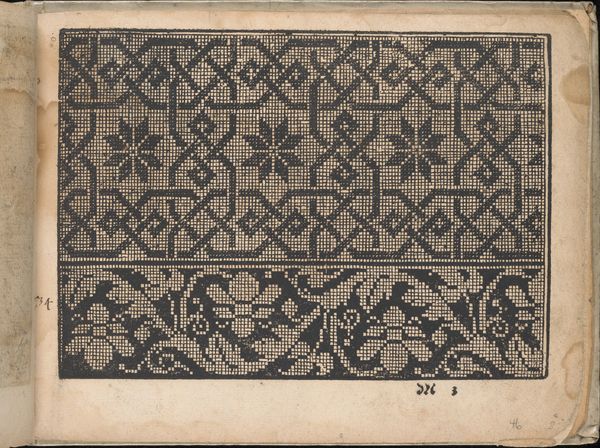
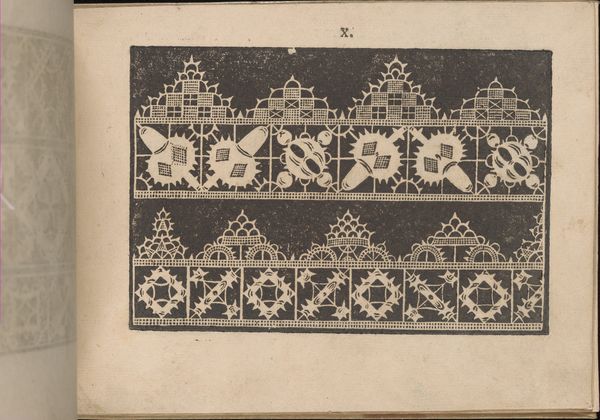
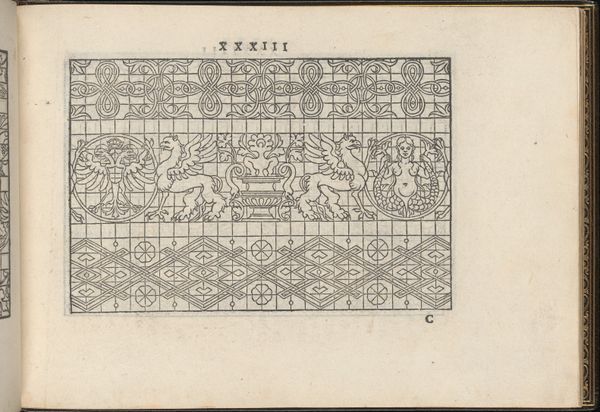
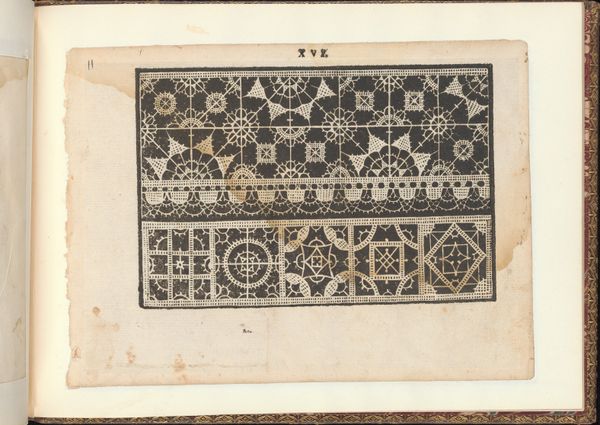
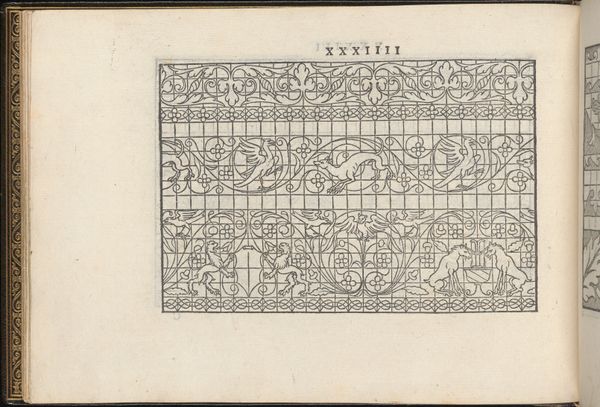
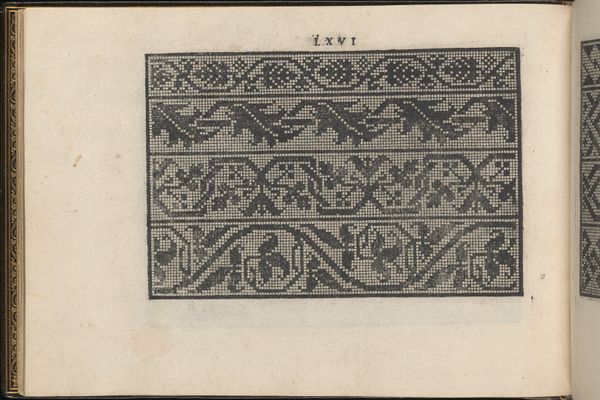
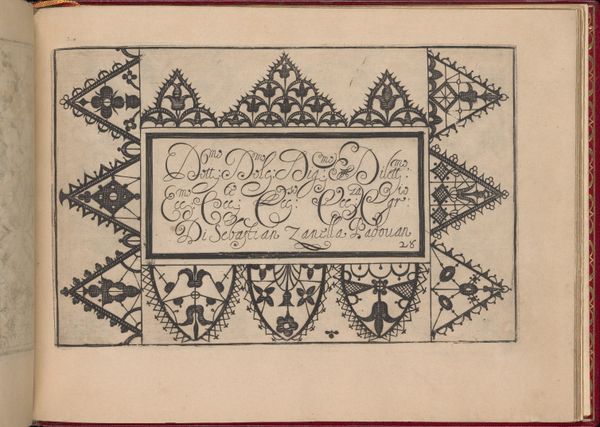
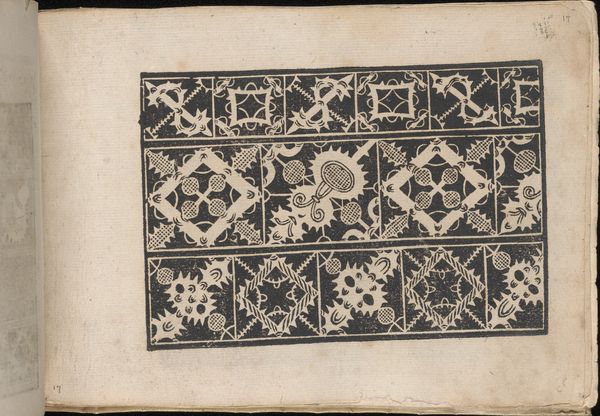
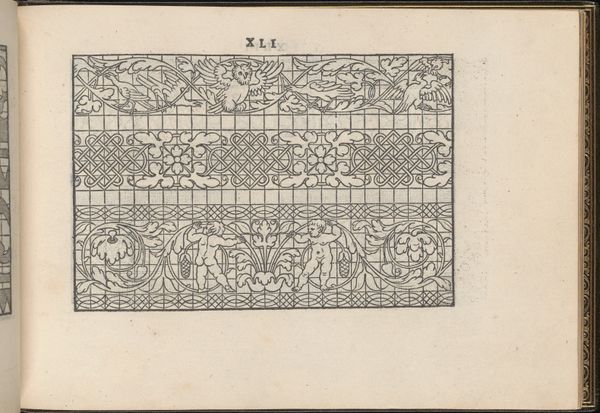
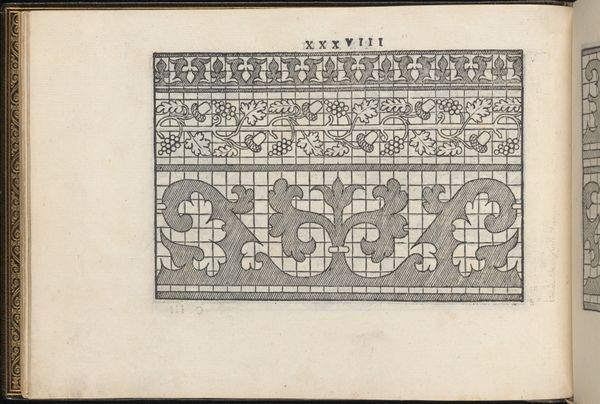
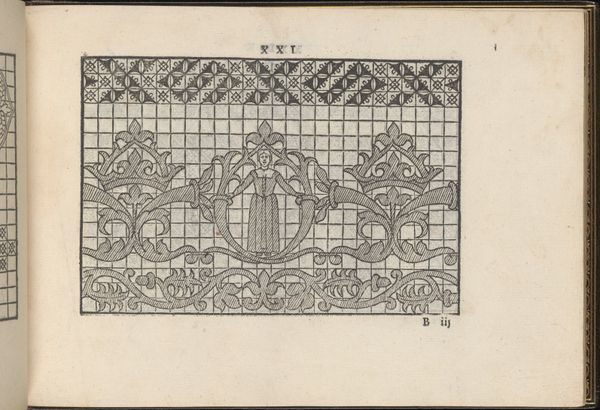
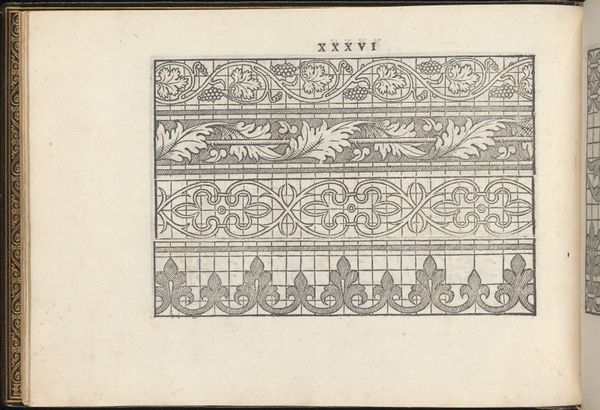
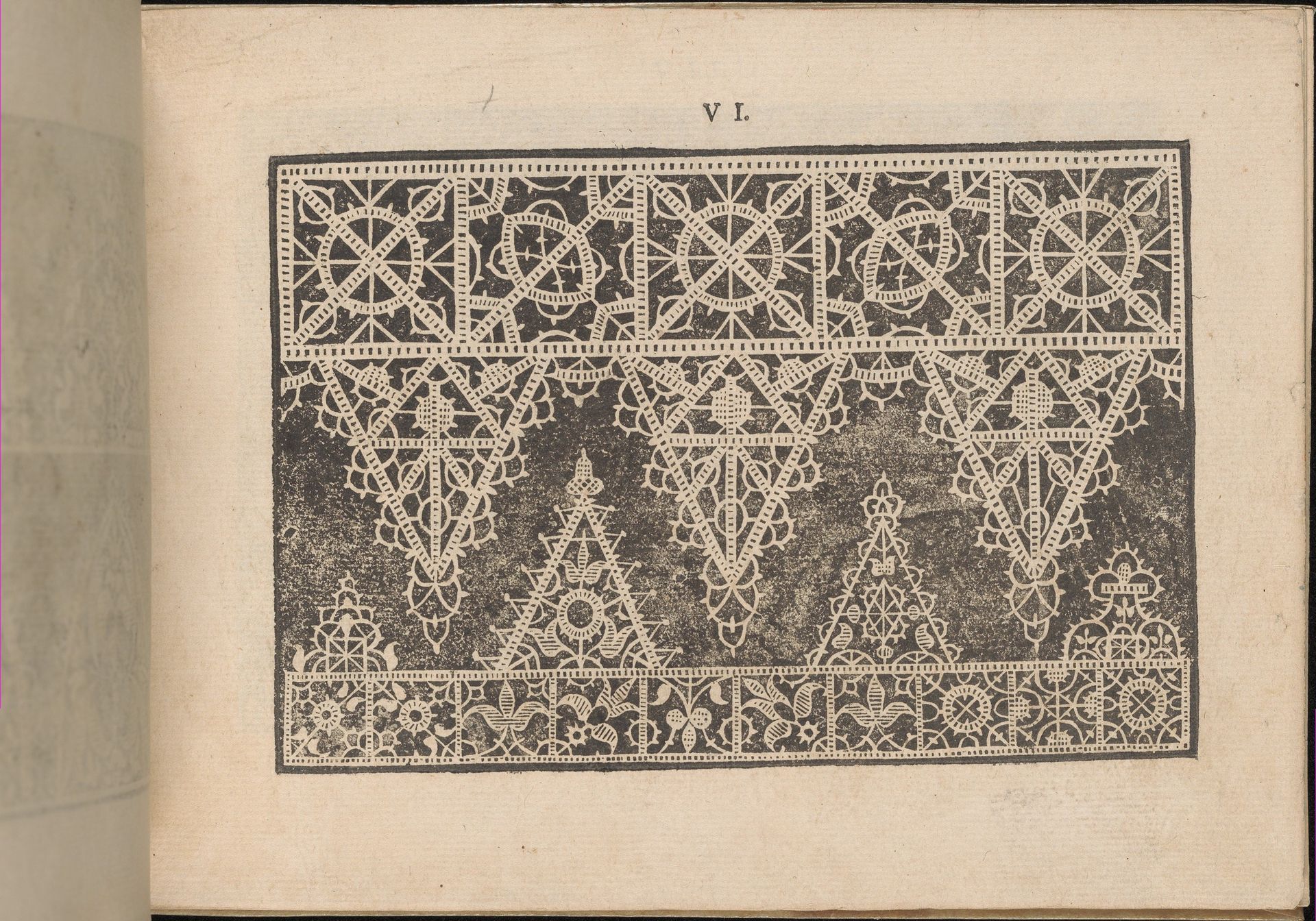
This is a page from "Prima Parte de' Fiori, e Disegni di varie sorti di Ricami Moderni," created by Giovanni Battista Ciotti, sometime between 1555 and 1659. Here, we see a series of patterns intended for modern embroidery, a craft practiced primarily by women in the domestic sphere. These geometric designs, rendered in stark black and white, reflect the aesthetics of the Italian Renaissance, emphasizing symmetry and intricate detail. Embroidery was not merely a pastime, it was a marker of status, and a demonstration of skill, taste, and refinement. These pattern books played a crucial role in standardizing designs and disseminating them across regions. They were commercial products made for a rising middle class and are part of the explosion of printmaking in the 16th and 17th century. To understand these designs more fully, scholars consult not only pattern books like this one, but also surviving examples of period embroidery, household inventories, and treatises on domestic economy, revealing the complex social and economic forces that shaped the creation and consumption of these objects.
Prima Parte de' Fiori, e Disegni di varie sorti di Ricami Moderni, page 6 (recto) 1591

Giovanni Battista Ciotti
1555 - 1659
The Metropolitan Museum of Art
Metropolitan Museum of Art, New York, NYArtwork details
- Medium
- drawing, graphic-art, ornament, print, paper, engraving
- Dimensions
- Overall: 5 5/16 x 7 5/16 in. (13.5 x 18.5 cm)
- Location
- Metropolitan Museum of Art, New York, NY
- Copyright
- Public Domain
Tags
drawing
graphic-art
ornament
ink paper printed
book
paper
11_renaissance
italian-renaissance
engraving
Comments
No comments
About this artwork
This is a page from "Prima Parte de' Fiori, e Disegni di varie sorti di Ricami Moderni," created by Giovanni Battista Ciotti, sometime between 1555 and 1659. Here, we see a series of patterns intended for modern embroidery, a craft practiced primarily by women in the domestic sphere. These geometric designs, rendered in stark black and white, reflect the aesthetics of the Italian Renaissance, emphasizing symmetry and intricate detail. Embroidery was not merely a pastime, it was a marker of status, and a demonstration of skill, taste, and refinement. These pattern books played a crucial role in standardizing designs and disseminating them across regions. They were commercial products made for a rising middle class and are part of the explosion of printmaking in the 16th and 17th century. To understand these designs more fully, scholars consult not only pattern books like this one, but also surviving examples of period embroidery, household inventories, and treatises on domestic economy, revealing the complex social and economic forces that shaped the creation and consumption of these objects.
Comments
No comments