About this artwork
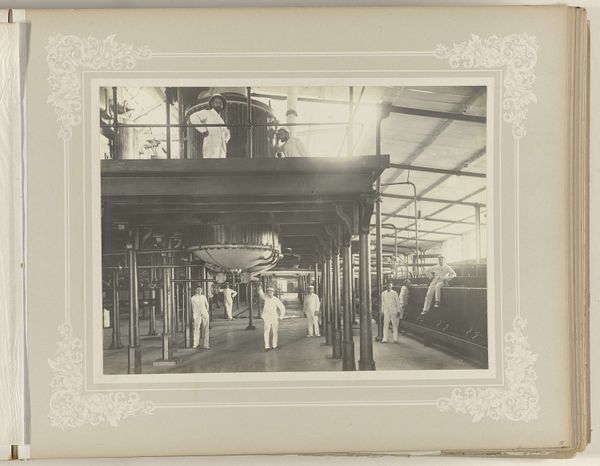
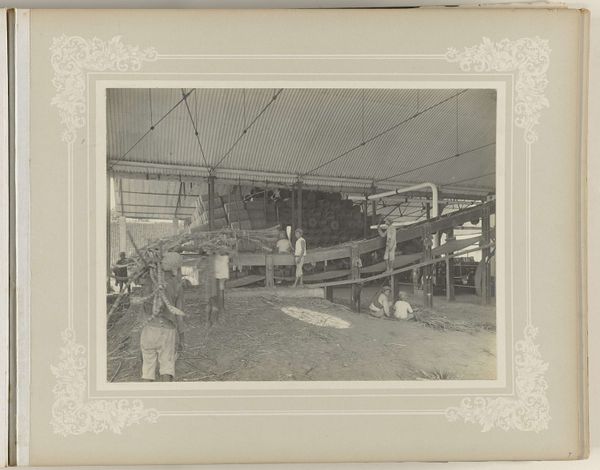
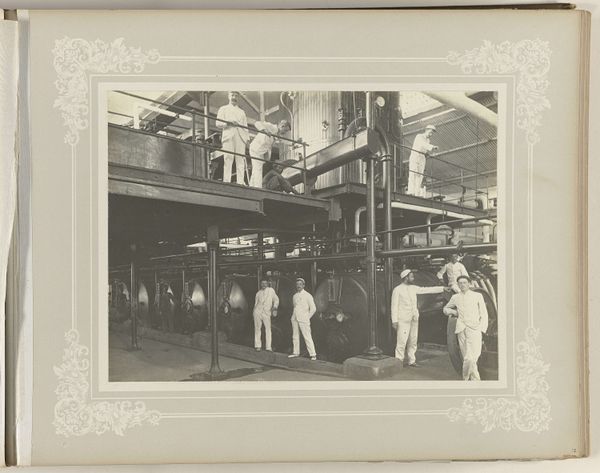
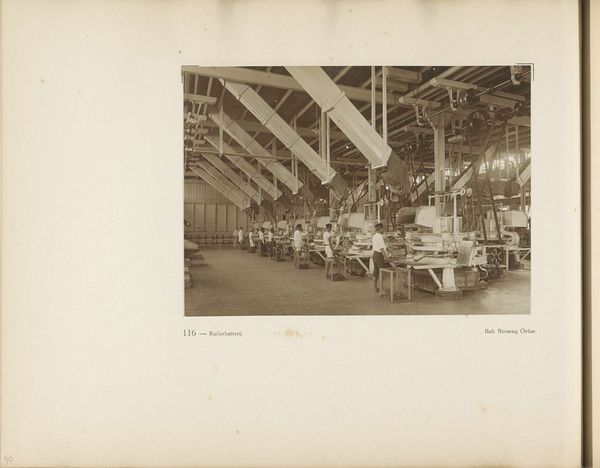
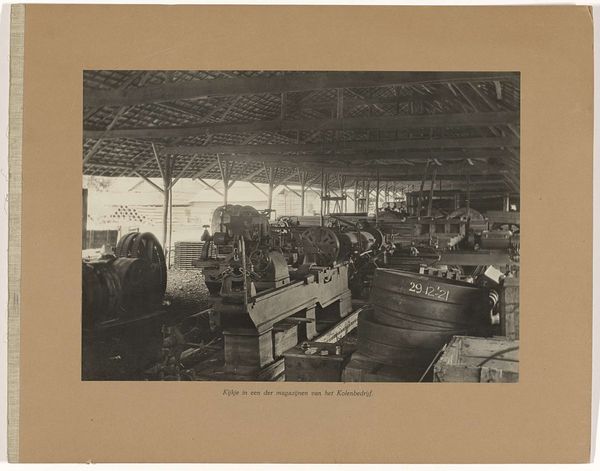
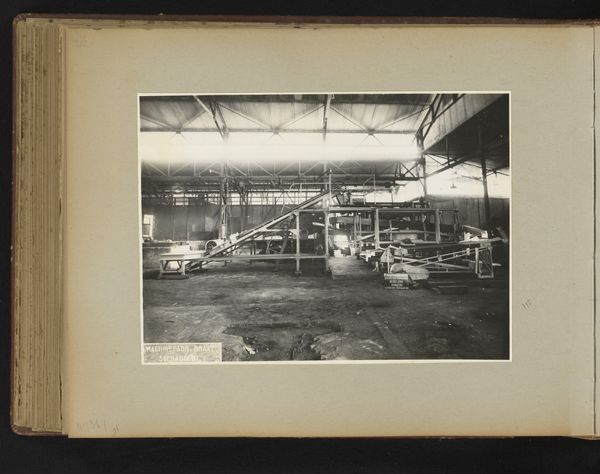
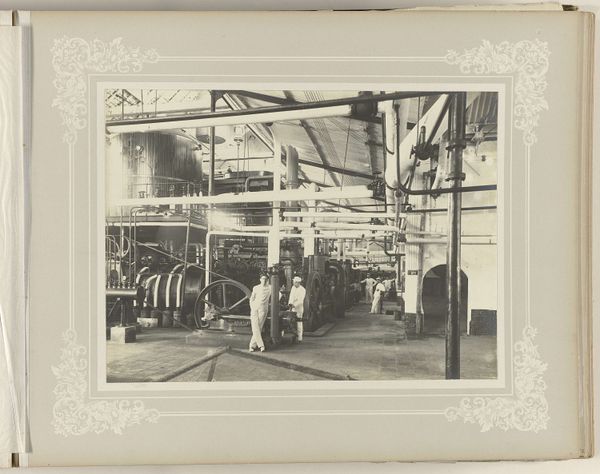
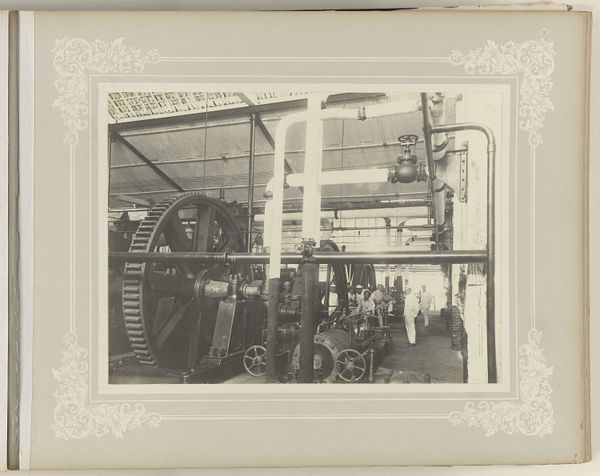
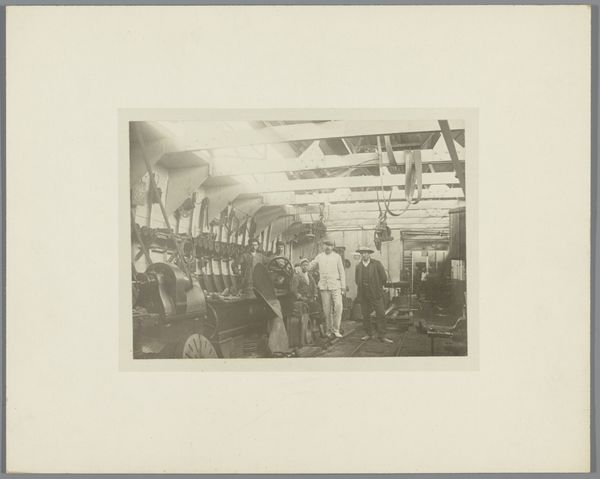
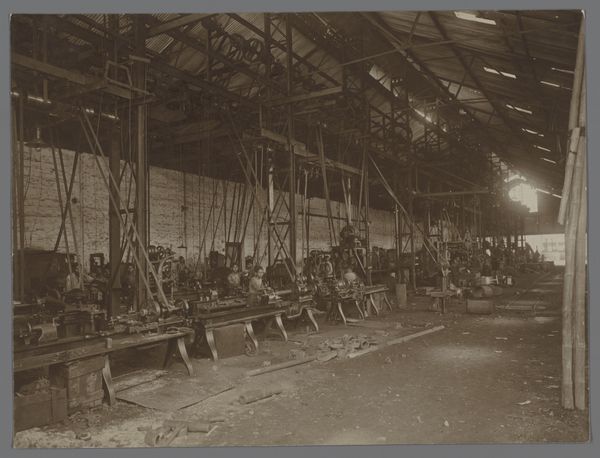
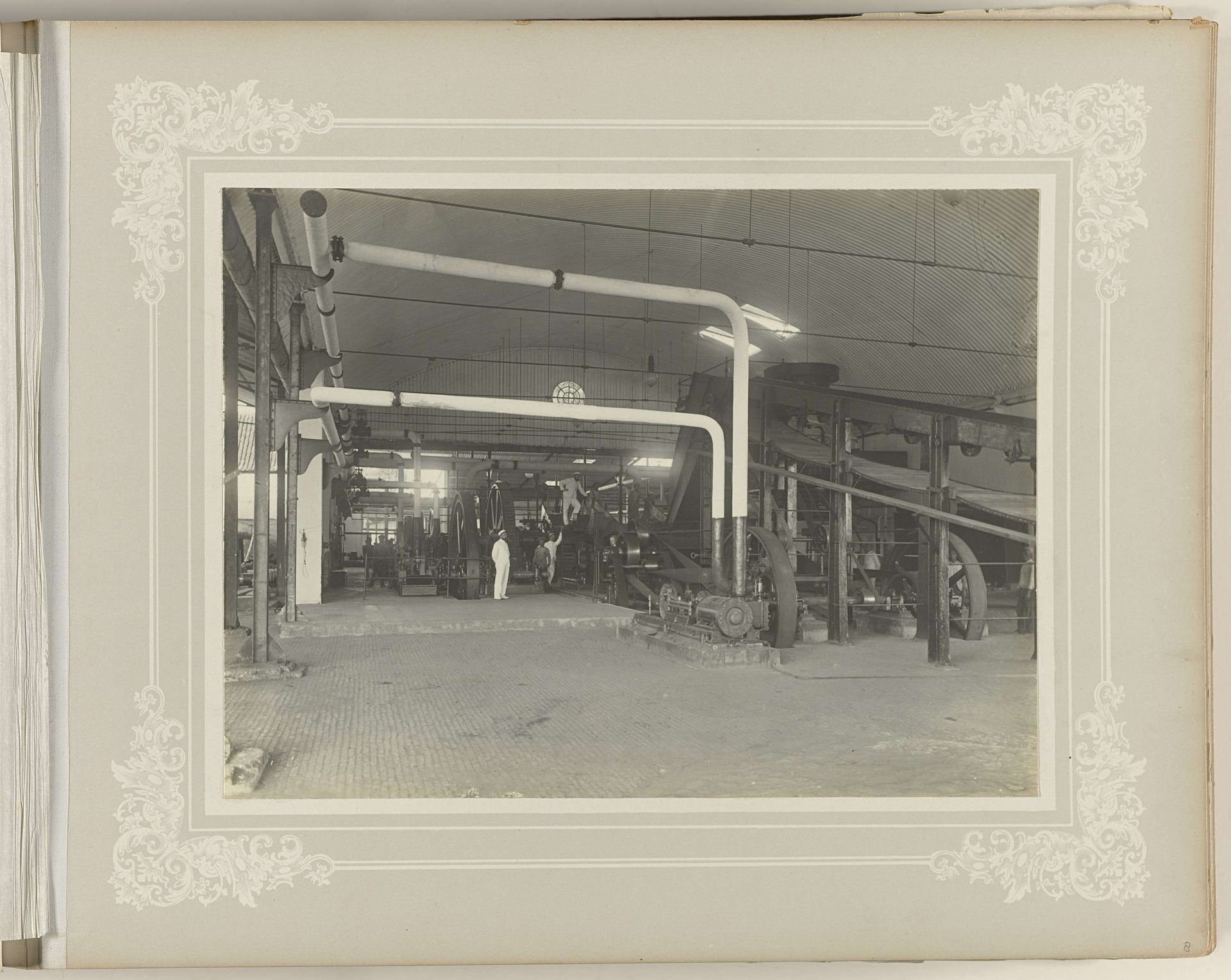
Otto Hisgen captured this photograph, Machinehal in de suikerfabriek, offering a glimpse into an industrial space from a bygone era. Hisgen, living through both World Wars, navigated a rapidly changing world. The photograph presents a stark, almost alien environment. The network of pipes and machinery speaks to a time of booming industry, but also reflects the social realities of labor. These factories, while engines of progress, were often sites of intense exploitation, particularly of working-class individuals. Consider the human figures in the photograph, dwarfed by the scale of the machinery, their roles and lives intertwined with this industrial complex. Hisgen's composition invites us to reflect on how industrialization shaped not only the physical landscape but also the social fabric and the individual's place within it. It's a reminder of the human cost of progress and the complex relationship between labor, identity, and the relentless march of technology.

Artwork details
- Medium
- photography
- Dimensions
- height 170 mm, width 230 mm
- Copyright
- Rijks Museum: Open Domain
Tags
landscape
photography
realism
Comments
No comments
About this artwork
Otto Hisgen captured this photograph, Machinehal in de suikerfabriek, offering a glimpse into an industrial space from a bygone era. Hisgen, living through both World Wars, navigated a rapidly changing world. The photograph presents a stark, almost alien environment. The network of pipes and machinery speaks to a time of booming industry, but also reflects the social realities of labor. These factories, while engines of progress, were often sites of intense exploitation, particularly of working-class individuals. Consider the human figures in the photograph, dwarfed by the scale of the machinery, their roles and lives intertwined with this industrial complex. Hisgen's composition invites us to reflect on how industrialization shaped not only the physical landscape but also the social fabric and the individual's place within it. It's a reminder of the human cost of progress and the complex relationship between labor, identity, and the relentless march of technology.
Comments
No comments