About this artwork
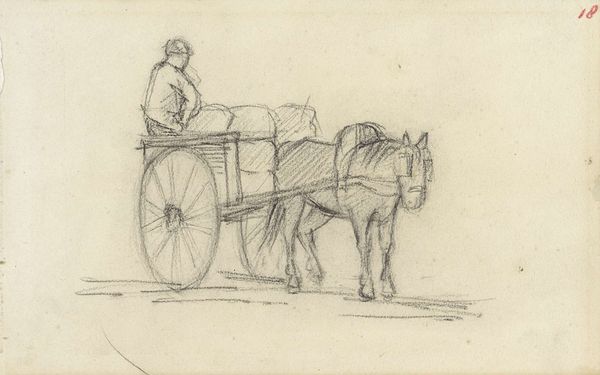
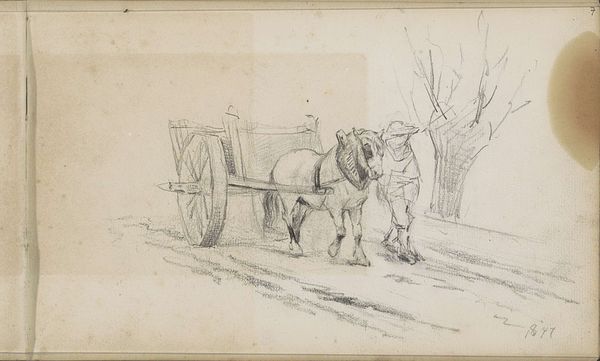
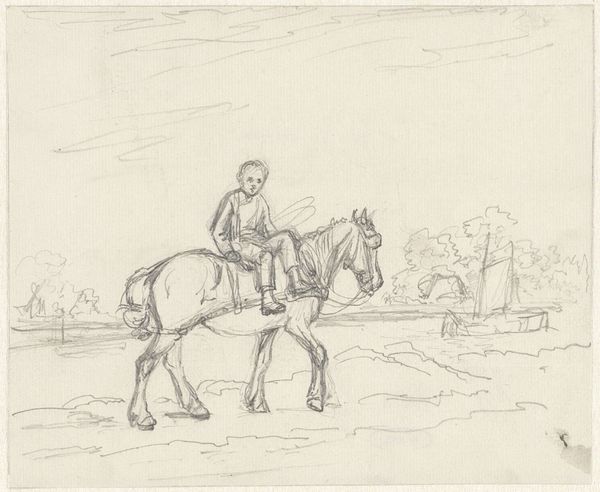
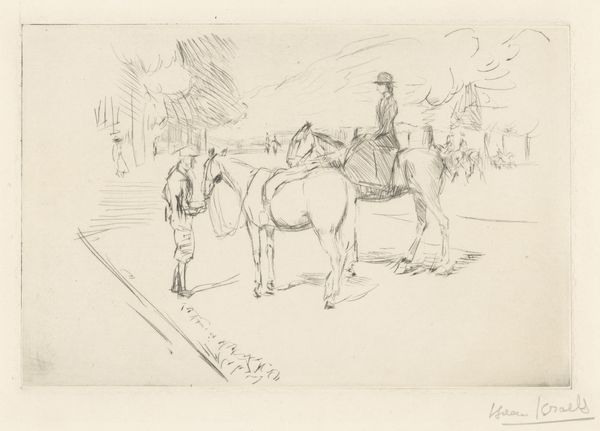
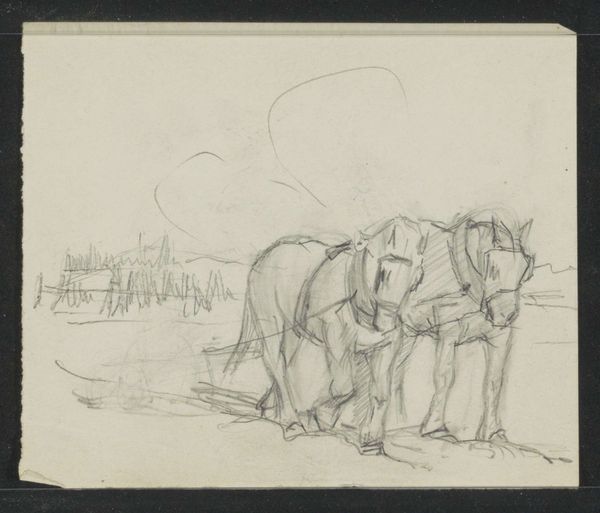
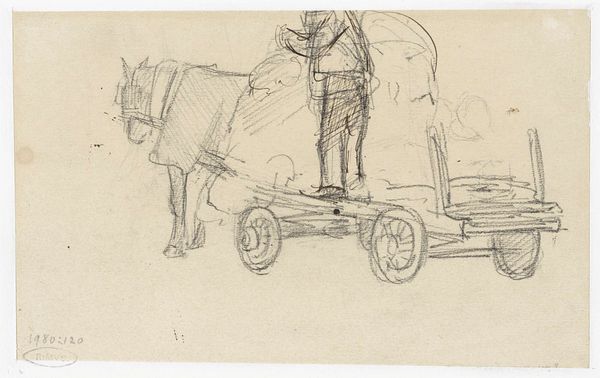
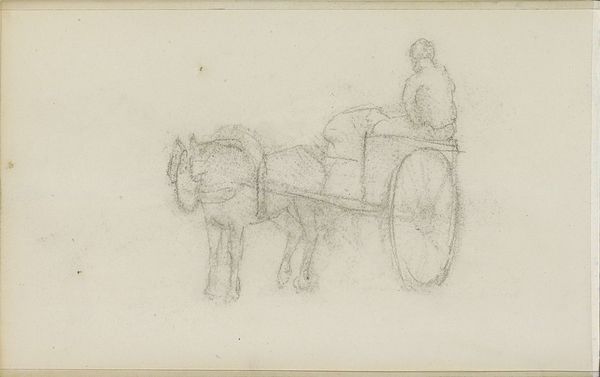
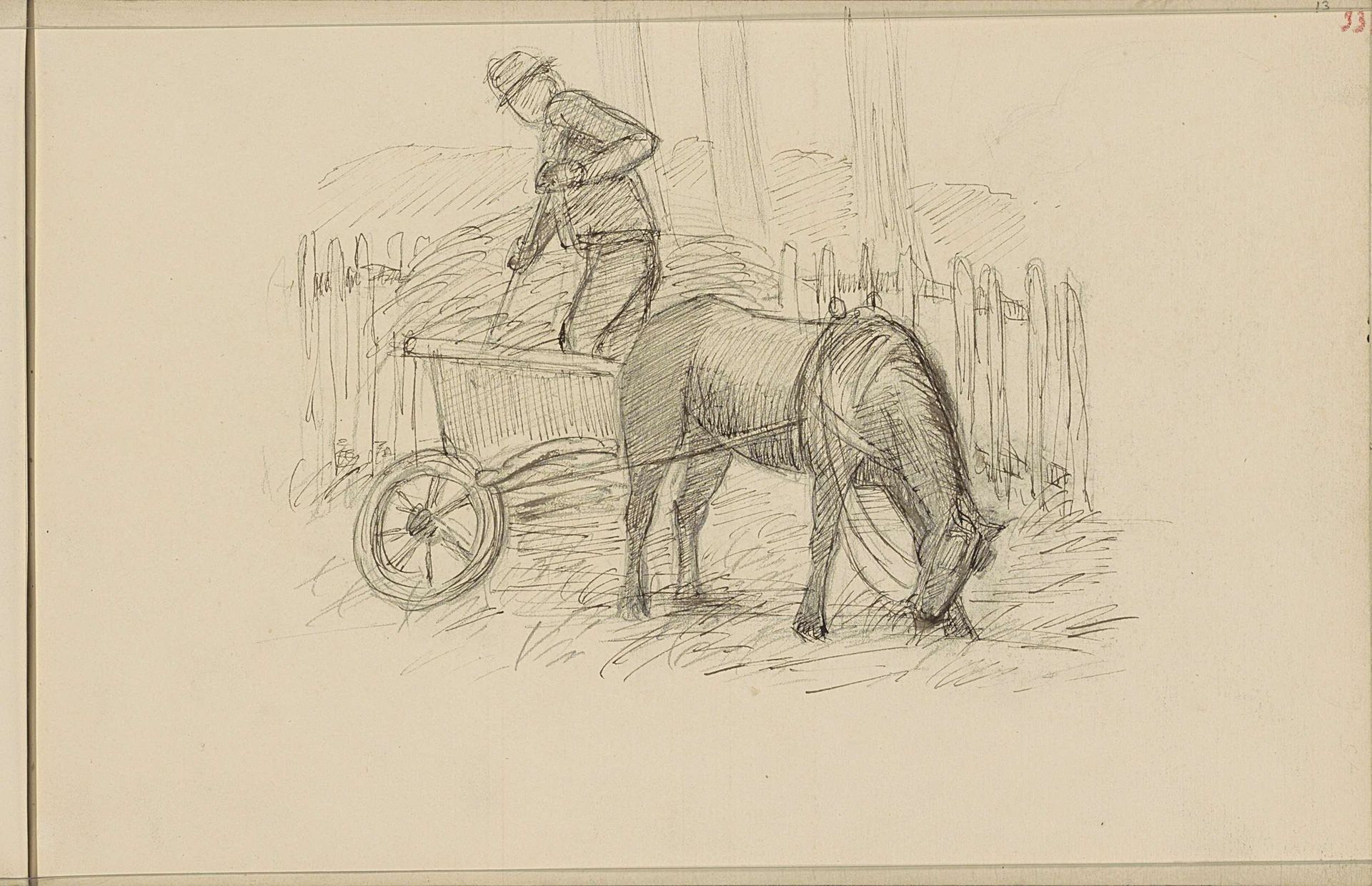
This sketch was created by Jozef Israëls, though the exact date is unknown, and it belongs to the collection of the Rijksmuseum. It's rendered in pencil, a humble material, yet capable of great expression. The marks on the page are economical, and reflect the artist's keen observation of the scene: a farmer loading hay onto a cart, drawn by a horse. The way the pencil lines vary in thickness and direction, creates a sense of volume and texture, describing the weight of the hay and the solidity of the horse. The subject itself speaks to labor, and the relationship between humans, animals, and the land. Israëls, known for his social realism, often depicted the lives of working-class people, elevating their everyday existence through his art. The sketch's quick, decisive lines suggest the urgency and rhythm of the farmer's work, and evoke the broader social context of rural life. By focusing on these subjects, Israëls blurred the lines between fine art and the realities of daily toil.
Boer die hooi harkt bij een paardenkar
1834 - 1911

Jozef Israëls
1824 - 1911Location
RijksmuseumArtwork details
- Medium
- drawing, pencil
- Location
- Rijksmuseum
- Copyright
- Rijks Museum: Open Domain
Tags
Comments
Share your thoughts
About this artwork
This sketch was created by Jozef Israëls, though the exact date is unknown, and it belongs to the collection of the Rijksmuseum. It's rendered in pencil, a humble material, yet capable of great expression. The marks on the page are economical, and reflect the artist's keen observation of the scene: a farmer loading hay onto a cart, drawn by a horse. The way the pencil lines vary in thickness and direction, creates a sense of volume and texture, describing the weight of the hay and the solidity of the horse. The subject itself speaks to labor, and the relationship between humans, animals, and the land. Israëls, known for his social realism, often depicted the lives of working-class people, elevating their everyday existence through his art. The sketch's quick, decisive lines suggest the urgency and rhythm of the farmer's work, and evoke the broader social context of rural life. By focusing on these subjects, Israëls blurred the lines between fine art and the realities of daily toil.
Comments
Share your thoughts