About this artwork
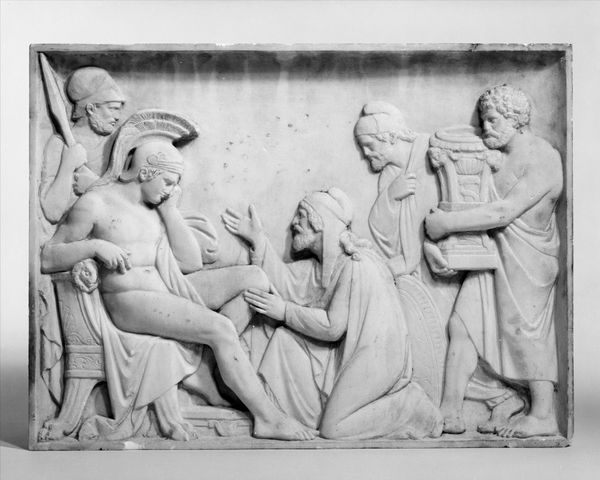
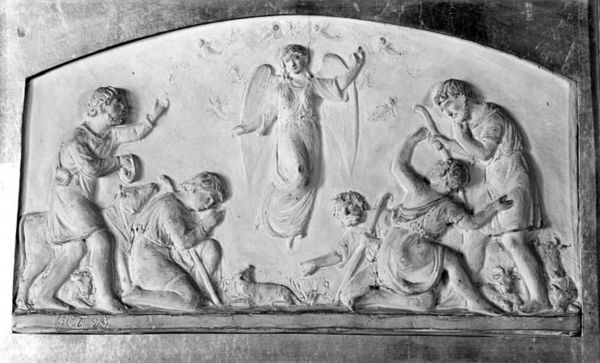
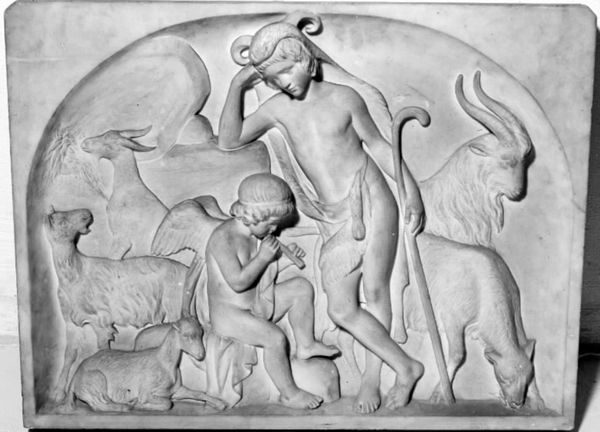
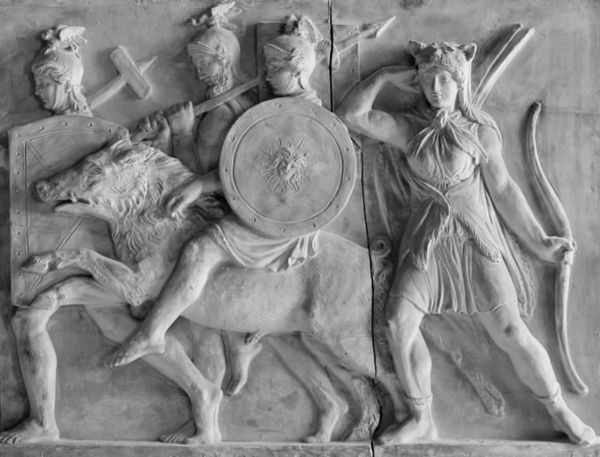
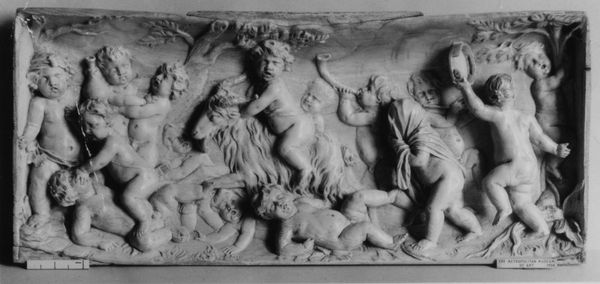
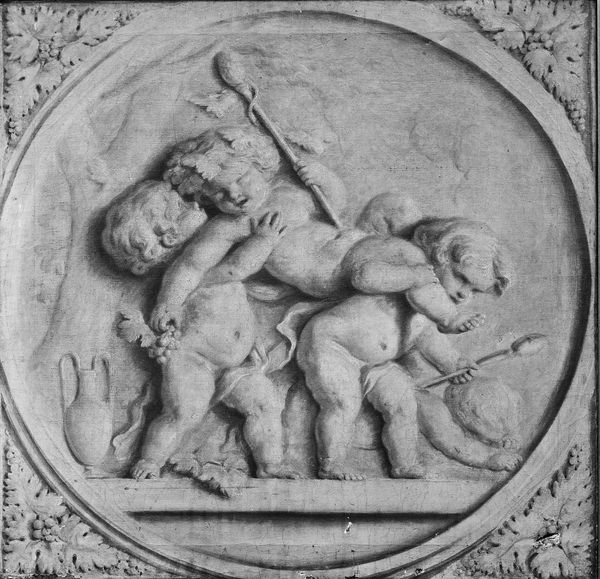
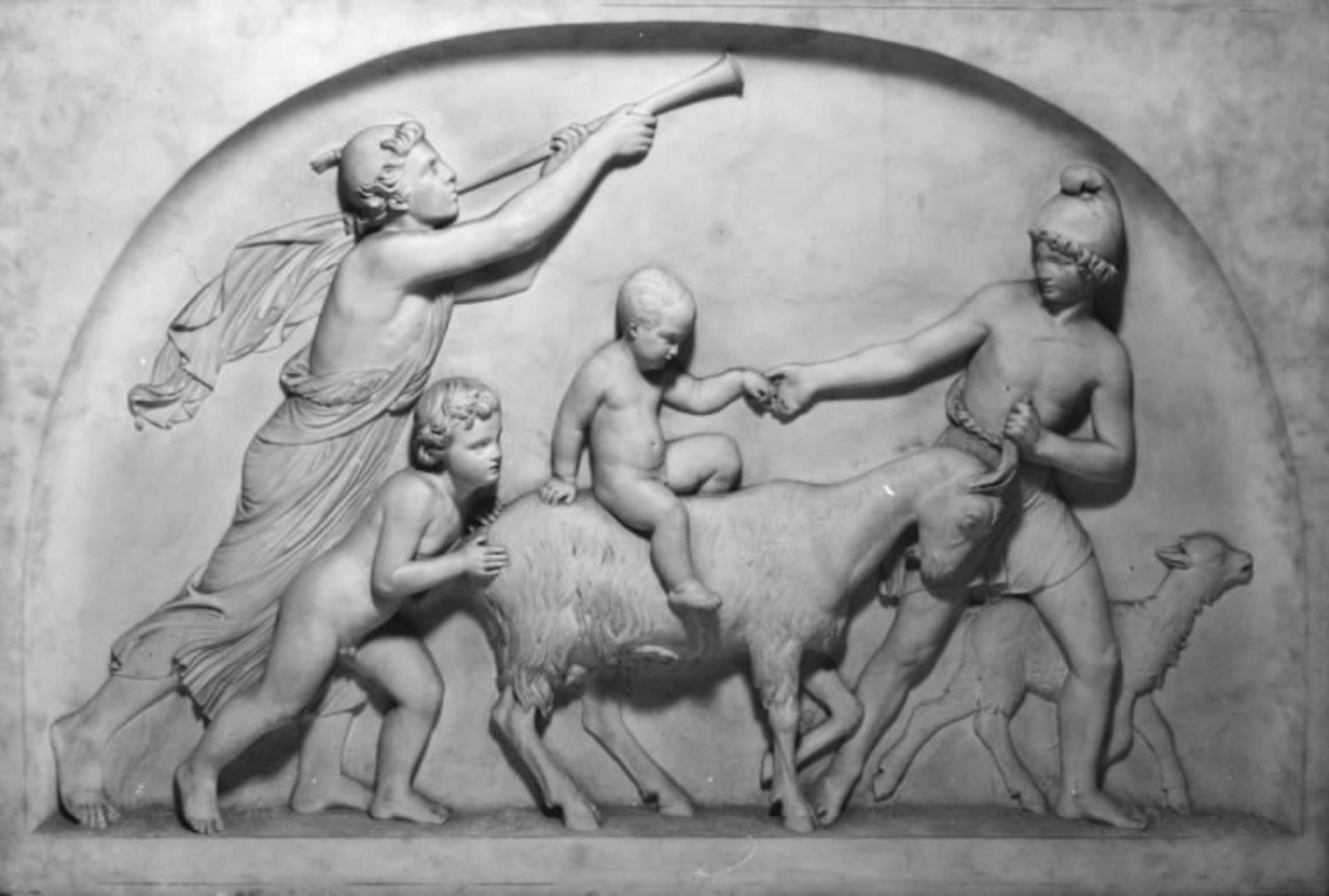
J. A. Jerichau created this artwork, "Boys Playing with a Goat," in Denmark, during the 19th century. The sculpture captures a seemingly simple scene of children enjoying a playful moment with animals. But let’s consider its social and cultural context. The artwork is steeped in classical references, recalling ancient Roman friezes, with an aesthetic that would have been familiar to audiences who were trained in the classics. The nakedness of the figures would have been considered progressive at the time, flying in the face of conservative moral codes. The classical style may be understood as a critique of the institutions of Jerichau’s day, turning back to a pre-Christian, pagan tradition that associated the body with beauty and playfulness, not sin. Historians can turn to sources such as letters and diaries, newspapers, and exhibition reviews, to get a sense of the way that art was perceived and debated at the time. Art always invites interpretation, and its meaning is contingent on historical and cultural context.
Drenge, der leger med en ged
1840s


Artwork details
- Medium
- relief, sculpture, marble
- Dimensions
- 82 cm (height) x 120.7 cm (width) x 8.5 cm (depth) (Netto)
- Location
- SMK - Statens Museum for Kunst
Tags
Comments
Share your thoughts
About this artwork
J. A. Jerichau created this artwork, "Boys Playing with a Goat," in Denmark, during the 19th century. The sculpture captures a seemingly simple scene of children enjoying a playful moment with animals. But let’s consider its social and cultural context. The artwork is steeped in classical references, recalling ancient Roman friezes, with an aesthetic that would have been familiar to audiences who were trained in the classics. The nakedness of the figures would have been considered progressive at the time, flying in the face of conservative moral codes. The classical style may be understood as a critique of the institutions of Jerichau’s day, turning back to a pre-Christian, pagan tradition that associated the body with beauty and playfulness, not sin. Historians can turn to sources such as letters and diaries, newspapers, and exhibition reviews, to get a sense of the way that art was perceived and debated at the time. Art always invites interpretation, and its meaning is contingent on historical and cultural context.
Comments
Share your thoughts