About this artwork
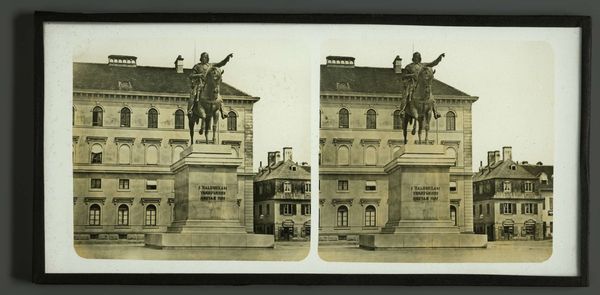
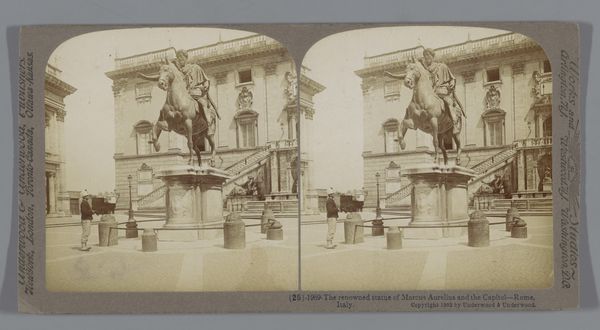
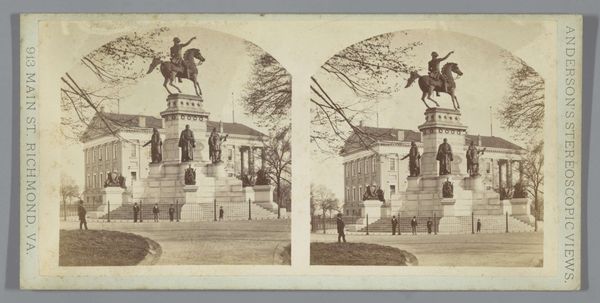
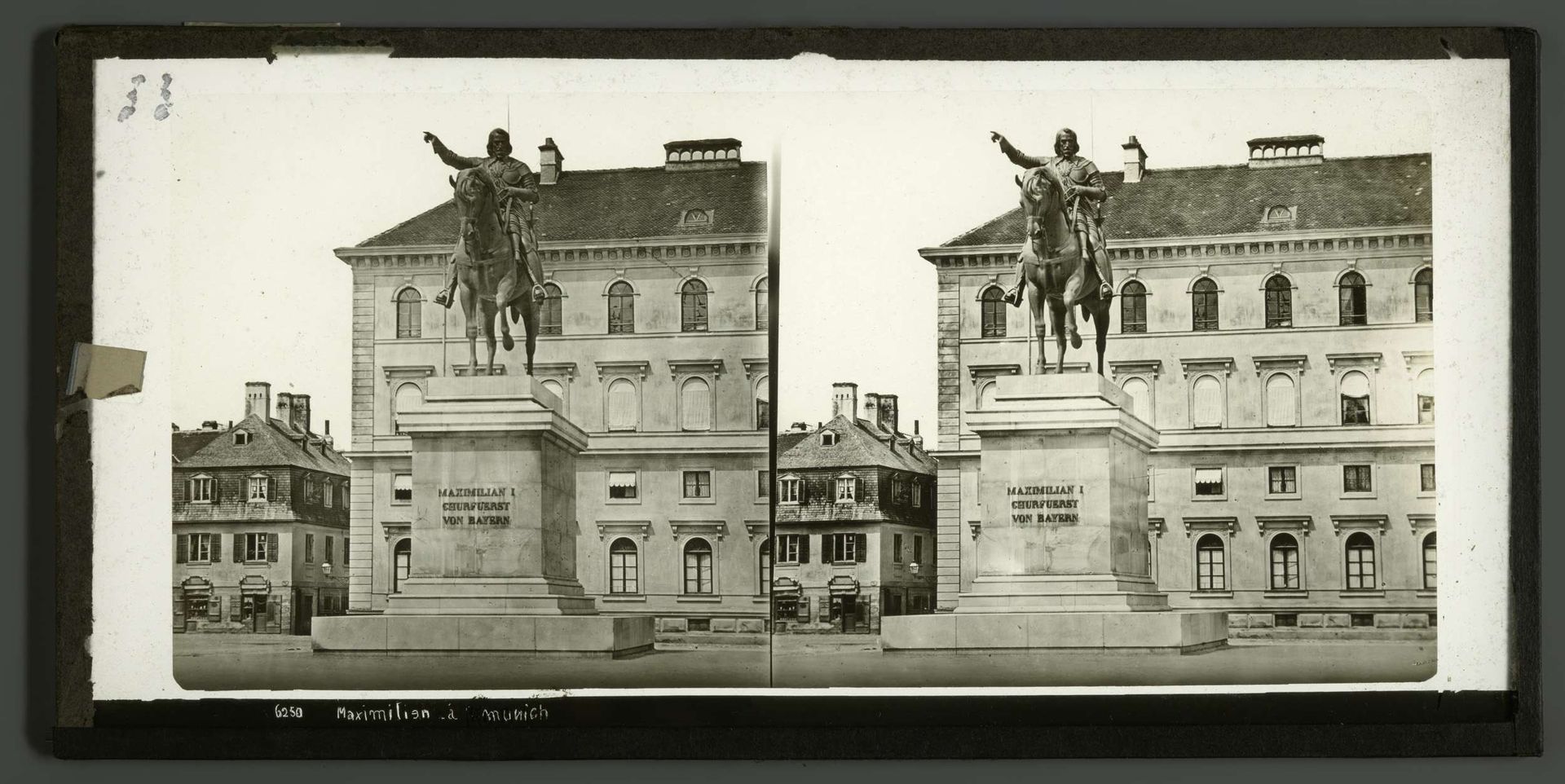
This photograph captures the equestrian statue of Maximilian I of Bavaria in Munich. Dominating the Wittelsbacherplatz, this monument embodies power, with Maximilian, the Duke of Bavaria, mounted high on horseback. His raised hand is not merely a gesture; it's a symbol laden with historical weight. Consider the Roman emperors, whose statues often featured a similar pose, signifying command and dominion. This motif of the raised hand appears throughout history, evolving from a declaration of power to a gesture of leadership or benediction. One can trace echoes of it in Renaissance paintings and even in modern political imagery, each iteration subtly altered by cultural and historical context. The horse, too, is a powerful symbol, representing strength, nobility, and control. Together, man and beast form an imposing image, designed to evoke awe and respect. It’s a carefully constructed spectacle, tapping into our collective memory and subconscious understanding of power dynamics. This image resonates with a primal need for order and authority, a force that continues to shape our world.
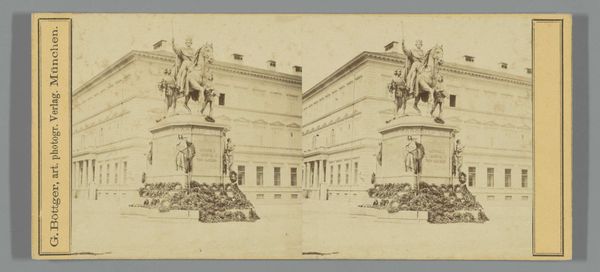
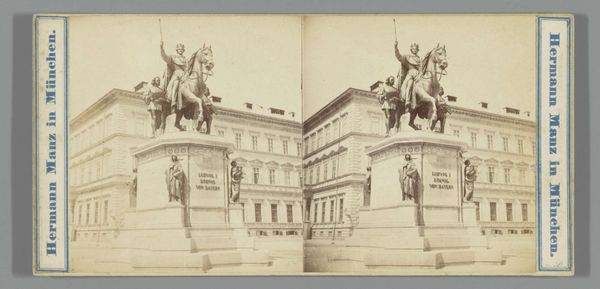
Ruiterstandbeeld van Maximiliaan I van Beieren op het Wittelsbacherplatz in München
1860 - 1890

Anonymous
@anonymousLocation
RijksmuseumArtwork details
- Medium
- print, metal, photography, sculpture
- Dimensions
- height 85 mm, width 170 mm
- Location
- Rijksmuseum
- Copyright
- Rijks Museum: Open Domain
Tags
Comments
Share your thoughts
About this artwork
This photograph captures the equestrian statue of Maximilian I of Bavaria in Munich. Dominating the Wittelsbacherplatz, this monument embodies power, with Maximilian, the Duke of Bavaria, mounted high on horseback. His raised hand is not merely a gesture; it's a symbol laden with historical weight. Consider the Roman emperors, whose statues often featured a similar pose, signifying command and dominion. This motif of the raised hand appears throughout history, evolving from a declaration of power to a gesture of leadership or benediction. One can trace echoes of it in Renaissance paintings and even in modern political imagery, each iteration subtly altered by cultural and historical context. The horse, too, is a powerful symbol, representing strength, nobility, and control. Together, man and beast form an imposing image, designed to evoke awe and respect. It’s a carefully constructed spectacle, tapping into our collective memory and subconscious understanding of power dynamics. This image resonates with a primal need for order and authority, a force that continues to shape our world.
Comments
Share your thoughts