About this artwork
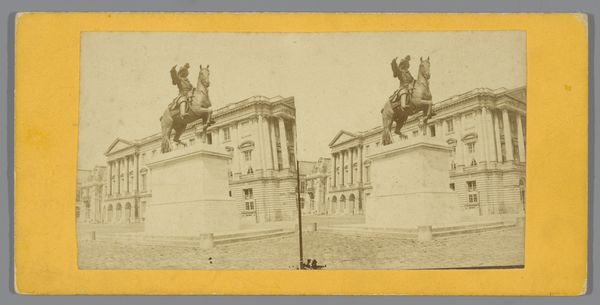
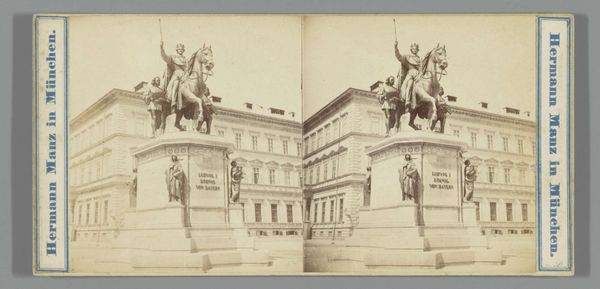
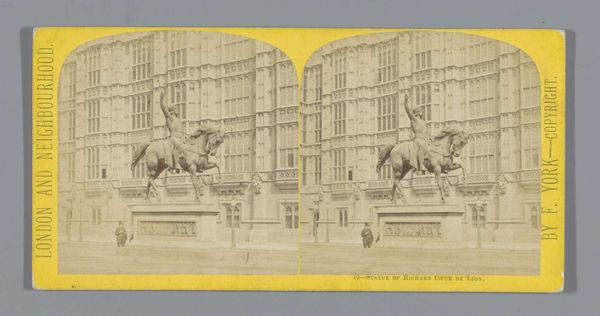
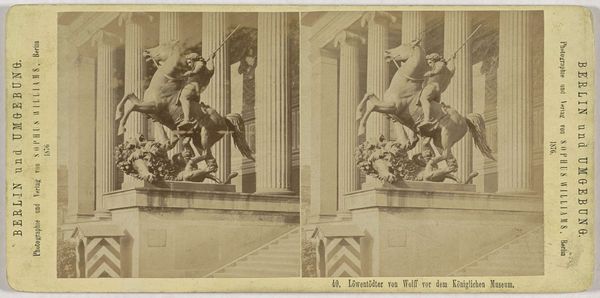
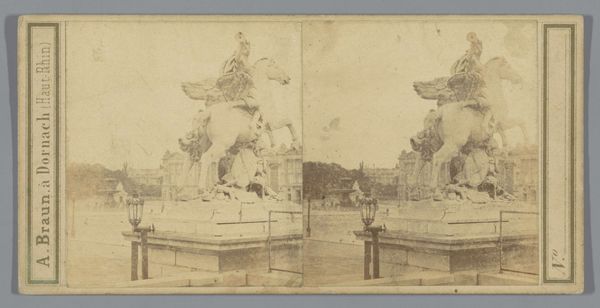
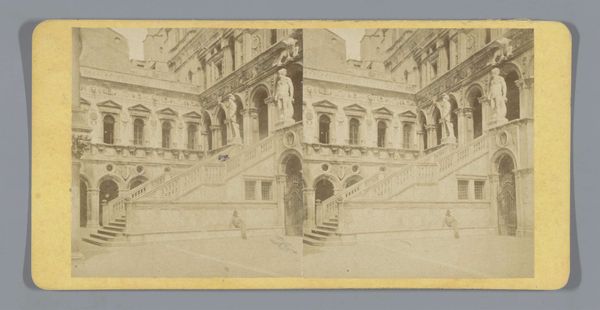
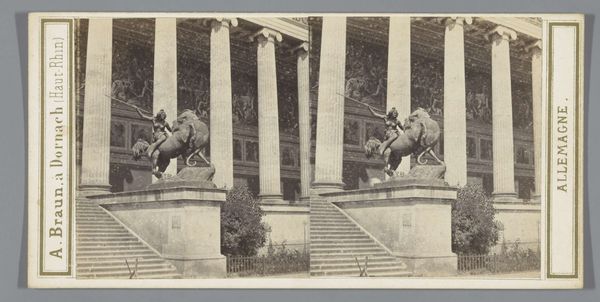
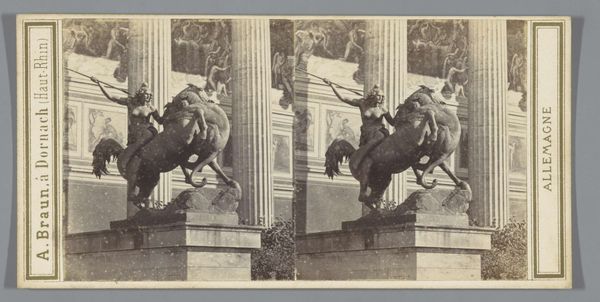
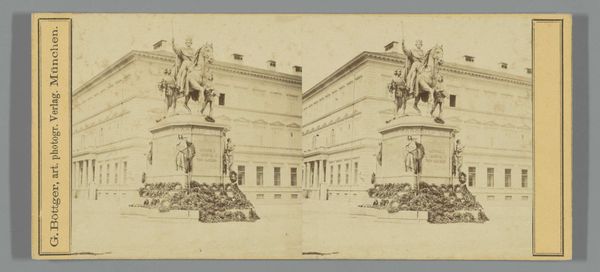
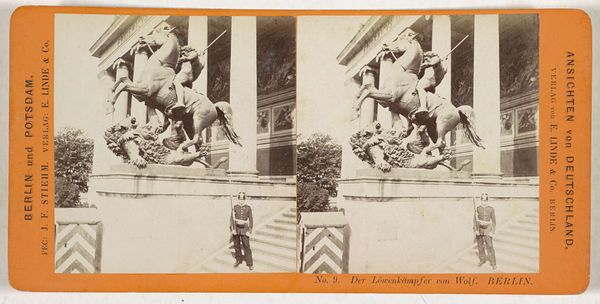
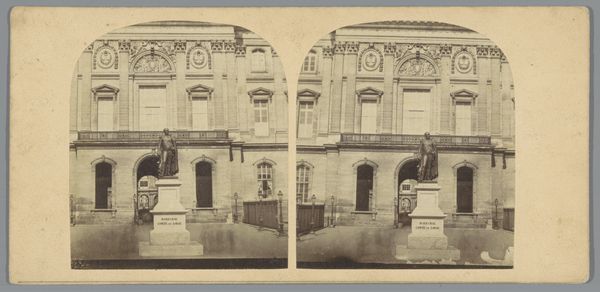
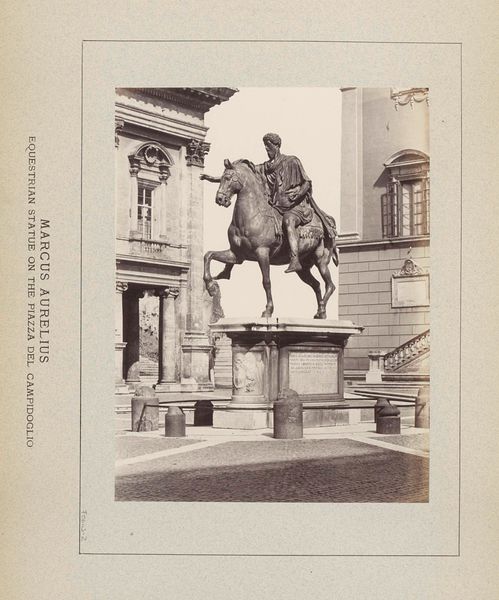
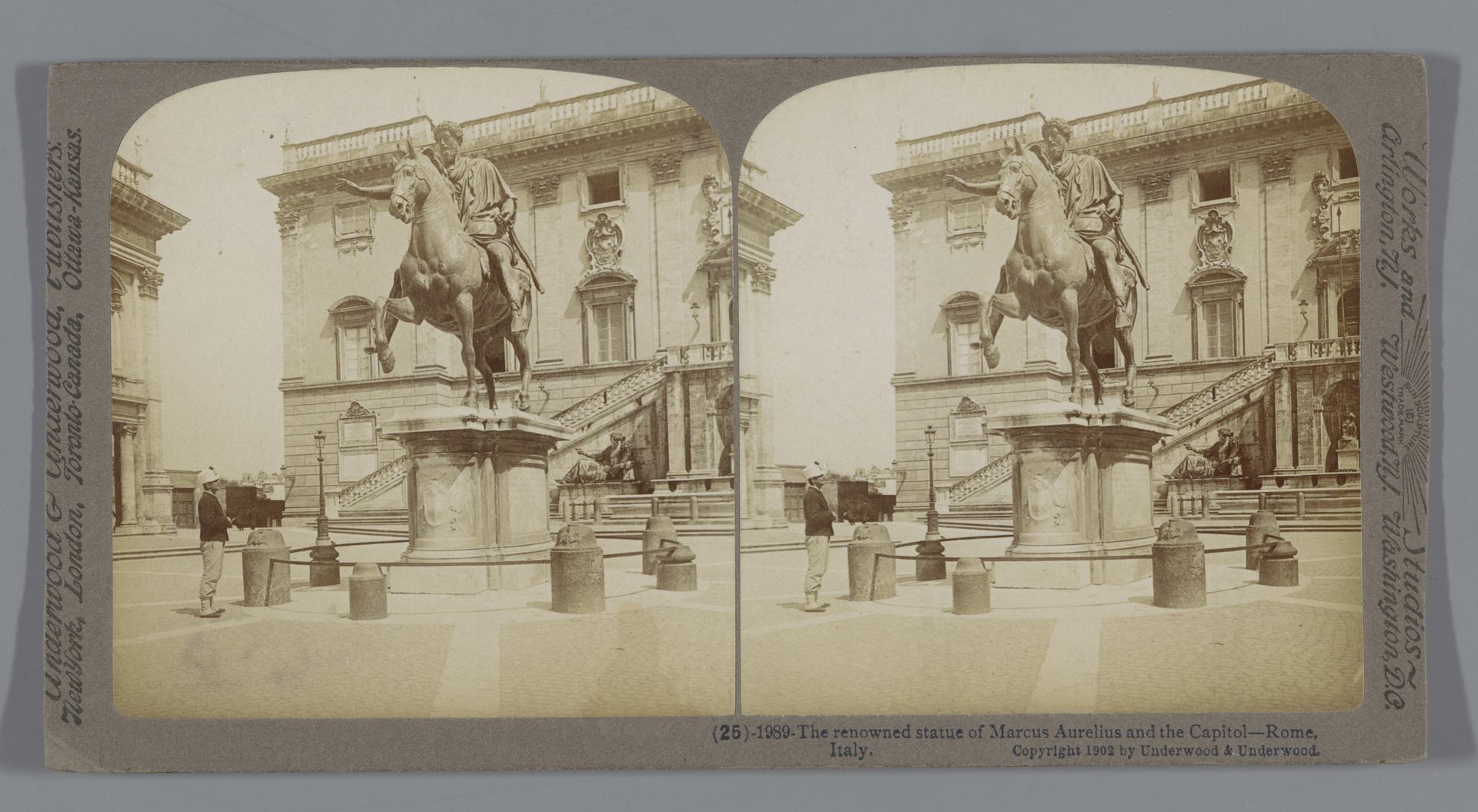
This old photograph captures the Ruiterstandbeeld van Marcus Aurelius op het Piazza del Campidoglio te Rome. The grayscale tones render the scene timeless, focusing our attention on form and shadow. Look closely at the base of the statue; it's not just a pedestal, but a textured, almost living form. The way the light catches the edges suggests a history, a layering of moments, much like the way we build up a painting. It reminds me that art-making is not about perfect rendering, but about the accumulation of gestures. Consider also, the anonymous nature of the photographer. They allow us to see a historical moment captured in time, but that is also reflective of our own time, as viewers. We each bring our own perspectives to this image, enriching and complicating it, because art is a conversation, not a monologue. It thrives on ambiguity, inviting endless interpretations.
Ruiterstandbeeld van Marcus Aurelius op het Piazza del Campidoglio te Rome
1902

Artwork details
- Medium
- photography, sculpture
- Dimensions
- height 85 mm, width 170 mm
- Copyright
- Rijks Museum: Open Domain
Tags
Comments
Share your thoughts
About this artwork
This old photograph captures the Ruiterstandbeeld van Marcus Aurelius op het Piazza del Campidoglio te Rome. The grayscale tones render the scene timeless, focusing our attention on form and shadow. Look closely at the base of the statue; it's not just a pedestal, but a textured, almost living form. The way the light catches the edges suggests a history, a layering of moments, much like the way we build up a painting. It reminds me that art-making is not about perfect rendering, but about the accumulation of gestures. Consider also, the anonymous nature of the photographer. They allow us to see a historical moment captured in time, but that is also reflective of our own time, as viewers. We each bring our own perspectives to this image, enriching and complicating it, because art is a conversation, not a monologue. It thrives on ambiguity, inviting endless interpretations.
Comments
Share your thoughts