About this artwork
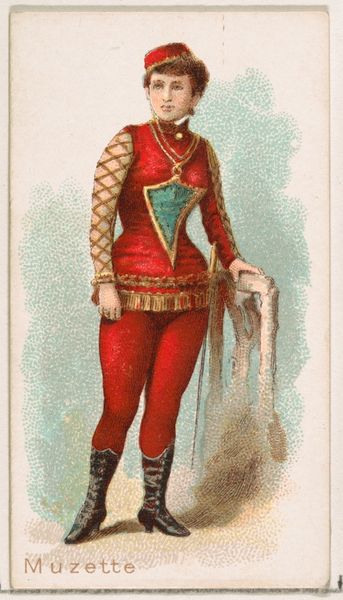
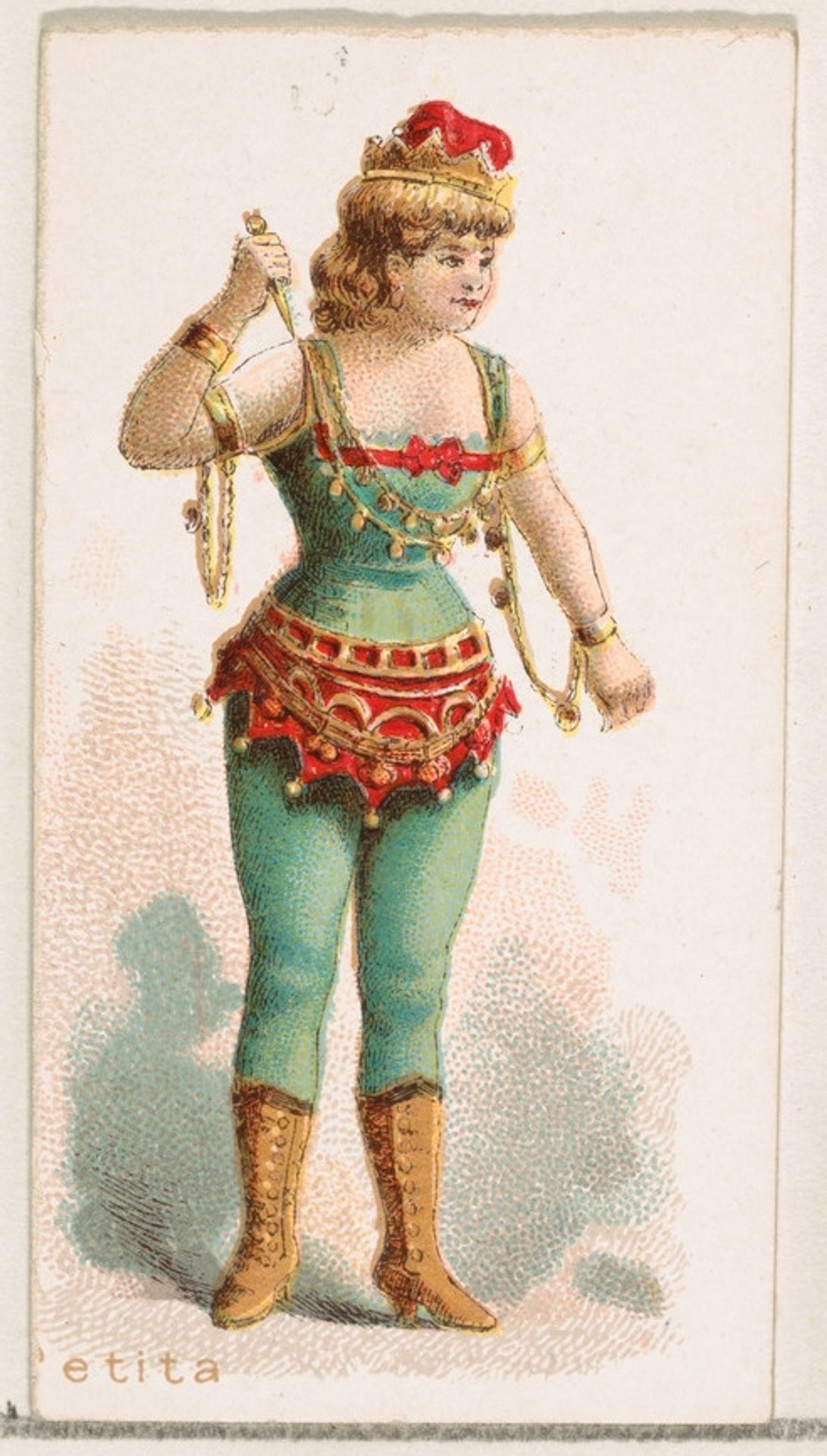
This chromolithograph of Petita, from the Ballet Queens series, was created by the Wm. S. Kimball & Co. Observe the dagger Petita holds—a symbol laden with meaning that echoes through history. Daggers are not merely weapons; they represent power, betrayal, and dramatic action. We see such a symbol wielded by Lady Macbeth, inciting murder and madness, or brandished by Salome, demanding the head of John the Baptist. The ballet dancer, a vision of controlled grace, holds this instrument of potential chaos. The image evokes complex feelings, from fascination to apprehension. This juxtaposition reminds us of the deep-seated human fascination with the interplay between beauty and danger. Such imagery transcends its immediate context and speaks to the darker undercurrents of human experience, revealing the persistent power of symbols to engage our subconscious.
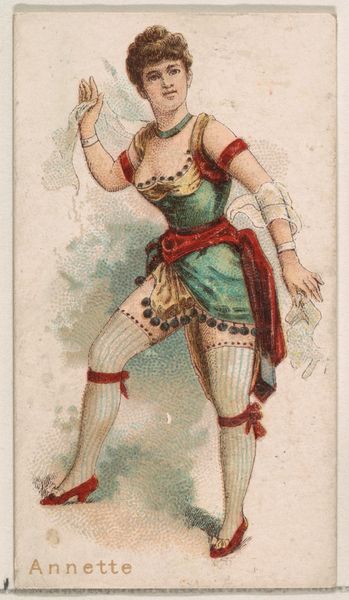
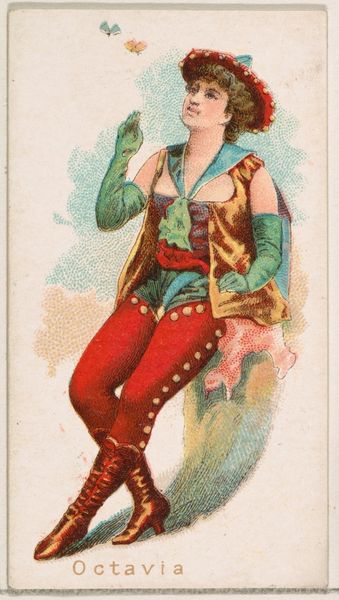
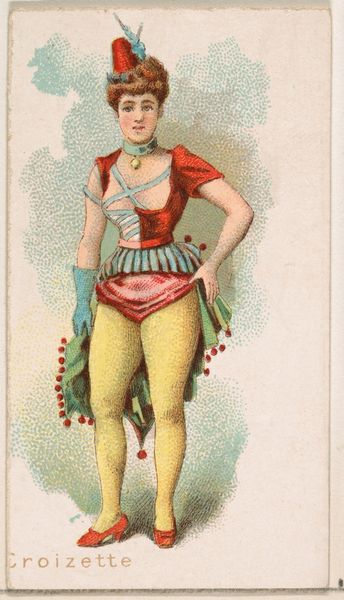
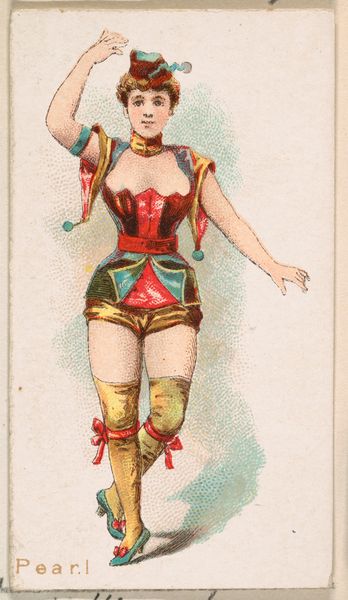
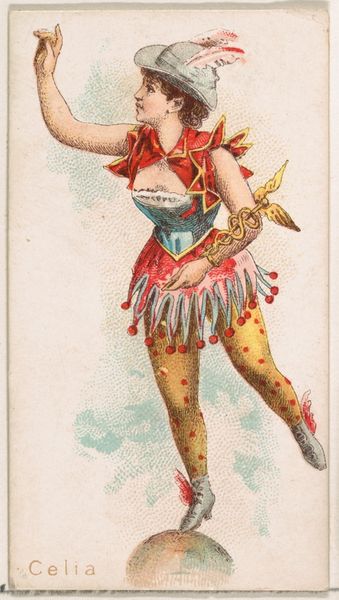
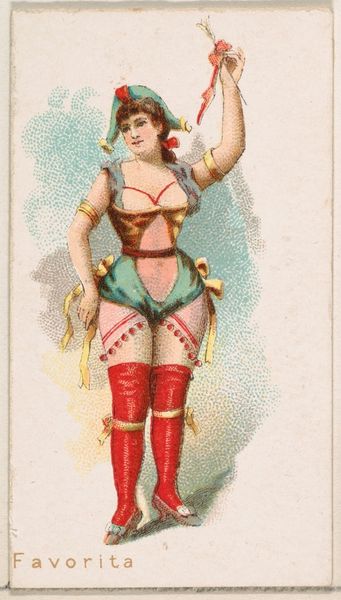
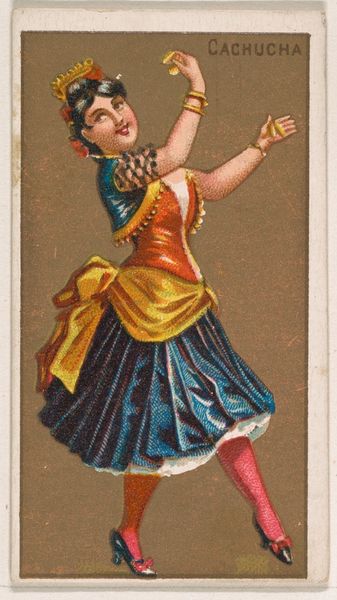
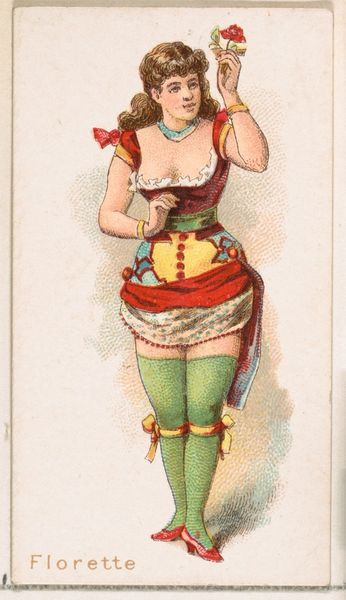
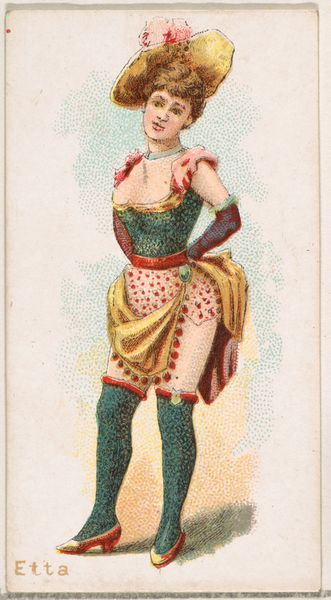
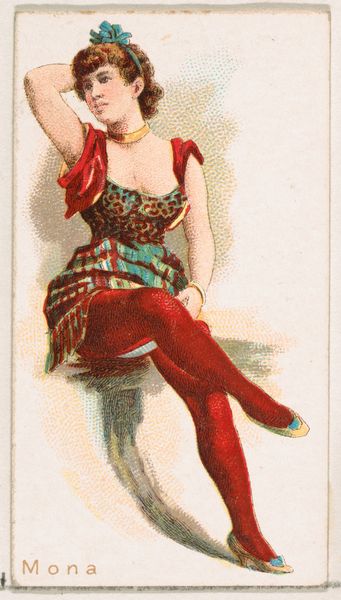
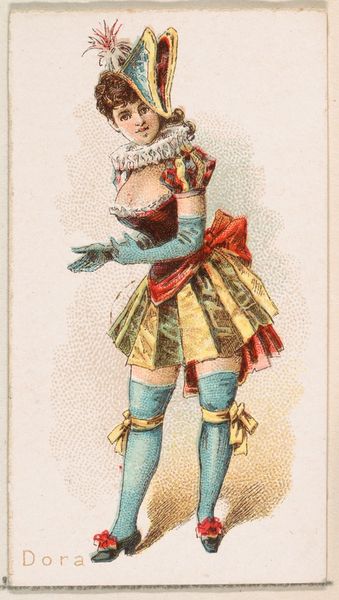
Petita, from the Ballet Queens series (N182) issued by Wm. S. Kimball & Co.
1889

William S. Kimball & Company
@williamskimballcompany
The Metropolitan Museum of Art
Metropolitan Museum of Art, New York, NYArtwork details
- Medium
- drawing, coloured-pencil, print, gouache
- Dimensions
- Sheet: 2 3/4 × 1 1/2 in. (7 × 3.8 cm)
- Location
- Metropolitan Museum of Art, New York, NY
- Copyright
- Public Domain
Tags
Comments
Share your thoughts
About this artwork
This chromolithograph of Petita, from the Ballet Queens series, was created by the Wm. S. Kimball & Co. Observe the dagger Petita holds—a symbol laden with meaning that echoes through history. Daggers are not merely weapons; they represent power, betrayal, and dramatic action. We see such a symbol wielded by Lady Macbeth, inciting murder and madness, or brandished by Salome, demanding the head of John the Baptist. The ballet dancer, a vision of controlled grace, holds this instrument of potential chaos. The image evokes complex feelings, from fascination to apprehension. This juxtaposition reminds us of the deep-seated human fascination with the interplay between beauty and danger. Such imagery transcends its immediate context and speaks to the darker undercurrents of human experience, revealing the persistent power of symbols to engage our subconscious.
Comments
Share your thoughts