About this artwork
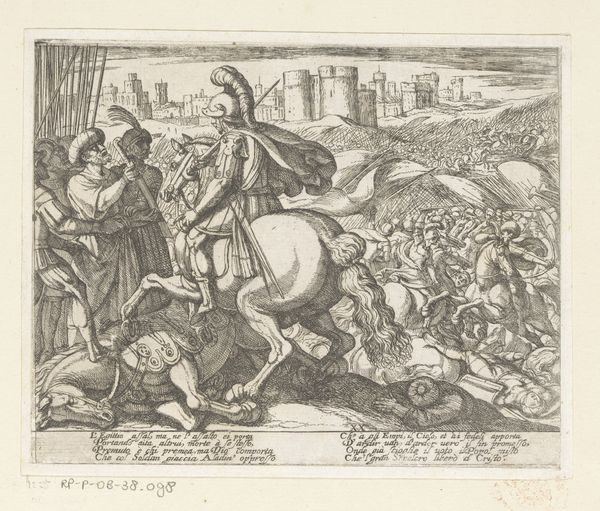
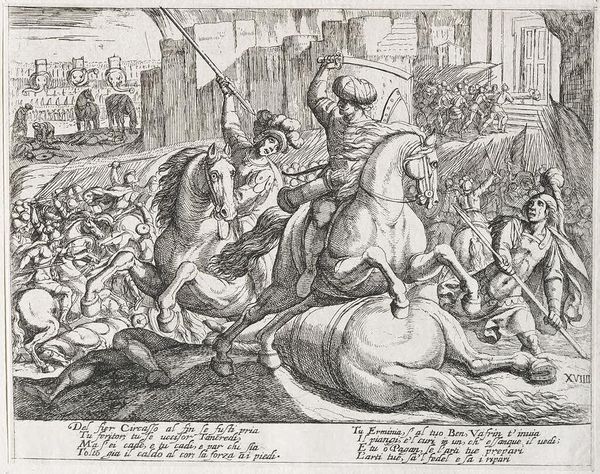
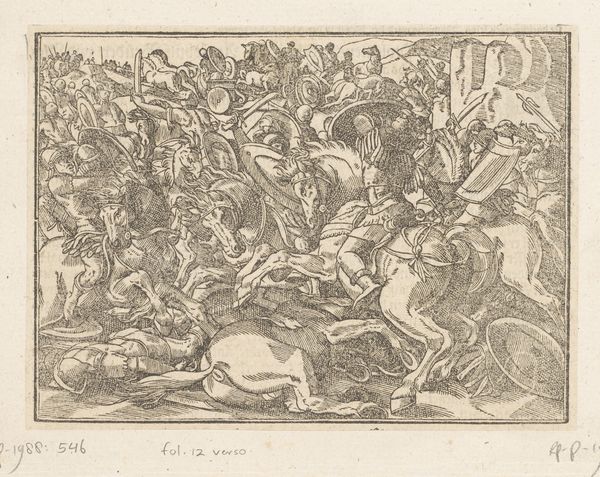
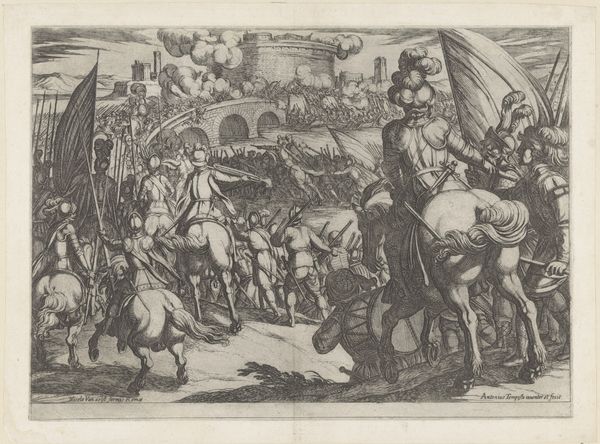
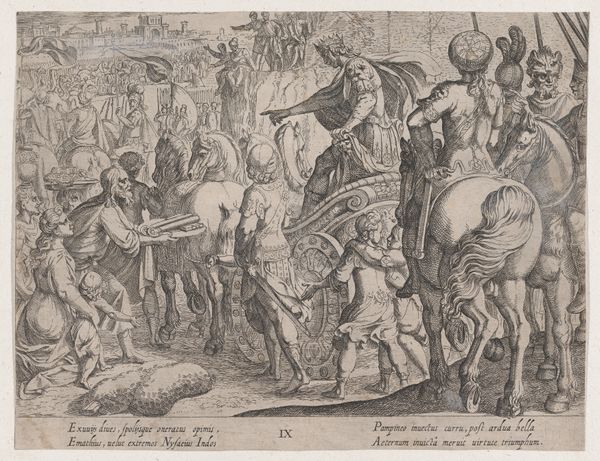
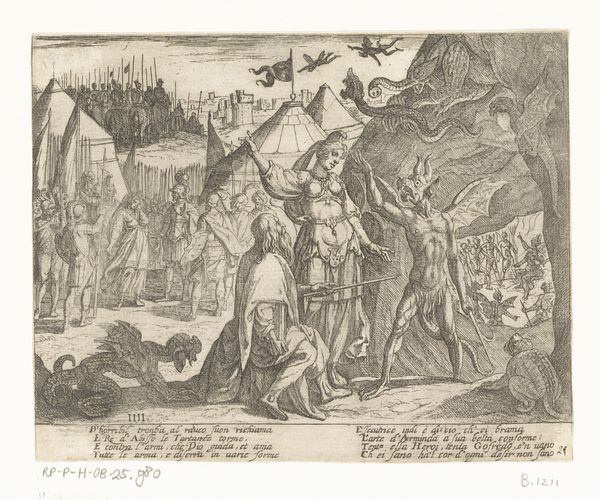
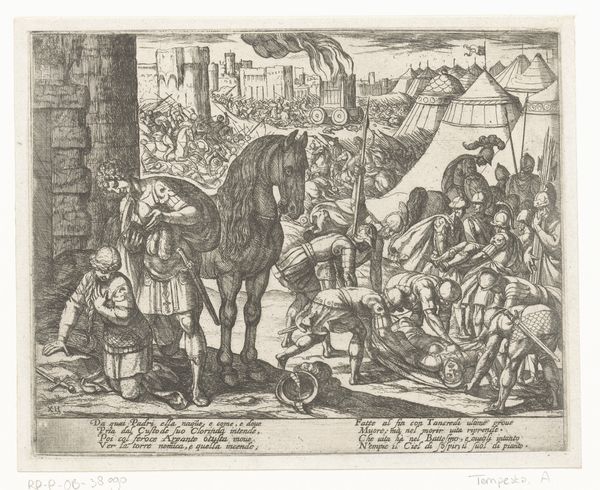
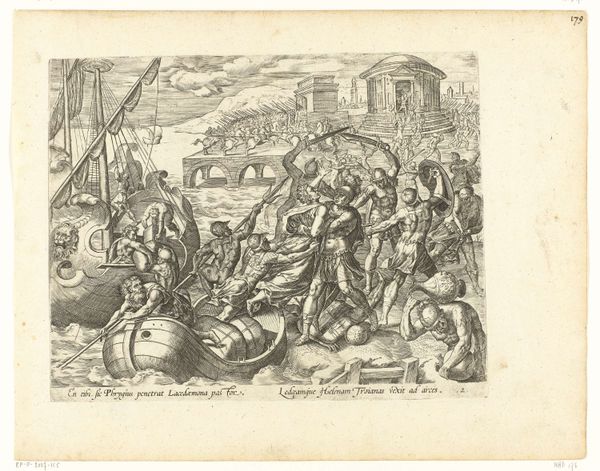
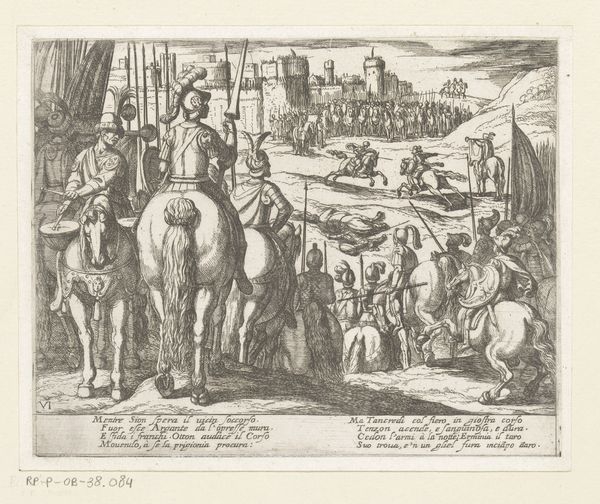
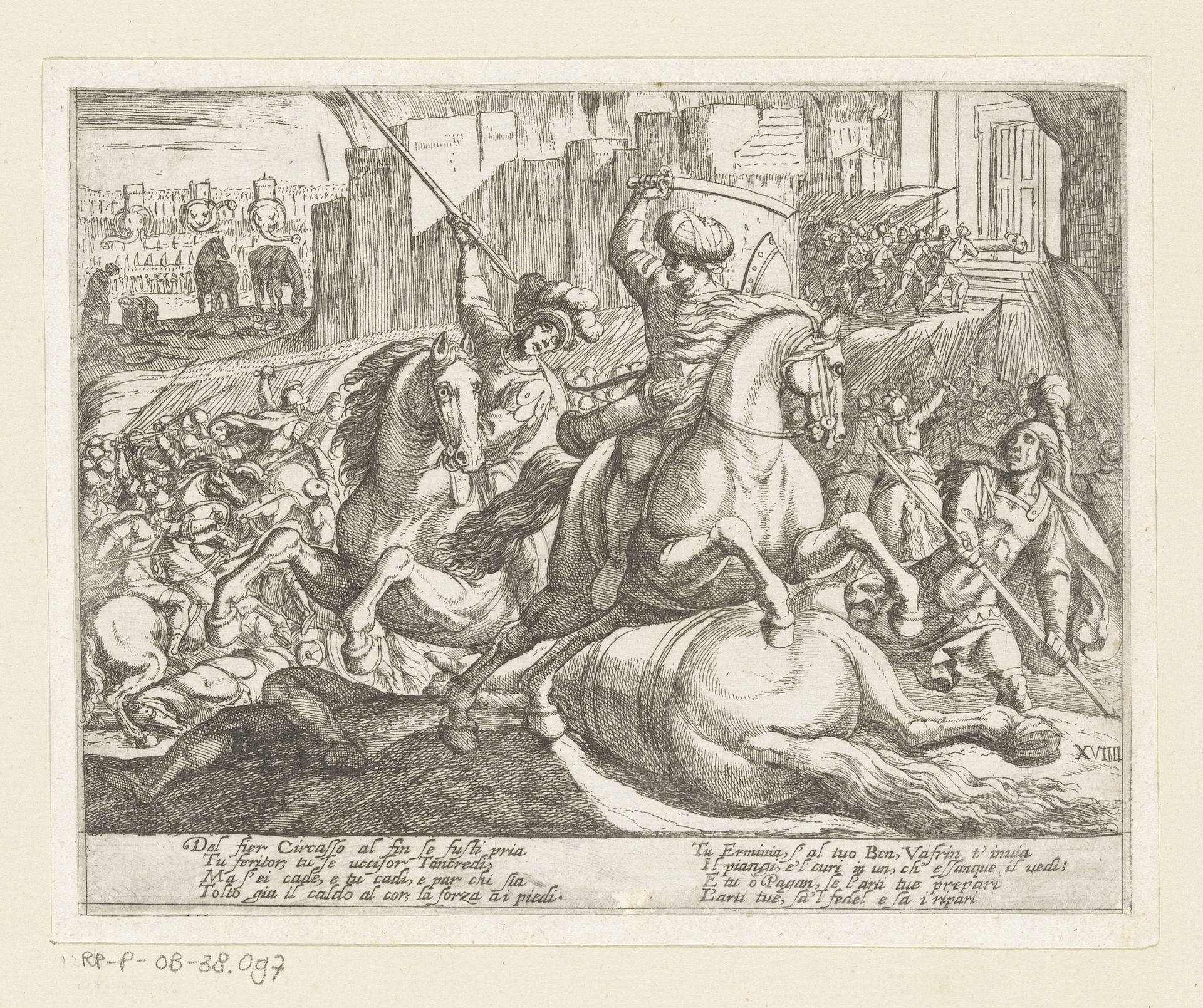
This engraving, *Illustration for Canto XIX of Tasso’s ‘Gerusalemme Liberata’*, was made by Antonio Tempesta in the late 16th or early 17th century. Tempesta lived in Florence and Rome during a period of immense religious and political conflict, including the Counter-Reformation and the expansion of the Ottoman Empire. The print depicts a scene from Torquato Tasso's epic poem, in which the crusader army battles the Muslims for control of Jerusalem. We see the chaos of battle: charging horses, fallen soldiers, and hand-to-hand combat. The figures are rendered with a dramatic intensity, capturing the emotional and physical violence of war. Tempesta’s choice to depict this battle reflects the historical tensions between Christianity and Islam, framing it as a heroic struggle against a foreign enemy. In the context of early modern Europe, such imagery served to reinforce cultural and religious identities, often casting the East as 'other' and legitimizing Western expansion and dominance. This print invites us to reflect on how historical narratives shape our understanding of cultural and political relationships, then and now.
Illustratie bij Canto XIX van Tasso's 'Gerusalemme Liberata'
1565 - 1630

Antonio Tempesta
1555 - 1630Location
RijksmuseumArtwork details
- Medium
- print, etching, engraving
- Dimensions
- height 145 mm, width 184 mm
- Location
- Rijksmuseum
- Copyright
- Rijks Museum: Open Domain
Tags
Comments
Share your thoughts
About this artwork
This engraving, *Illustration for Canto XIX of Tasso’s ‘Gerusalemme Liberata’*, was made by Antonio Tempesta in the late 16th or early 17th century. Tempesta lived in Florence and Rome during a period of immense religious and political conflict, including the Counter-Reformation and the expansion of the Ottoman Empire. The print depicts a scene from Torquato Tasso's epic poem, in which the crusader army battles the Muslims for control of Jerusalem. We see the chaos of battle: charging horses, fallen soldiers, and hand-to-hand combat. The figures are rendered with a dramatic intensity, capturing the emotional and physical violence of war. Tempesta’s choice to depict this battle reflects the historical tensions between Christianity and Islam, framing it as a heroic struggle against a foreign enemy. In the context of early modern Europe, such imagery served to reinforce cultural and religious identities, often casting the East as 'other' and legitimizing Western expansion and dominance. This print invites us to reflect on how historical narratives shape our understanding of cultural and political relationships, then and now.
Comments
Share your thoughts