About this artwork
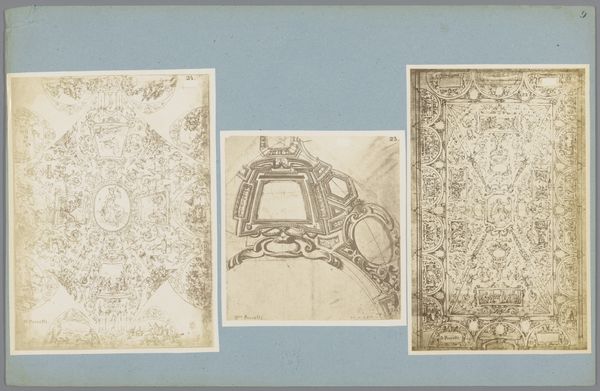
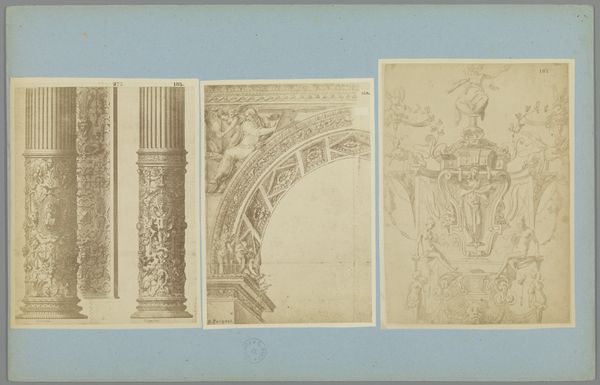
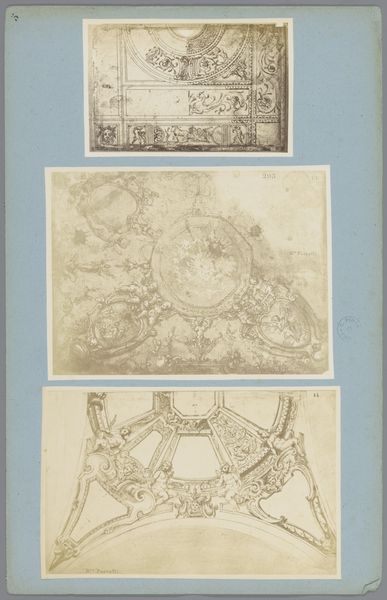
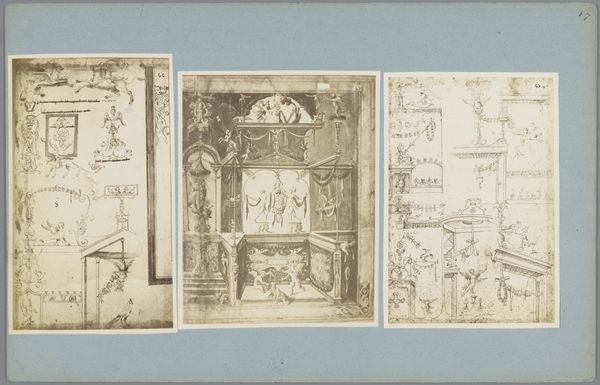
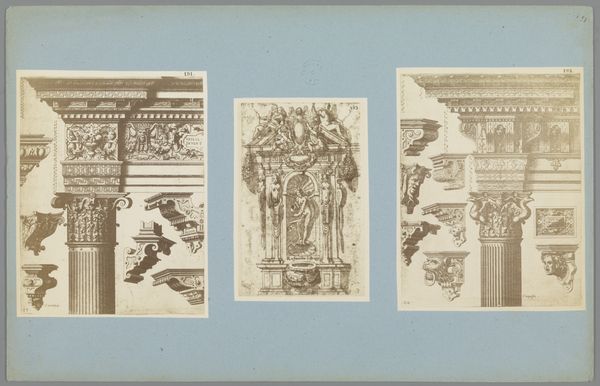
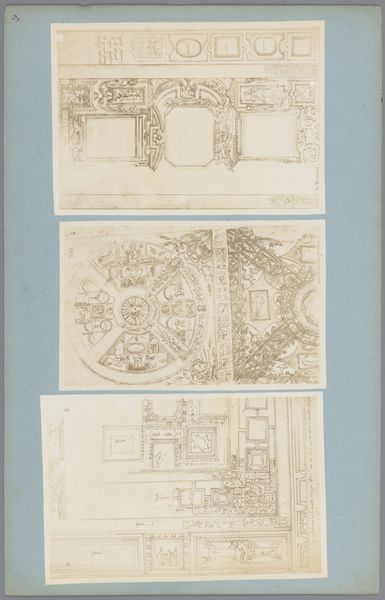
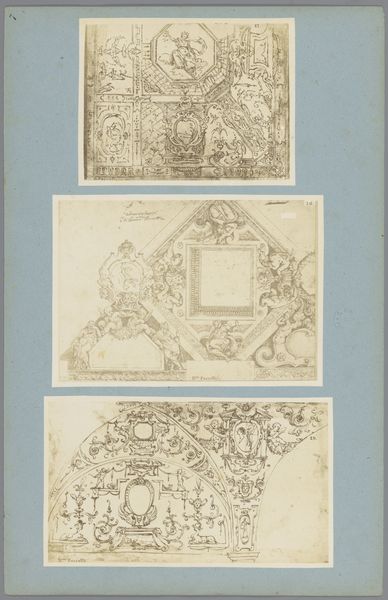
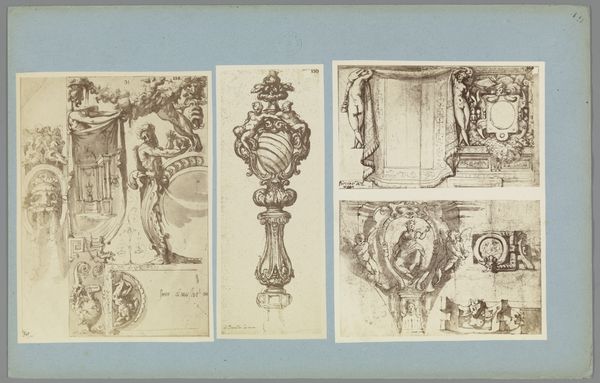
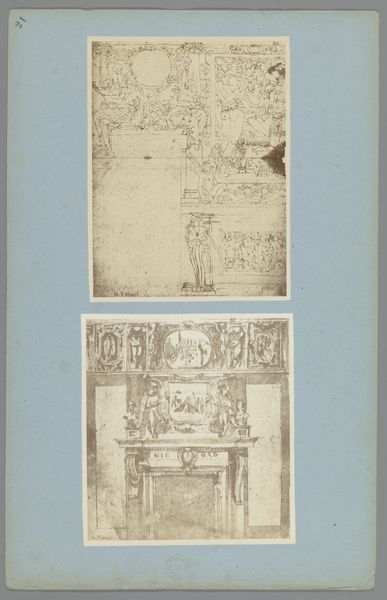
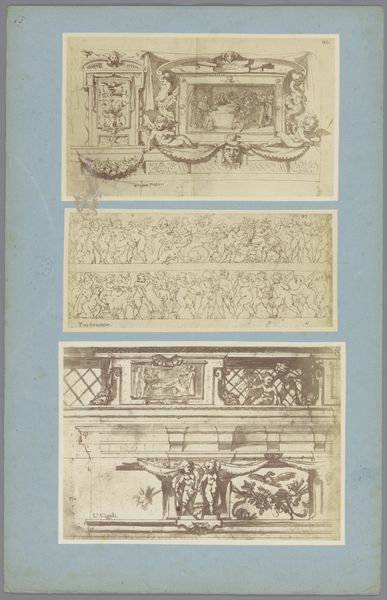
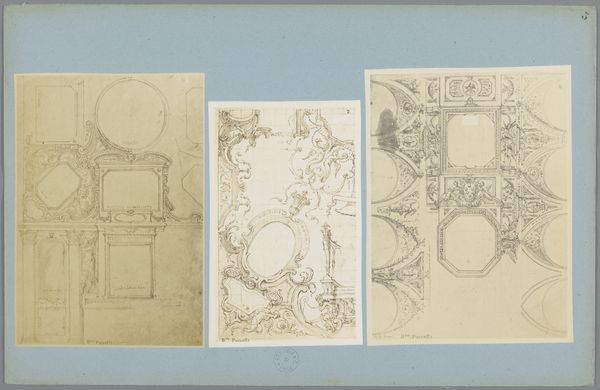
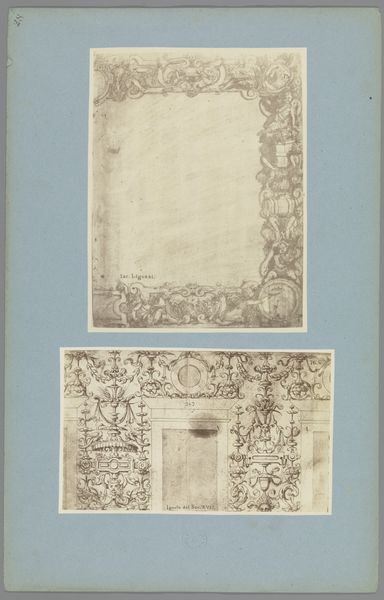
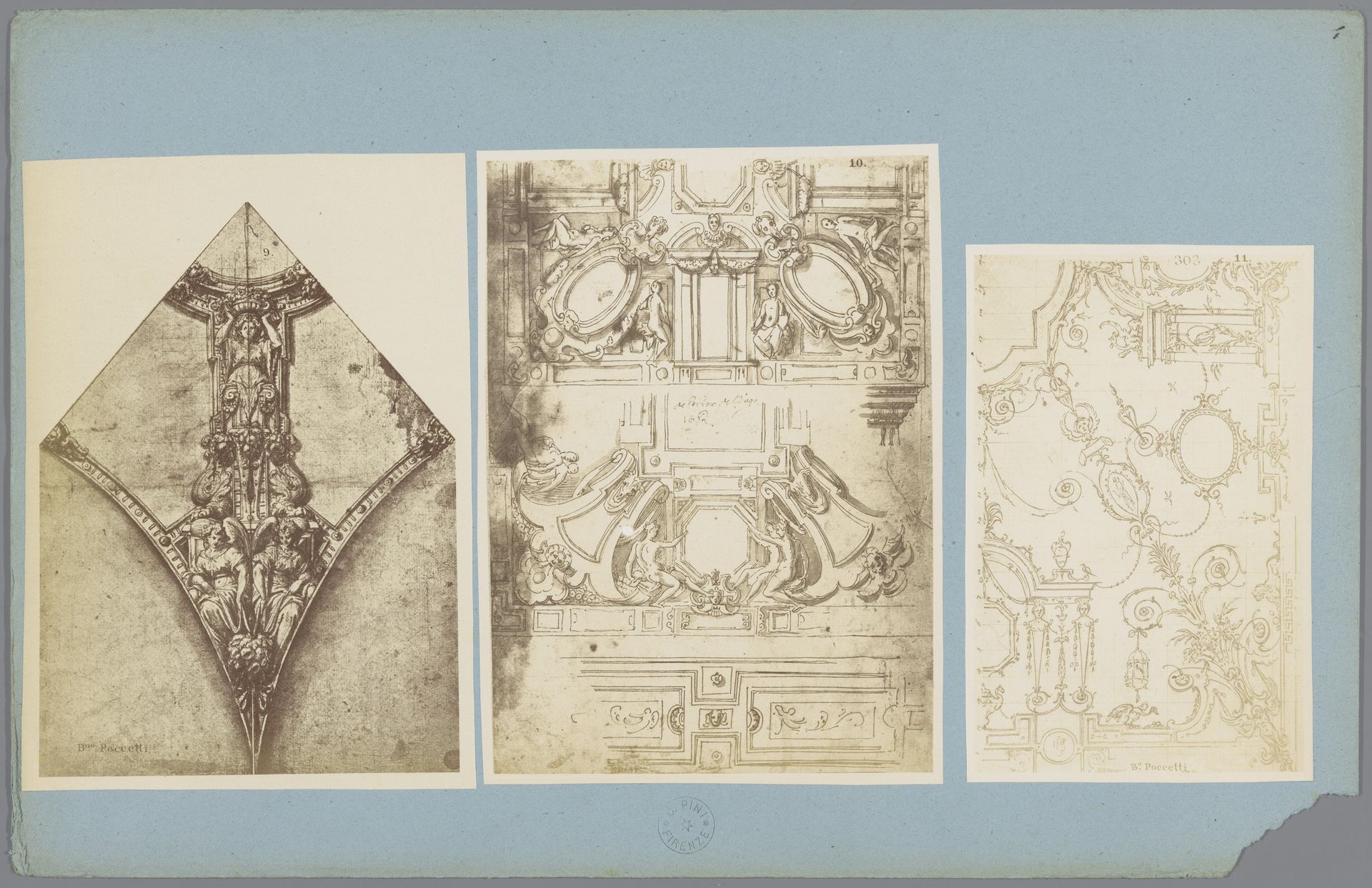
These three photographic reproductions of ornament drawings, likely intended for wall decorations, offer us a glimpse into the world of interior design and artistic patronage. We see classical motifs, suggesting an origin in Europe. The drawings echo the Renaissance revival of classical forms, but to understand them fully we need to dig deeper. Who commissioned these designs? What kind of spaces were they meant to adorn? The presence of these drawings speaks to the social structures of the time, where wealth and status were often displayed through elaborate ornamentation. Ornament became a popular feature of elite interiors during the Early Modern era as the newly rich merchant classes sought to emulate the decoration of royal palaces and aristocratic homes. By researching period pattern books, architectural treatises, and estate records, we can uncover the social life of these designs and their place in a larger history of taste and consumption. Art, after all, never exists in a vacuum.
Drie fotoreproducties van ornamenttekeningen, vermoedelijk wanddecoraties
c. 1875 - 1900

Artwork details
- Medium
- drawing, print, photography
- Dimensions
- height 320 mm, width 499 mm
- Copyright
- Rijks Museum: Open Domain
Tags
drawing
photography
decorative-art
Comments
Be the first to share your thoughts about this work.
About this artwork
These three photographic reproductions of ornament drawings, likely intended for wall decorations, offer us a glimpse into the world of interior design and artistic patronage. We see classical motifs, suggesting an origin in Europe. The drawings echo the Renaissance revival of classical forms, but to understand them fully we need to dig deeper. Who commissioned these designs? What kind of spaces were they meant to adorn? The presence of these drawings speaks to the social structures of the time, where wealth and status were often displayed through elaborate ornamentation. Ornament became a popular feature of elite interiors during the Early Modern era as the newly rich merchant classes sought to emulate the decoration of royal palaces and aristocratic homes. By researching period pattern books, architectural treatises, and estate records, we can uncover the social life of these designs and their place in a larger history of taste and consumption. Art, after all, never exists in a vacuum.
Comments
Be the first to share your thoughts about this work.