About this artwork
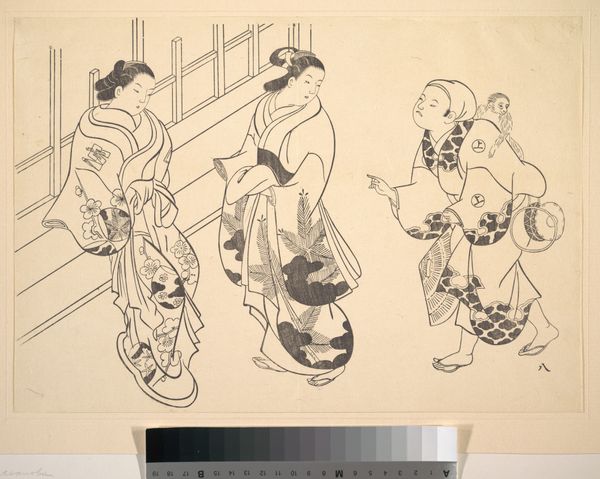
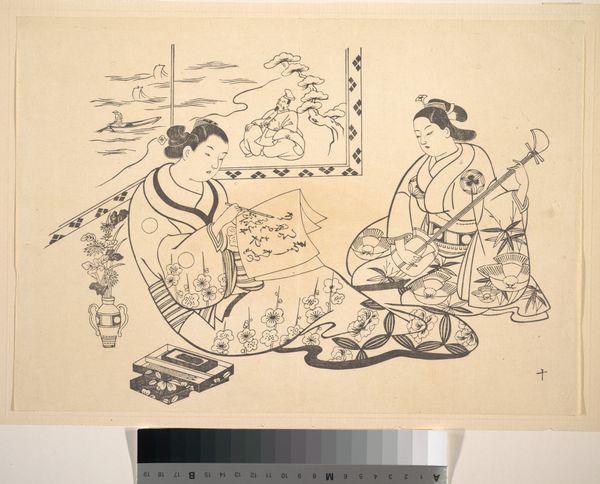
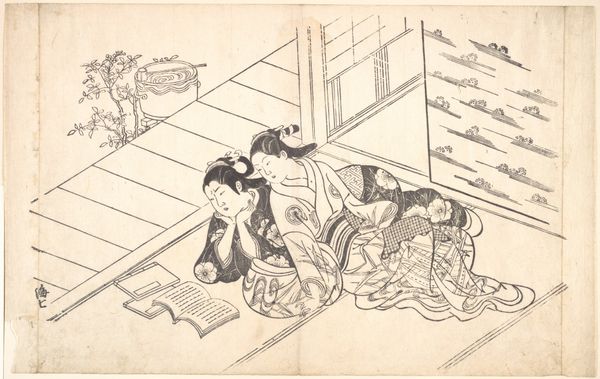
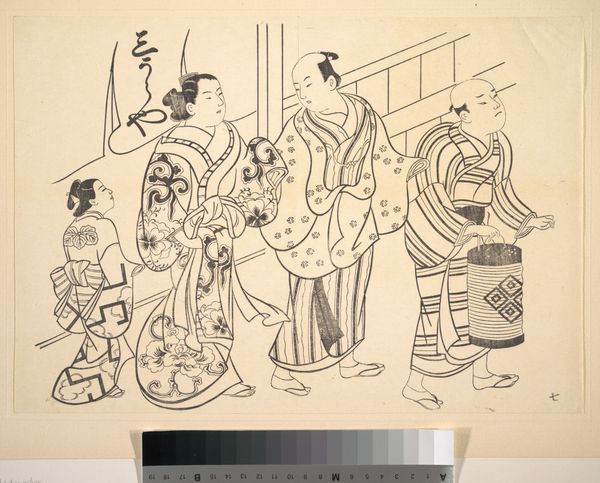
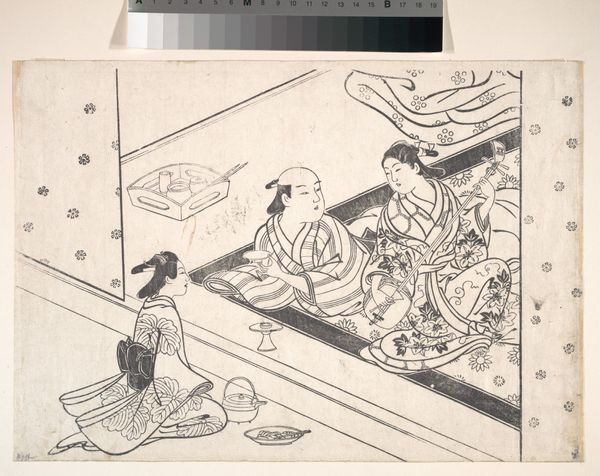
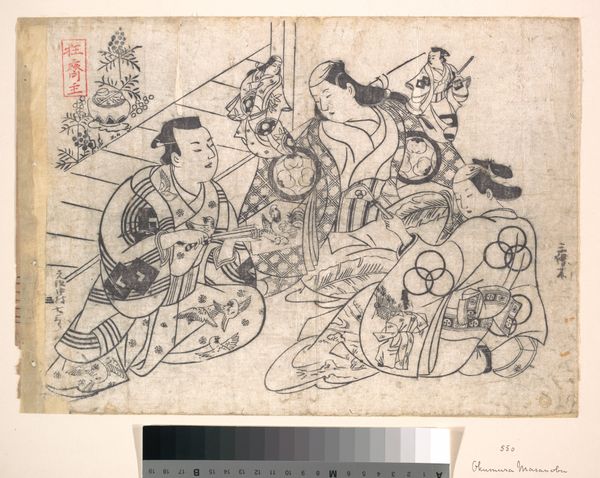
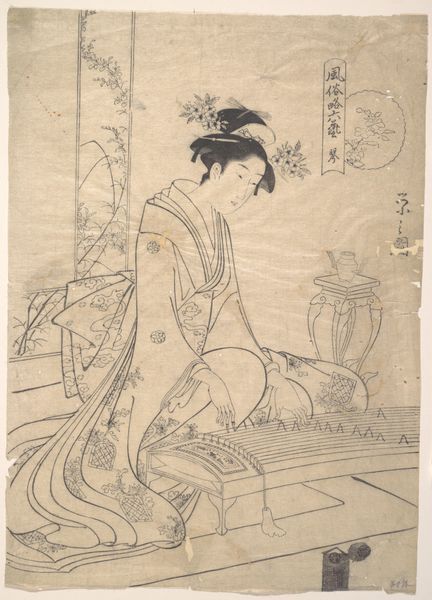
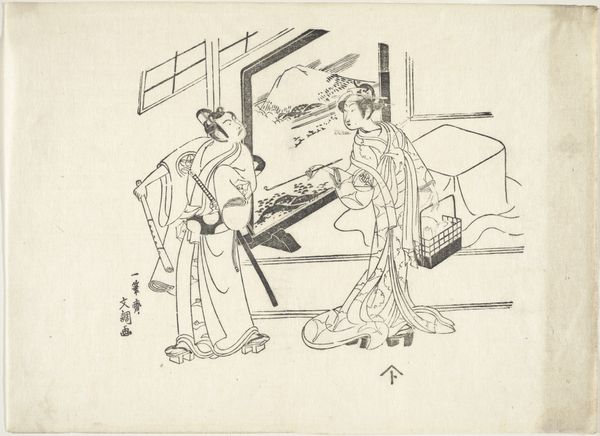
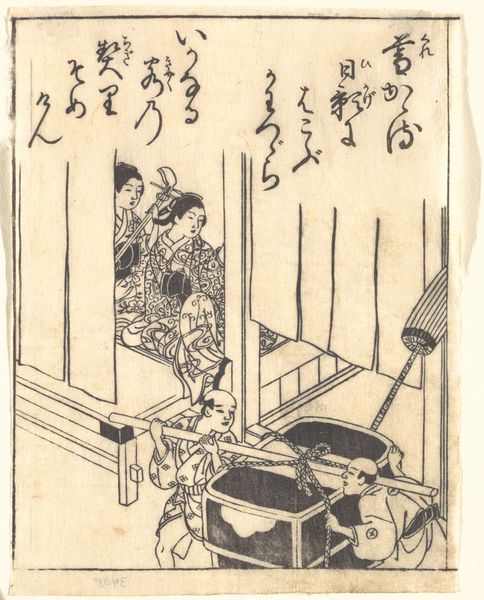
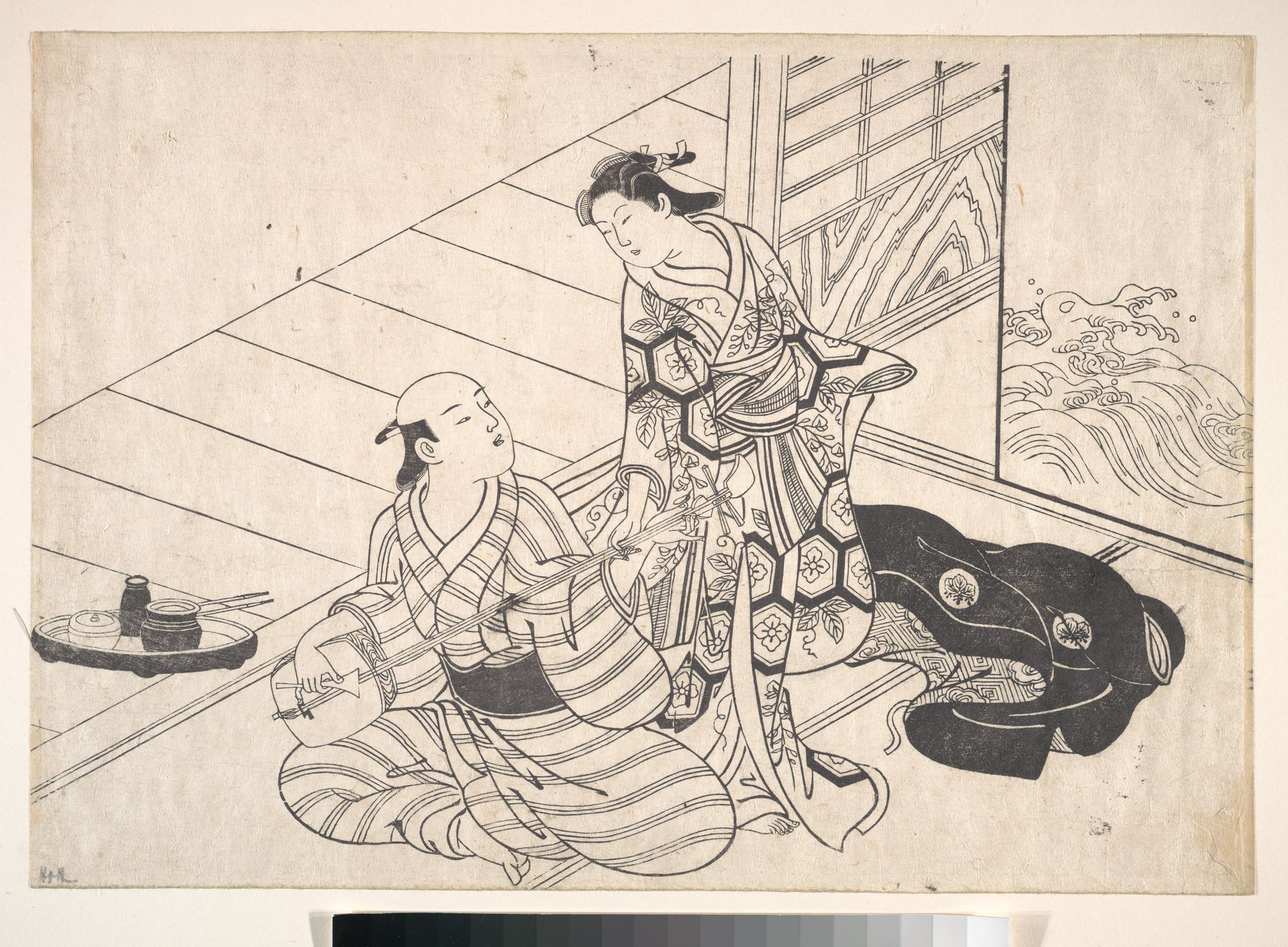
This woodblock print by Nishikawa Sukenobu shows a woman interrupting a man playing a shamisen. It was made in Japan sometime between 1671 and 1750. Sukenobu lived during the Edo period, a time of relative peace and prosperity that fostered a vibrant urban culture. Prints like this one catered to the tastes of the growing merchant class, who were keen to consume images of fashionable life, leisure, and entertainment. The attention to detail in the figures' robes, the tea set, and the depiction of the waves suggests an interest in capturing the textures and patterns of everyday life. The scene offers a glimpse into the gender roles and social dynamics of the time. The woman's interruption might reflect the complex negotiations of power and intimacy within domestic relationships. To understand Sukenobu's prints more fully, we can turn to a range of historical sources, including literature, fashion, and theatre. By situating the artwork within its social and institutional context, we gain a deeper appreciation of its cultural significance.
Lady Interrupting Her Lover, who is Playing the Shamisen 1671 - 1751

Nishikawa Sukenobu 西川祐信
1671 - 1750
The Metropolitan Museum of Art
Metropolitan Museum of Art, New York, NYArtwork details
- Medium
- Dimensions
- H. 10 3/16 in. (25.9 cm); W. 14 1/2 in. (36.8 cm)
- Location
- Metropolitan Museum of Art, New York, NY
- Copyright
- Public Domain
Tags
asian-art
ukiyo-e
figuration
line
genre-painting
musical-instrument
Comments
No comments
About this artwork
This woodblock print by Nishikawa Sukenobu shows a woman interrupting a man playing a shamisen. It was made in Japan sometime between 1671 and 1750. Sukenobu lived during the Edo period, a time of relative peace and prosperity that fostered a vibrant urban culture. Prints like this one catered to the tastes of the growing merchant class, who were keen to consume images of fashionable life, leisure, and entertainment. The attention to detail in the figures' robes, the tea set, and the depiction of the waves suggests an interest in capturing the textures and patterns of everyday life. The scene offers a glimpse into the gender roles and social dynamics of the time. The woman's interruption might reflect the complex negotiations of power and intimacy within domestic relationships. To understand Sukenobu's prints more fully, we can turn to a range of historical sources, including literature, fashion, and theatre. By situating the artwork within its social and institutional context, we gain a deeper appreciation of its cultural significance.
Comments
No comments