1861
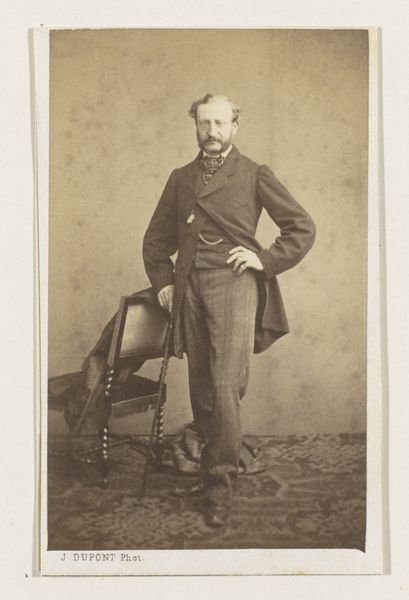
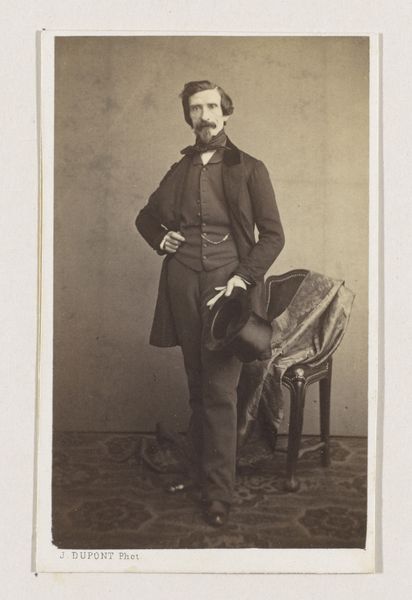
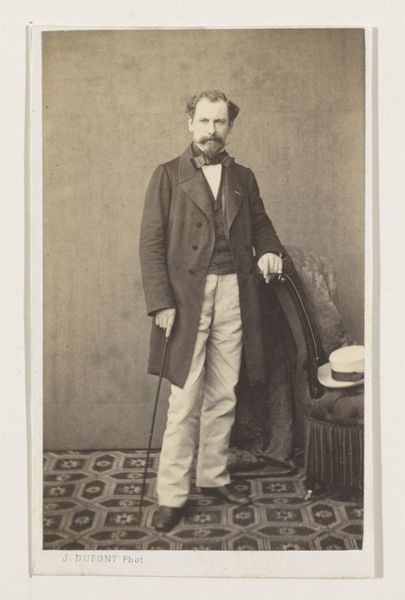
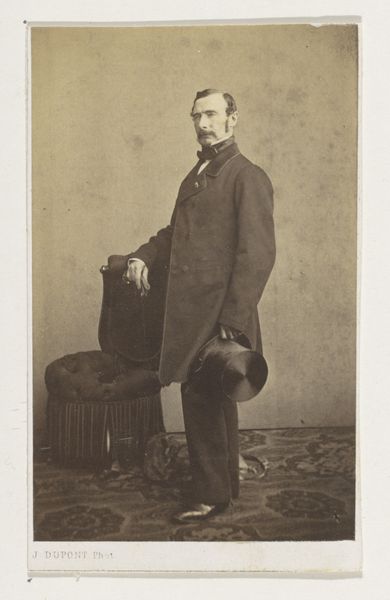
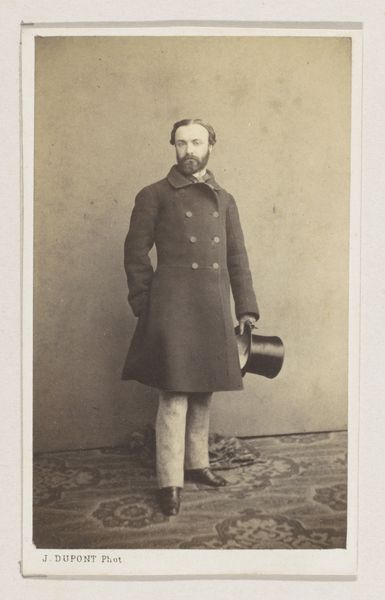
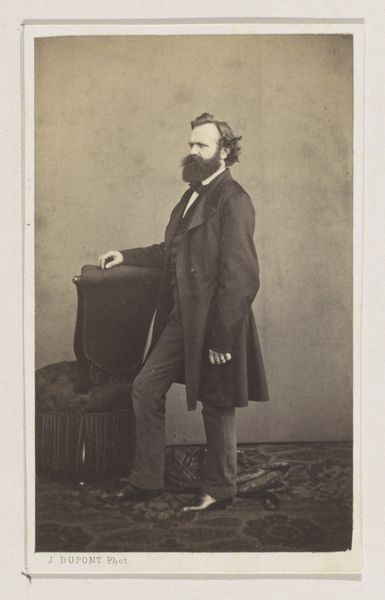
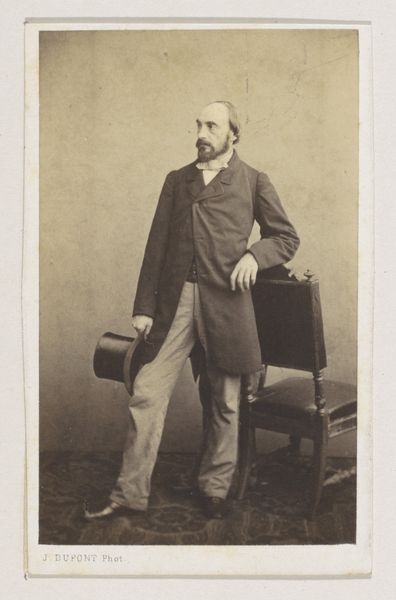
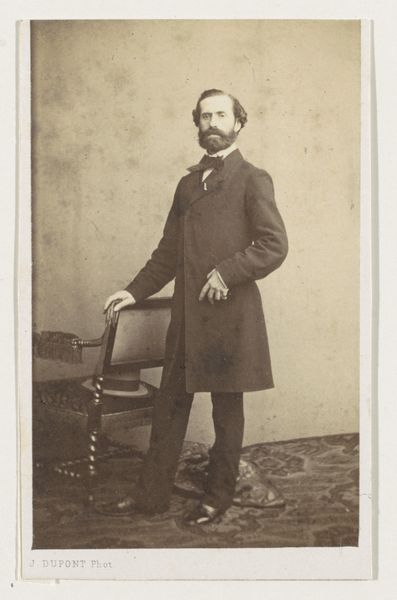
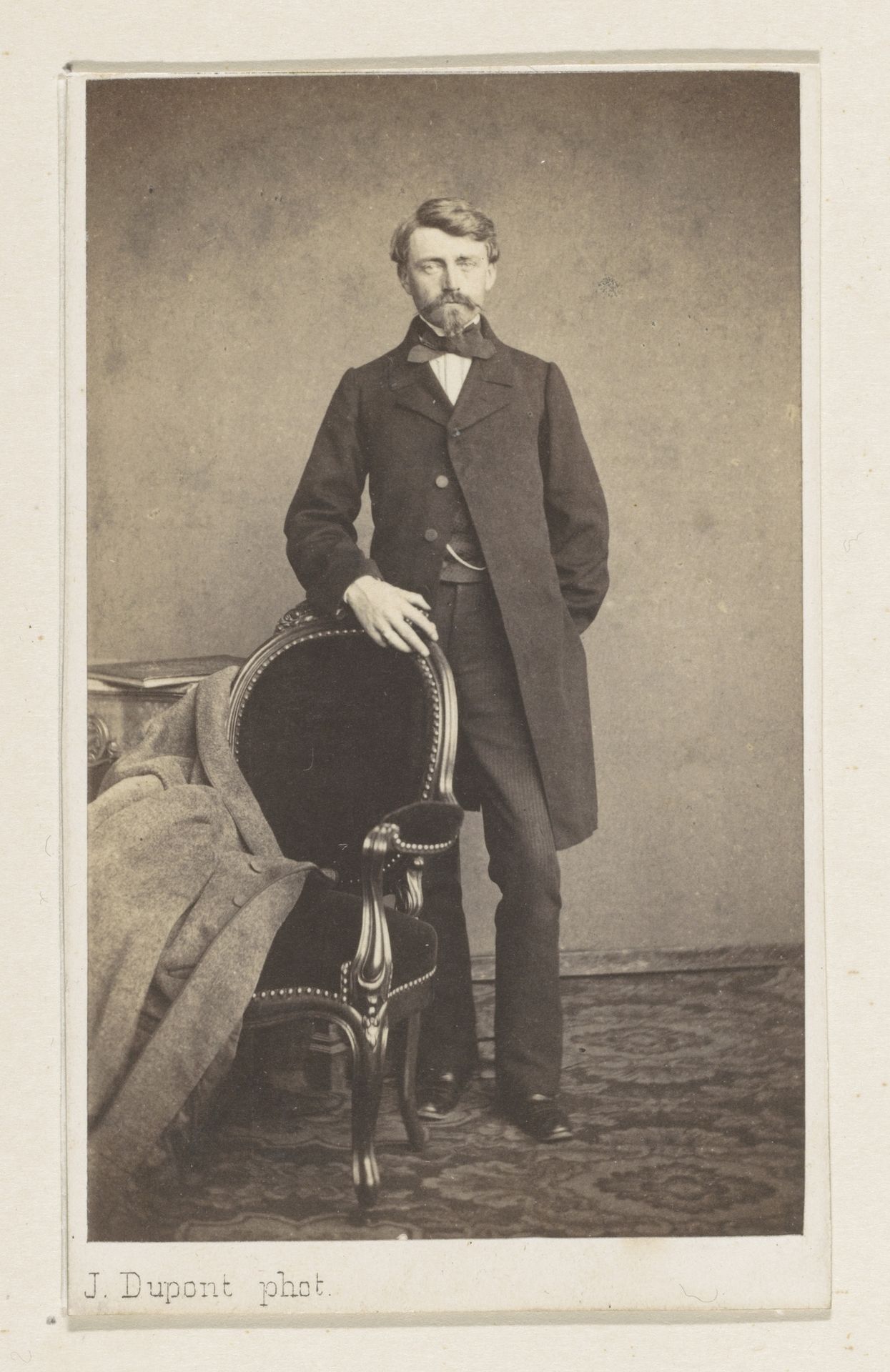
Portret van de kunstenaar en burggraaf du Vilain XIIII, ten voeten uit

Listen to curator's interpretation
Curatorial notes
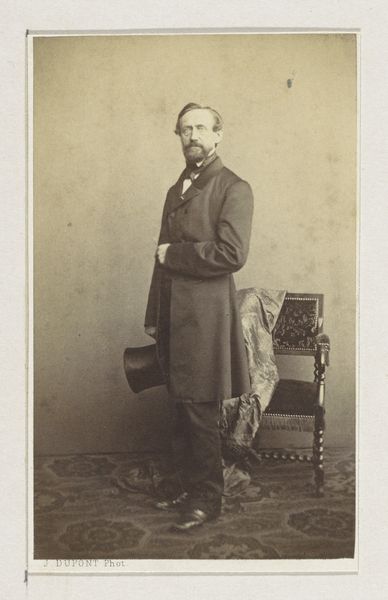
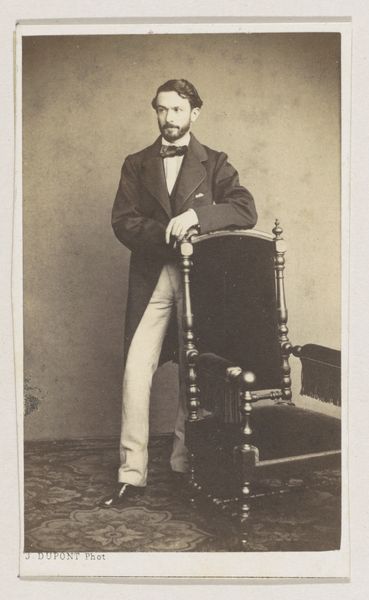
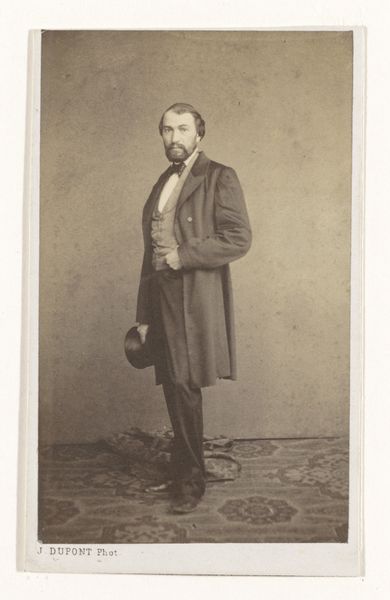
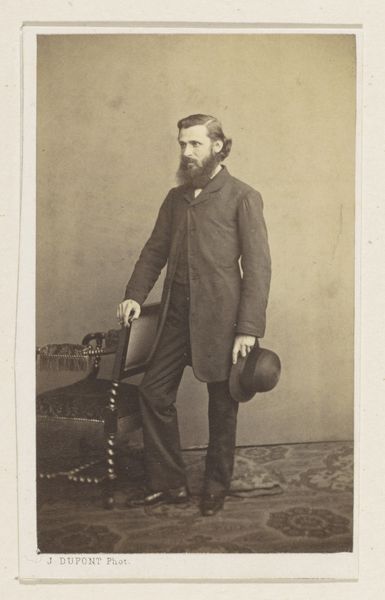
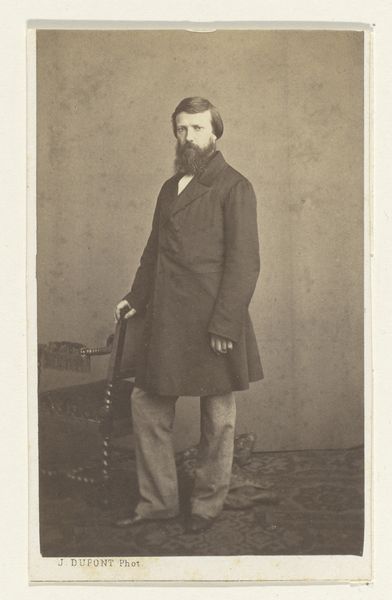
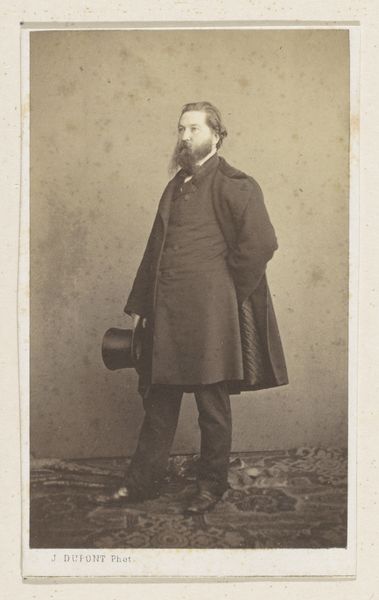
This photographic portrait of the artist and viscount du Vilain XIIII was made by Joseph Dupont sometime in the mid-19th century. The photographic processes of the time were labor intensive and complex, demanding highly skilled technicians. From preparing glass plates with light-sensitive emulsions to carefully controlling exposure times and developing chemicals, each step required precision and expertise. Looking at this image, consider how the materiality of photography influenced its appearance. The limited tonal range, the soft focus, and the subtle graininess all contribute to its distinctive aesthetic. But beyond its visual qualities, the photograph also carries social and cultural significance. During this period, photography was still a relatively new medium, and having one's portrait taken was a sign of status and affluence. The viscount's dignified pose and fashionable attire speak to his privileged position in society. By understanding the materials, making, and context of this photograph, we can appreciate its full meaning.