About this artwork
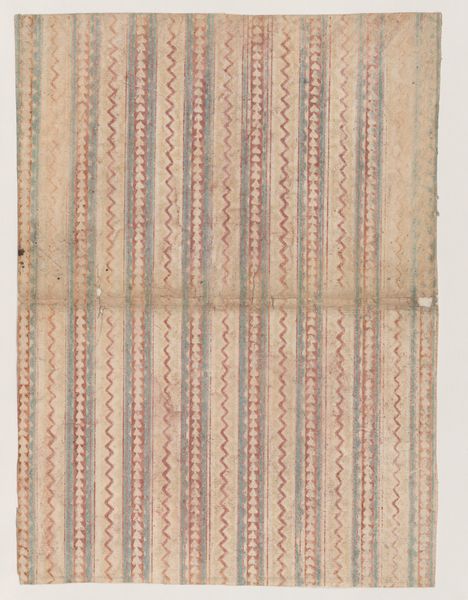
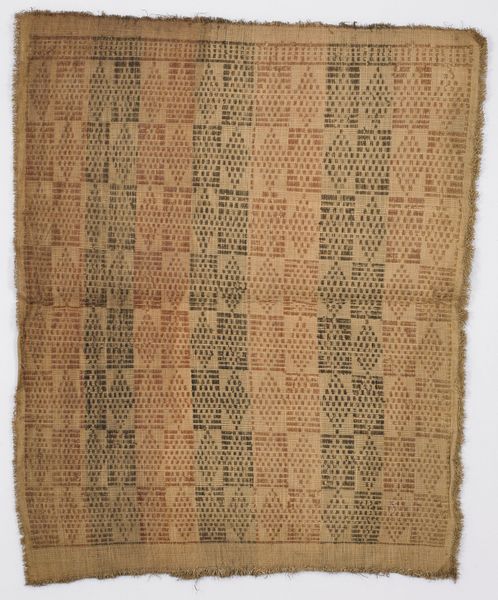
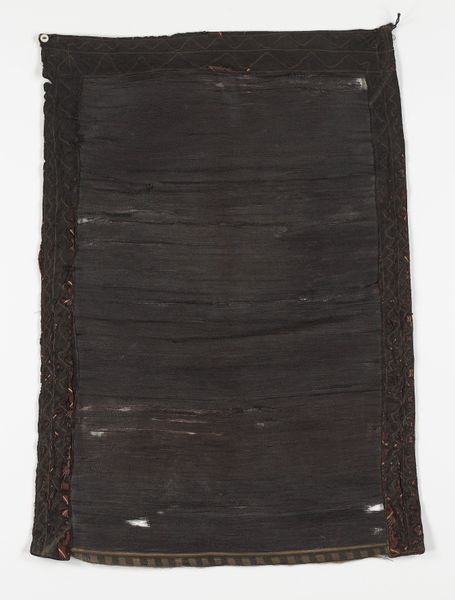
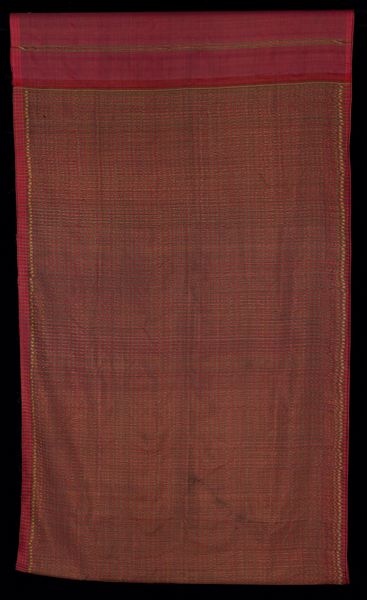
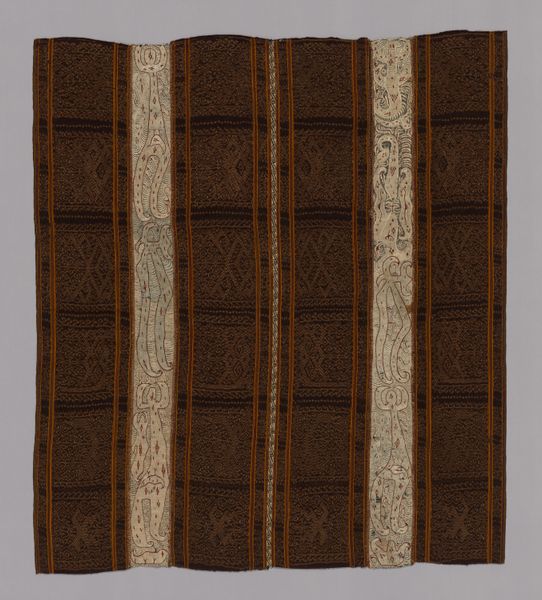
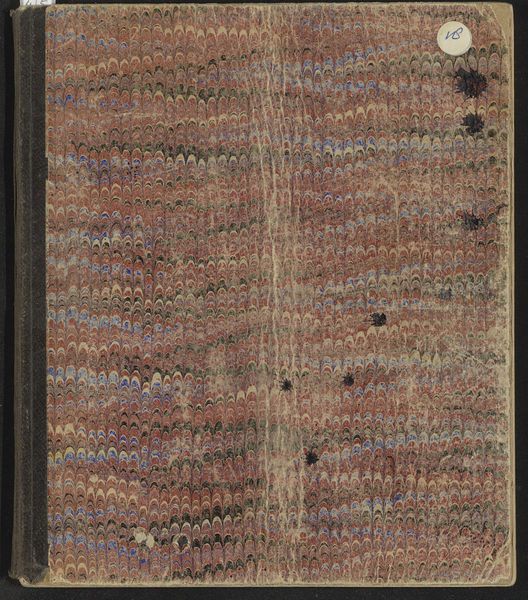
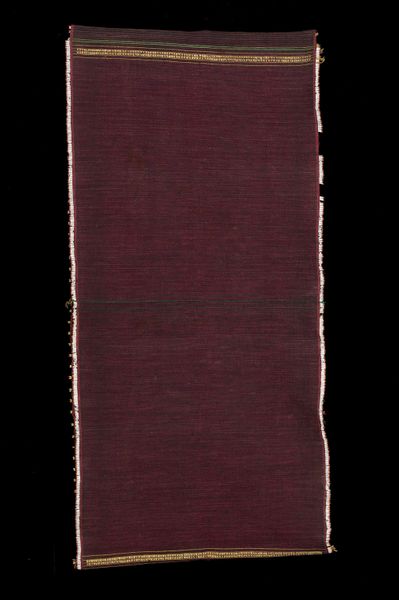
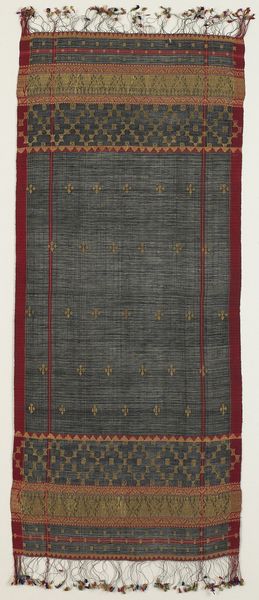
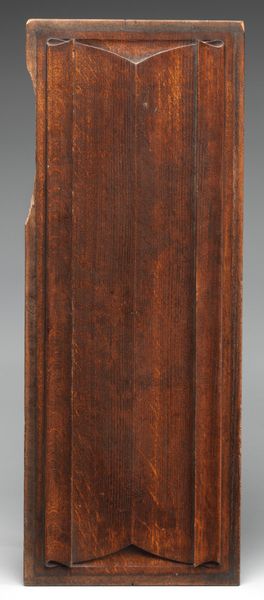
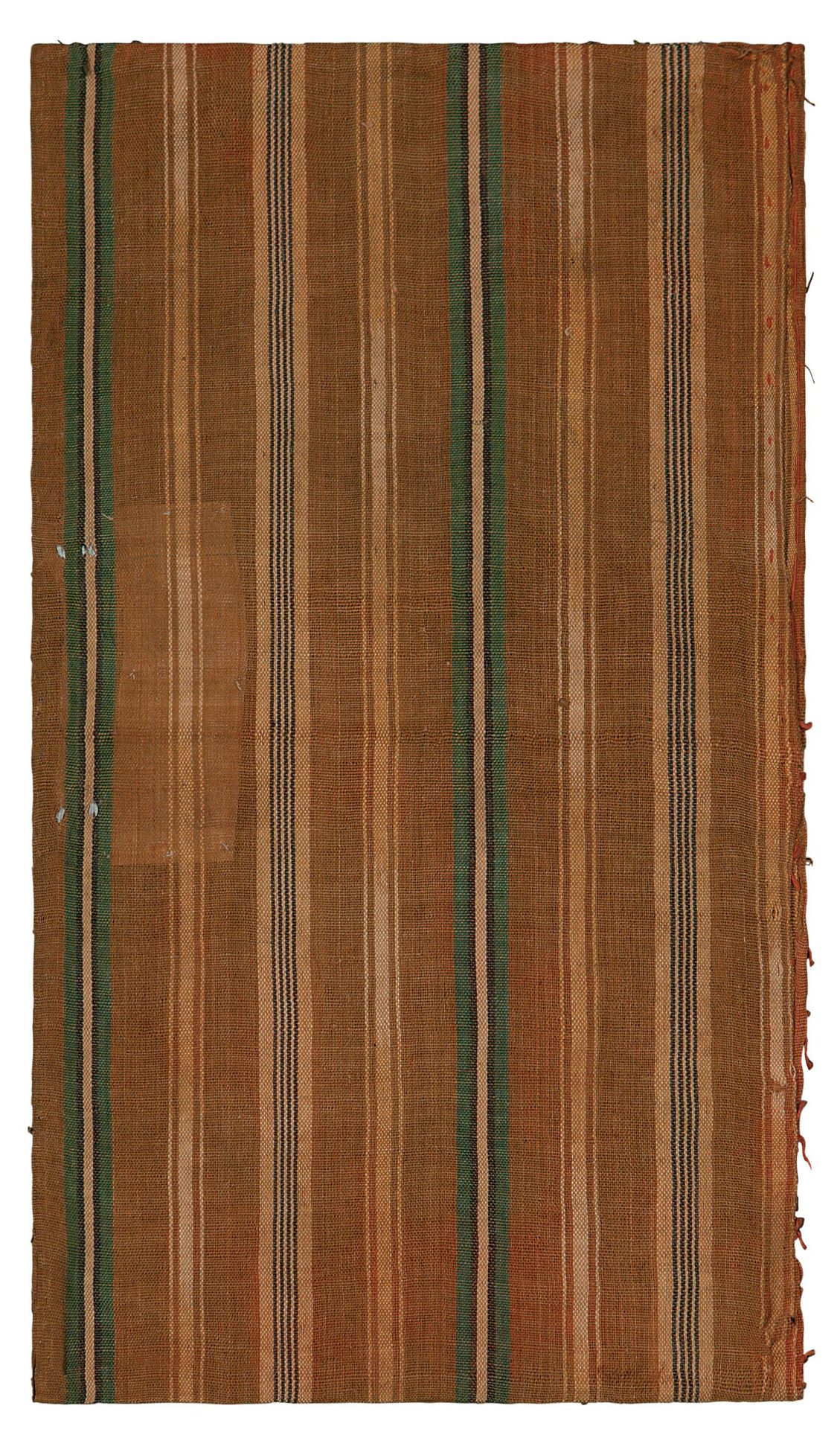
This striped textile fragment, now at the Minneapolis Institute of Art, presents a seemingly simple pattern that resonates with a deep history. Vertical stripes in shades of earth tones, with occasional green and black, create a composition that is both basic and evocative. Stripes, you see, are not mere decoration. Throughout history, they have been laden with meaning, acting as social signifiers, indicators of status, or symbols of identity. Think of the ancient Roman senators with their striped togas, or medieval heraldry, where stripes denoted lineage and allegiance. Even today, uniforms and flags rely on stripes to convey order and belonging. Yet, the essence of the stripe as a boundary is a continuous thread winding through the labyrinth of history. The subconscious appeal of such a simple symbol lies perhaps in its dual nature. It is this non-linear, cyclical progression of the stripe that intrigues me, how it resurfaces, evolves, and takes on new meanings in different historical contexts.
Striped fragment
c. 19th century


Artwork details
- Medium
- weaving, textile
- Dimensions
- 10 1/2 × 6 1/4 in. (26.67 × 15.88 cm) (overall)
- Location
- Minneapolis Institute of Art
- Copyright
- Public Domain
Tags
pattern
asian-art
weaving
textile
japan
geometric pattern
abstract pattern
organic pattern
geometric
vertical pattern
line
pattern repetition
Comments
Be the first to share your thoughts about this work.
About this artwork
This striped textile fragment, now at the Minneapolis Institute of Art, presents a seemingly simple pattern that resonates with a deep history. Vertical stripes in shades of earth tones, with occasional green and black, create a composition that is both basic and evocative. Stripes, you see, are not mere decoration. Throughout history, they have been laden with meaning, acting as social signifiers, indicators of status, or symbols of identity. Think of the ancient Roman senators with their striped togas, or medieval heraldry, where stripes denoted lineage and allegiance. Even today, uniforms and flags rely on stripes to convey order and belonging. Yet, the essence of the stripe as a boundary is a continuous thread winding through the labyrinth of history. The subconscious appeal of such a simple symbol lies perhaps in its dual nature. It is this non-linear, cyclical progression of the stripe that intrigues me, how it resurfaces, evolves, and takes on new meanings in different historical contexts.
Comments
Be the first to share your thoughts about this work.