About this artwork
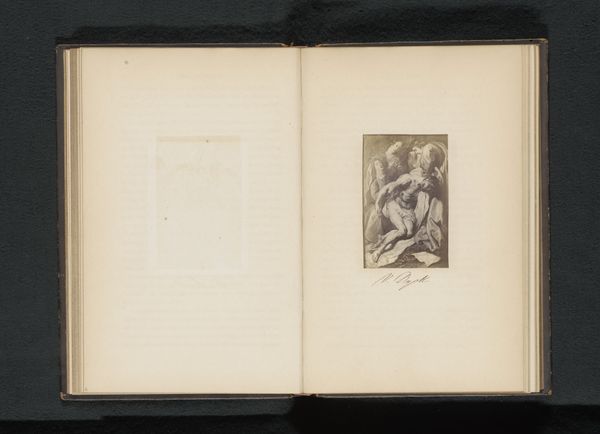
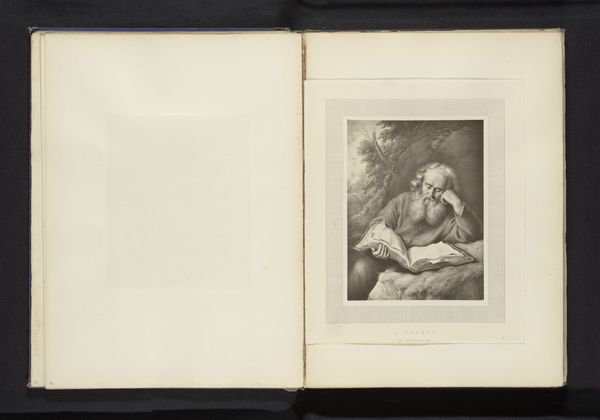
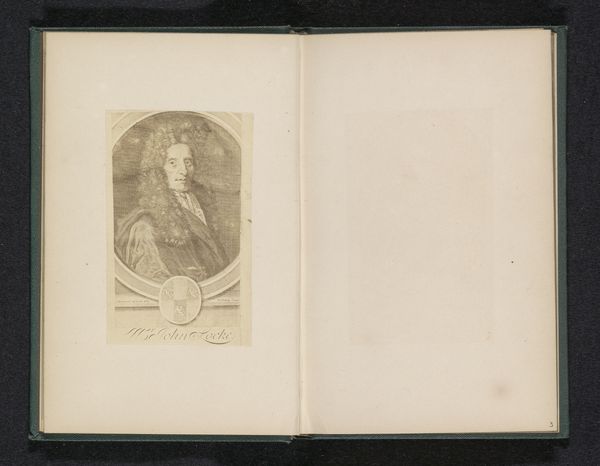
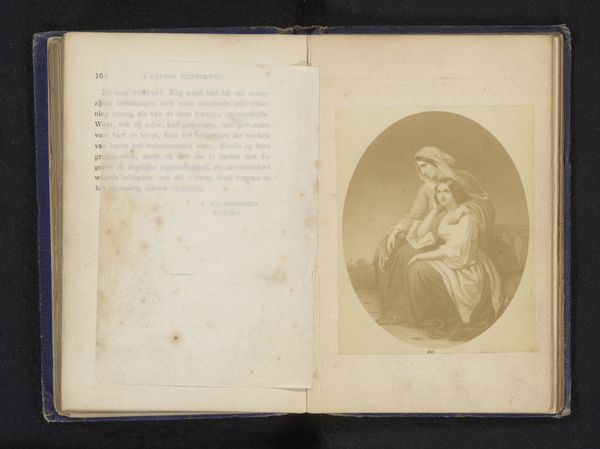
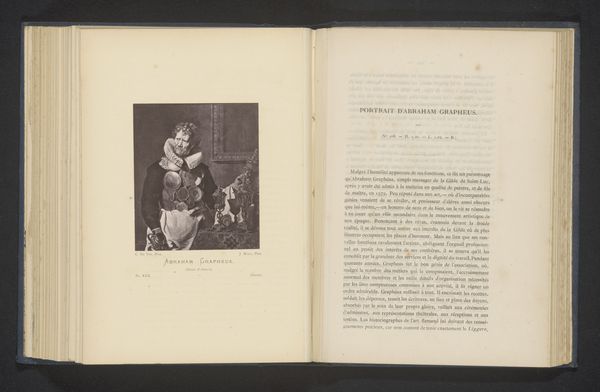
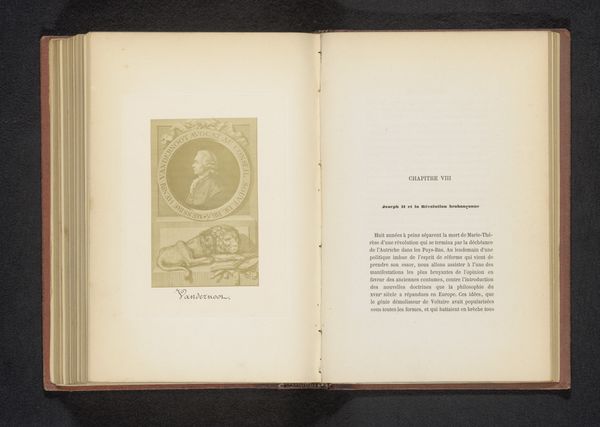
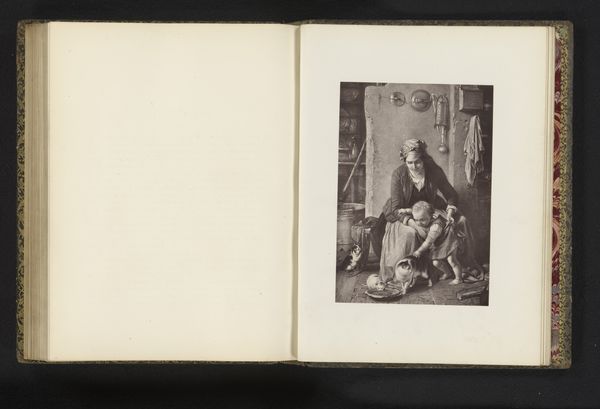
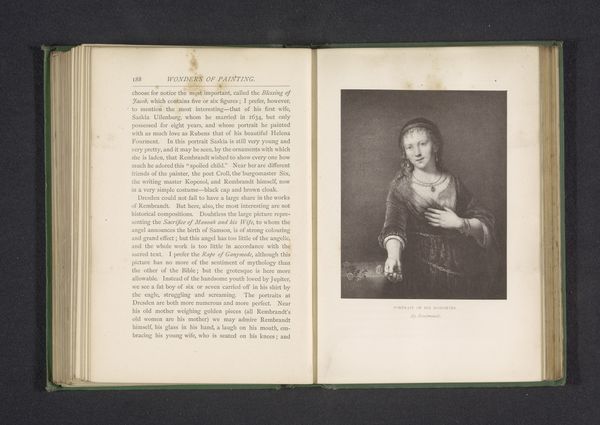
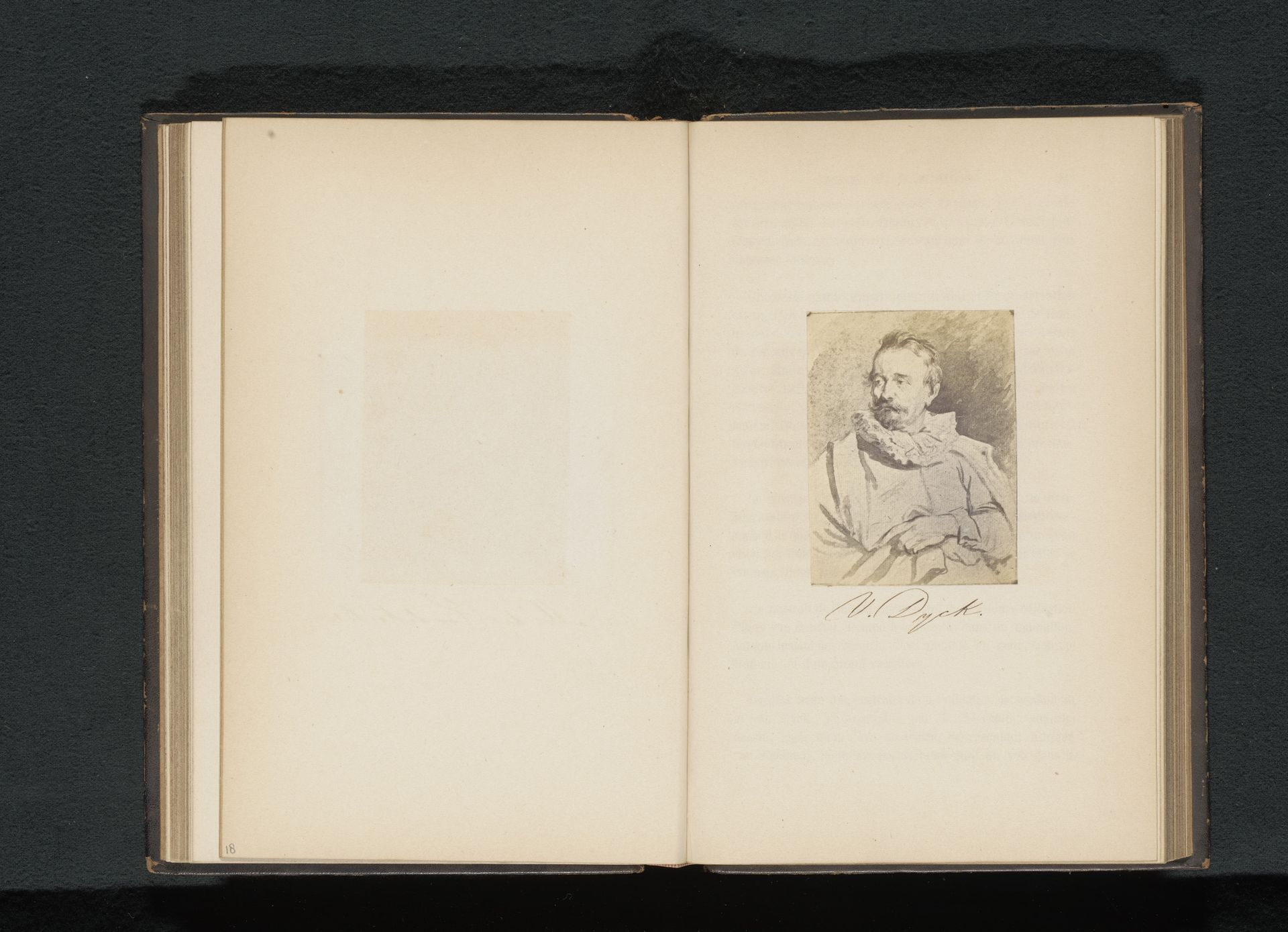
This is a photographic reproduction, made by Edmond Fierlants in the mid-19th century, of a drawing by Anthony van Dyck. The process of photography, even at this early stage, allowed for the wide distribution of images, democratizing art in a way previously unimaginable. Consider the original drawing, likely executed in charcoal or chalk. Van Dyck’s hand would have directly manipulated the material, creating a unique, unrepeatable artwork. Fierlants' photograph, by contrast, is a multiple, born of a chemical process, each print nearly identical. The photograph flattens the textures and nuances of the drawing, translating them into a reproducible image. This shift from the hand-made to the mechanically reproduced reflects broader industrial transformations of the era, where skilled labor was increasingly replaced by automated processes. While photography opened new vistas for art, it also signaled a change in the value and status of artistic labor.
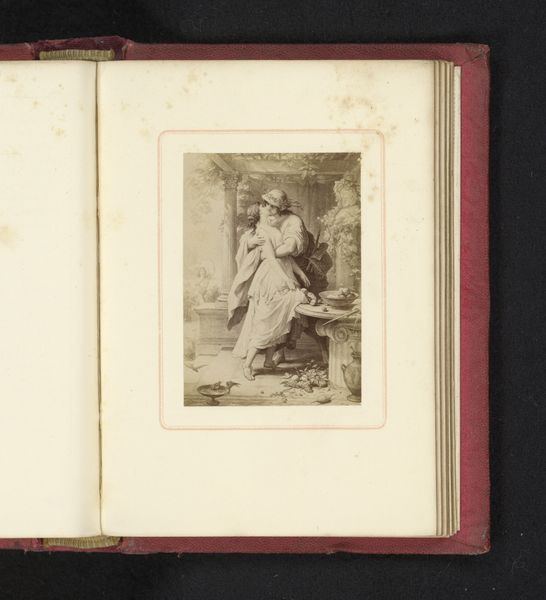
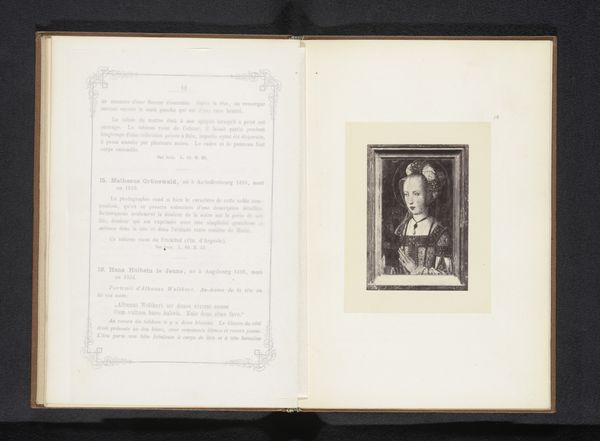
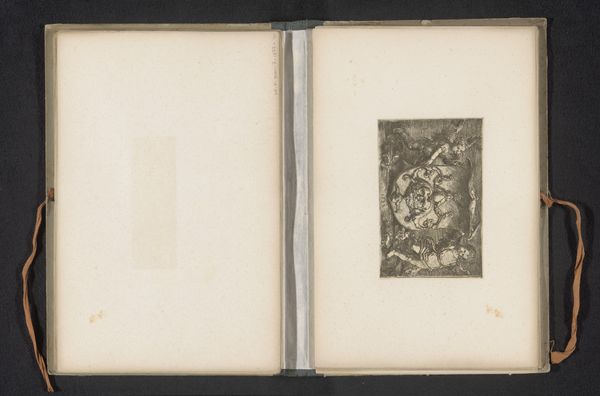
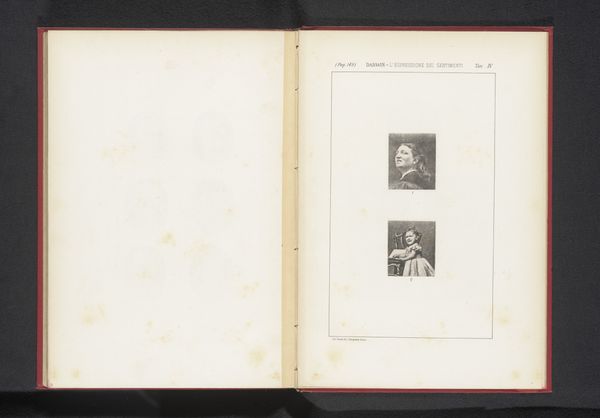
Fotoreproductie van een getekend portret van Adrian van Stalbemt door Anthony van Dyck before 1860

Artwork details
- Medium
- drawing, paper
- Dimensions
- height 74 mm, width 56 mm
- Copyright
- Rijks Museum: Open Domain
Tags
portrait
drawing
paper
Comments
No comments
About this artwork
This is a photographic reproduction, made by Edmond Fierlants in the mid-19th century, of a drawing by Anthony van Dyck. The process of photography, even at this early stage, allowed for the wide distribution of images, democratizing art in a way previously unimaginable. Consider the original drawing, likely executed in charcoal or chalk. Van Dyck’s hand would have directly manipulated the material, creating a unique, unrepeatable artwork. Fierlants' photograph, by contrast, is a multiple, born of a chemical process, each print nearly identical. The photograph flattens the textures and nuances of the drawing, translating them into a reproducible image. This shift from the hand-made to the mechanically reproduced reflects broader industrial transformations of the era, where skilled labor was increasingly replaced by automated processes. While photography opened new vistas for art, it also signaled a change in the value and status of artistic labor.
Comments
No comments