About this artwork
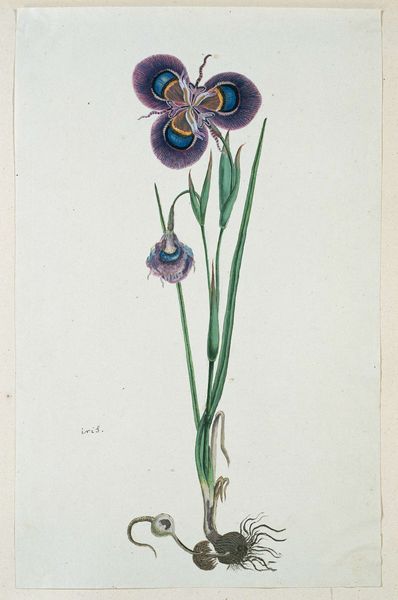
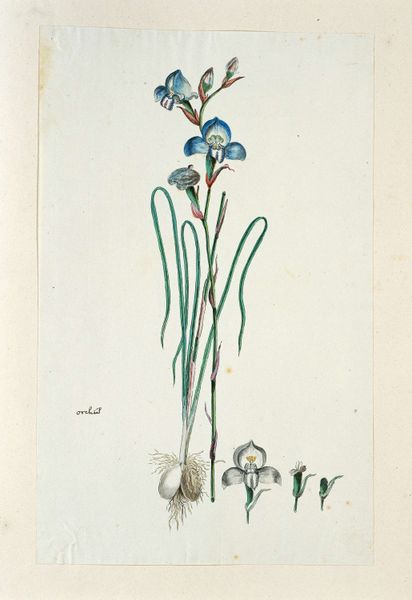
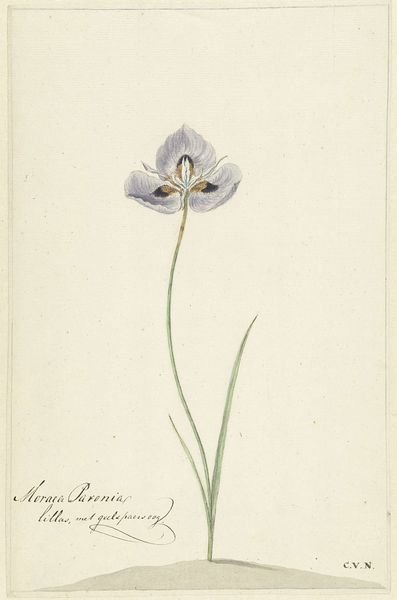
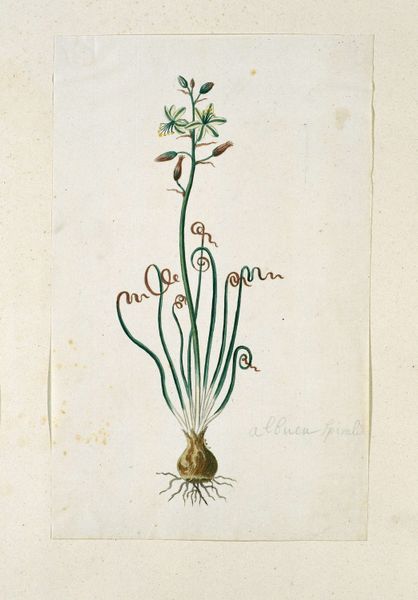
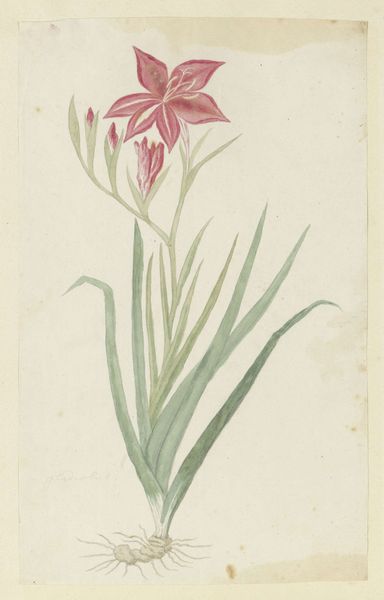
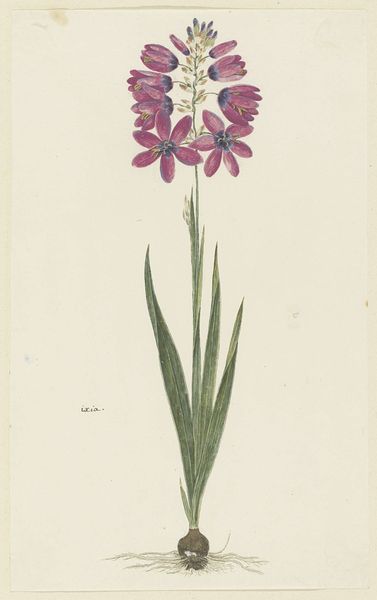
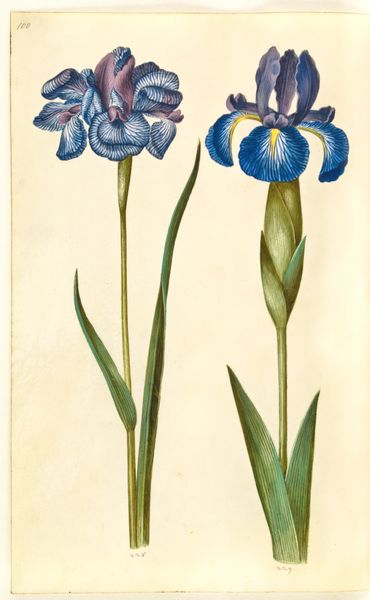
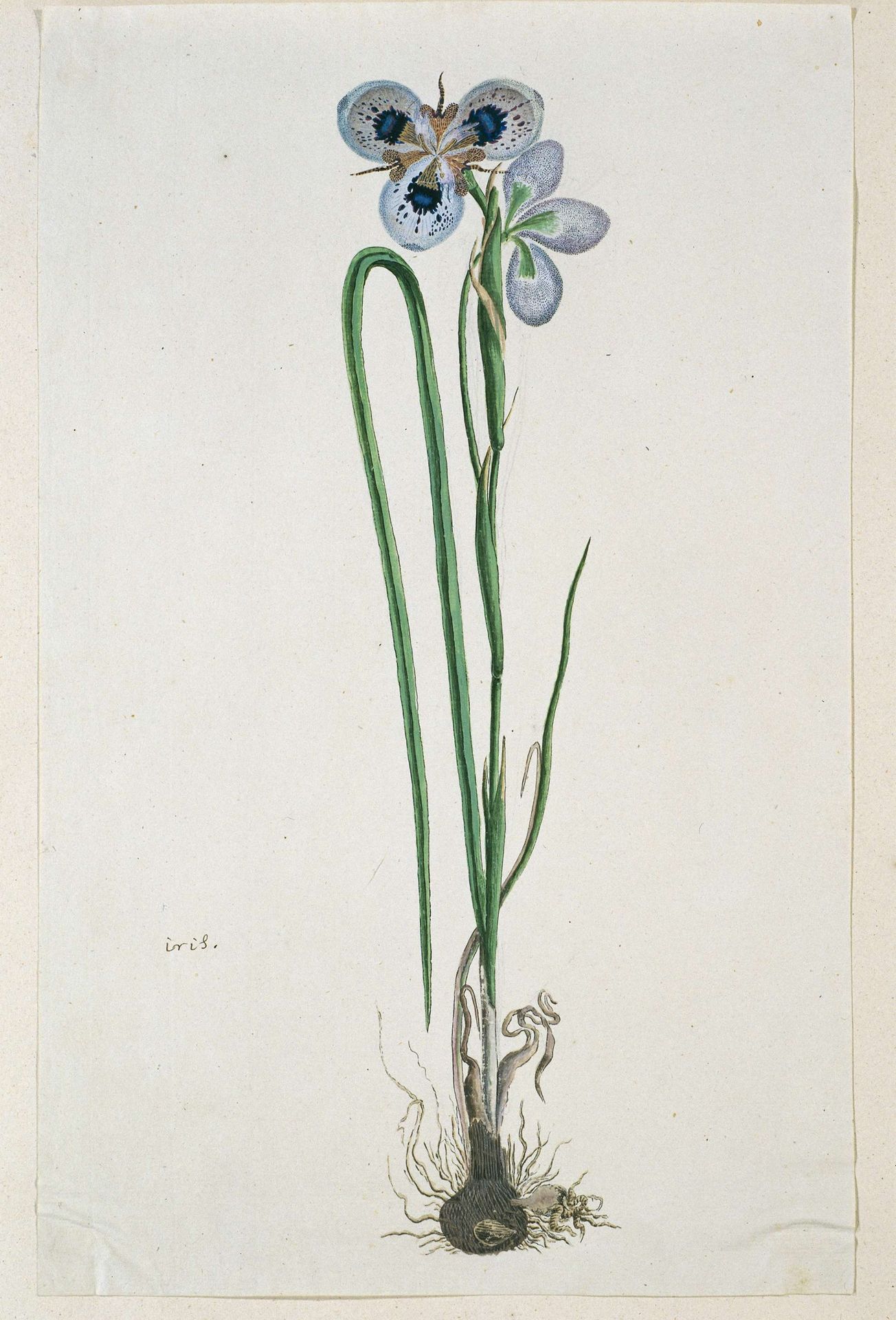
Robert Jacob Gordon created this watercolor drawing of Moraea aristata, or Blue-eyed uintjie, in the late 18th century. Gordon was a Dutch military officer and explorer of Scottish descent, who worked for the Dutch East India Company. As an employee of the company, Gordon not only mapped the region but also documented its flora and fauna. This detailed depiction reflects the scientific curiosity of the Enlightenment, but it was also very much tied to colonial expansion. Botanical illustrations like this one were often commissioned to inventory resources and facilitate their exploitation. The detached, objective style disguises the political and economic interests at stake. To fully understand this image, we would need to delve into the archives of the Dutch East India Company, tracing the paths of these images and their role in shaping European perceptions of the Cape. Understanding the historical context helps us see beyond the surface beauty of this flower and recognize the complex relationship between art, science, and colonialism.
Moraea aristata (D. Delaroche) Aschers & Graebn. (Blue-eyed uintjie)
Possibly 1777 - 1786

Artwork details
- Dimensions
- height 660 mm, width 480 mm, height 428 mm, width 270 mm, height mm, width mm
- Copyright
- Rijks Museum: Open Domain
Comments
Share your thoughts
About this artwork
Robert Jacob Gordon created this watercolor drawing of Moraea aristata, or Blue-eyed uintjie, in the late 18th century. Gordon was a Dutch military officer and explorer of Scottish descent, who worked for the Dutch East India Company. As an employee of the company, Gordon not only mapped the region but also documented its flora and fauna. This detailed depiction reflects the scientific curiosity of the Enlightenment, but it was also very much tied to colonial expansion. Botanical illustrations like this one were often commissioned to inventory resources and facilitate their exploitation. The detached, objective style disguises the political and economic interests at stake. To fully understand this image, we would need to delve into the archives of the Dutch East India Company, tracing the paths of these images and their role in shaping European perceptions of the Cape. Understanding the historical context helps us see beyond the surface beauty of this flower and recognize the complex relationship between art, science, and colonialism.
Comments
Share your thoughts