About this artwork
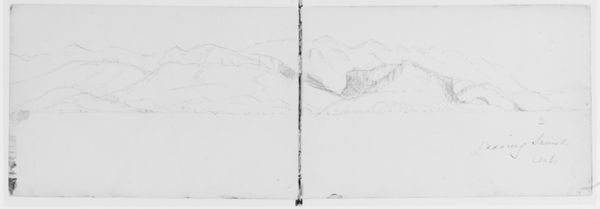
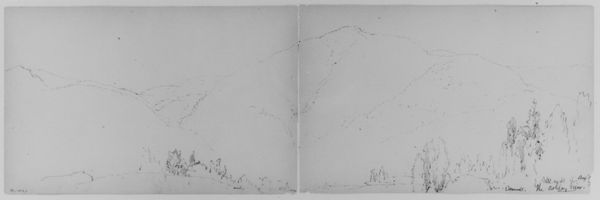
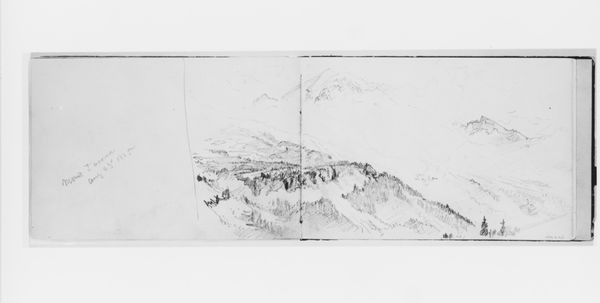
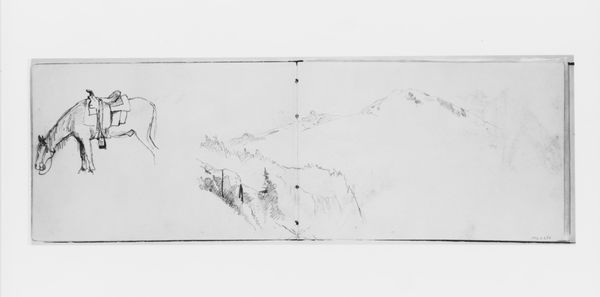
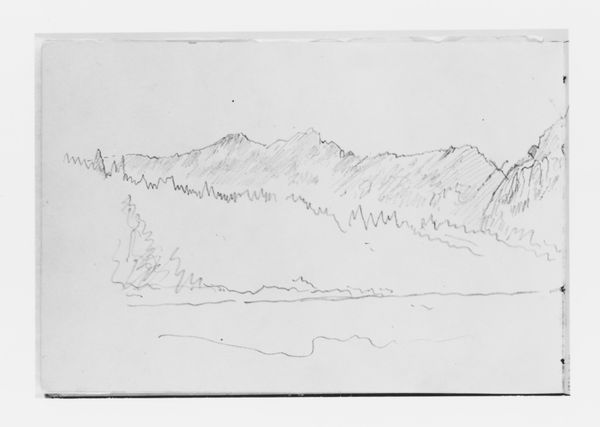
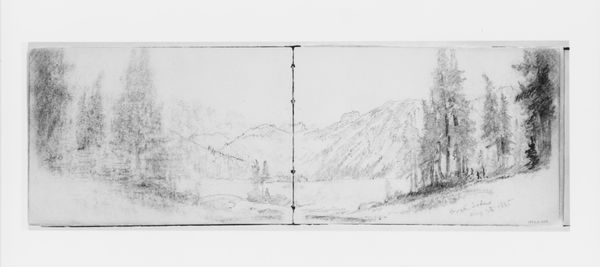
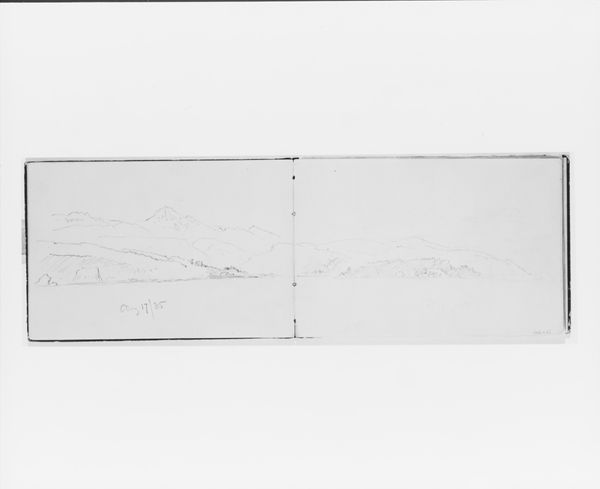
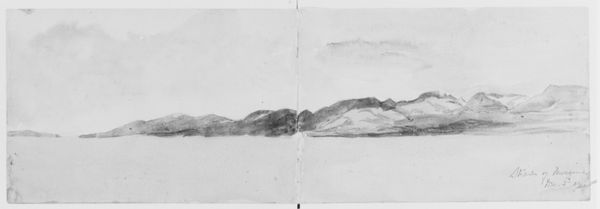
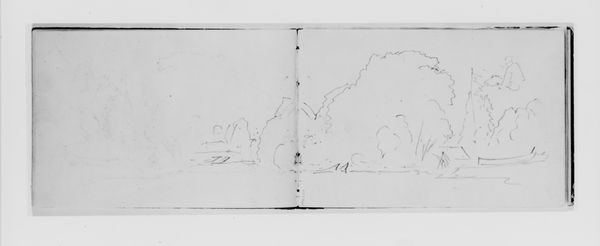
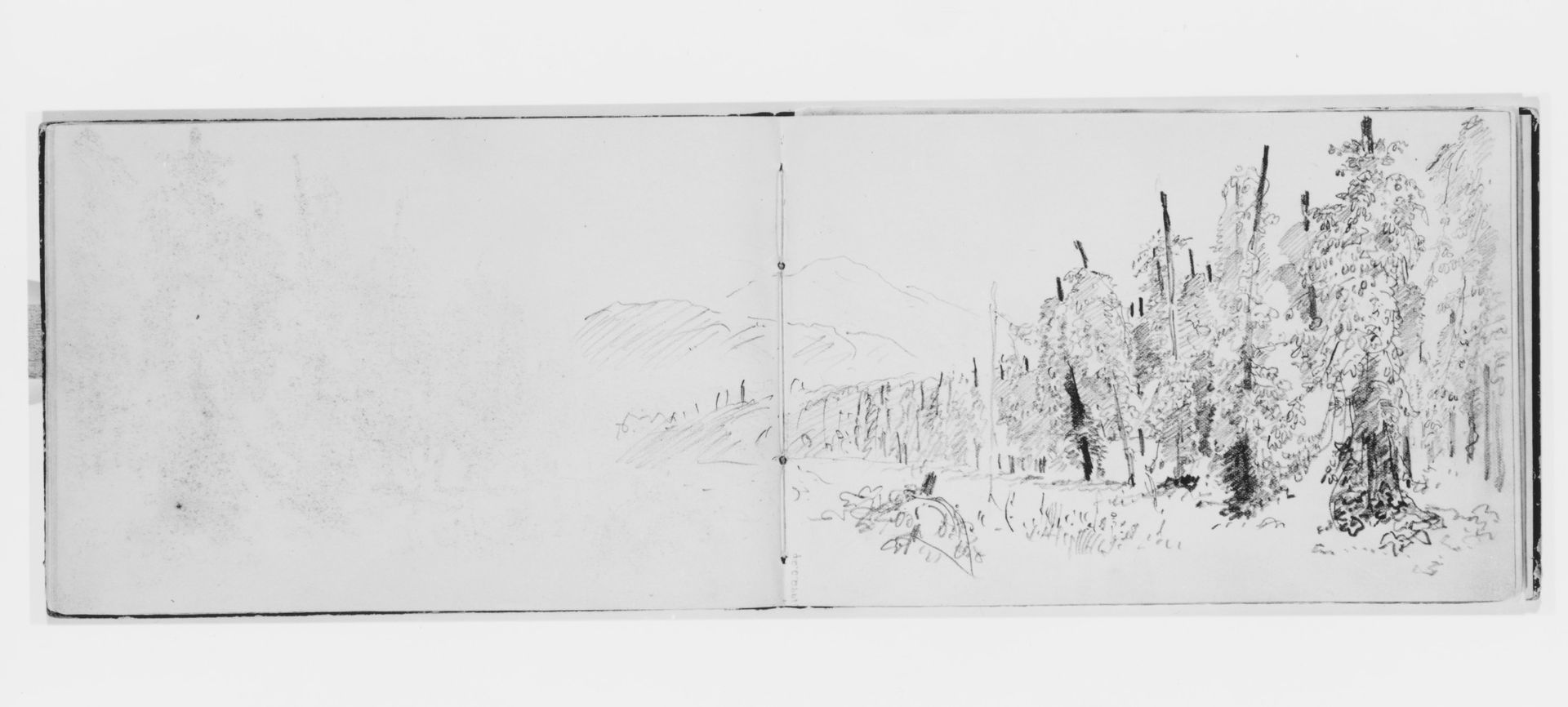
This landscape of forest, fields and mountains comes from a sketchbook by William Trost Richards. Made in the late nineteenth century, it reflects a broader cultural movement of the time - one where artists ventured out of the studio and into nature. This was in part a reaction against the industrial revolution. Artists and writers were keen to celebrate the beauty of the natural world and the possibilities it seemed to offer. In this sketch, the play of light on the trees and mountains is particularly striking. But this image also evokes a sense of the sublime: a feeling of awe in the face of nature's overwhelming power. To understand Richards's work more fully, we can look at the social and institutional contexts in which he was working; considering the contemporary art market, the rise of tourism, and the increasing awareness of environmental issues in America at this time. These are just some of the many factors that shaped the artist's vision.
Landscape with Forest, Fields, and Mountains (from Sketchbook X)
1885

William Trost Richards
1833 - 1905
The Metropolitan Museum of Art
Metropolitan Museum of Art, New York, NYArtwork details
- Dimensions
- 5 x 7 1/2 in. (12.7 x 19.1 cm)
- Location
- Metropolitan Museum of Art, New York, NY
- Copyright
- Public Domain
Comments
Share your thoughts
About this artwork
This landscape of forest, fields and mountains comes from a sketchbook by William Trost Richards. Made in the late nineteenth century, it reflects a broader cultural movement of the time - one where artists ventured out of the studio and into nature. This was in part a reaction against the industrial revolution. Artists and writers were keen to celebrate the beauty of the natural world and the possibilities it seemed to offer. In this sketch, the play of light on the trees and mountains is particularly striking. But this image also evokes a sense of the sublime: a feeling of awe in the face of nature's overwhelming power. To understand Richards's work more fully, we can look at the social and institutional contexts in which he was working; considering the contemporary art market, the rise of tourism, and the increasing awareness of environmental issues in America at this time. These are just some of the many factors that shaped the artist's vision.
Comments
Share your thoughts