About this artwork
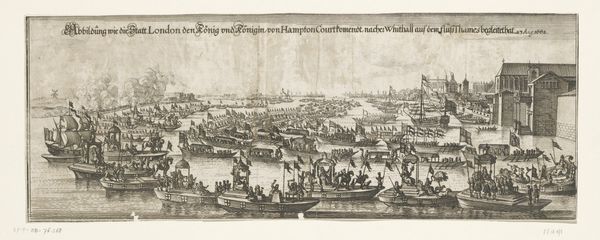
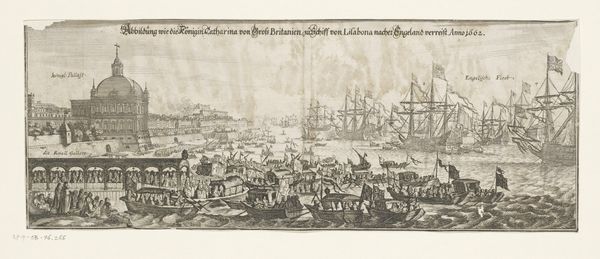
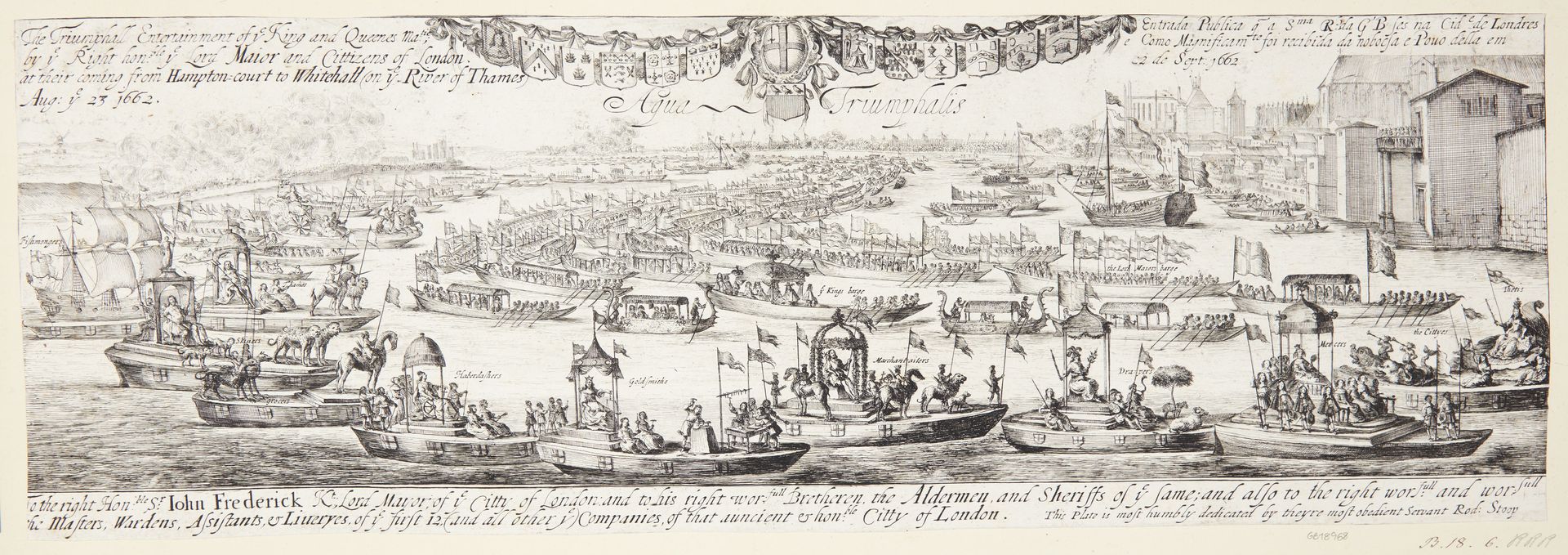
Dirk Stoop's etching captures the aquatic procession celebrating the Queen's arrival in London. Observe the flotilla upon the Thames; each vessel bristling with symbols of power and welcome. Consider the "Aqua Triumphalis" itself, a motif echoing the Roman triumphs, adapted to the waterways of London. Such processions, laden with allegorical figures, speak to the heart of civic pride and royal expectation. I see echoes of triumphal arches and parades of emperors from the past. The ships become mobile stages, adorned with figures reminiscent of ancient gods. It's a visual echo chamber, where the past informs the present, each symbol layered with historical weight. This deliberate connection serves to legitimize and magnify the Queen's arrival. It's an emotional tapestry, woven to elicit feelings of awe, loyalty, and belonging, all anchored to the eternal currents of cultural memory.
Dronningens ankomst til London. "Aqua Triumphalis" 1662


Artwork details
- Medium
- print, etching
- Dimensions
- 183 mm (height) x 539 mm (width) (bladmaal)
- Location
- SMK - Statens Museum for Kunst
Tags
baroque
etching
cityscape
history-painting
Comments
No comments
About this artwork
Dirk Stoop's etching captures the aquatic procession celebrating the Queen's arrival in London. Observe the flotilla upon the Thames; each vessel bristling with symbols of power and welcome. Consider the "Aqua Triumphalis" itself, a motif echoing the Roman triumphs, adapted to the waterways of London. Such processions, laden with allegorical figures, speak to the heart of civic pride and royal expectation. I see echoes of triumphal arches and parades of emperors from the past. The ships become mobile stages, adorned with figures reminiscent of ancient gods. It's a visual echo chamber, where the past informs the present, each symbol layered with historical weight. This deliberate connection serves to legitimize and magnify the Queen's arrival. It's an emotional tapestry, woven to elicit feelings of awe, loyalty, and belonging, all anchored to the eternal currents of cultural memory.
Comments
No comments