About this artwork
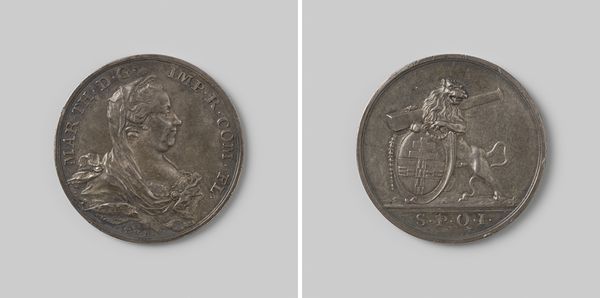
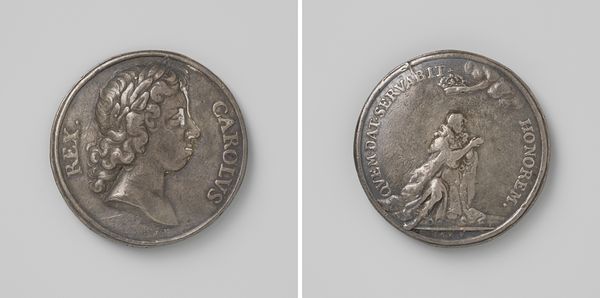
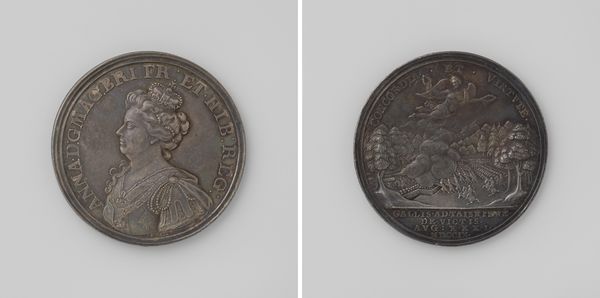
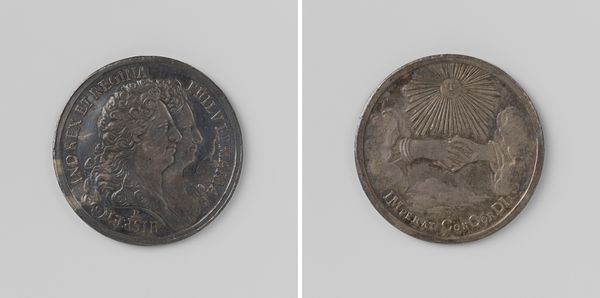
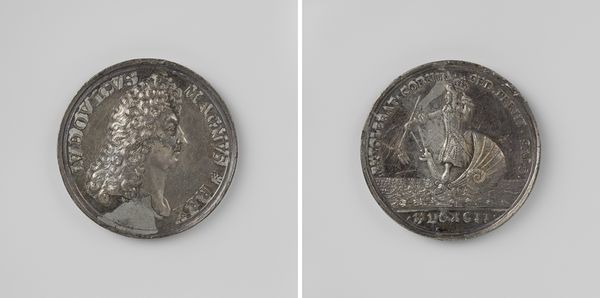
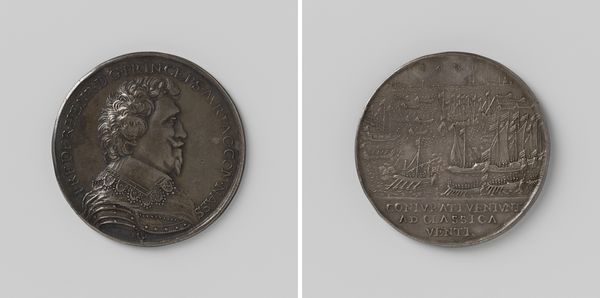
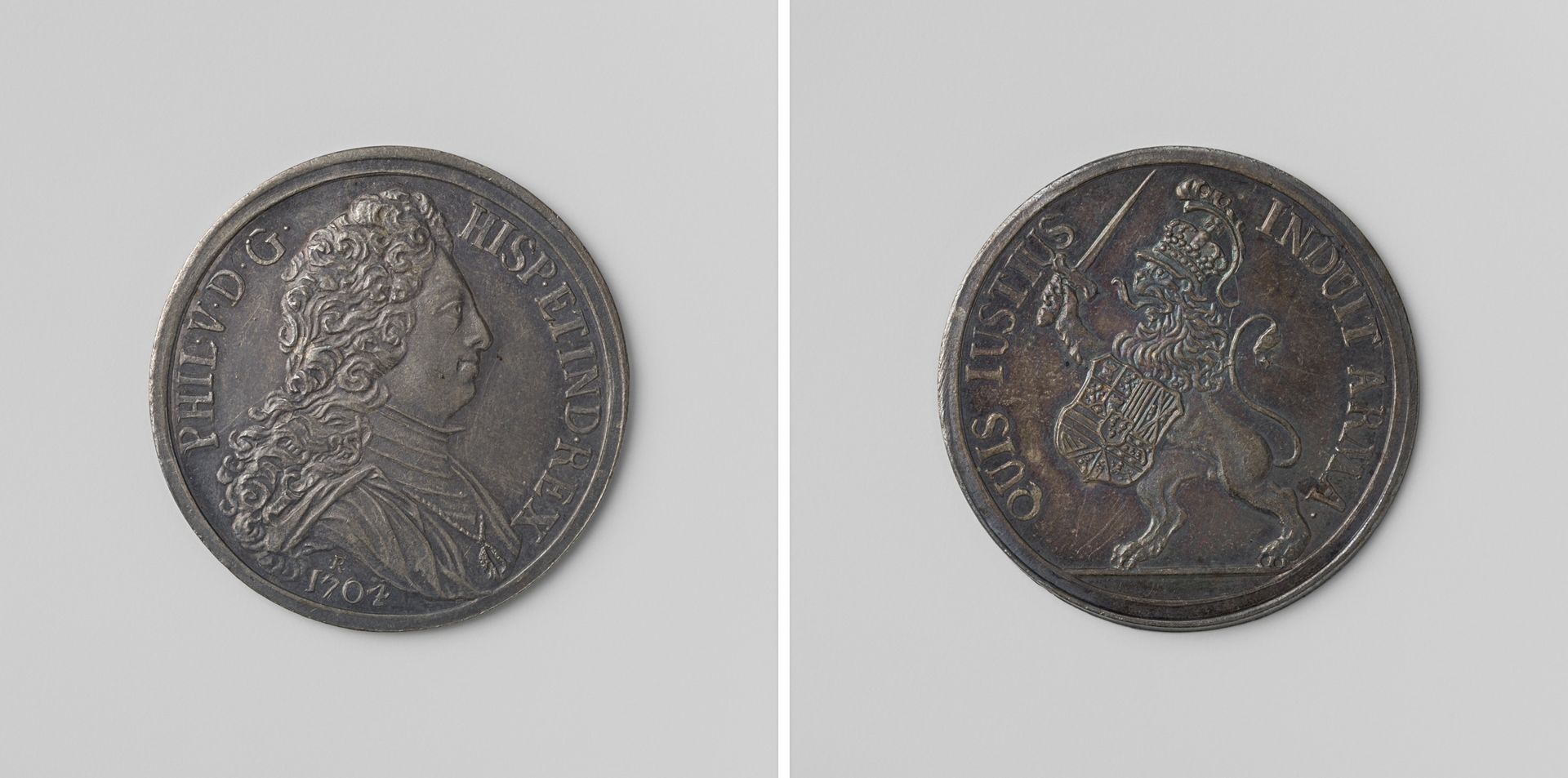
This is a silver medal, made in 1702 by Philippe Roettiers, commemorating the declaration of war against the Holy Roman Empire, in honor of Philip V, King of Spain. The medal offers us a glimpse into the complex power dynamics of 18th-century Europe. Commissioned during the War of the Spanish Succession, it served as a piece of propaganda, meant to solidify support for Philip V by associating him with strength and divine right. Notice the portrait of Philip V, with its classical profile and elaborate wig, a symbol of status. On the reverse, a crowned lion wielding a sword symbolizes Spanish might, challenging the authority of the Holy Roman Empire. The inscription, “QUIS IUSTIUS INDULT ARMA,” translates to "Who more justly takes up arms?"—a question that suggests the righteousness of Philip's cause. The medal’s appeal to justice reflects the emotional and political stakes of the conflict, turning a declaration of war into a defense of inherited rights and honor.
Oorlogsverklaring aan het adres der keizerlijken, rekenpenning geslagen ter ere van Filips V, koning van Spanje
1704

Artwork details
- Medium
- print, metal, relief
- Dimensions
- diameter 3.1 cm, weight 7.84 gr
- Copyright
- Rijks Museum: Open Domain
Tags
Comments
Share your thoughts
About this artwork
This is a silver medal, made in 1702 by Philippe Roettiers, commemorating the declaration of war against the Holy Roman Empire, in honor of Philip V, King of Spain. The medal offers us a glimpse into the complex power dynamics of 18th-century Europe. Commissioned during the War of the Spanish Succession, it served as a piece of propaganda, meant to solidify support for Philip V by associating him with strength and divine right. Notice the portrait of Philip V, with its classical profile and elaborate wig, a symbol of status. On the reverse, a crowned lion wielding a sword symbolizes Spanish might, challenging the authority of the Holy Roman Empire. The inscription, “QUIS IUSTIUS INDULT ARMA,” translates to "Who more justly takes up arms?"—a question that suggests the righteousness of Philip's cause. The medal’s appeal to justice reflects the emotional and political stakes of the conflict, turning a declaration of war into a defense of inherited rights and honor.
Comments
Share your thoughts