About this artwork
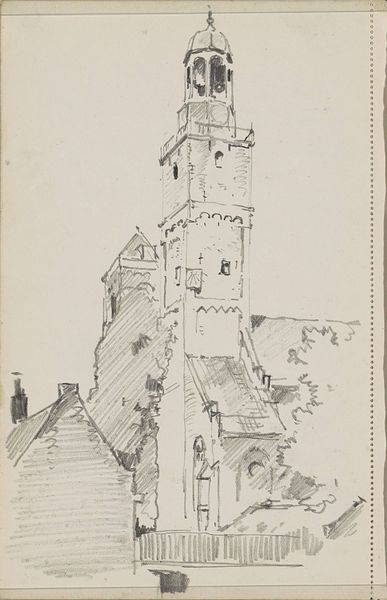
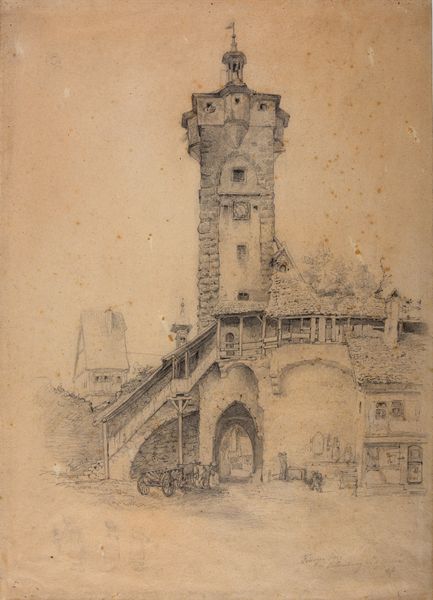
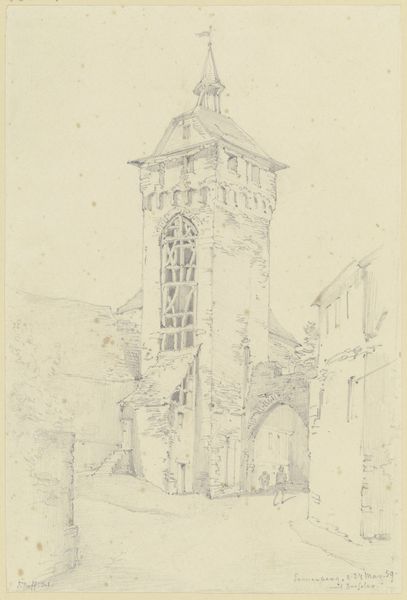
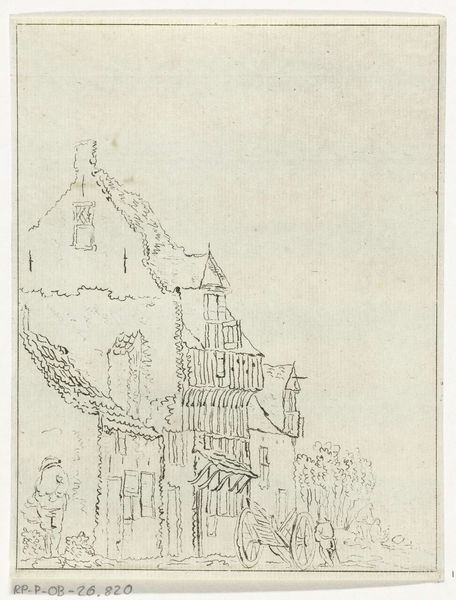
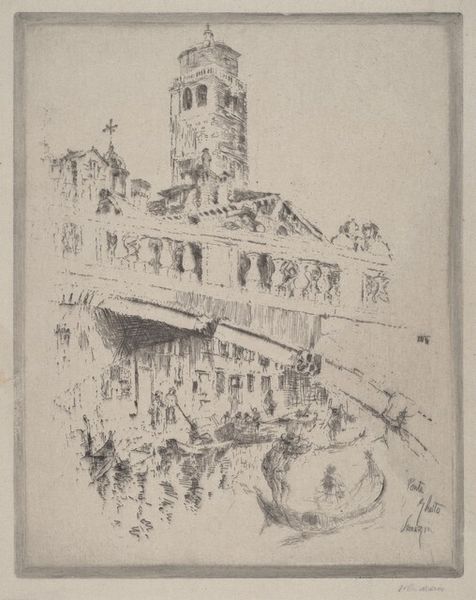
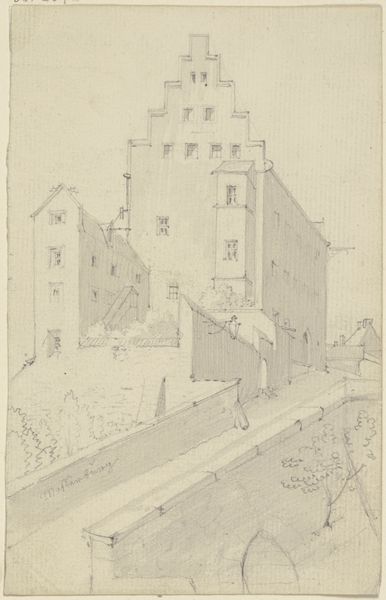
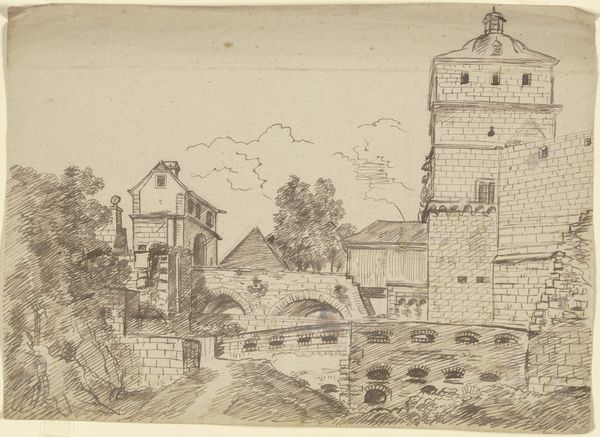
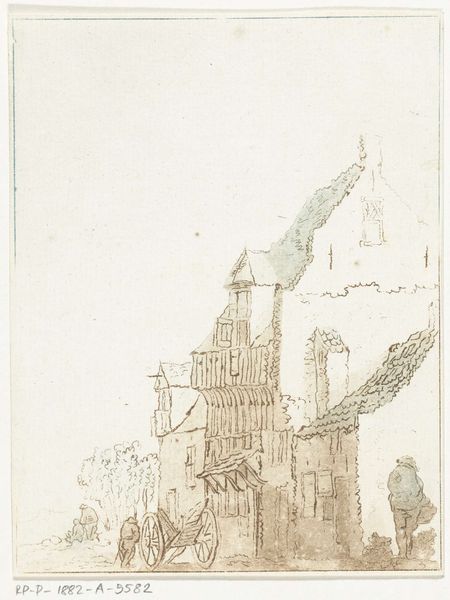
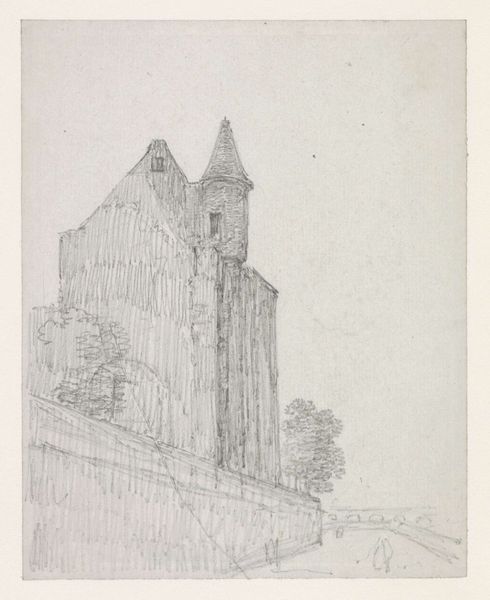
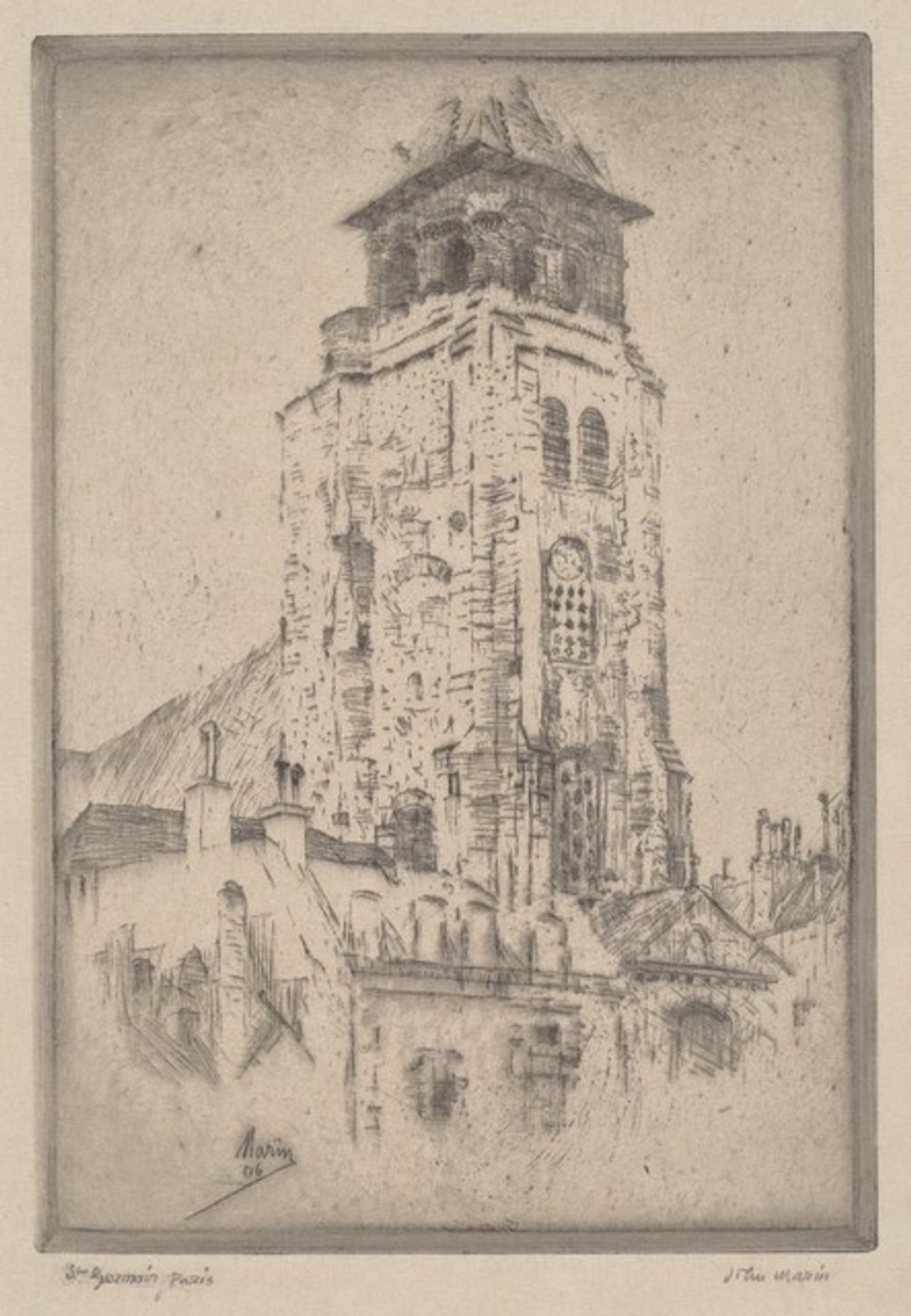
John Marin made this etching, St. Germain-Des-Pres, sometime around 1906. It’s all about the process, and you can see how he’s built up the image bit by bit. I love the way the light catches on the side of the building, it’s like he’s drawing with light as much as line. The material feel is important, you can see the texture of the paper coming through. Look at the way he’s scratched those lines into the metal plate, so raw and immediate, you can imagine him working away at it. Then notice how he’s used the acid to bite into the plate, creating these subtle tonal variations. There’s a real physicality to the process, and you can sense that in the final print. Marin, like Whistler before him, seems to be taking cues from the urban environment, not just depicting it, but trying to find some kind of equivalent in mark making. It's a conversation that continues to this day. There’s no right or wrong way to see it; it’s all about feeling and letting the image resonate with you.


Artwork details
- Dimensions
- plate: 20.4 x 14 cm (8 1/16 x 5 1/2 in.) sheet (irregular): 27.4 x 20.5 cm (10 13/16 x 8 1/16 in.)
- Copyright
- National Gallery of Art: CC0 1.0
Comments
Be the first to share your thoughts about this work.
About this artwork
John Marin made this etching, St. Germain-Des-Pres, sometime around 1906. It’s all about the process, and you can see how he’s built up the image bit by bit. I love the way the light catches on the side of the building, it’s like he’s drawing with light as much as line. The material feel is important, you can see the texture of the paper coming through. Look at the way he’s scratched those lines into the metal plate, so raw and immediate, you can imagine him working away at it. Then notice how he’s used the acid to bite into the plate, creating these subtle tonal variations. There’s a real physicality to the process, and you can sense that in the final print. Marin, like Whistler before him, seems to be taking cues from the urban environment, not just depicting it, but trying to find some kind of equivalent in mark making. It's a conversation that continues to this day. There’s no right or wrong way to see it; it’s all about feeling and letting the image resonate with you.
Comments
Be the first to share your thoughts about this work.