About this artwork
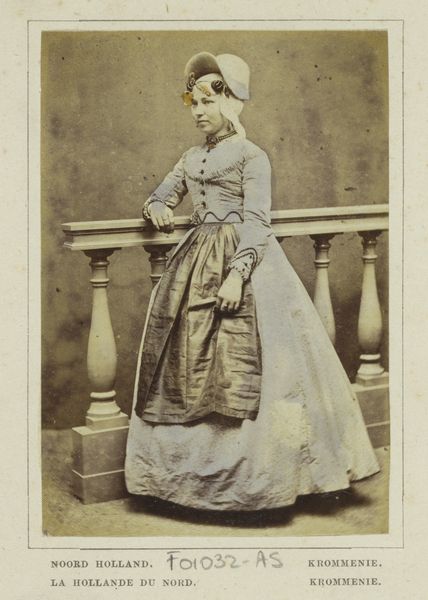
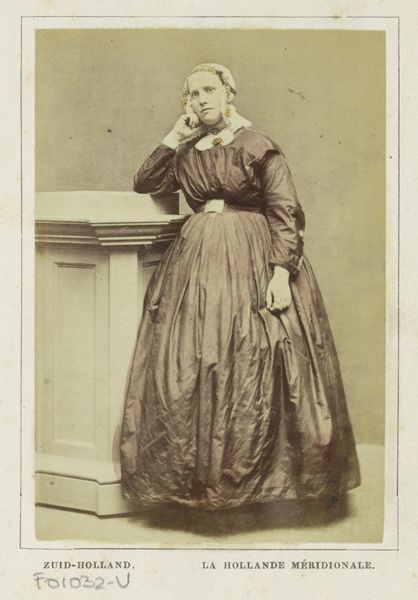
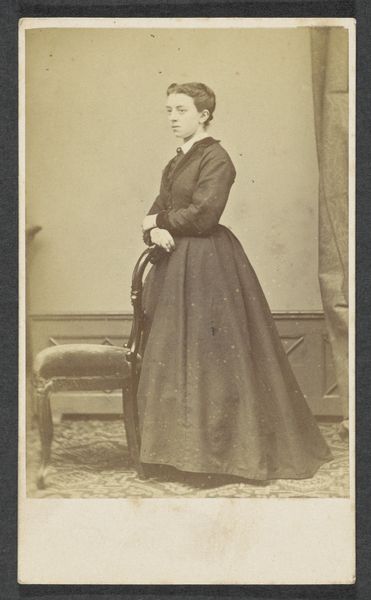
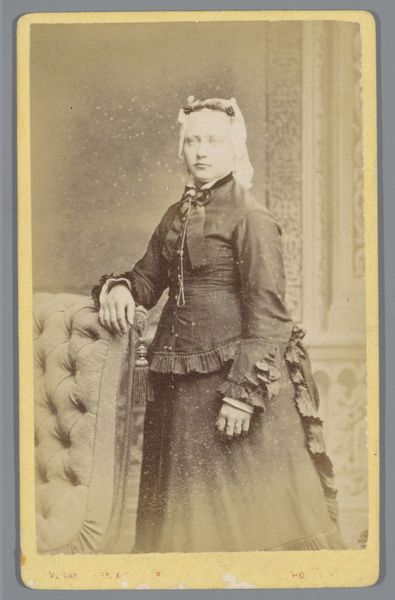
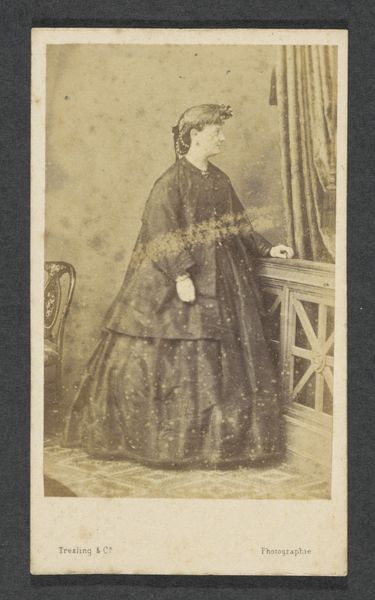
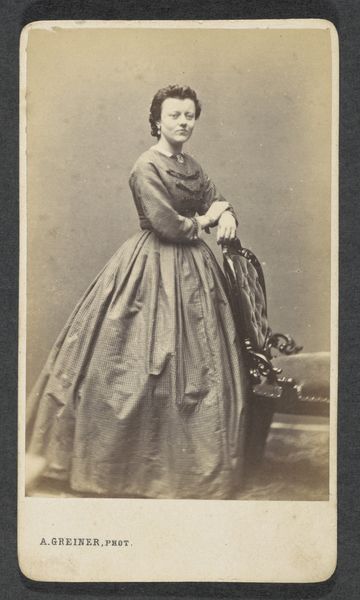
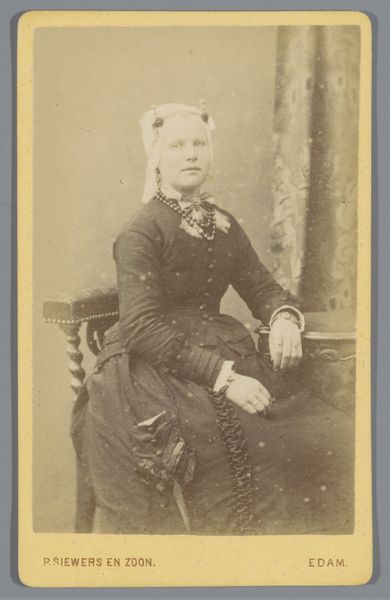
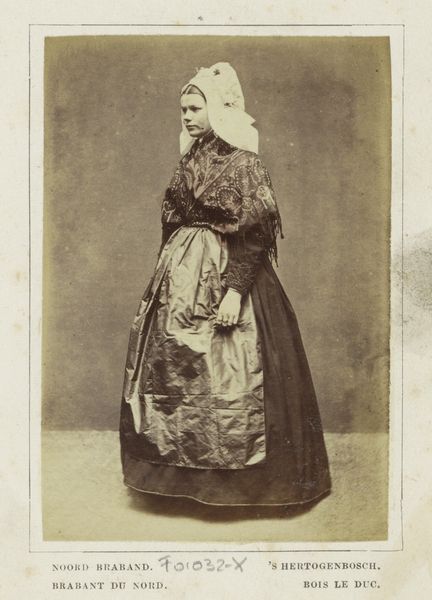
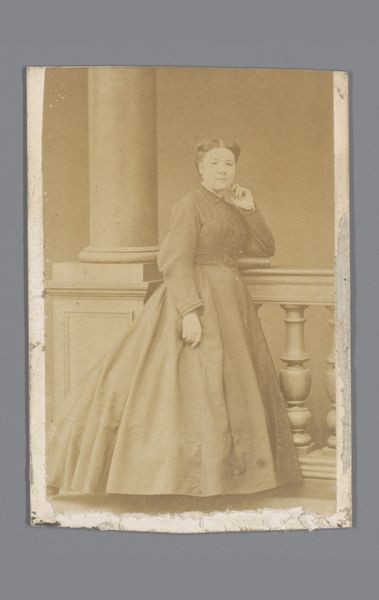
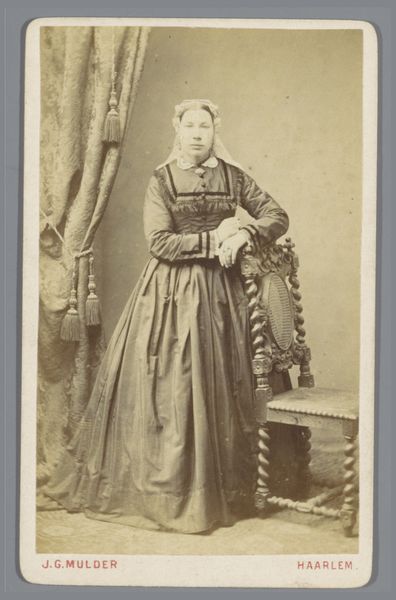
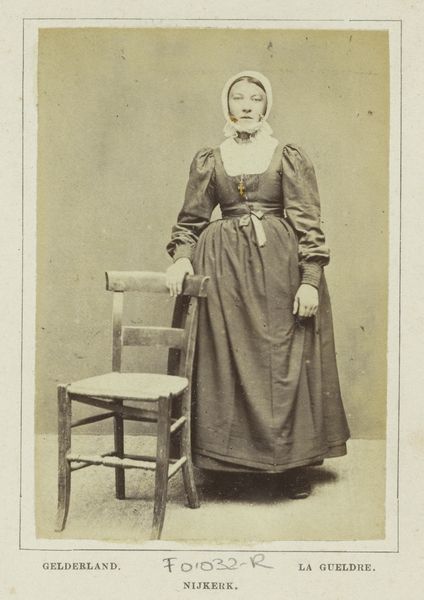
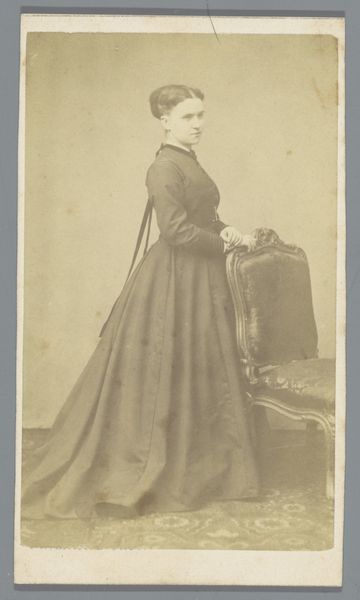
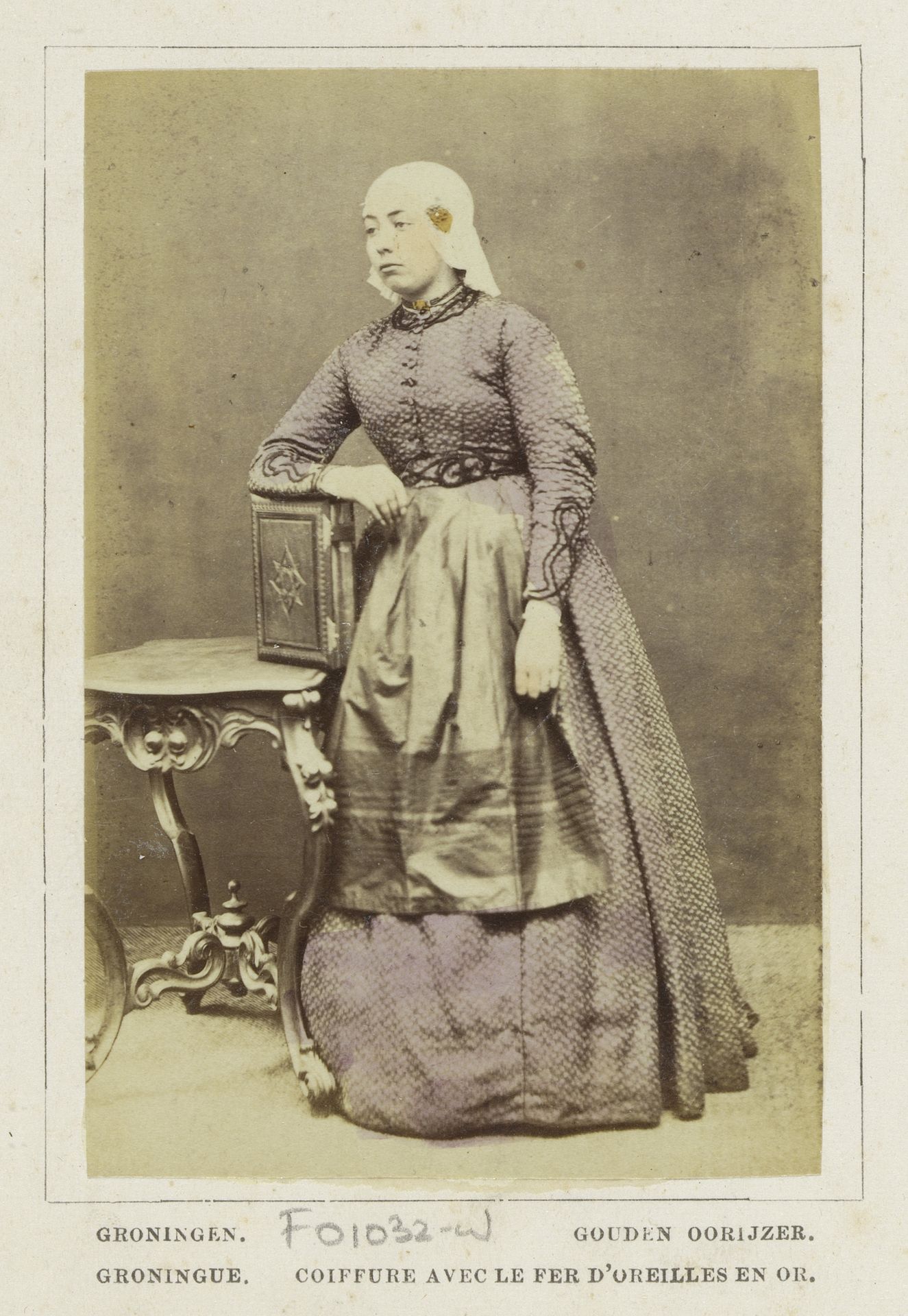
Andries Jager created this small photograph of an unknown woman, likely in the mid-19th century, using the albumen silver print method. The woman’s traditional dress immediately places this image within the cultural landscape of Groningen. Beyond its aesthetic qualities, this portrait offers insights into the social dynamics of the time. The woman’s attire, while traditional, speaks to regional identity and perhaps social status within that community. Photography itself was still a relatively new medium, and its use in portraiture signaled a shift in how individuals and communities could represent themselves. Was this woman part of a rising middle class, eager to embrace new technologies and display her cultural identity? Or was this photograph commissioned to document and preserve Groningen's cultural heritage? Historians would consult local archives, costume collections, and genealogical records. The image’s value lies not only in its artistic composition but in its potential to unlock stories about identity, representation, and the evolving social fabric of 19th-century Netherlands.
Portret van een onbekende vrouw met fotoalbum of boek in klederdracht van Groningen
1860 - 1890

Andries Jager
1825 - 1905Location
RijksmuseumArtwork details
- Medium
- daguerreotype, photography
- Dimensions
- height 87 mm, width 57 mm
- Location
- Rijksmuseum
- Copyright
- Rijks Museum: Open Domain
Tags
Comments
Share your thoughts
About this artwork
Andries Jager created this small photograph of an unknown woman, likely in the mid-19th century, using the albumen silver print method. The woman’s traditional dress immediately places this image within the cultural landscape of Groningen. Beyond its aesthetic qualities, this portrait offers insights into the social dynamics of the time. The woman’s attire, while traditional, speaks to regional identity and perhaps social status within that community. Photography itself was still a relatively new medium, and its use in portraiture signaled a shift in how individuals and communities could represent themselves. Was this woman part of a rising middle class, eager to embrace new technologies and display her cultural identity? Or was this photograph commissioned to document and preserve Groningen's cultural heritage? Historians would consult local archives, costume collections, and genealogical records. The image’s value lies not only in its artistic composition but in its potential to unlock stories about identity, representation, and the evolving social fabric of 19th-century Netherlands.
Comments
Share your thoughts