About this artwork
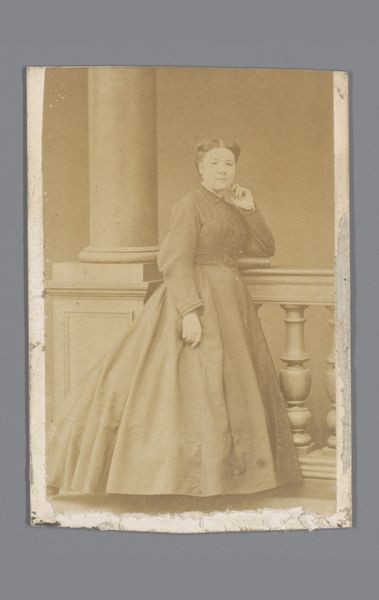
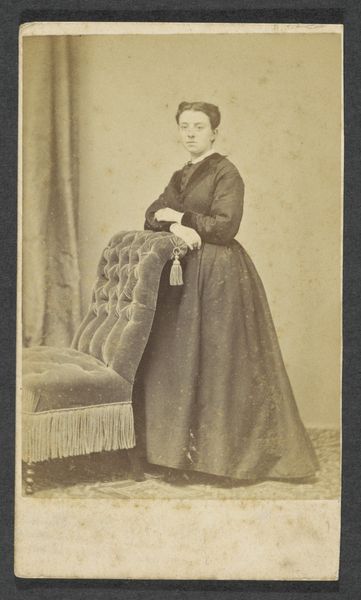
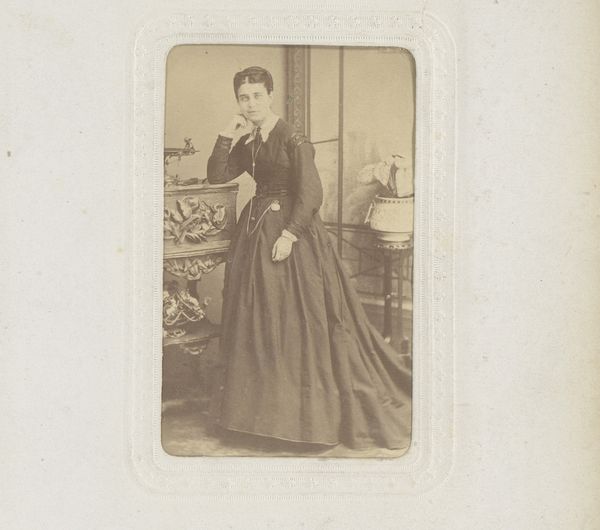
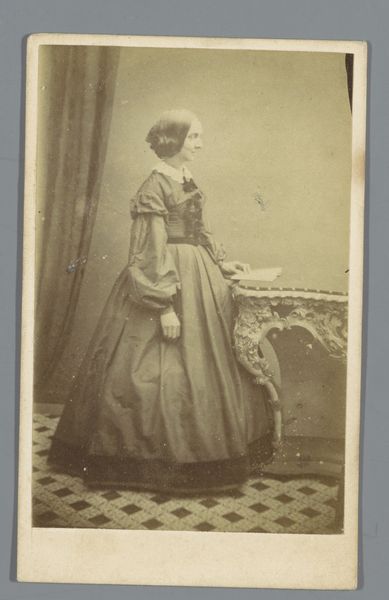
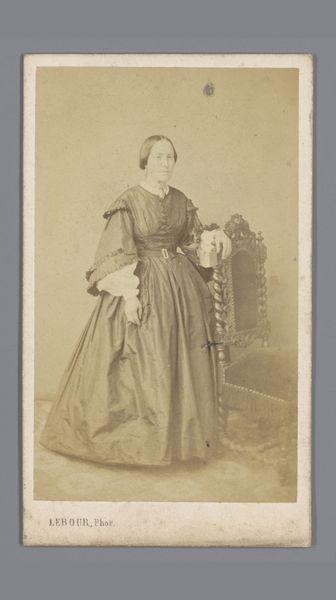
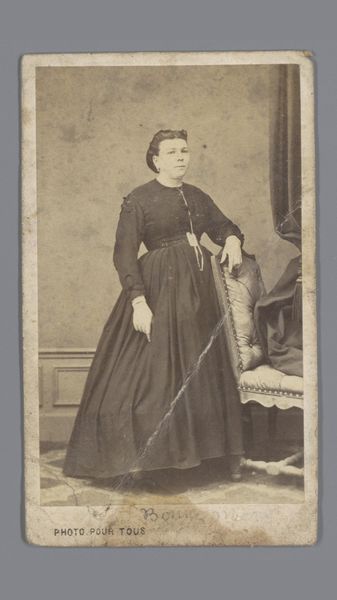
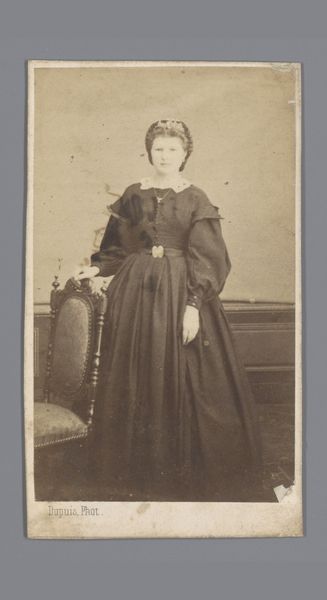
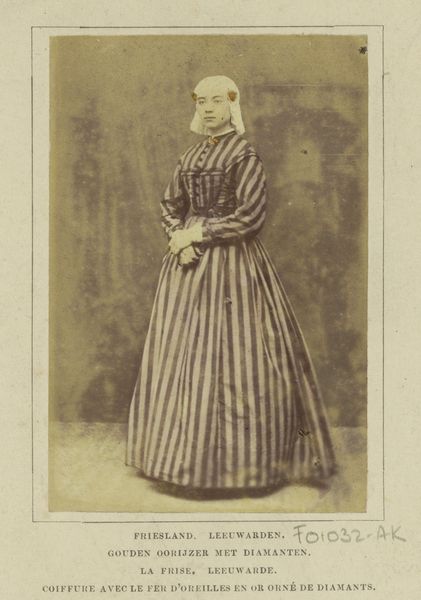
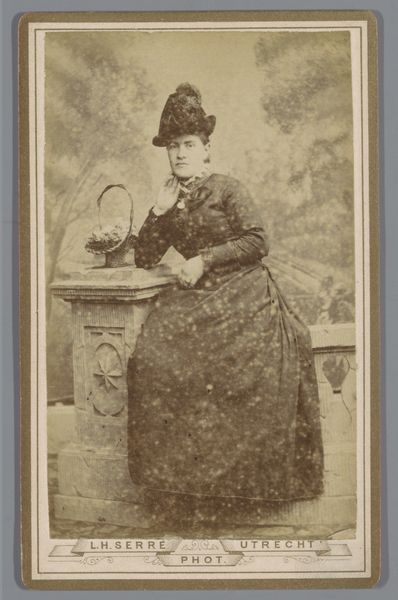
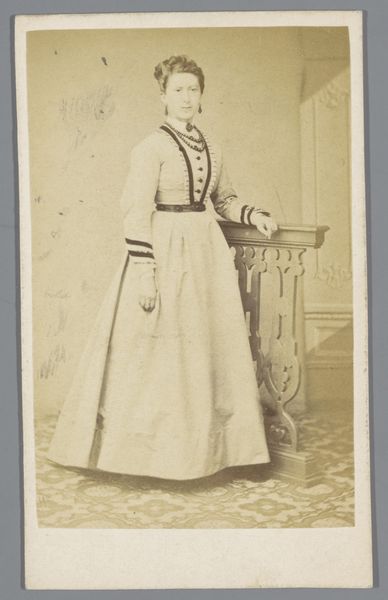
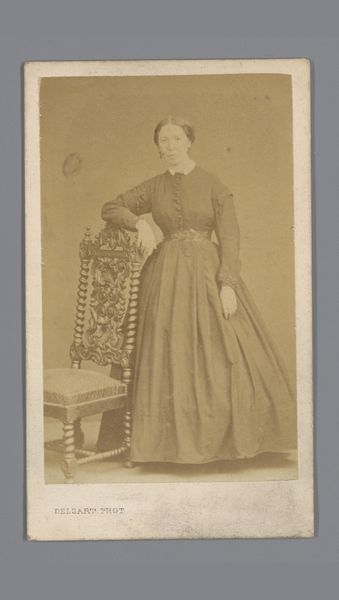
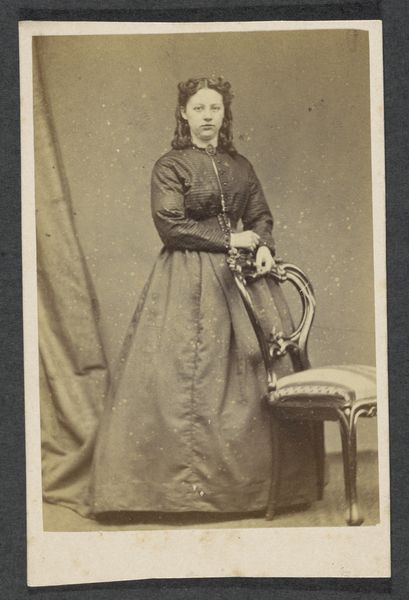
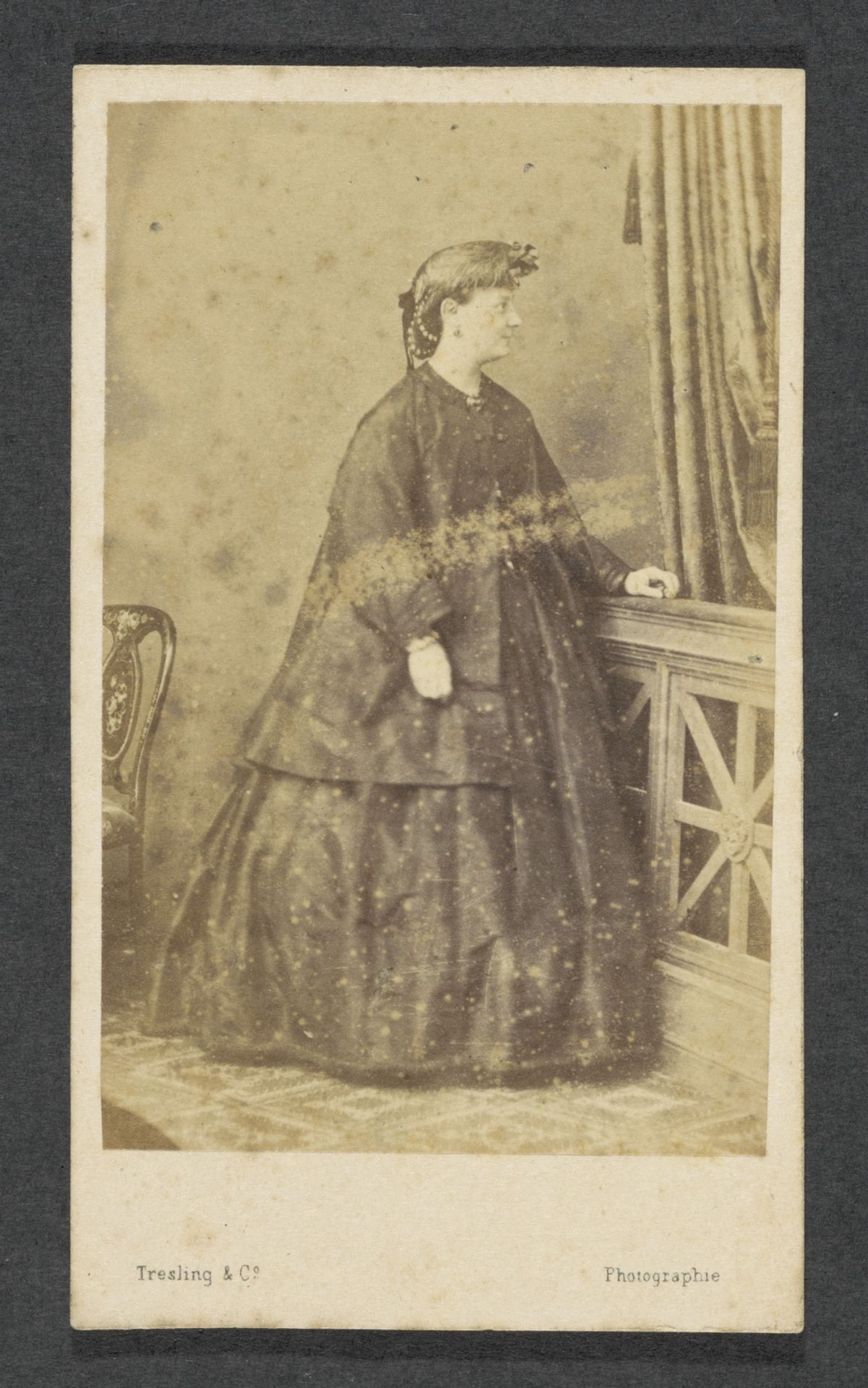
This photograph, made by Tresling & Comp., portrays an unknown woman from the Marmelstein family. Photography in this era involved a complex chemical process, each image a unique material object, not simply a click of a button. Consider the surface, the sepia tones, and the way light and shadow play across the woman’s dress, subtly revealing its texture. The materiality of photography influences its appearance, preserving a moment in time through a labor-intensive process. Photographers like Tresling & Comp. democratized portraiture, making it accessible to a wider segment of society beyond the elite who could afford painted portraits. Yet, the labor involved – from setting up the shot to developing the image – often remains unseen. This highlights the complex relationship between technology, labor, and class in the 19th century. Recognizing photography as a craft challenges traditional hierarchies and enriches our understanding of its cultural significance.
Portret van een onbekende vrouw uit de familie Marmelstein 1850 - 1900

Tresling & Comp.
@treslingcompLocation
RijksmuseumArtwork details
- Medium
- photography, gelatin-silver-print
- Dimensions
- height 106 mm, width 61 mm
- Location
- Rijksmuseum
- Copyright
- Rijks Museum: Open Domain
Tags
portrait
photography
gelatin-silver-print
genre-painting
Comments
No comments
About this artwork
This photograph, made by Tresling & Comp., portrays an unknown woman from the Marmelstein family. Photography in this era involved a complex chemical process, each image a unique material object, not simply a click of a button. Consider the surface, the sepia tones, and the way light and shadow play across the woman’s dress, subtly revealing its texture. The materiality of photography influences its appearance, preserving a moment in time through a labor-intensive process. Photographers like Tresling & Comp. democratized portraiture, making it accessible to a wider segment of society beyond the elite who could afford painted portraits. Yet, the labor involved – from setting up the shot to developing the image – often remains unseen. This highlights the complex relationship between technology, labor, and class in the 19th century. Recognizing photography as a craft challenges traditional hierarchies and enriches our understanding of its cultural significance.
Comments
No comments