About this artwork
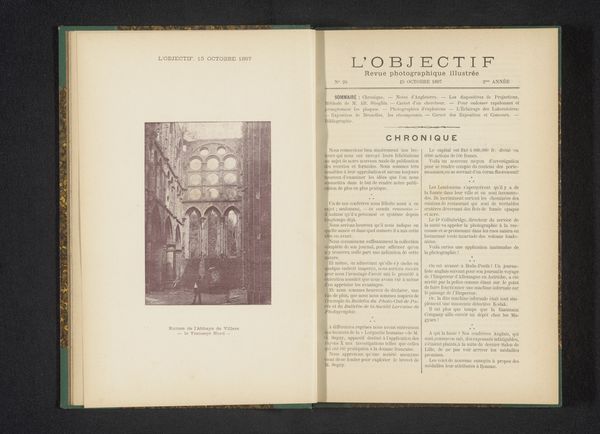
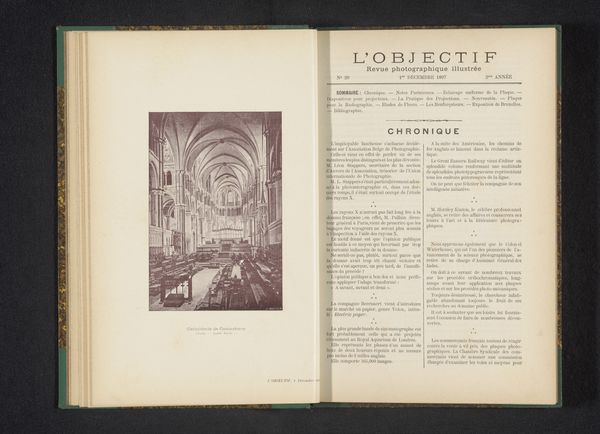
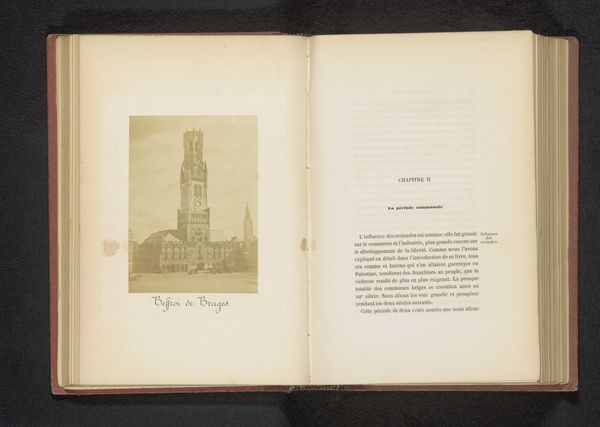
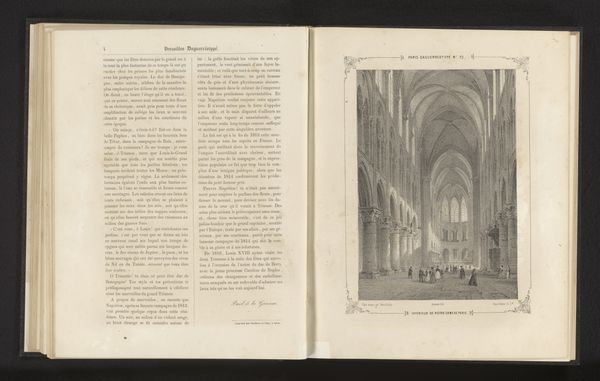
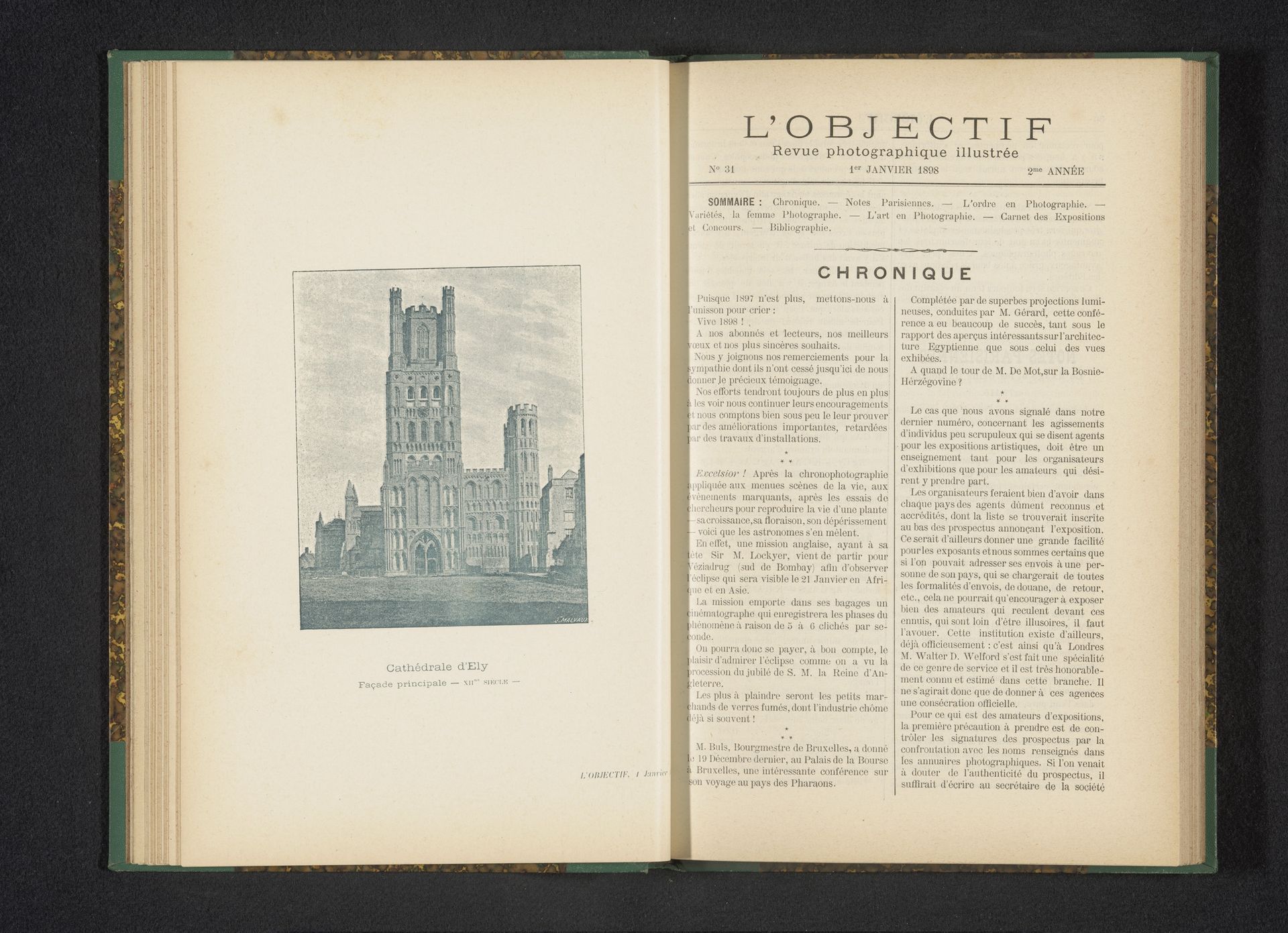
Editor: So, here we have "View of Ely Cathedral" by Jean Malvaux, an etching made sometime before 1900. It's quite striking – the cathedral looms so large and imposing on the page. What do you see in this piece? Curator: Immediately, I'm struck by the symbolic weight of the cathedral itself. It's not just a building; it’s a visual embodiment of faith, power, and perhaps even societal aspirations of the time. Notice how Malvaux captures its verticality – the way it reaches towards the heavens. Do you think that was intentional? Editor: I imagine so, it really emphasizes its grandeur! The detail too - the lines creating textures of stone - give such a sense of age. Curator: Exactly. And age connects us to layers of cultural memory. Consider the cathedral as a vessel. It holds within its walls centuries of prayers, historical events, artistic expression... and the symbols embedded in the architecture itself - think of the arches, the spires, even the light filtering through stained glass. These are all visual cues that evoke deeper meaning and a collective experience. What feelings do these symbolic architectural forms convey? Editor: I feel a sense of awe and permanence. It makes me consider how these physical structures shape our perception of history and spirituality. Curator: Precisely. It's also worth considering the neo-impressionist influences visible through its style. These influences provide modern interpretations to tradition and history. Malvaux reminds us that visual symbols don't exist in a vacuum, but evolve and are reinterpreted across time. Editor: That's fascinating! I never really considered how much symbolism can be embedded in a seemingly straightforward architectural print. Curator: It's a reminder that art, in all its forms, carries echoes of the past and whispers of the future.

Artwork details
- Medium
- print, etching, photography, engraving, architecture
- Dimensions
- height 118 mm, width 95 mm
- Copyright
- Rijks Museum: Open Domain
Tags
etching
neo-impressionism
photography
symbolism
engraving
architecture
Comments
No comments
About this artwork
Editor: So, here we have "View of Ely Cathedral" by Jean Malvaux, an etching made sometime before 1900. It's quite striking – the cathedral looms so large and imposing on the page. What do you see in this piece? Curator: Immediately, I'm struck by the symbolic weight of the cathedral itself. It's not just a building; it’s a visual embodiment of faith, power, and perhaps even societal aspirations of the time. Notice how Malvaux captures its verticality – the way it reaches towards the heavens. Do you think that was intentional? Editor: I imagine so, it really emphasizes its grandeur! The detail too - the lines creating textures of stone - give such a sense of age. Curator: Exactly. And age connects us to layers of cultural memory. Consider the cathedral as a vessel. It holds within its walls centuries of prayers, historical events, artistic expression... and the symbols embedded in the architecture itself - think of the arches, the spires, even the light filtering through stained glass. These are all visual cues that evoke deeper meaning and a collective experience. What feelings do these symbolic architectural forms convey? Editor: I feel a sense of awe and permanence. It makes me consider how these physical structures shape our perception of history and spirituality. Curator: Precisely. It's also worth considering the neo-impressionist influences visible through its style. These influences provide modern interpretations to tradition and history. Malvaux reminds us that visual symbols don't exist in a vacuum, but evolve and are reinterpreted across time. Editor: That's fascinating! I never really considered how much symbolism can be embedded in a seemingly straightforward architectural print. Curator: It's a reminder that art, in all its forms, carries echoes of the past and whispers of the future.
Comments
No comments