About this artwork
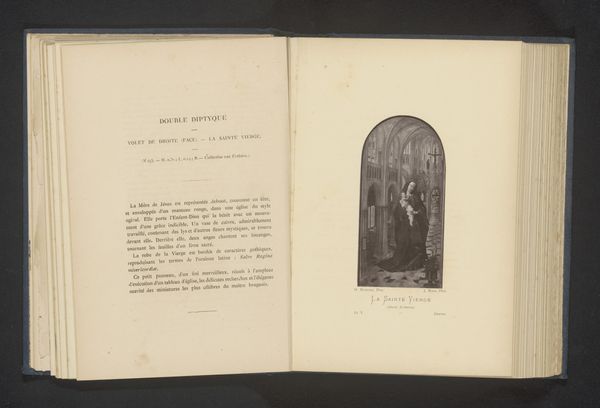
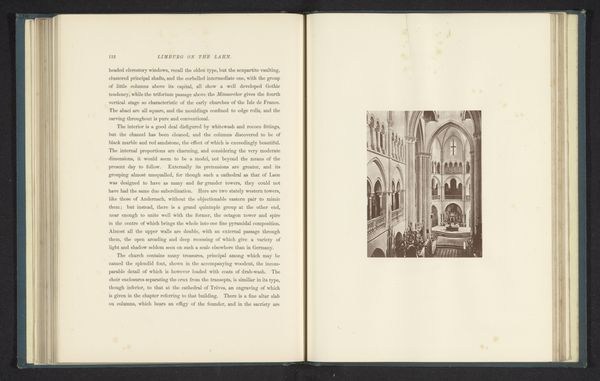
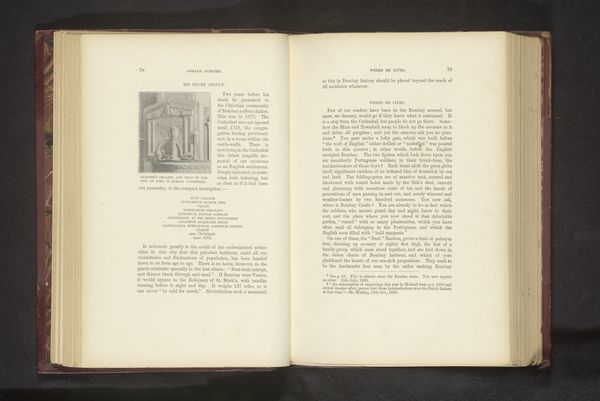
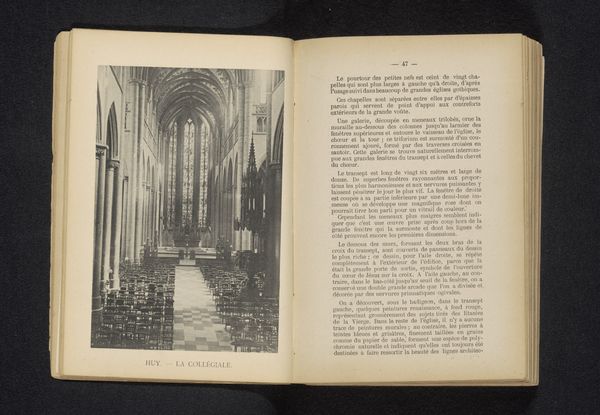
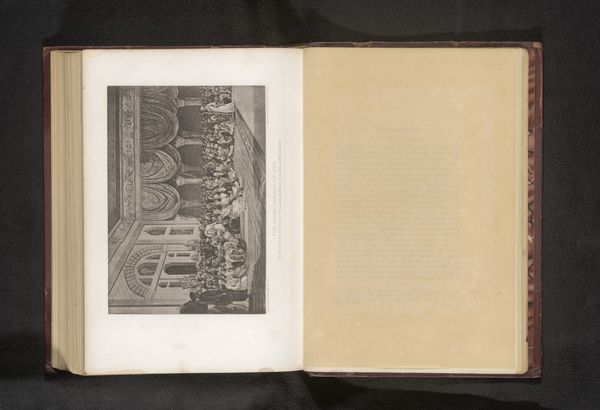
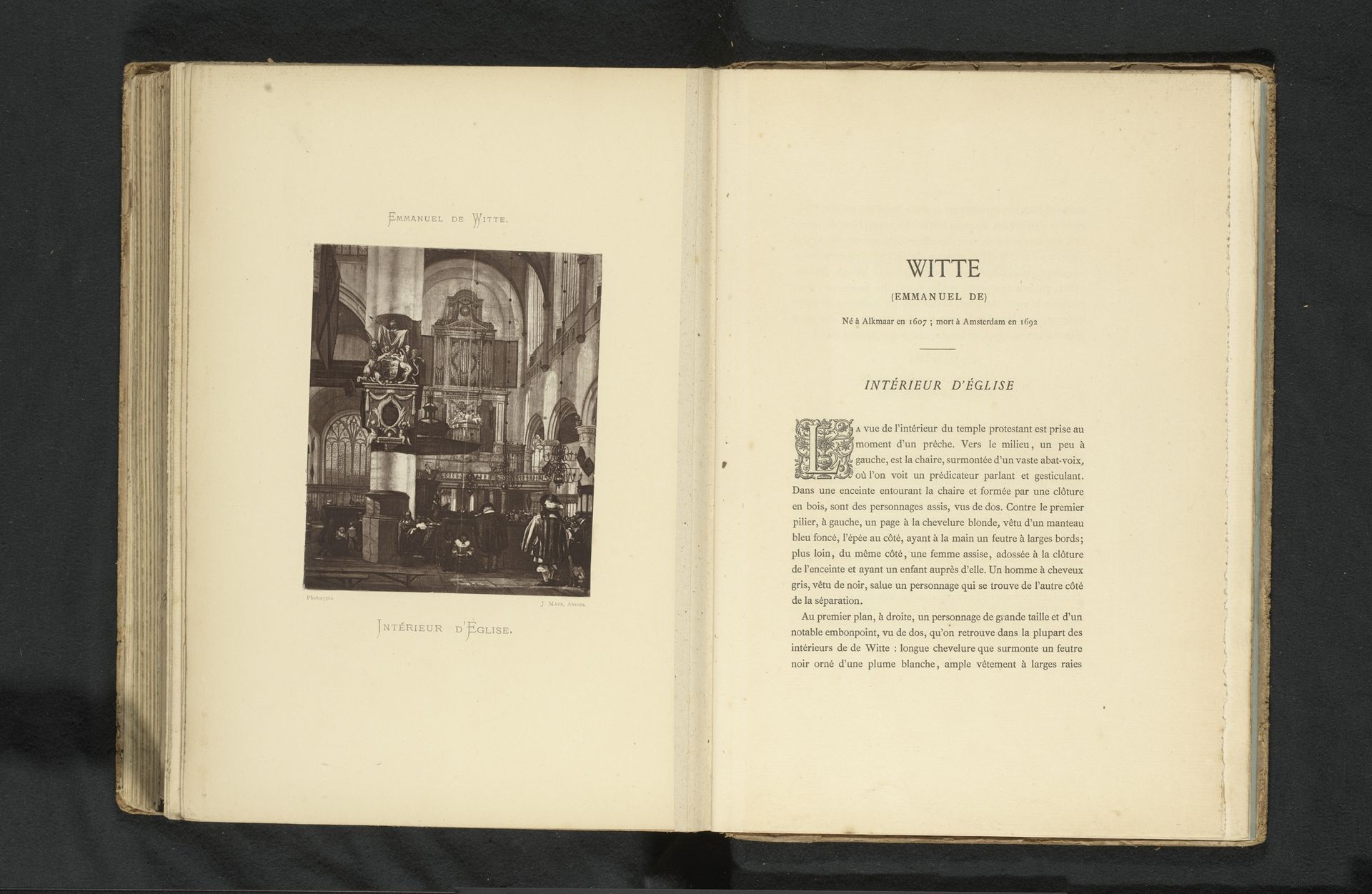
This is a reproduction by Joseph Maes of a painting by Emanuel de Witte, capturing the interior of a church during service. Dominating the scene is the pulpit, adorned with intricate carvings, a symbol of religious authority and the spoken word's power. The pulpit is not merely a structure; it is a stage for the performance of faith, a motif that echoes across time. We see similar platforms in Byzantine mosaics, where elevated spaces denote sacred presence. Consider, too, the bema in ancient synagogues, a space from which scripture was read, symbolically connecting earthly and divine realms. This act of elevating the speaker is deeply ingrained in our collective psyche, resonating with the primal need for guidance and order. The church's architecture, with its soaring arches, evokes a sense of awe, channeling emotional and psychological states of reverence and humility. This potent symbolism, though resurfaced and recontextualized, echoes through history, continually engaging viewers on a profound, subconscious level.
Reproductie van een schilderij van een gezicht op het interieur van een kerk tijdens een dienst door Emanuel de Witte before 1878

Artwork details
- Dimensions
- height 144 mm, width 120 mm
- Copyright
- Rijks Museum: Open Domain
Comments
No comments
About this artwork
This is a reproduction by Joseph Maes of a painting by Emanuel de Witte, capturing the interior of a church during service. Dominating the scene is the pulpit, adorned with intricate carvings, a symbol of religious authority and the spoken word's power. The pulpit is not merely a structure; it is a stage for the performance of faith, a motif that echoes across time. We see similar platforms in Byzantine mosaics, where elevated spaces denote sacred presence. Consider, too, the bema in ancient synagogues, a space from which scripture was read, symbolically connecting earthly and divine realms. This act of elevating the speaker is deeply ingrained in our collective psyche, resonating with the primal need for guidance and order. The church's architecture, with its soaring arches, evokes a sense of awe, channeling emotional and psychological states of reverence and humility. This potent symbolism, though resurfaced and recontextualized, echoes through history, continually engaging viewers on a profound, subconscious level.
Comments
No comments