before 1893
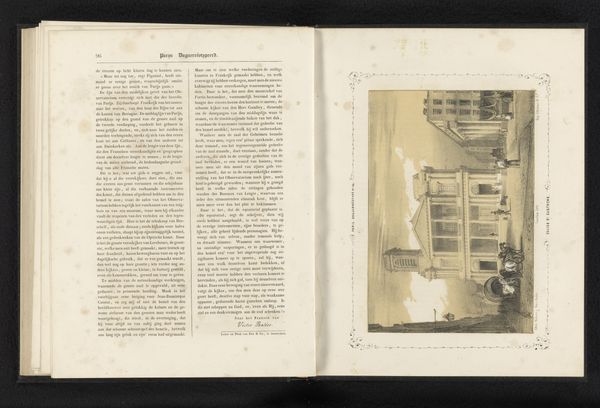
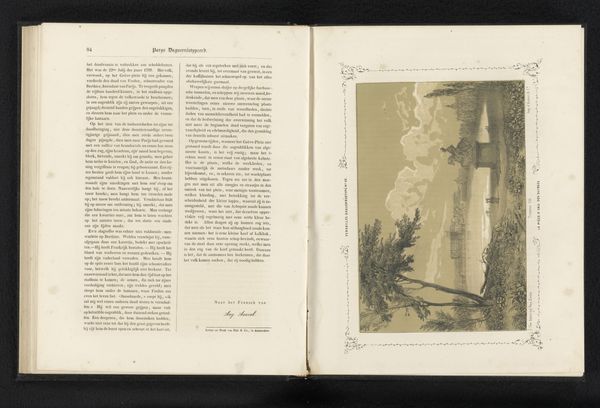
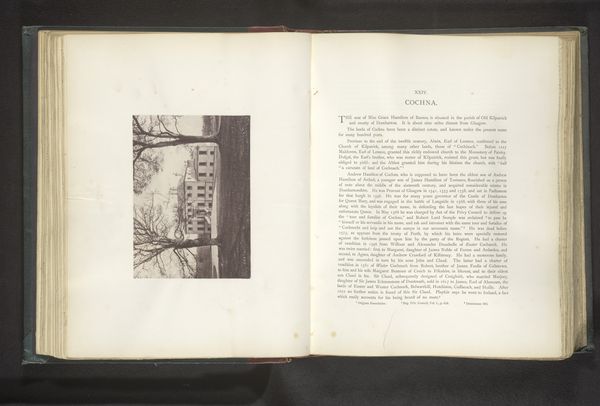
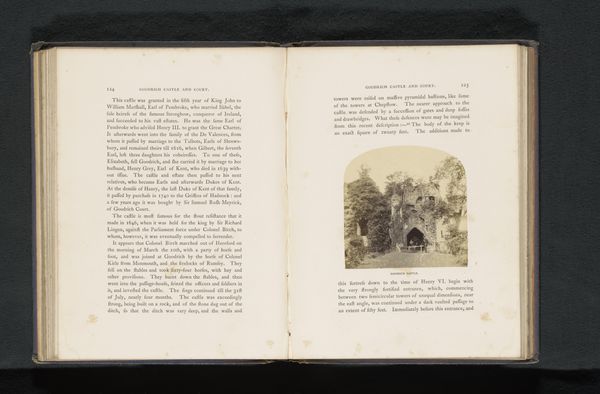
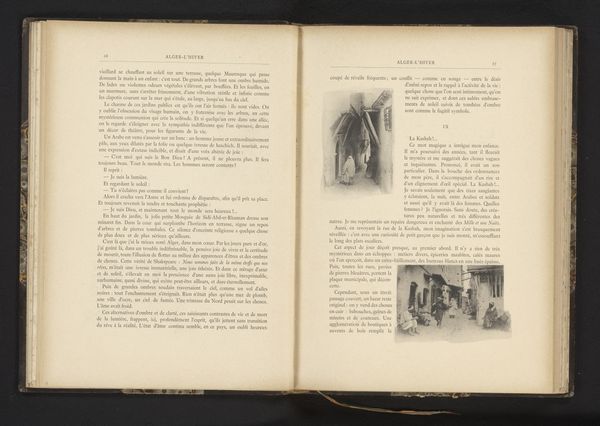
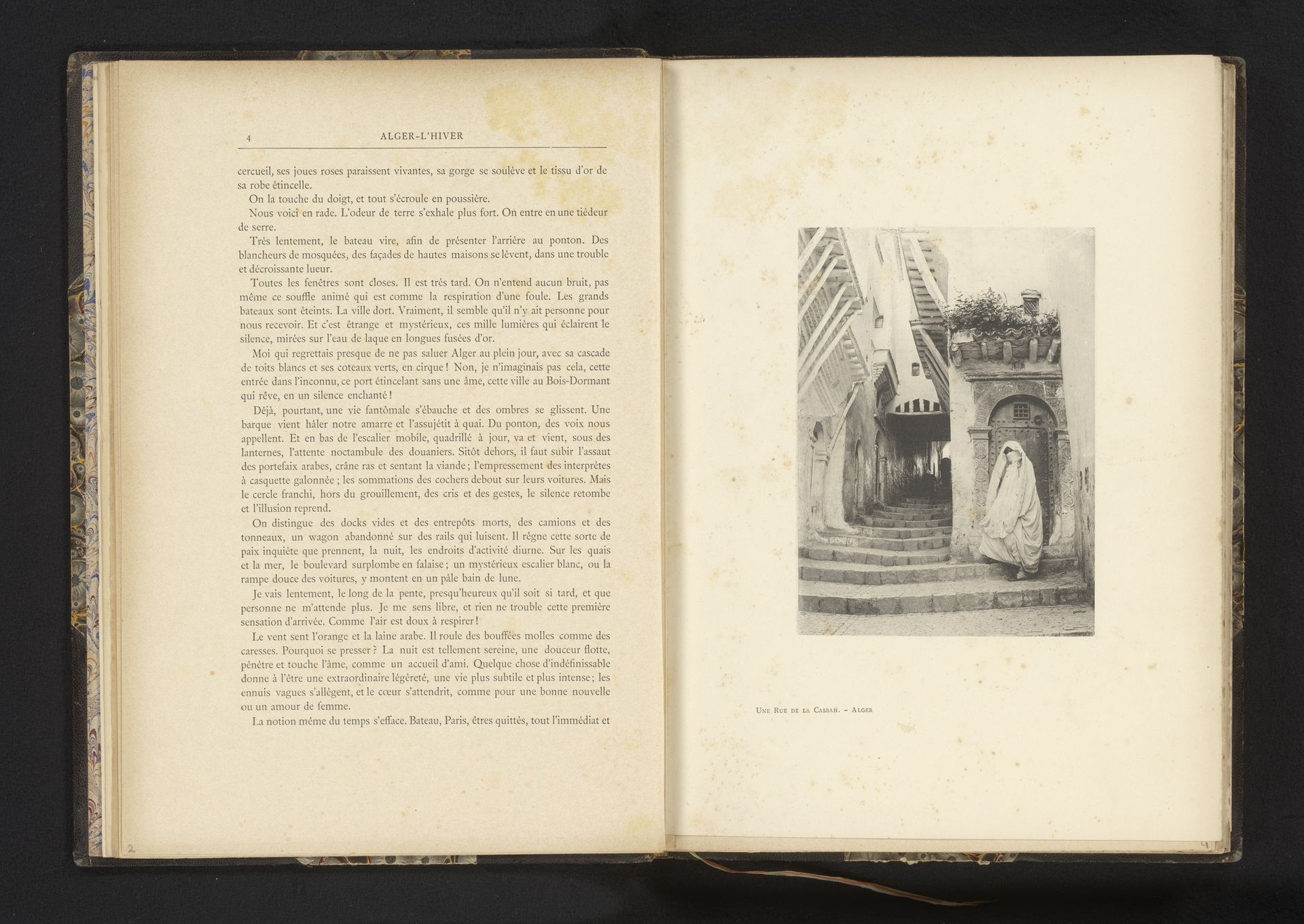
Vrouw in een straat in de kasba van Algiers, Algerije

Jules Gervais-Courtellemont
1863 - 1931Location
RijksmuseumListen to curator's interpretation
Curatorial notes
Jules Gervais-Courtellemont made this photograph of a woman in Algiers, Algeria, sometime before 1931. The image speaks to a moment of French colonialism and the West’s fascination with North Africa, often called “Orientalism”. This photograph invokes a sense of place by capturing the narrow streets and distinct architecture of the Kasbah. The woman, draped in white, embodies both anonymity and cultural identity. During this period, photography played a crucial role in constructing and circulating images of colonized lands. How does this image participate in the broader colonial project? It might be helpful to consider the politics of representation, particularly how the “Orient” was often exoticized and romanticized for Western audiences. Looking into the historical context of French Algeria, the role of photography in colonial administration, and the work of other Orientalist artists can shed light on this photograph's complex social and institutional history. These resources help us understand the power dynamics inherent in creating and viewing such images.