About this artwork
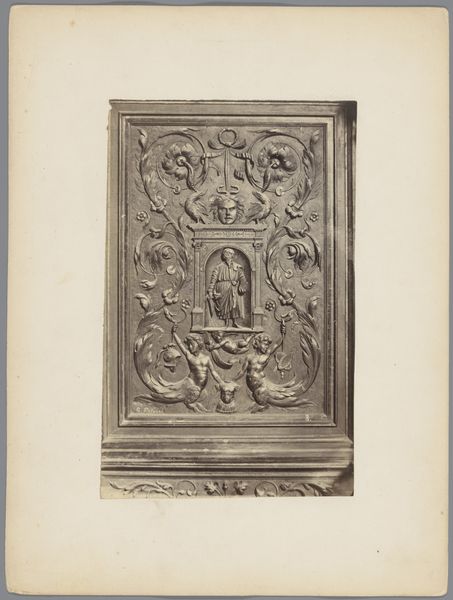
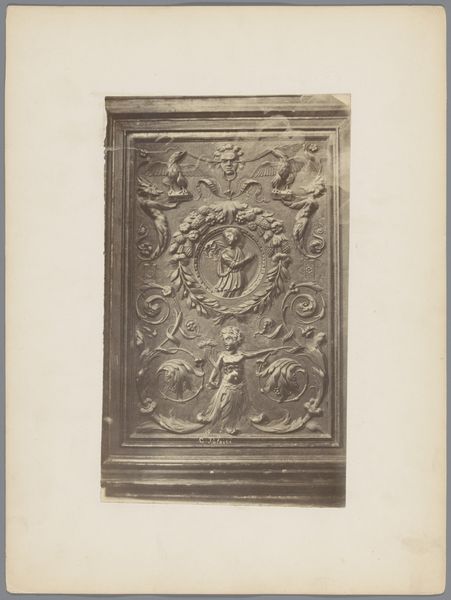
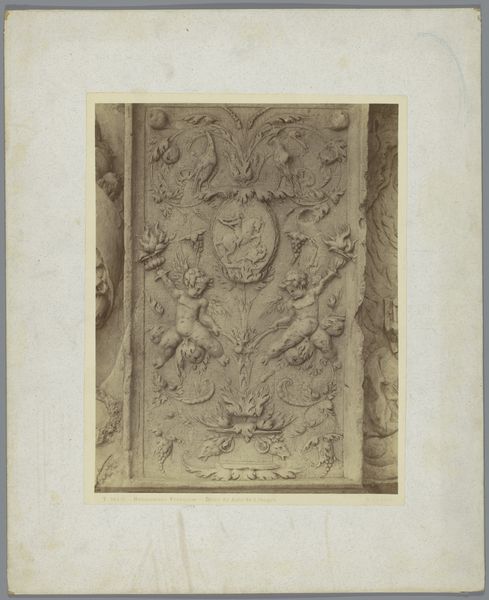
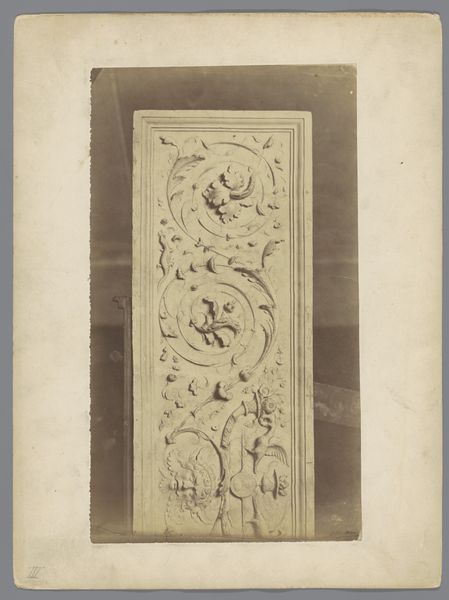
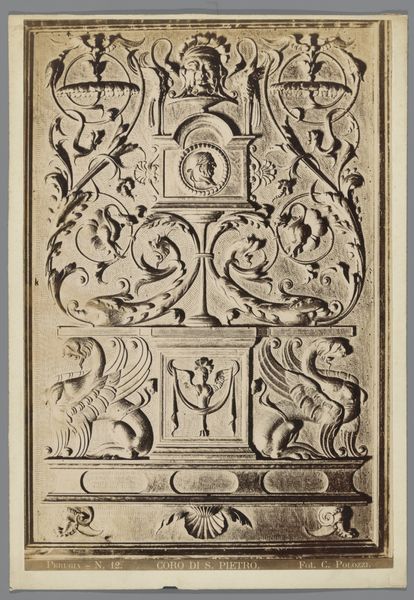
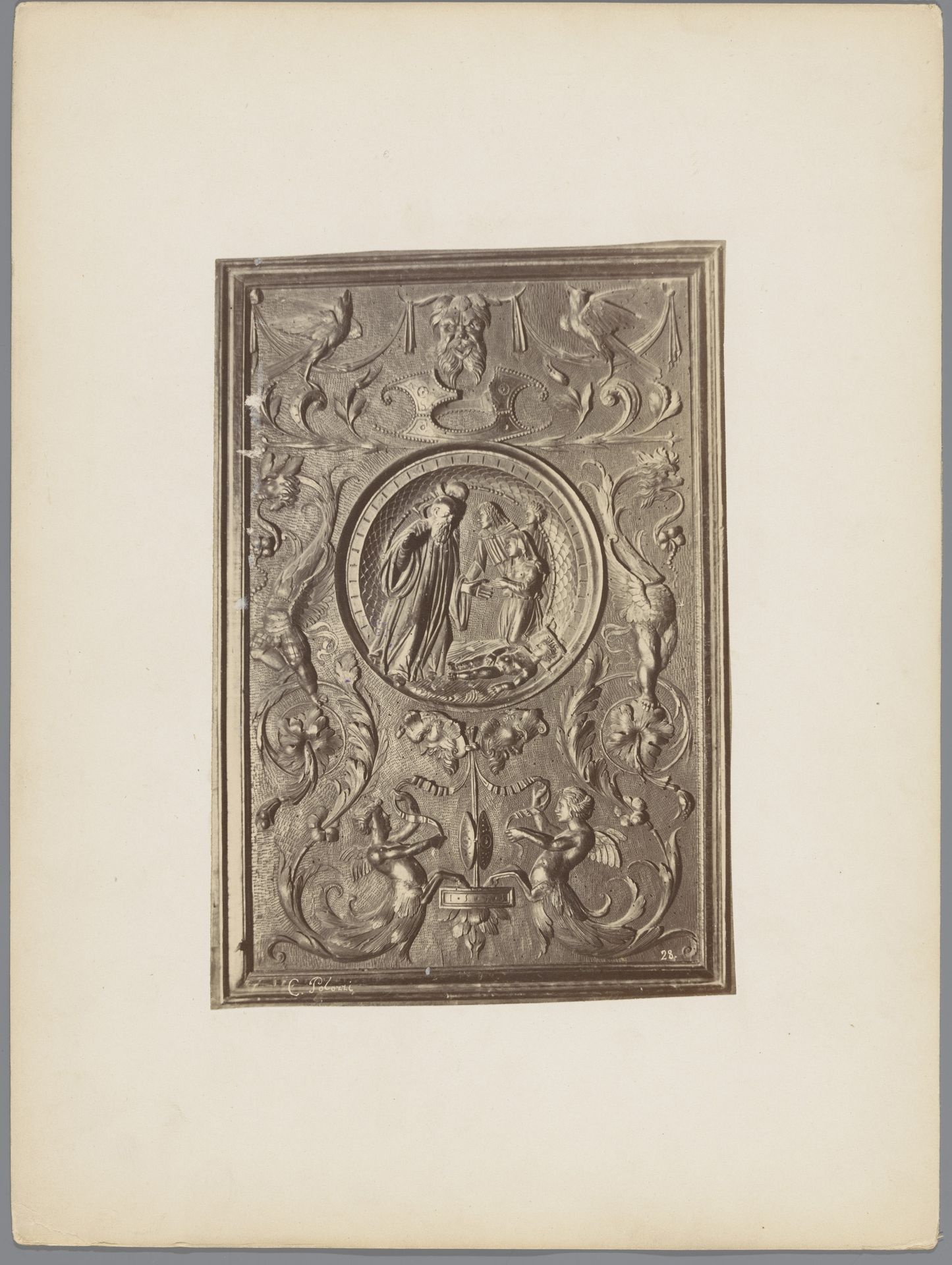
This relief panel, likely made by C. Polozzi, depicts what is thought to be the Apostle Paul raising the son of a king in Antioch. This image operates within a visual culture steeped in biblical narratives. The scene is framed within an ornamental border, typical of the period, filled with cherubic figures and classical motifs, suggesting the work was intended to serve a decorative as well as devotional purpose, fitting the aesthetic preferences of elite patrons of the time. The choice of this particular episode from the Acts of the Apostles highlights the themes of resurrection, faith, and divine intervention which served as a powerful message during periods of social and religious reform. Understanding this artwork requires us to look at the artistic trends, religious movements, and social hierarchies of the time. By examining historical texts, religious treatises, and patronage records, we can uncover how the image challenges or reinforces the dominant ideologies and structures of power. The meaning of this art is contingent on its social and institutional context.
Paneel met (vermoedelijk) de opwekking van de koningszoon te Antiochië door de apostel Paulus in reliëf c. 1875 - 1900

Artwork details
- Medium
- relief, bronze, photography
- Dimensions
- height 193 mm, width 135 mm
- Copyright
- Rijks Museum: Open Domain
Tags
portrait
medieval
relief
bronze
photography
academic-art
Comments
No comments
About this artwork
This relief panel, likely made by C. Polozzi, depicts what is thought to be the Apostle Paul raising the son of a king in Antioch. This image operates within a visual culture steeped in biblical narratives. The scene is framed within an ornamental border, typical of the period, filled with cherubic figures and classical motifs, suggesting the work was intended to serve a decorative as well as devotional purpose, fitting the aesthetic preferences of elite patrons of the time. The choice of this particular episode from the Acts of the Apostles highlights the themes of resurrection, faith, and divine intervention which served as a powerful message during periods of social and religious reform. Understanding this artwork requires us to look at the artistic trends, religious movements, and social hierarchies of the time. By examining historical texts, religious treatises, and patronage records, we can uncover how the image challenges or reinforces the dominant ideologies and structures of power. The meaning of this art is contingent on its social and institutional context.
Comments
No comments