About this artwork
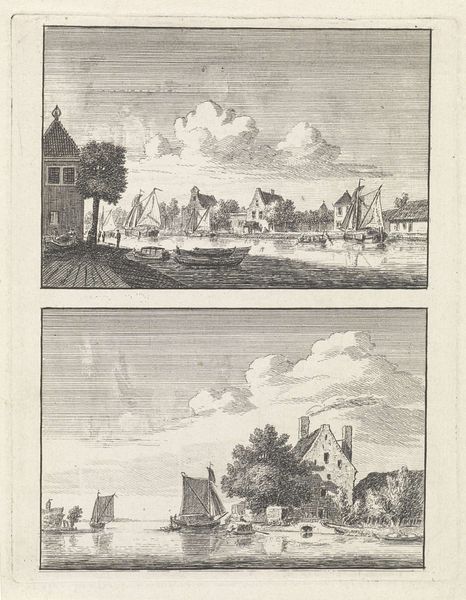
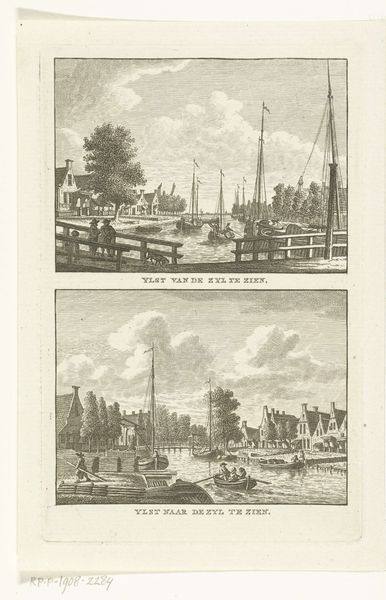
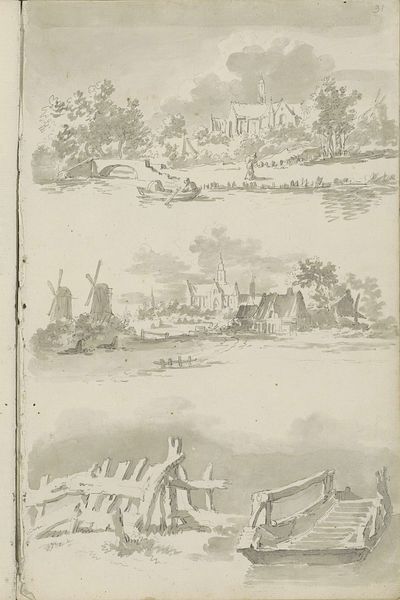
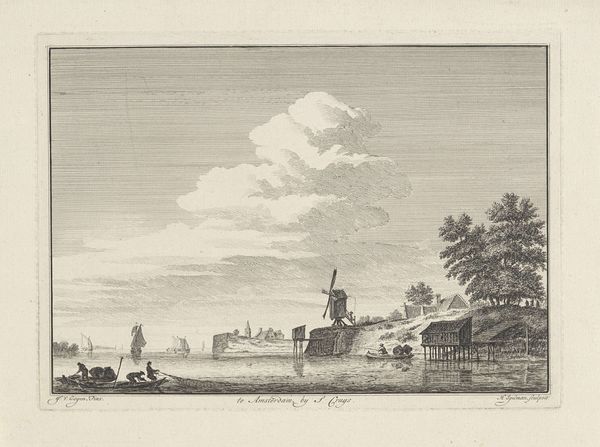
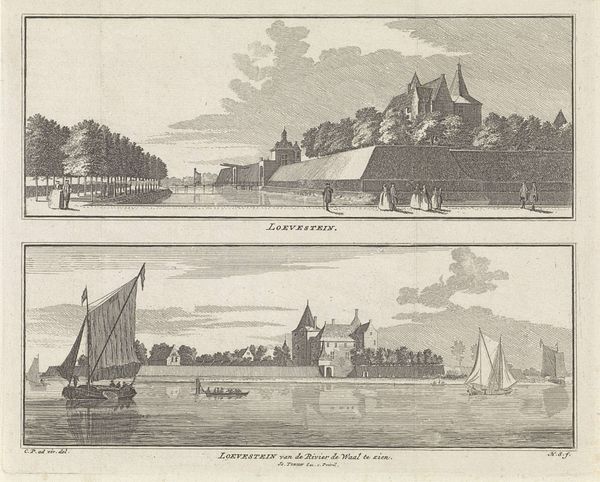
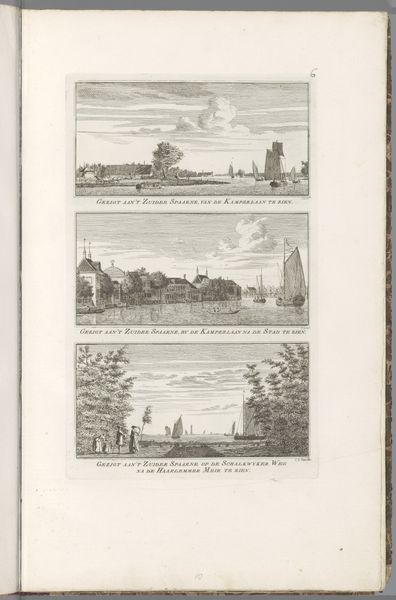
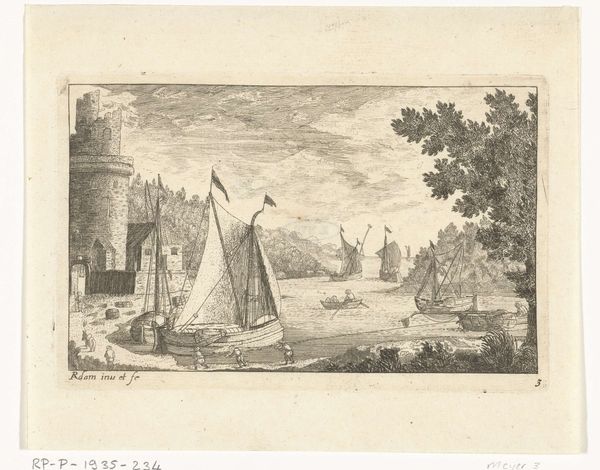
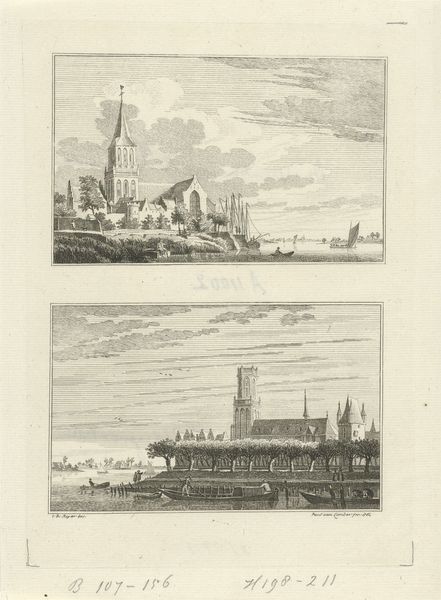
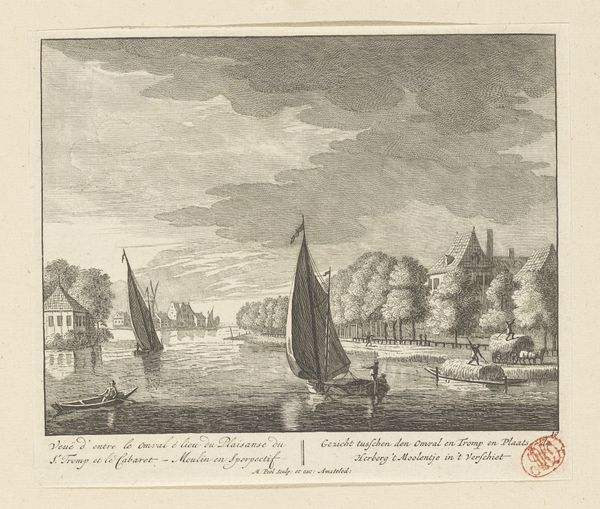
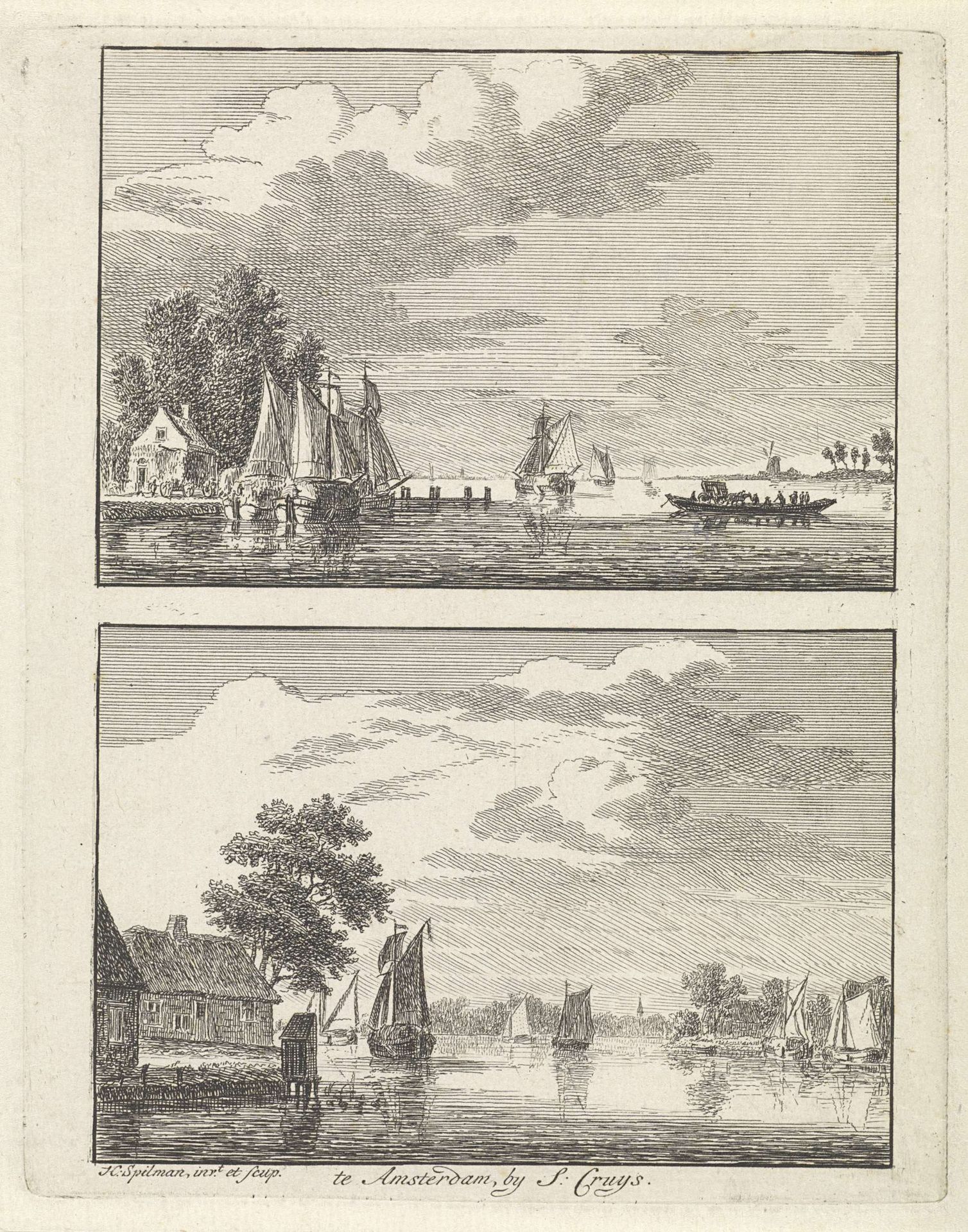
Hendrik Spilman’s "Two River Landscapes with Sailing Ships," a print created in Amsterdam, presents serene waterscapes, each dominated by the presence of sailing vessels. These ships, far from mere transport, are potent symbols of trade and exploration, yet also of human vulnerability against the vastness of nature. The ships evoke the ancient motif of the "ship of souls," bearing the deceased to the afterlife, a theme echoed across cultures from Egyptian funerary barges to Viking ship burials. Consider the psychological weight of the water itself. Water is often interpreted as a symbol for the subconscious, the unknown, and a space for both reflection and reverie, inviting viewers to consider their own journey through life. The visual echoes of ships on water reverberate through art history, continuously adapting to new cultural contexts. These symbols tap into our deepest collective memories, revealing the enduring human quest for understanding our place in the world.
Twee rivierlandschappen met zeilschepen
1742 - 1784

Hendrik Spilman
1721 - 1784Location
RijksmuseumArtwork details
- Dimensions
- height 175 mm, width 138 mm
- Location
- Rijksmuseum
- Copyright
- Rijks Museum: Open Domain
Comments
Share your thoughts
About this artwork
Hendrik Spilman’s "Two River Landscapes with Sailing Ships," a print created in Amsterdam, presents serene waterscapes, each dominated by the presence of sailing vessels. These ships, far from mere transport, are potent symbols of trade and exploration, yet also of human vulnerability against the vastness of nature. The ships evoke the ancient motif of the "ship of souls," bearing the deceased to the afterlife, a theme echoed across cultures from Egyptian funerary barges to Viking ship burials. Consider the psychological weight of the water itself. Water is often interpreted as a symbol for the subconscious, the unknown, and a space for both reflection and reverie, inviting viewers to consider their own journey through life. The visual echoes of ships on water reverberate through art history, continuously adapting to new cultural contexts. These symbols tap into our deepest collective memories, revealing the enduring human quest for understanding our place in the world.
Comments
Share your thoughts