About this artwork
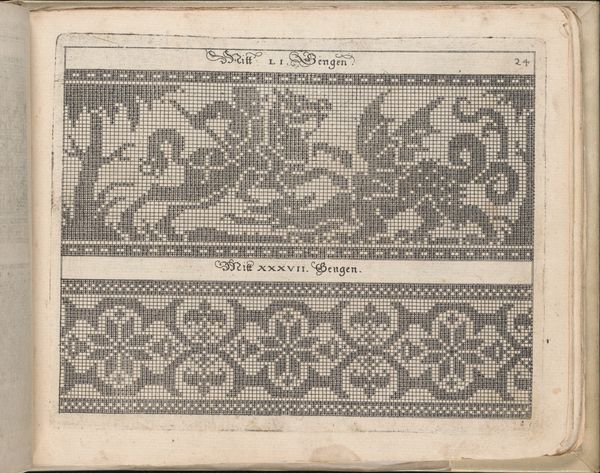
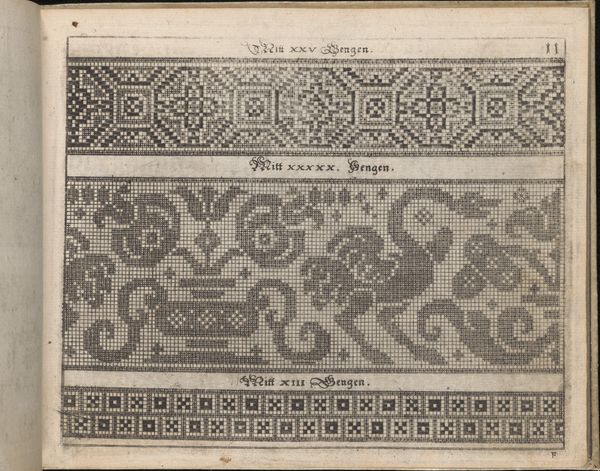
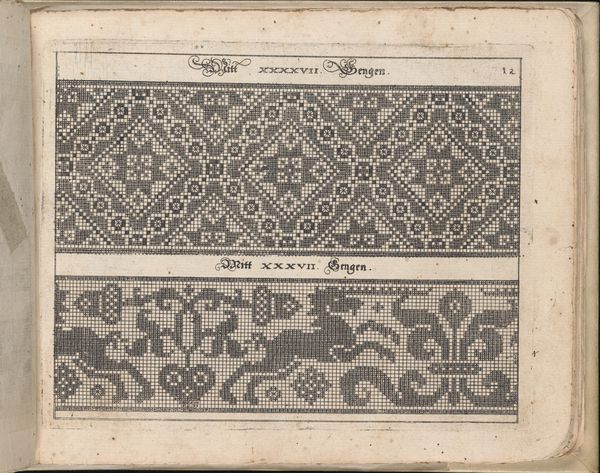
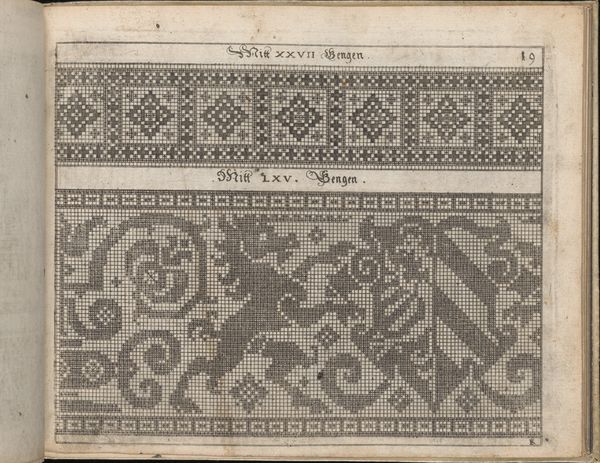
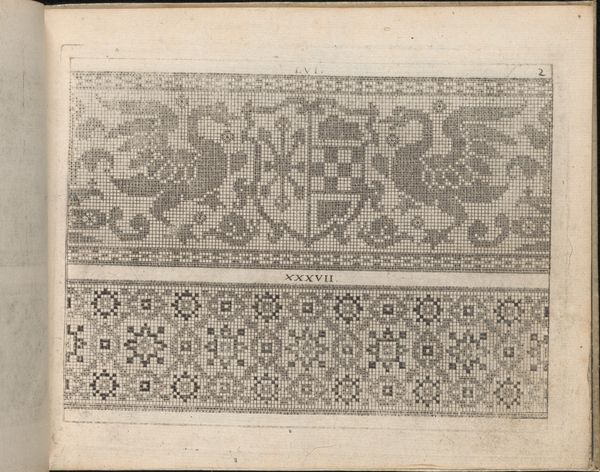
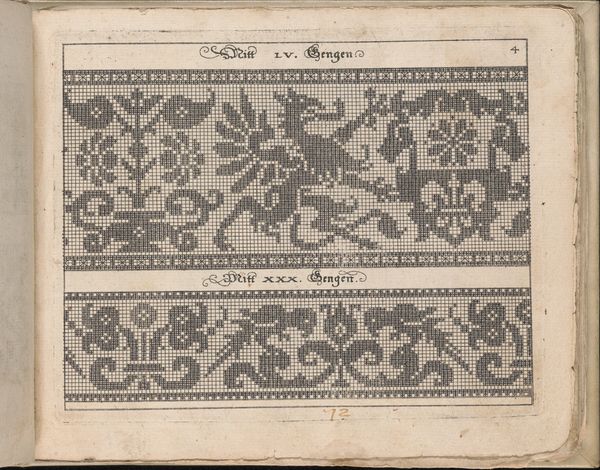
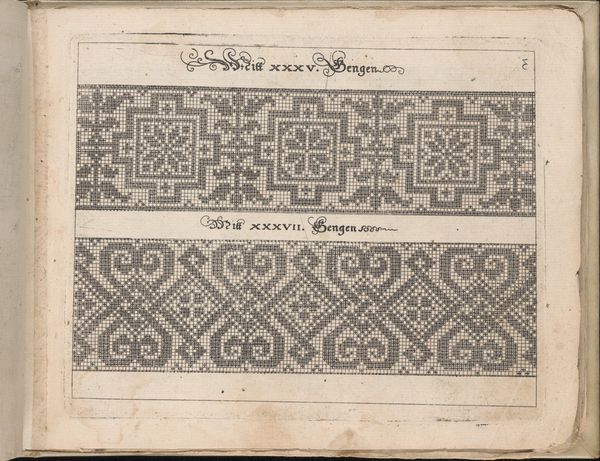
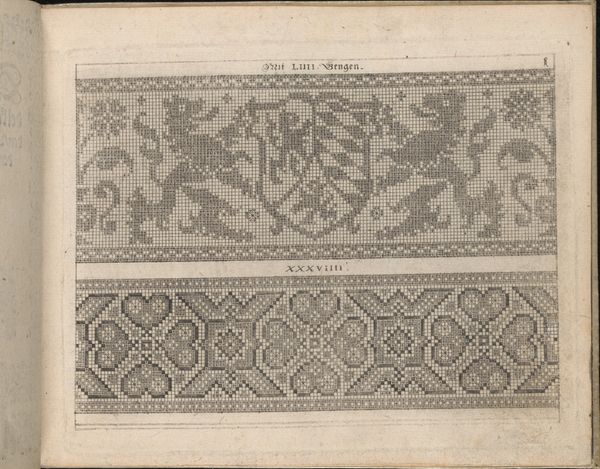
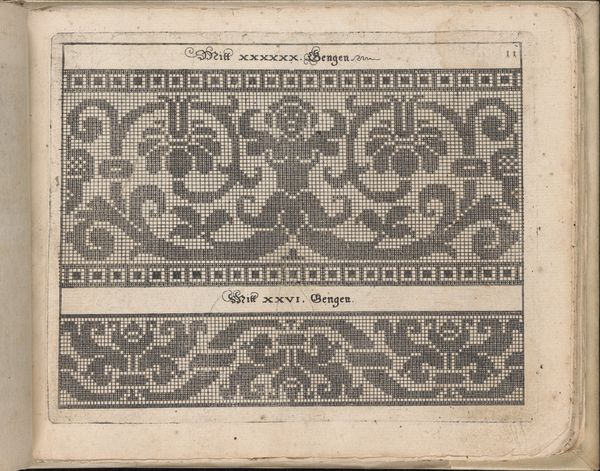
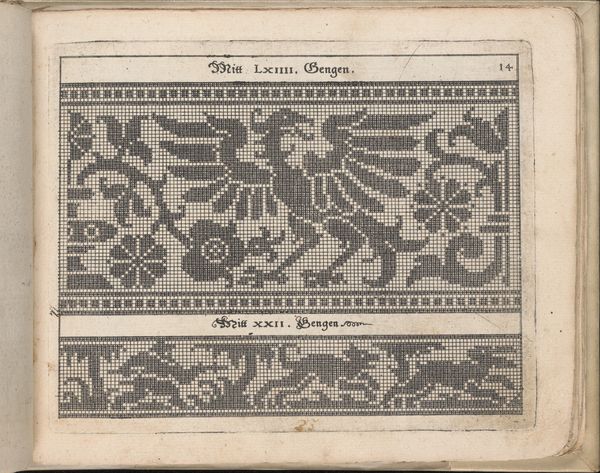
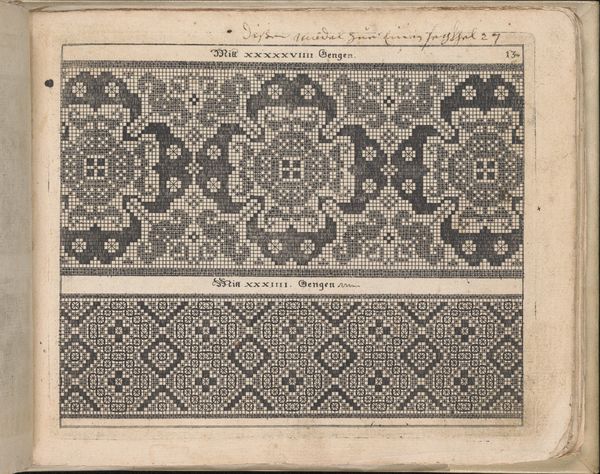
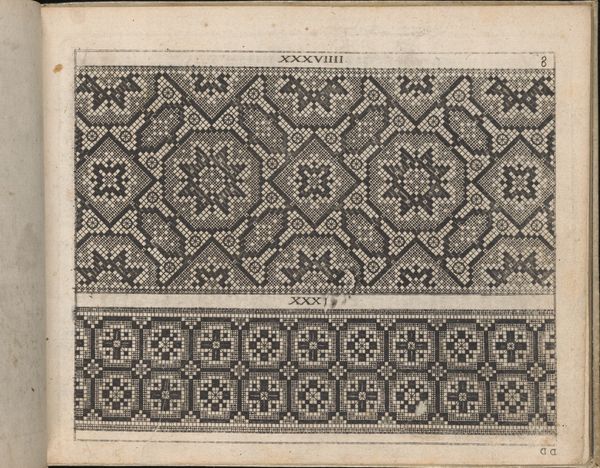
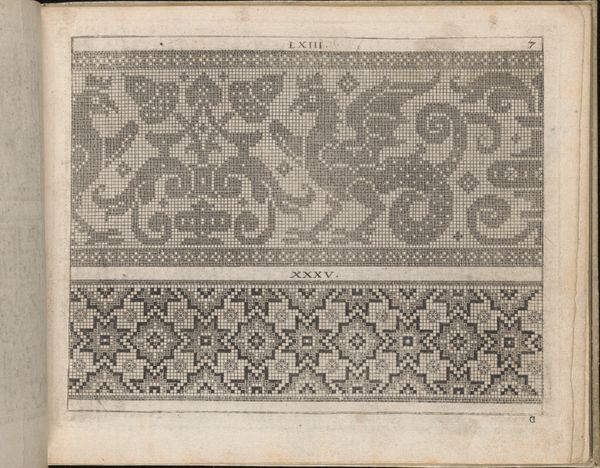
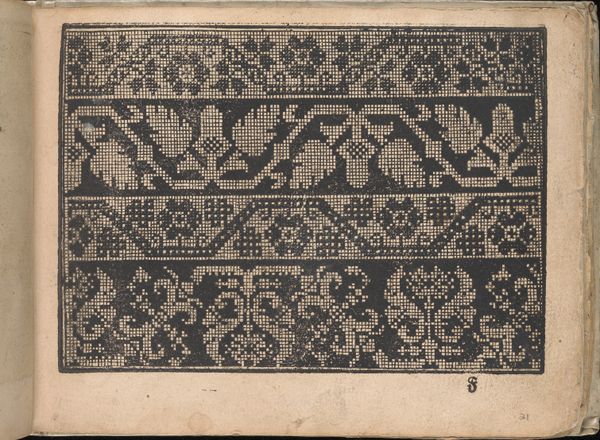
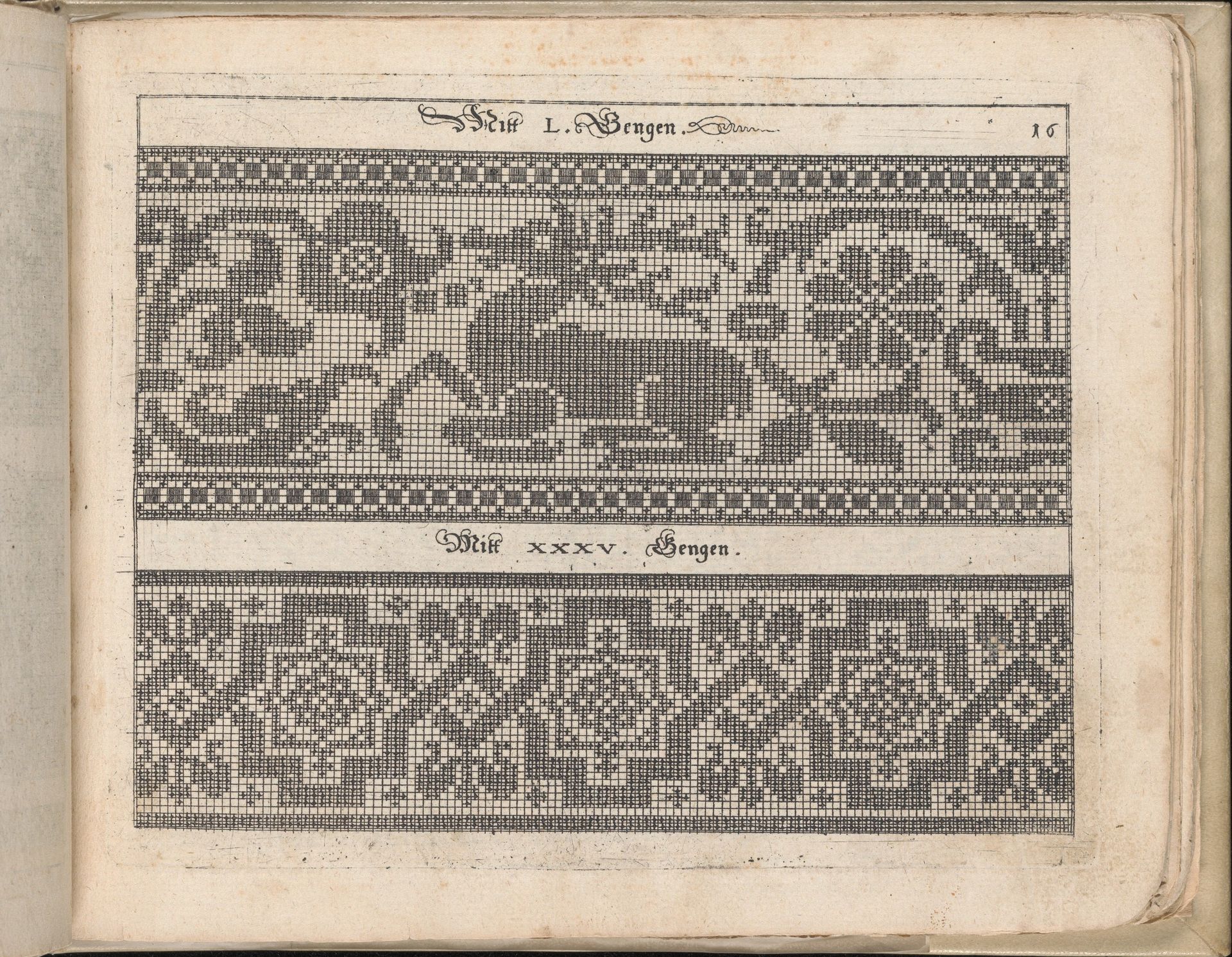
This is a page from Johann Sibmacher's "Schön Neues Modelbuch," a woodcut pattern book from the early 17th century. Here, we observe designs meant for textiles, showcasing a heraldic lion and geometric stars. The lion, a symbol of courage, nobility, and royalty, has been a prominent figure in heraldry since the High Middle Ages, and the stars have been used to evoke celestial guidance. Think of Richard the Lionheart and the astral ceilings in tombs. Over time, the lion has shifted in meaning, becoming a national symbol, a mascot, and an avatar of power, while the star evolved into a token of hope, guidance, and religious significance across cultures. These enduring motifs speak to our deep-seated need for order, protection, and meaning, engaging viewers on a subconscious level. Their cyclical return in art and culture proves their timeless appeal.
Schön Neues Modelbuch (Page 21 recto) 1597


Artwork details
- Medium
- drawing, graphic-art, print, paper, ink, woodcut
- Dimensions
- Overall: 6 1/8 x 7 13/16 in. (15.5 x 19.8 cm)
- Location
- Metropolitan Museum of Art, New York, NY
- Copyright
- Public Domain
Tags
drawing
graphic-art
ink paper printed
book
paper
11_renaissance
ink
woodcut
Comments
No comments
About this artwork
This is a page from Johann Sibmacher's "Schön Neues Modelbuch," a woodcut pattern book from the early 17th century. Here, we observe designs meant for textiles, showcasing a heraldic lion and geometric stars. The lion, a symbol of courage, nobility, and royalty, has been a prominent figure in heraldry since the High Middle Ages, and the stars have been used to evoke celestial guidance. Think of Richard the Lionheart and the astral ceilings in tombs. Over time, the lion has shifted in meaning, becoming a national symbol, a mascot, and an avatar of power, while the star evolved into a token of hope, guidance, and religious significance across cultures. These enduring motifs speak to our deep-seated need for order, protection, and meaning, engaging viewers on a subconscious level. Their cyclical return in art and culture proves their timeless appeal.
Comments
No comments