About this artwork
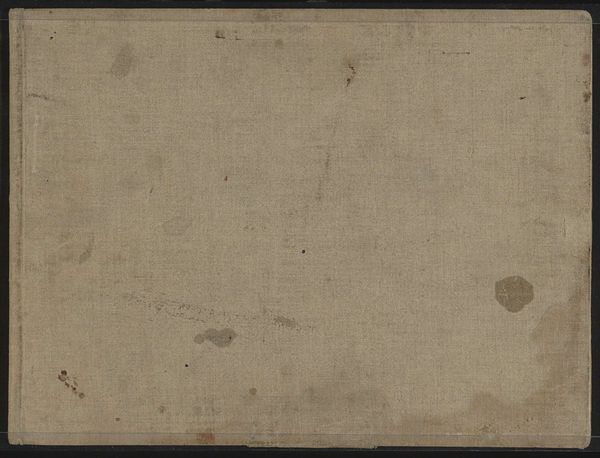
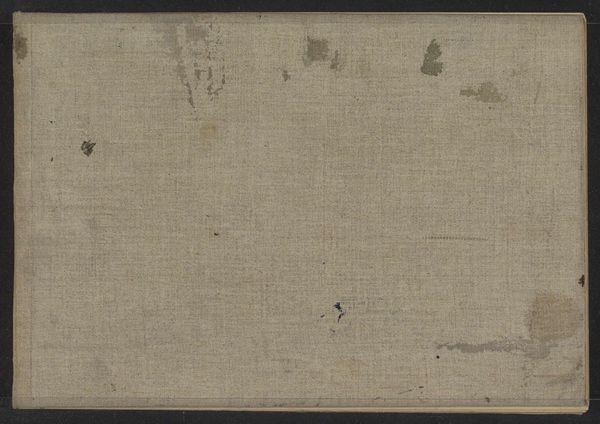
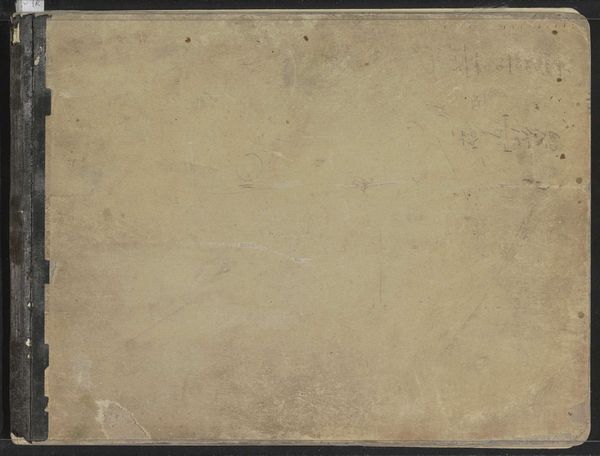
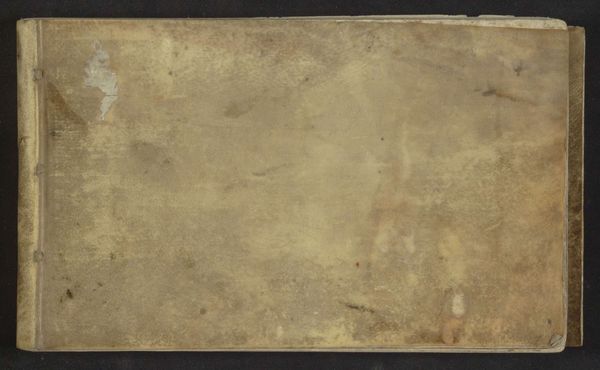
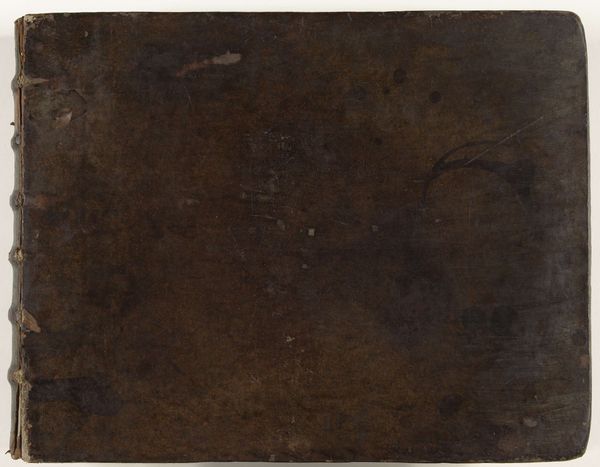
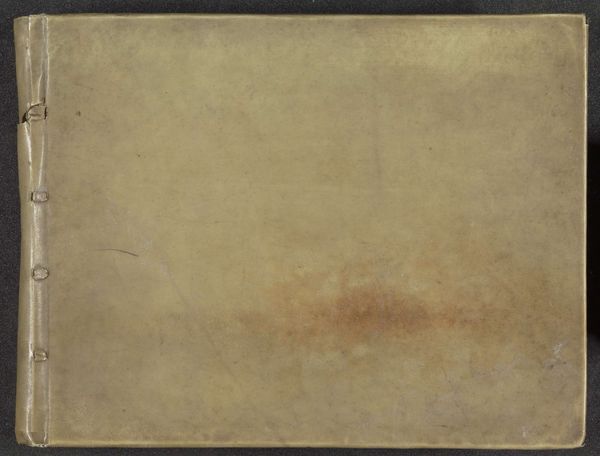
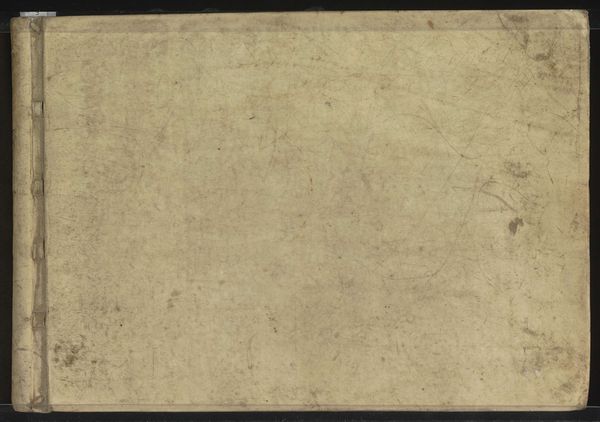
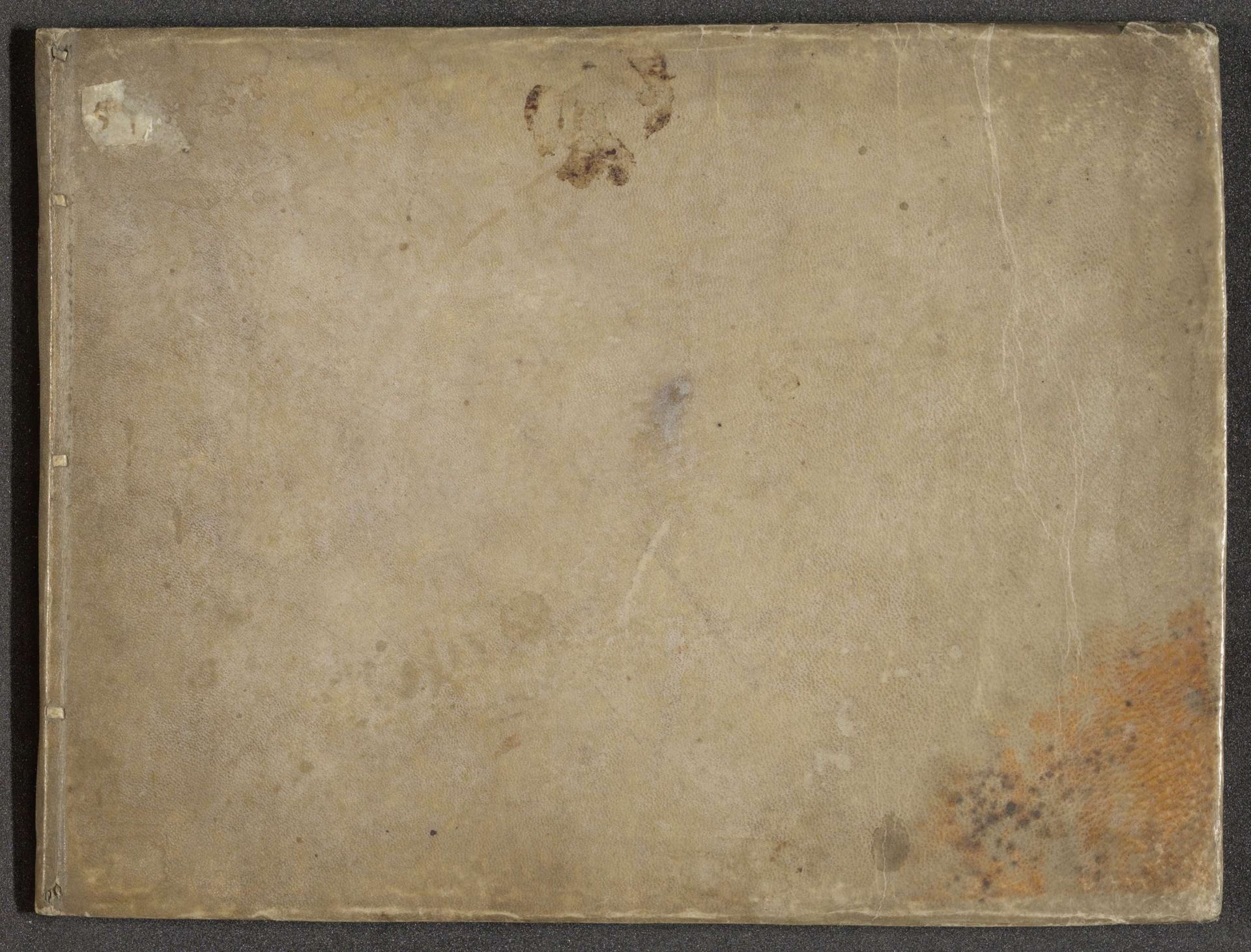
This album of calligraphic writing samples was created by Jodocus Hondius in the late 16th or early 17th century. During that time, calligraphy was more than just beautiful writing; it was a respected art form, a key skill for scribes and scholars, and a reflection of one's education and status. Hondius, who lived in the Netherlands, a hub of intellectual and artistic activity, would have been influenced by the humanist movement. The movement valued classical learning and elegant expression. Calligraphy, with its roots in ancient manuscript traditions, aligned perfectly with these ideals. The album itself would have served as a record of his skill, and a way to demonstrate the importance of literacy to a growing public. It also reflects the rise of a merchant class invested in the practice of accounting. To truly understand this album, we might explore the social role of the scribe, the history of penmanship education, and the influence of printing on the status of handwriting. By studying these contexts, we gain a deeper appreciation for the cultural significance of something as seemingly simple as a collection of writing samples.
Album met kalligrafische schrijfvoorbeelden
Possibly 1608 - 1649

Artwork details
- Medium
- drawing, paper, ink
- Dimensions
- height 200 mm, width 270 mm, depth 140 mm, width 535 mm
- Copyright
- Rijks Museum: Open Domain
Tags
Comments
Share your thoughts
About this artwork
This album of calligraphic writing samples was created by Jodocus Hondius in the late 16th or early 17th century. During that time, calligraphy was more than just beautiful writing; it was a respected art form, a key skill for scribes and scholars, and a reflection of one's education and status. Hondius, who lived in the Netherlands, a hub of intellectual and artistic activity, would have been influenced by the humanist movement. The movement valued classical learning and elegant expression. Calligraphy, with its roots in ancient manuscript traditions, aligned perfectly with these ideals. The album itself would have served as a record of his skill, and a way to demonstrate the importance of literacy to a growing public. It also reflects the rise of a merchant class invested in the practice of accounting. To truly understand this album, we might explore the social role of the scribe, the history of penmanship education, and the influence of printing on the status of handwriting. By studying these contexts, we gain a deeper appreciation for the cultural significance of something as seemingly simple as a collection of writing samples.
Comments
Share your thoughts