About this artwork
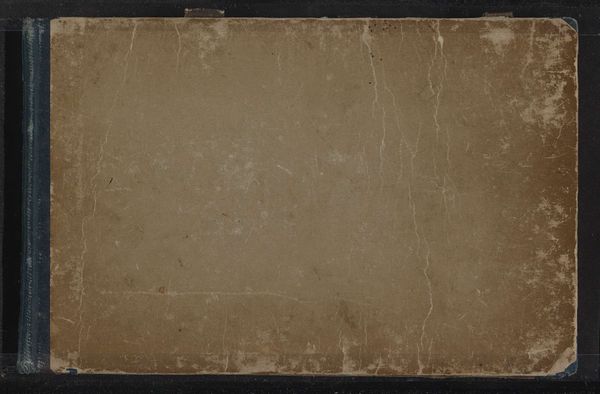
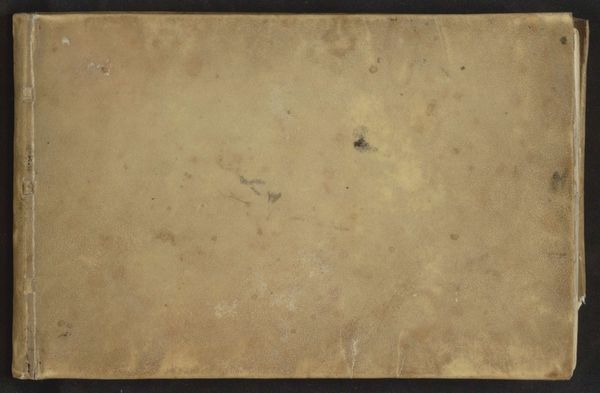
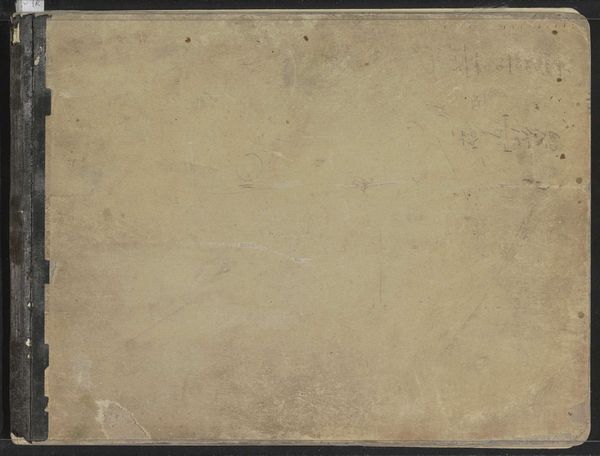
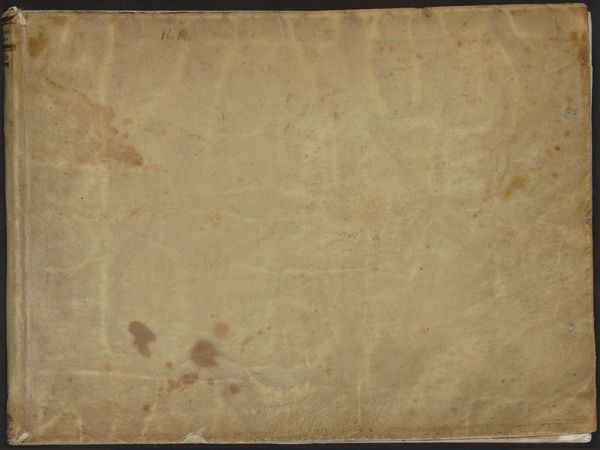
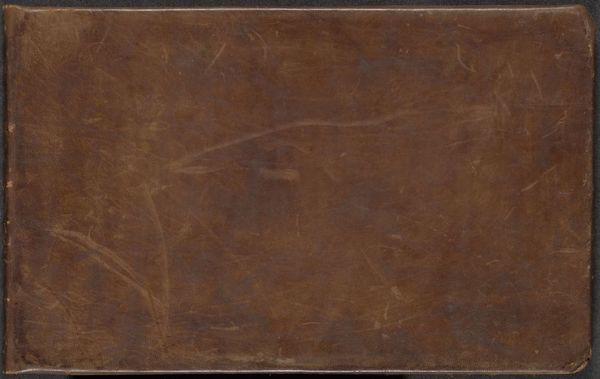
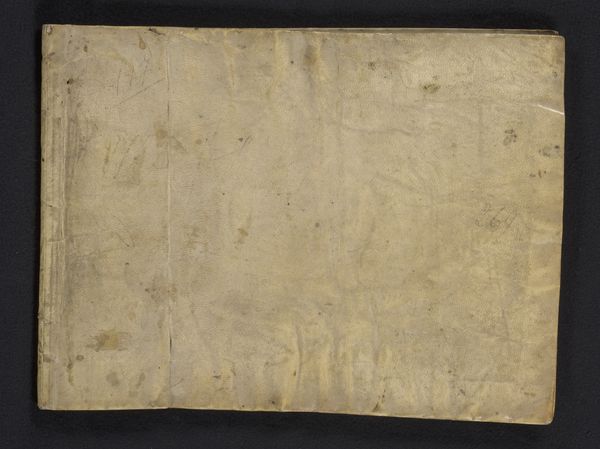
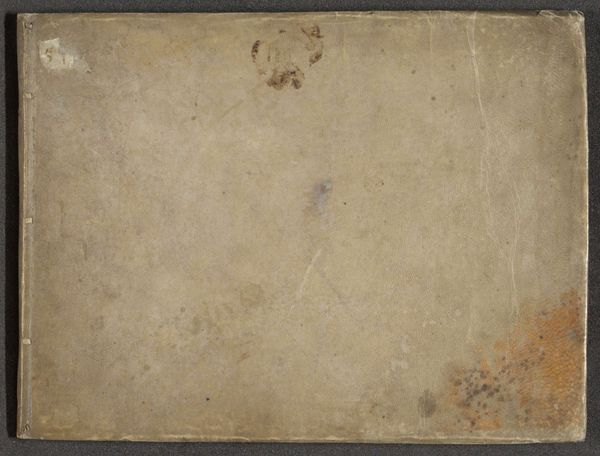
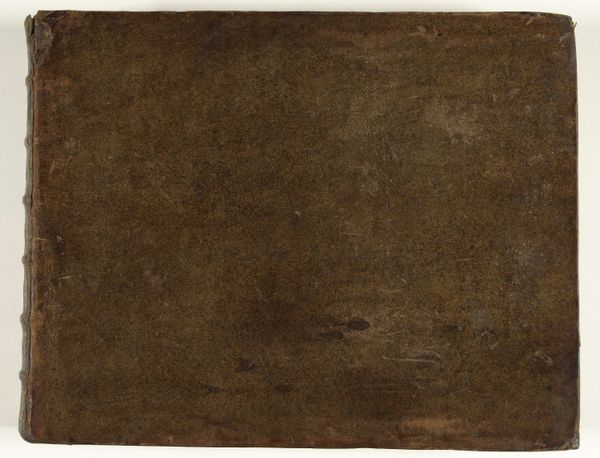
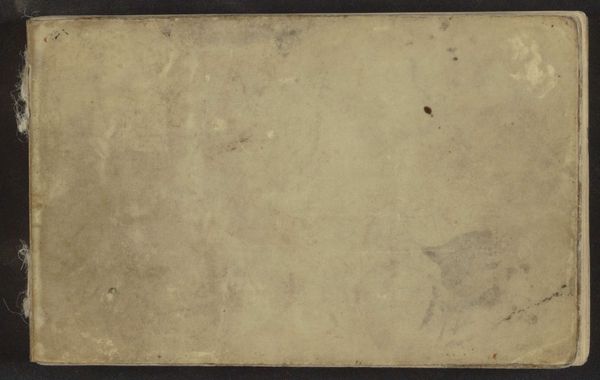
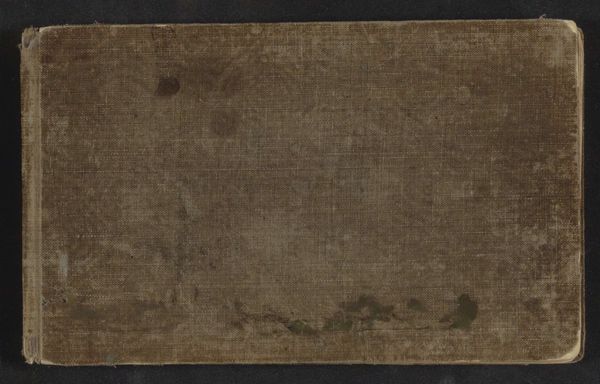
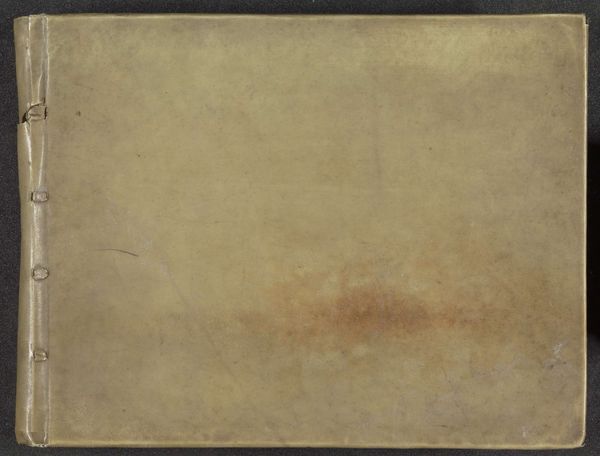
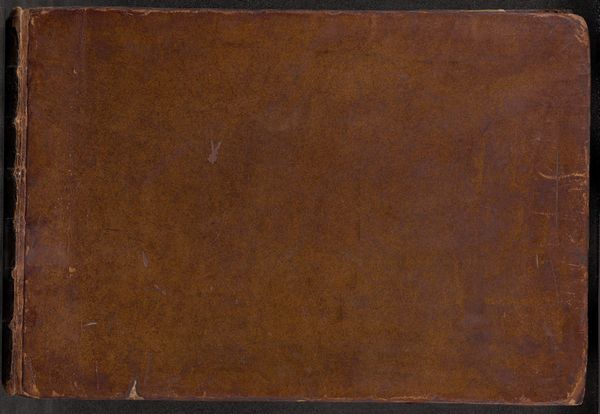
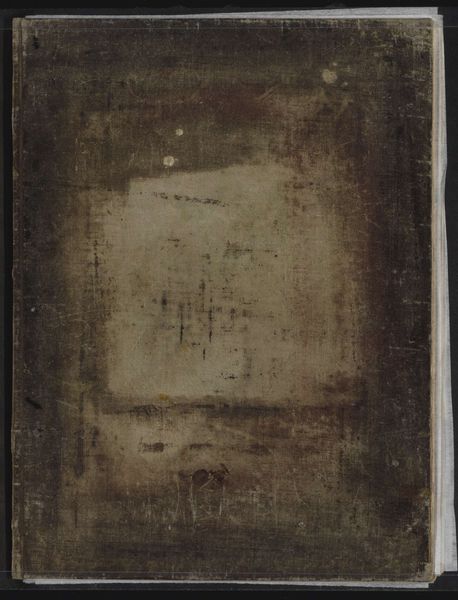
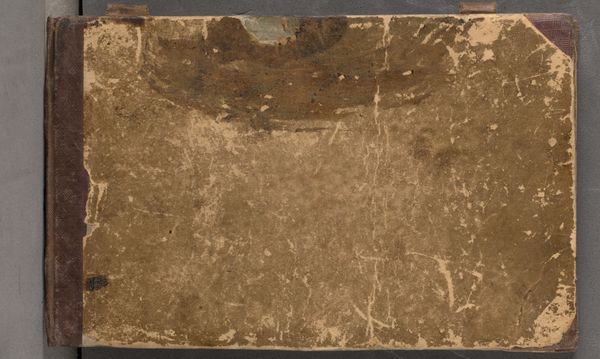
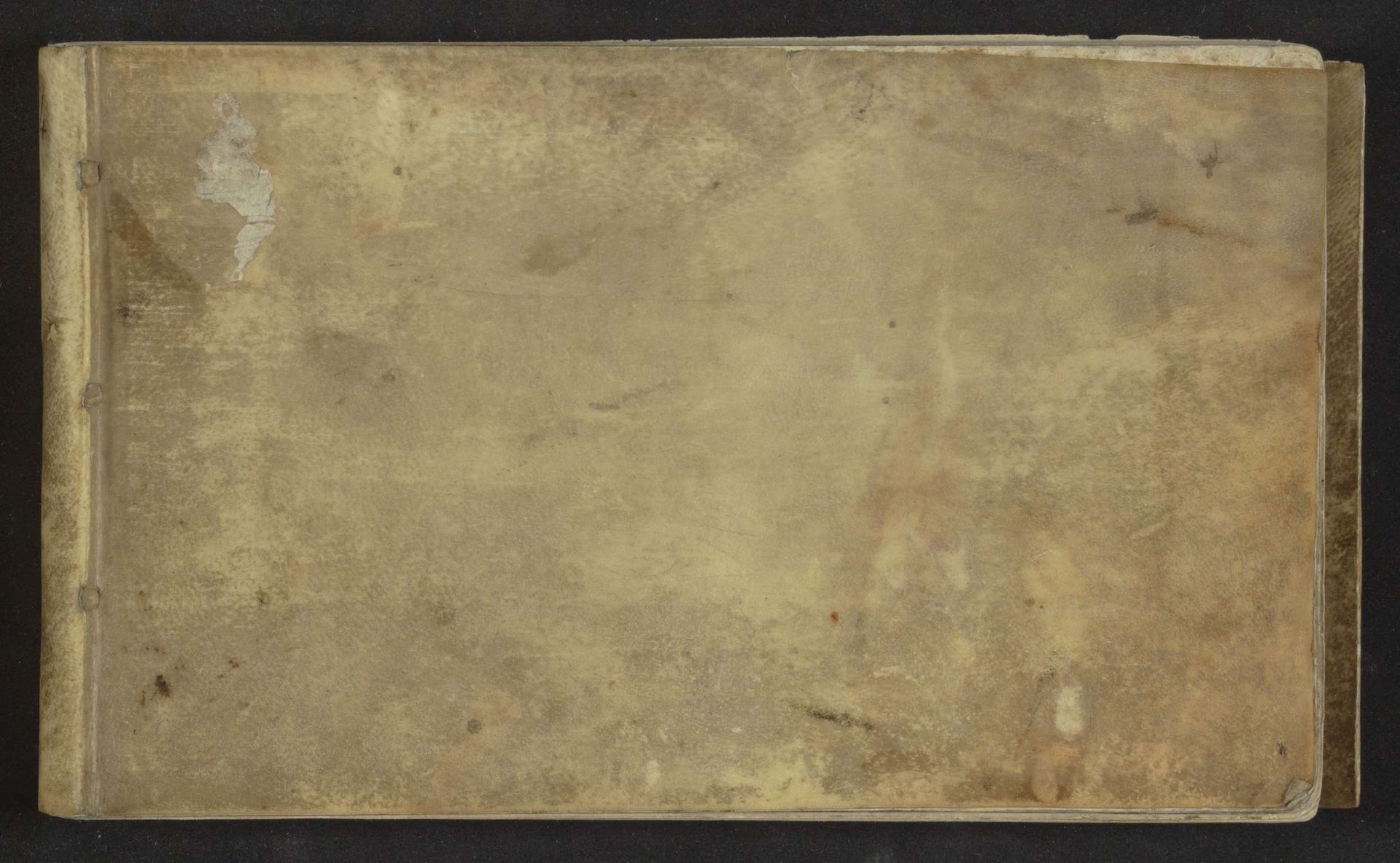
This sketchbook, with 51 leaves, was crafted by Abraham de Haen the Younger around the mid-18th century. It's made of humble materials: paper, thread, and a simple board for the cover. The character of this object resides in its portability and intimacy. The size invites handling and easy storage, making it a constant companion for an artist working in a pre-industrial age. The binding, though basic, speaks to the labor involved in creating even a simple book at this time; each sheet carefully folded and sewn, a testament to the value placed on capturing fleeting observations. Consider the contrast with our digital age, where images are instantly captured and disseminated. This sketchbook represents a slower, more deliberate way of seeing and recording the world, intimately tied to the hand and eye of the artist. It’s a reminder that even the most utilitarian objects can hold profound cultural significance, bridging the divide between craft and art.
Schetsboek met 51 bladen
Possibly 1732 - 1737

Abraham de (II) Haen
1707 - 1748Location
RijksmuseumArtwork details
- Medium
- drawing, coloured-pencil, paper, pastel
- Dimensions
- height 127 mm, width 217 mm, thickness 25 mm, width 425 mm
- Location
- Rijksmuseum
- Copyright
- Rijks Museum: Open Domain
Tags
Comments
Share your thoughts
About this artwork
This sketchbook, with 51 leaves, was crafted by Abraham de Haen the Younger around the mid-18th century. It's made of humble materials: paper, thread, and a simple board for the cover. The character of this object resides in its portability and intimacy. The size invites handling and easy storage, making it a constant companion for an artist working in a pre-industrial age. The binding, though basic, speaks to the labor involved in creating even a simple book at this time; each sheet carefully folded and sewn, a testament to the value placed on capturing fleeting observations. Consider the contrast with our digital age, where images are instantly captured and disseminated. This sketchbook represents a slower, more deliberate way of seeing and recording the world, intimately tied to the hand and eye of the artist. It’s a reminder that even the most utilitarian objects can hold profound cultural significance, bridging the divide between craft and art.
Comments
Share your thoughts