before 1858
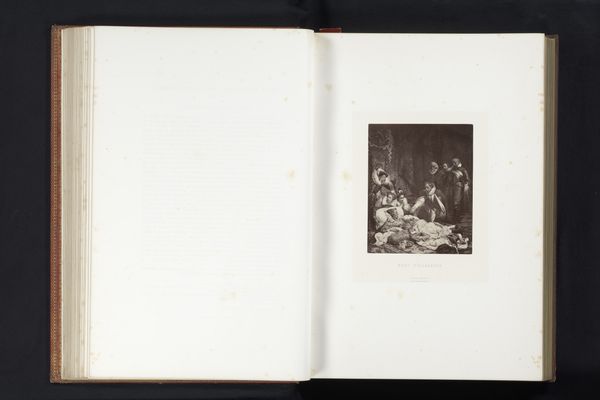
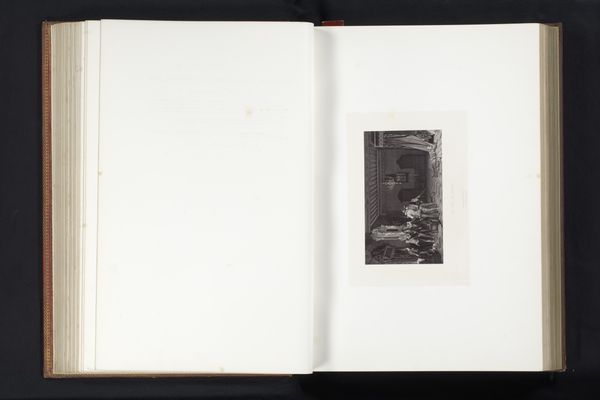
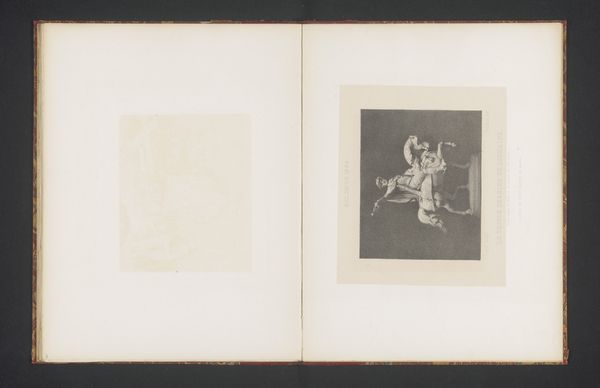
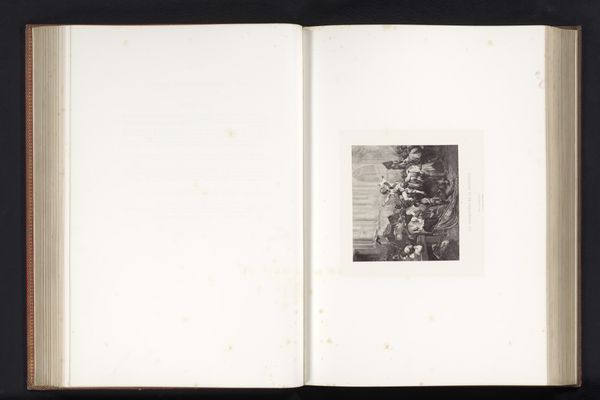
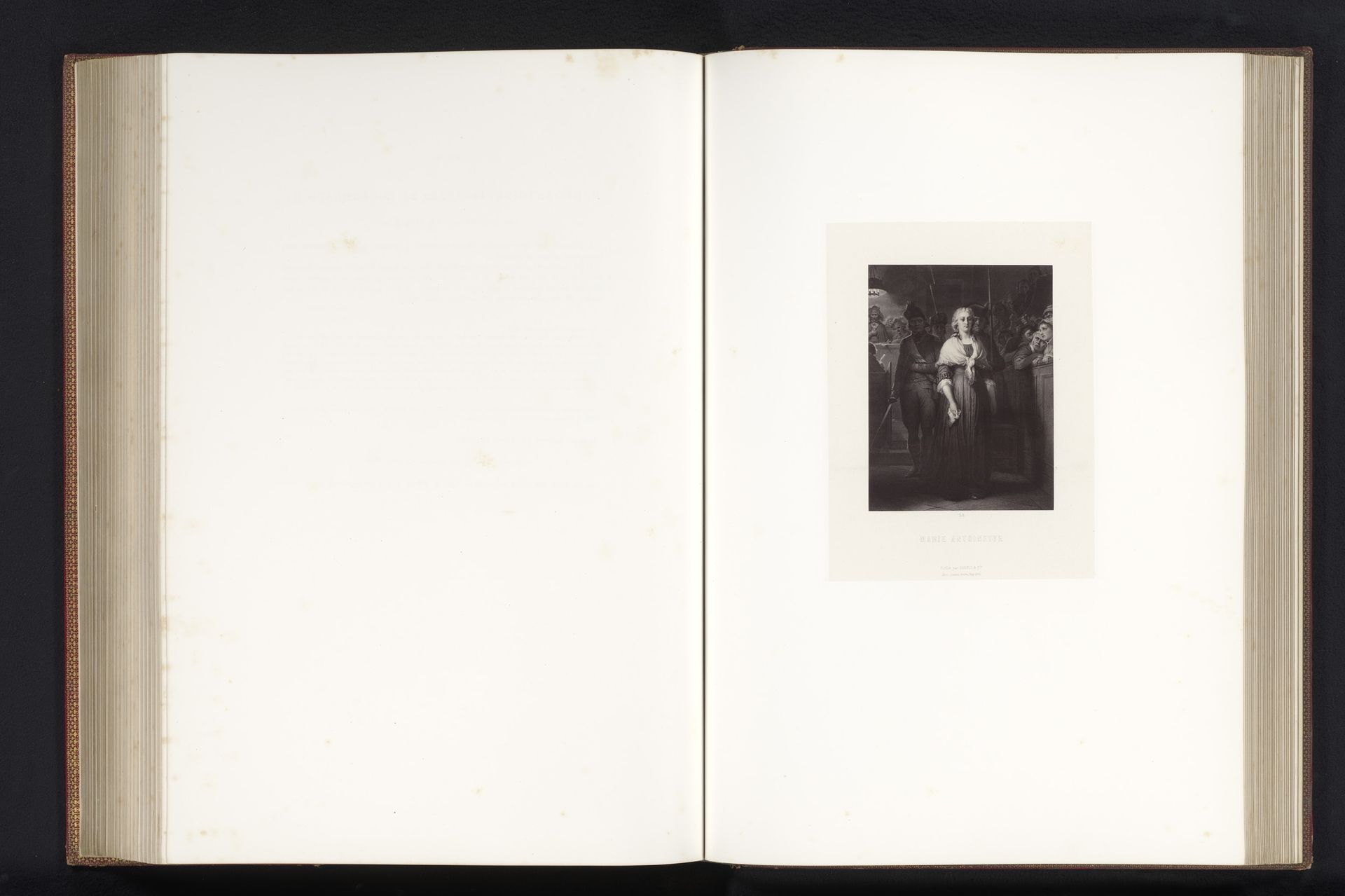
Fotoreproductie van een prent naar een schilderij van de veroordeling van Marie Antoinette door Paul Delaroche

Listen to curator's interpretation
Curatorial notes
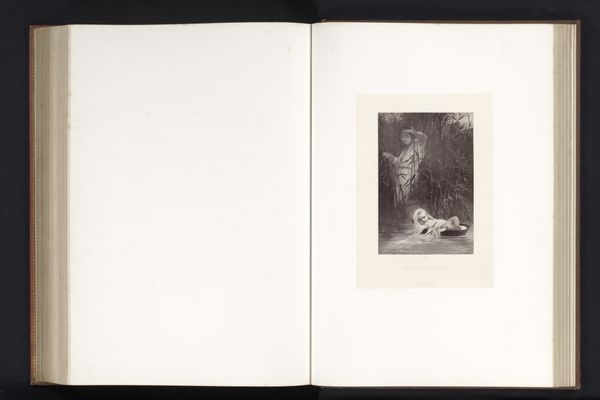
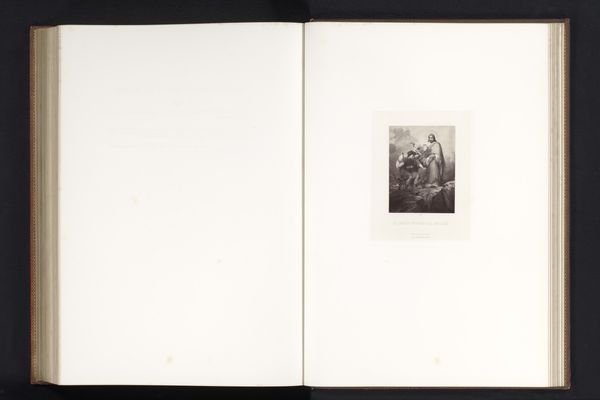
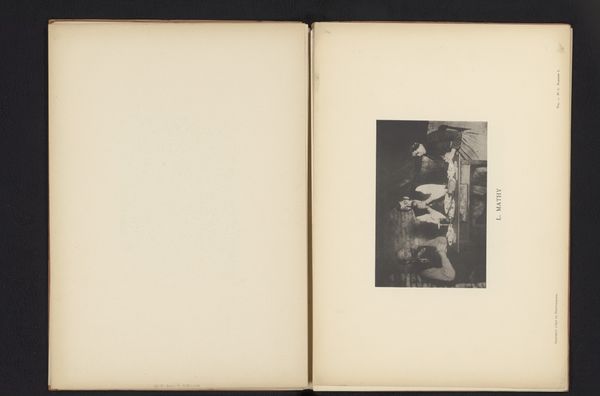
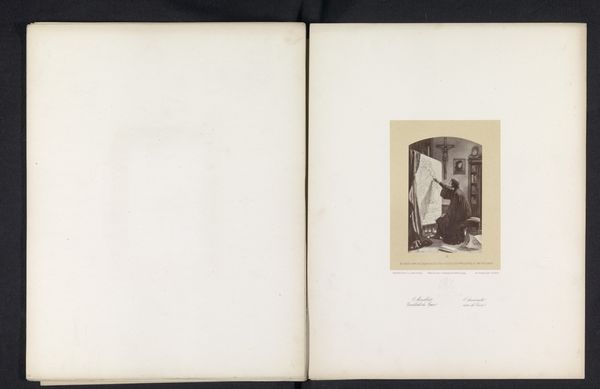
This is Robert Jefferson Bingham's photographic reproduction of a print after Paul Delaroche’s painting of Marie Antoinette’s condemnation. Photography, even in its early days, was never a purely objective medium. Here, it's a method of reproducing and distributing imagery, turning unique artworks into commodities. Consider the layers of mediation: a painting, turned into a print, then re-presented as a photograph. Each step involves a skilled process. The photographer manipulates light and chemicals to capture the image, creating a new object that carries its own texture and tonal range. The choice of subject is also significant. Marie Antoinette, a symbol of aristocratic excess, meets her fate in the French Revolution. By reproducing this image, Bingham participates in a wider circulation of political ideas, using photography to amplify a narrative about power, justice, and social change. It is a reminder that even in reproduction, the materials and making process imbue an artwork with cultural meaning.