About this artwork
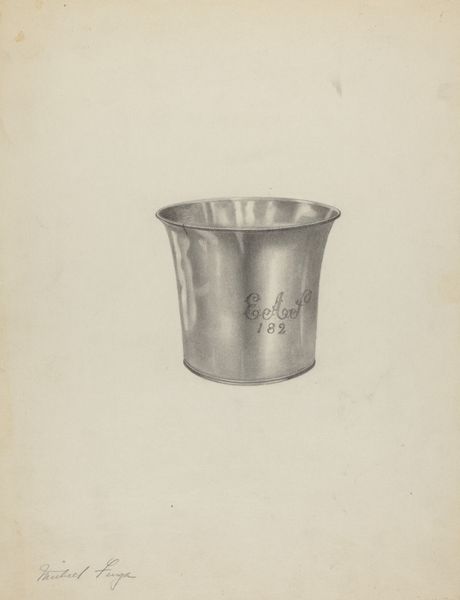
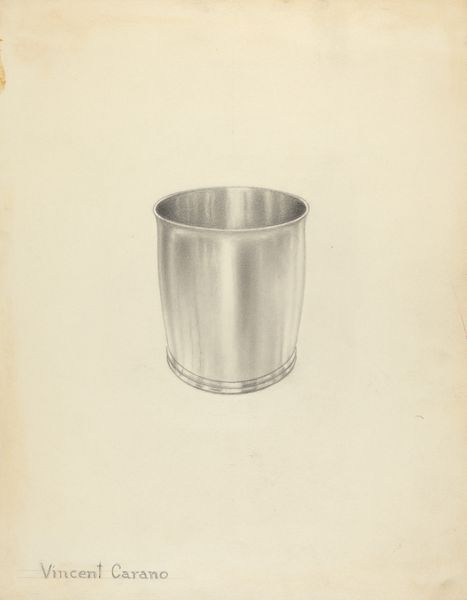
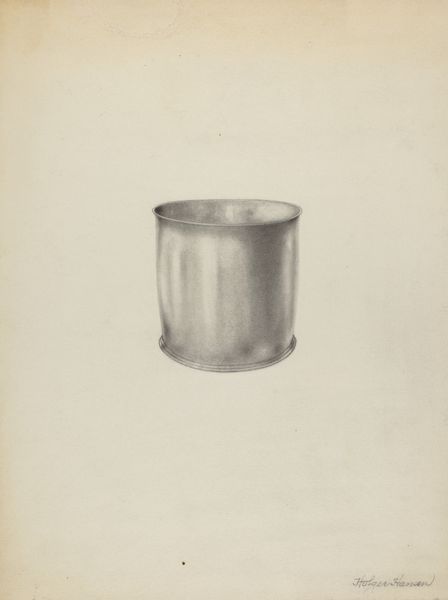
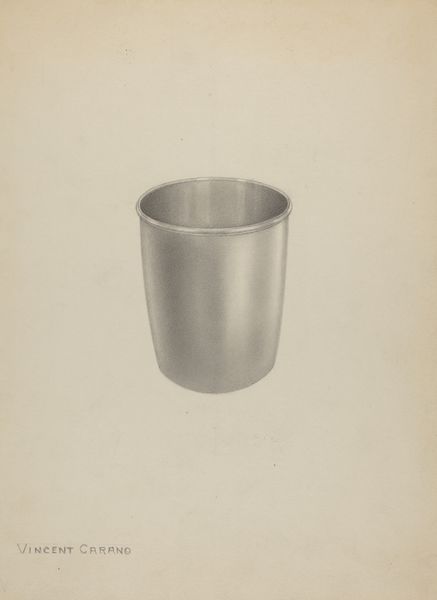
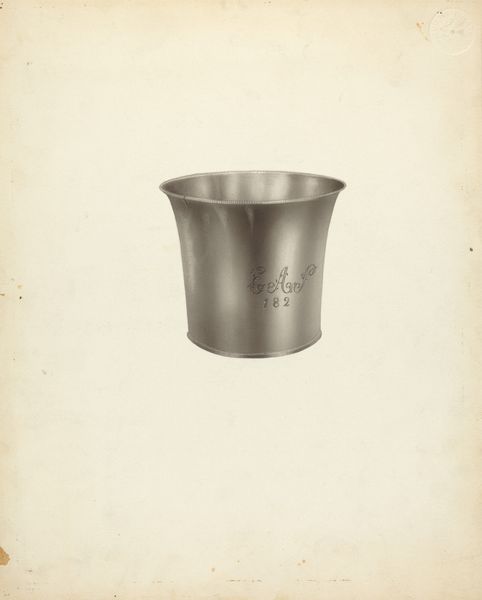
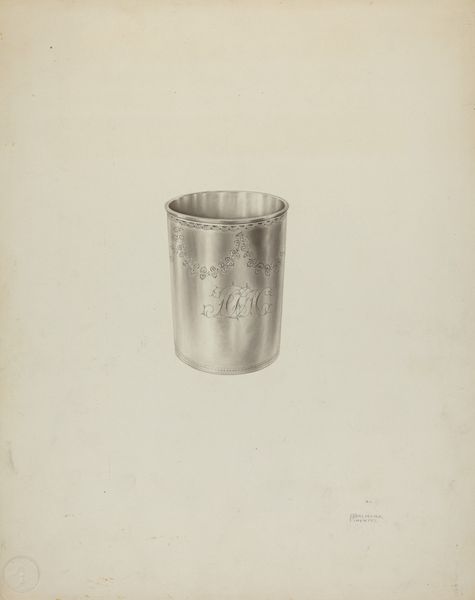
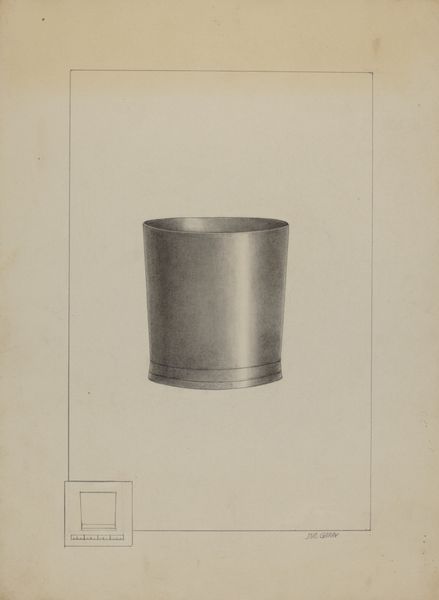
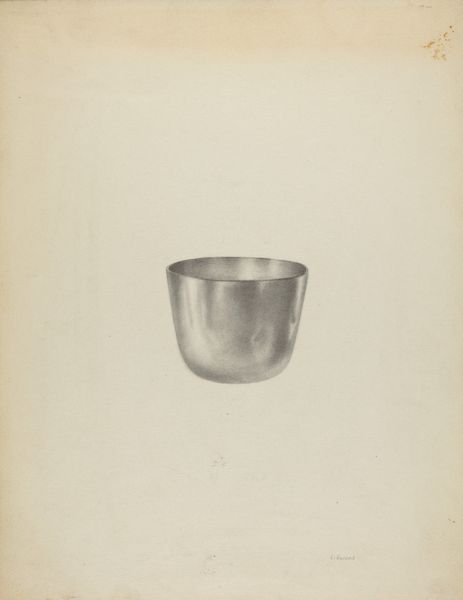
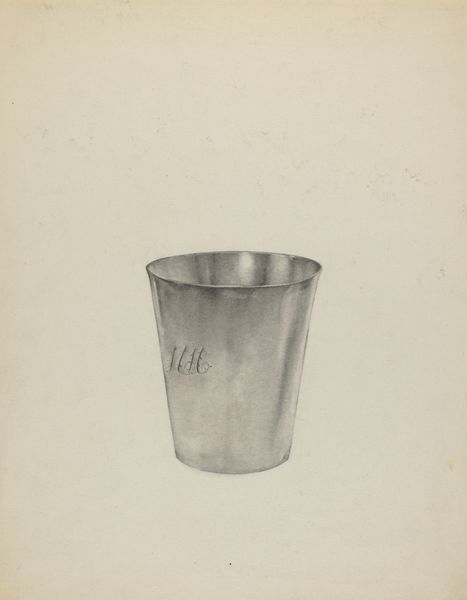
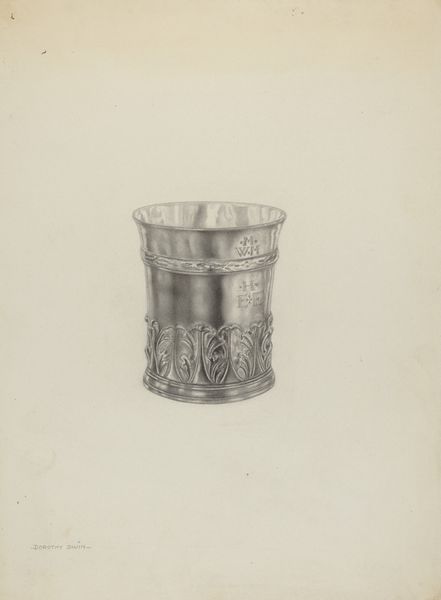
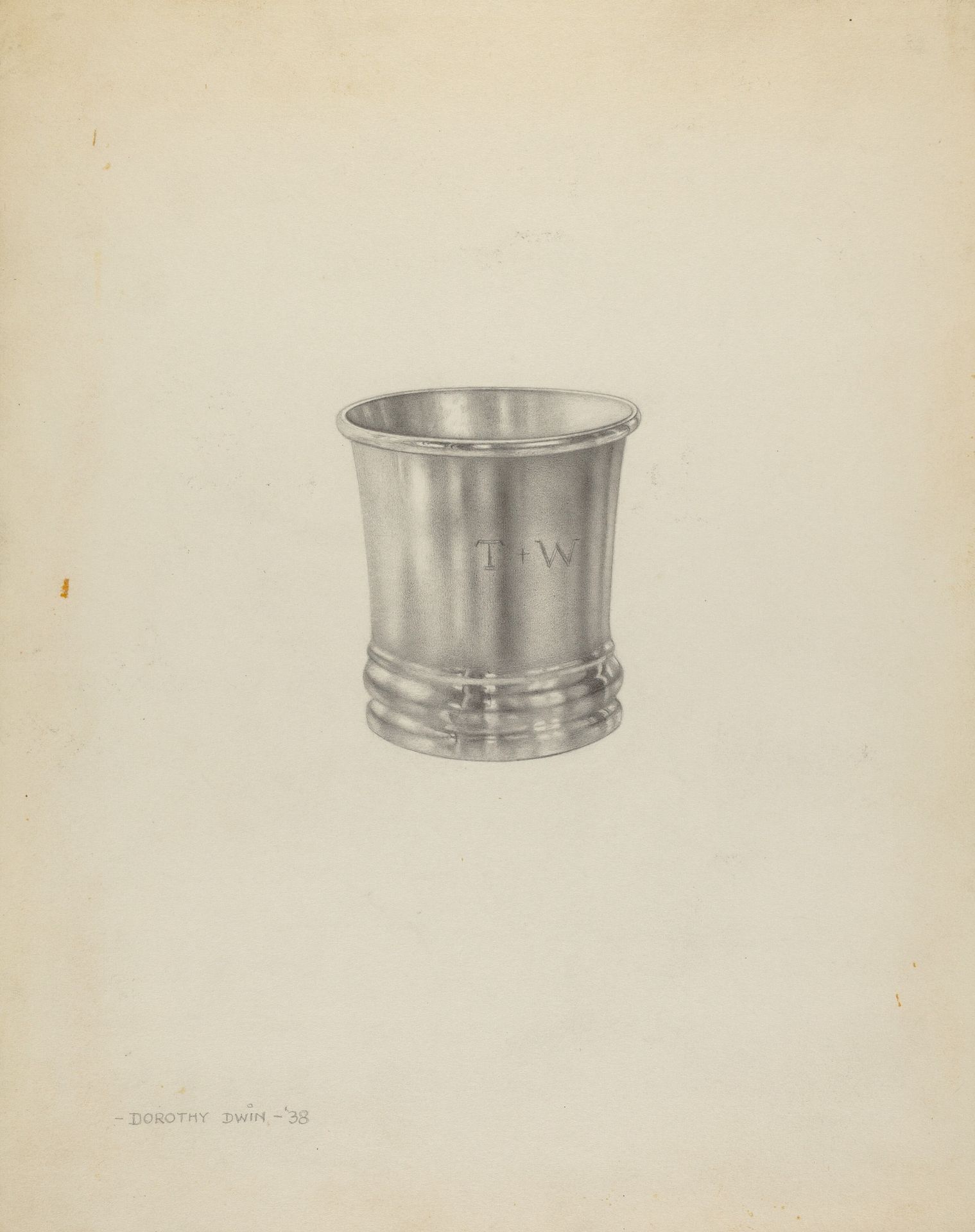
Dorothy Dwin created this work on paper of a silver beaker sometime in the 20th century. Look at this palette: silvery grays, neutral off-whites. It's all about value – how light or dark a color is – and that’s so much of what painting is about. I’m drawn to the beaker's surface; you can almost feel the coolness of the metal and the slight imperfections and marks on the outside. The drawing is so careful and precise, but in other places, like the flat empty space around the object, she’s not bothered by perfection. The letters ‘T+W’ engraved on the front are particularly interesting. They are so well-observed, so clearly described, yet somehow float in the center of the beaker. Dwin may have been influenced by the precisionist painters like Charles Sheeler. Both artists share a similar interest in the beauty and simplicity of everyday objects. Both show us how something so mundane can become extraordinary when we really look at it.


Artwork details
- Medium
- drawing, pencil
- Dimensions
- overall: 29.1 x 22.7 cm (11 7/16 x 8 15/16 in.) Original IAD Object: 3" high
- Copyright
- National Gallery of Art: CC0 1.0
Tags
Comments
Share your thoughts
About this artwork
Dorothy Dwin created this work on paper of a silver beaker sometime in the 20th century. Look at this palette: silvery grays, neutral off-whites. It's all about value – how light or dark a color is – and that’s so much of what painting is about. I’m drawn to the beaker's surface; you can almost feel the coolness of the metal and the slight imperfections and marks on the outside. The drawing is so careful and precise, but in other places, like the flat empty space around the object, she’s not bothered by perfection. The letters ‘T+W’ engraved on the front are particularly interesting. They are so well-observed, so clearly described, yet somehow float in the center of the beaker. Dwin may have been influenced by the precisionist painters like Charles Sheeler. Both artists share a similar interest in the beauty and simplicity of everyday objects. Both show us how something so mundane can become extraordinary when we really look at it.
Comments
Share your thoughts