About this artwork
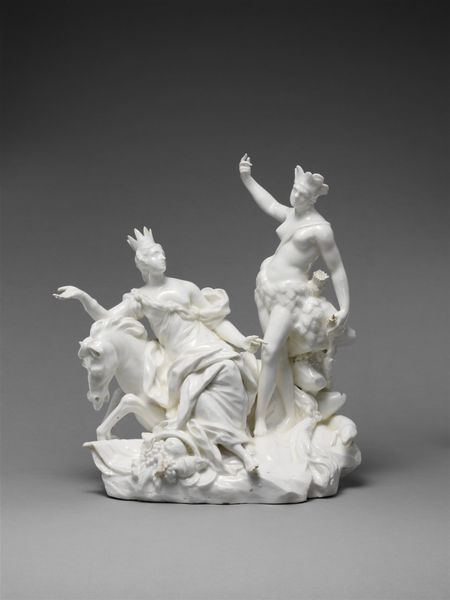
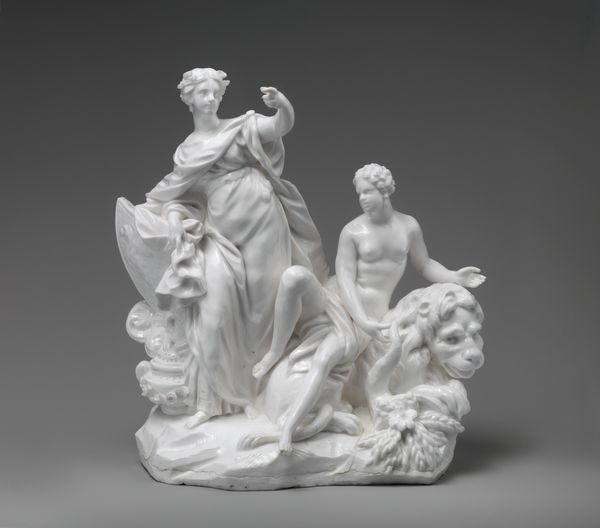
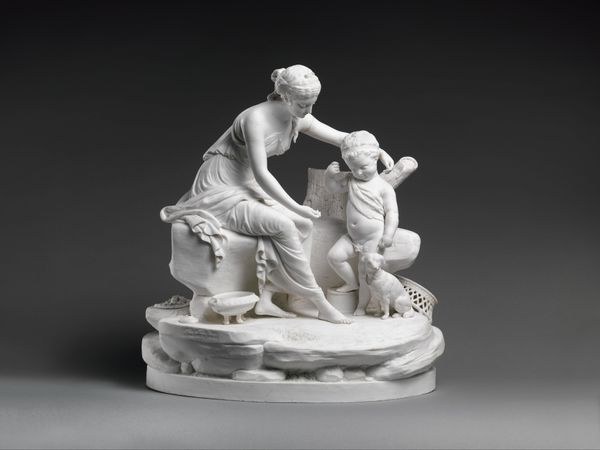
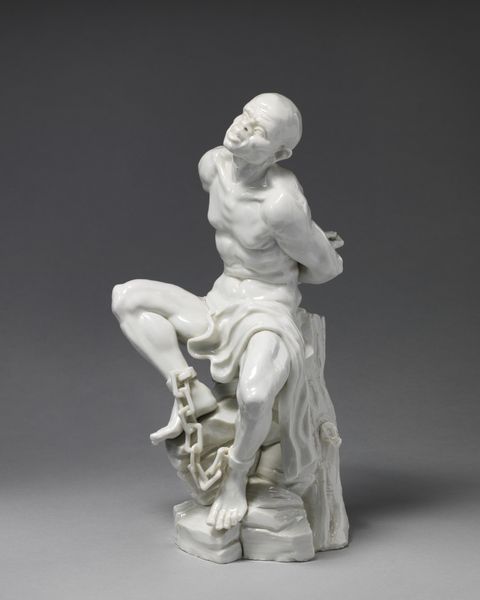
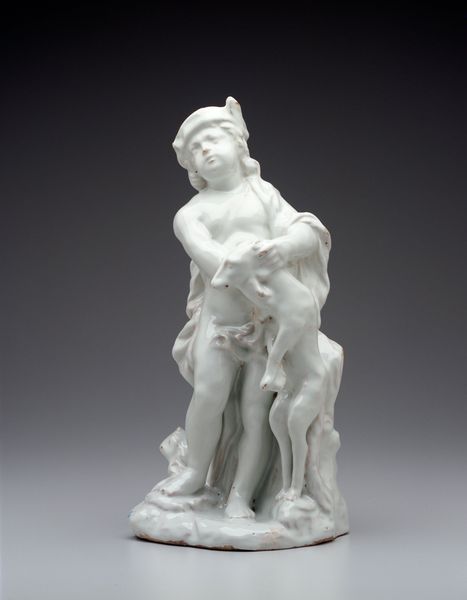
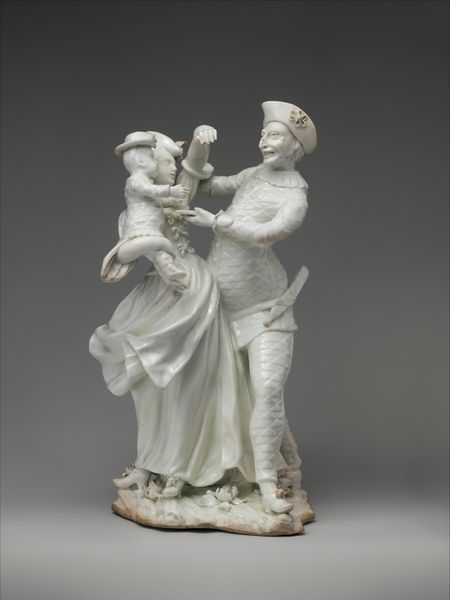
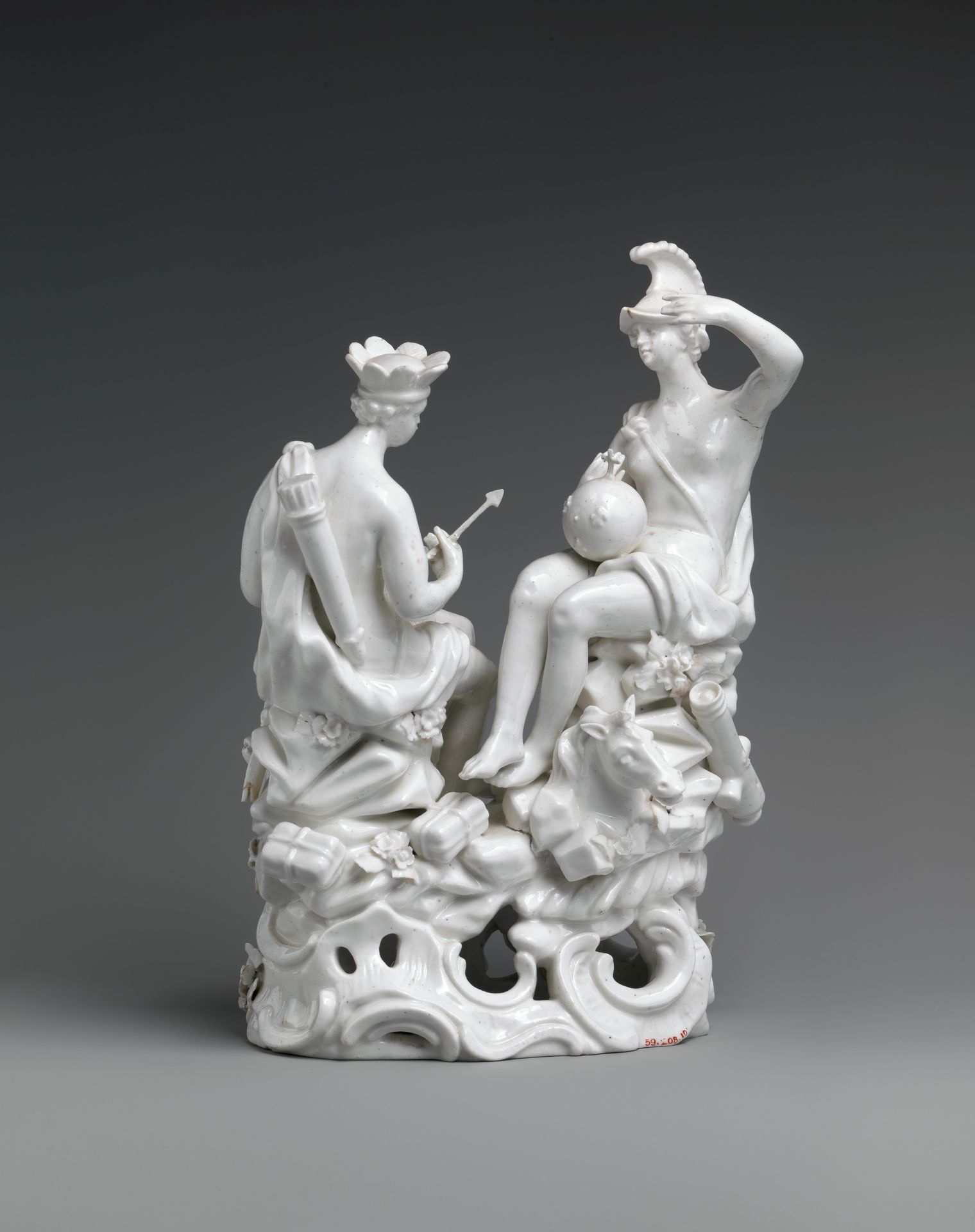
The Orléans Manufactory crafted this porcelain sculpture, titled *Europe and America*, during the latter half of the 18th century. Reflecting the age of exploration and colonization, this work embodies the complex relationship between Europe and the Americas. The sculpture presents a European figure, distinguished by a helmet, seated alongside a Native American figure holding an arrow. This juxtaposition speaks to the power dynamics inherent in colonial encounters, where European identity is associated with civilization and conquest, while the Indigenous figure is characterized by a connection to the land. The figures are set atop symbolic representations of their respective continents. The sculpture embodies the fraught narratives of cultural exchange, dominance, and the reshaping of identities in the wake of colonial expansion. It serves as a reminder of the emotional toll of these historical interactions, prompting reflection on the legacies of colonialism that endure today.
Europe and America
1755 - 1775

Orléans Manufactory
1753 - 1782
The Metropolitan Museum of Art
Metropolitan Museum of Art, New York, NYArtwork details
- Medium
- ceramic, porcelain, sculpture
- Dimensions
- Height: 10 7/16 in. (26.5 cm)
- Location
- Metropolitan Museum of Art, New York, NY
- Copyright
- Public Domain
Tags
Comments
Share your thoughts
About this artwork
The Orléans Manufactory crafted this porcelain sculpture, titled *Europe and America*, during the latter half of the 18th century. Reflecting the age of exploration and colonization, this work embodies the complex relationship between Europe and the Americas. The sculpture presents a European figure, distinguished by a helmet, seated alongside a Native American figure holding an arrow. This juxtaposition speaks to the power dynamics inherent in colonial encounters, where European identity is associated with civilization and conquest, while the Indigenous figure is characterized by a connection to the land. The figures are set atop symbolic representations of their respective continents. The sculpture embodies the fraught narratives of cultural exchange, dominance, and the reshaping of identities in the wake of colonial expansion. It serves as a reminder of the emotional toll of these historical interactions, prompting reflection on the legacies of colonialism that endure today.
Comments
Share your thoughts