About this artwork
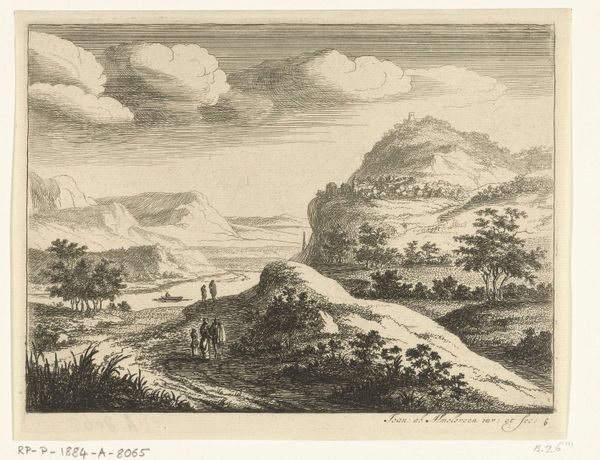
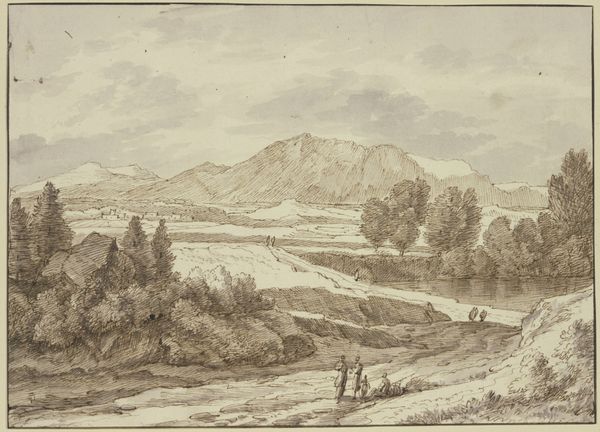
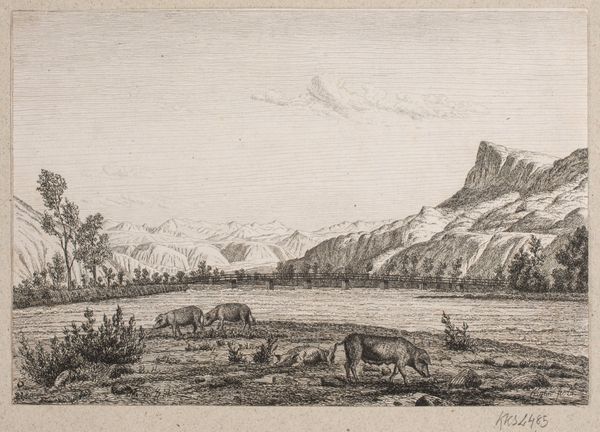
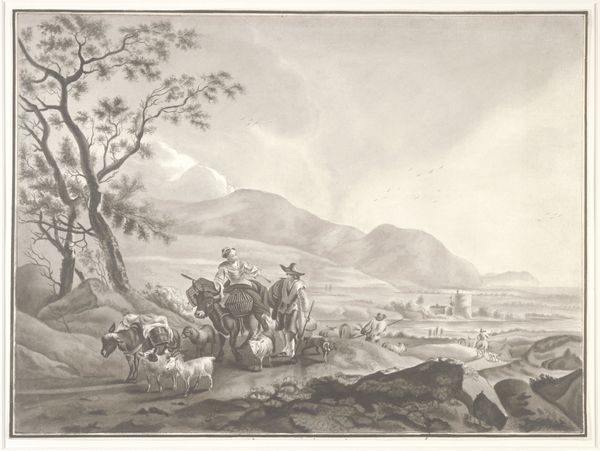
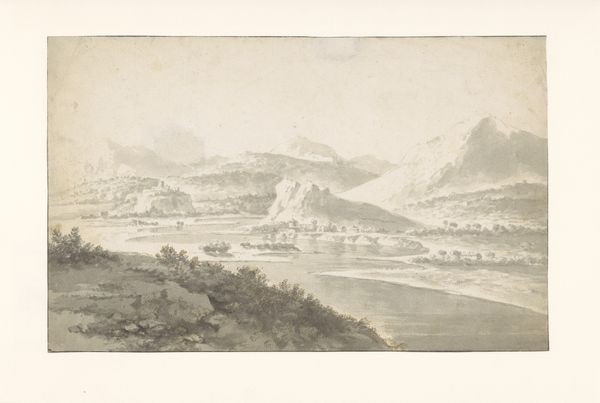
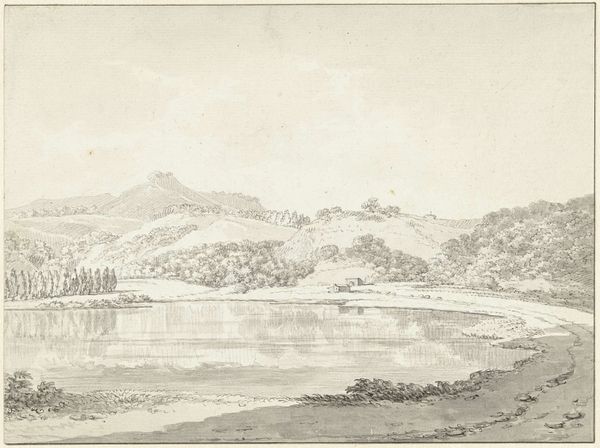
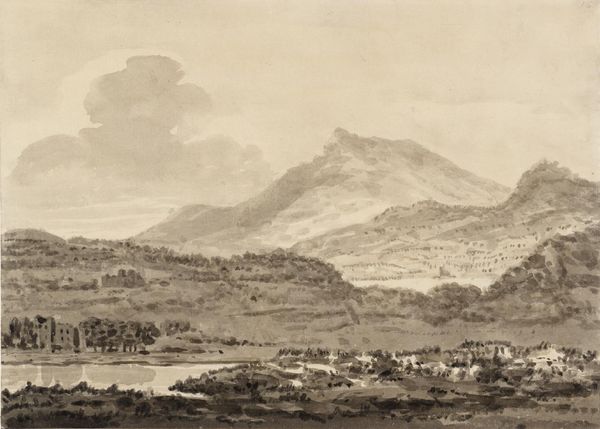
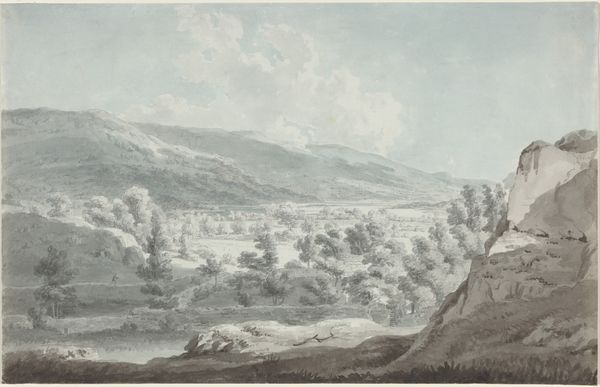
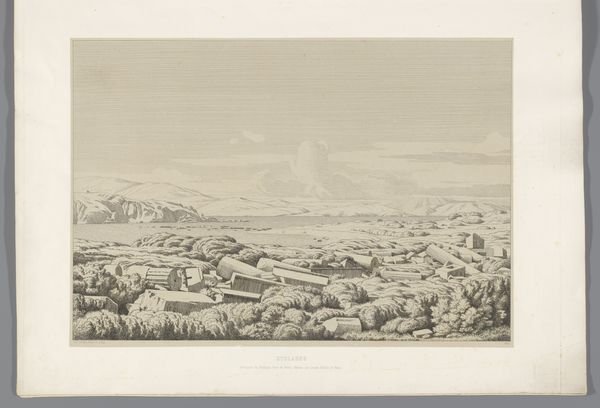
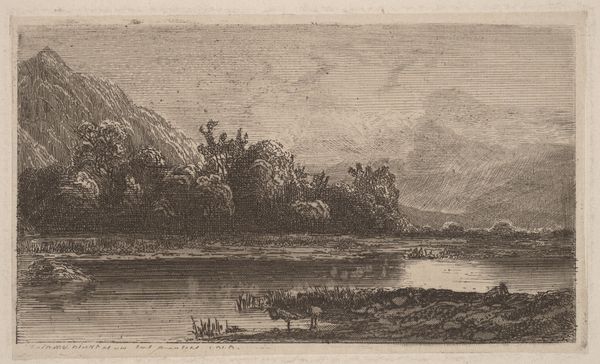
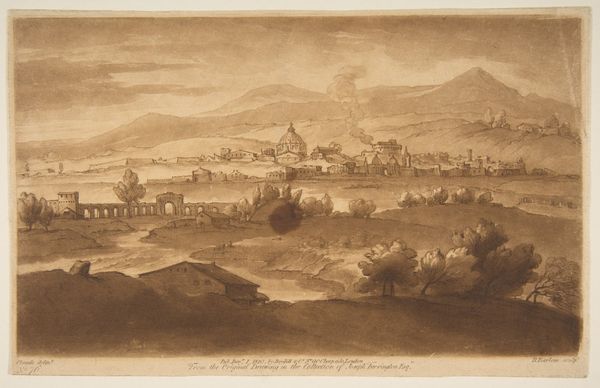
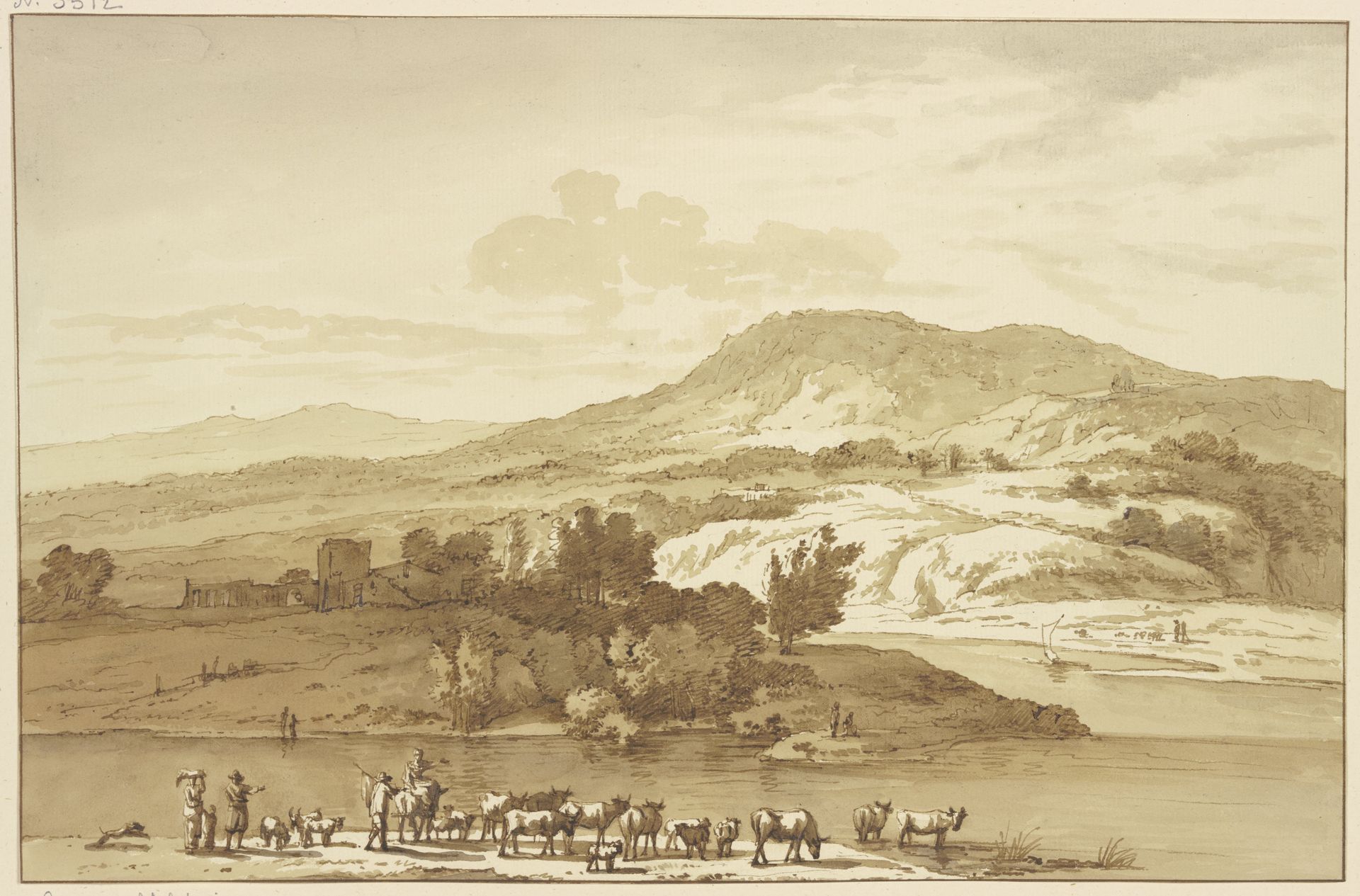
Jan Hulswit created this landscape with pen and brush in brown ink, depicting a river with a herd and mountains in the background. Here, the image of the herd, peacefully coexisting with its herders and the natural world, evokes a sense of pastoral harmony, harking back to classical ideals of Arcadia. This motif—of humanity living in concord with nature—echoes through art history, appearing in bucolic scenes from ancient Roman frescoes to the Renaissance paintings of Giorgione. Yet, there's a tension here. The ruined building in the background whispers of mortality and the transience of human endeavors. Like the classical concept of "Et in Arcadia ego," even in idyllic landscapes, death and decay are present. This duality touches a deep, subconscious chord within us: a reminder of our fleeting existence amidst the enduring power of nature. The image thus becomes a meditation on time, memory, and the cyclical nature of life, death, and rebirth.


Artwork details
- Medium
- drawing, etching, ink, indian-ink, pen
- Location
- Städel Museum
- Copyright
- Public Domain
Tags
drawing
netherlandish
etching
landscape
etching
ink
indian-ink
pen-ink sketch
15_18th-century
pen
watercolor
Comments
Be the first to share your thoughts about this work.
About this artwork
Jan Hulswit created this landscape with pen and brush in brown ink, depicting a river with a herd and mountains in the background. Here, the image of the herd, peacefully coexisting with its herders and the natural world, evokes a sense of pastoral harmony, harking back to classical ideals of Arcadia. This motif—of humanity living in concord with nature—echoes through art history, appearing in bucolic scenes from ancient Roman frescoes to the Renaissance paintings of Giorgione. Yet, there's a tension here. The ruined building in the background whispers of mortality and the transience of human endeavors. Like the classical concept of "Et in Arcadia ego," even in idyllic landscapes, death and decay are present. This duality touches a deep, subconscious chord within us: a reminder of our fleeting existence amidst the enduring power of nature. The image thus becomes a meditation on time, memory, and the cyclical nature of life, death, and rebirth.
Comments
Be the first to share your thoughts about this work.