1635 - 1664
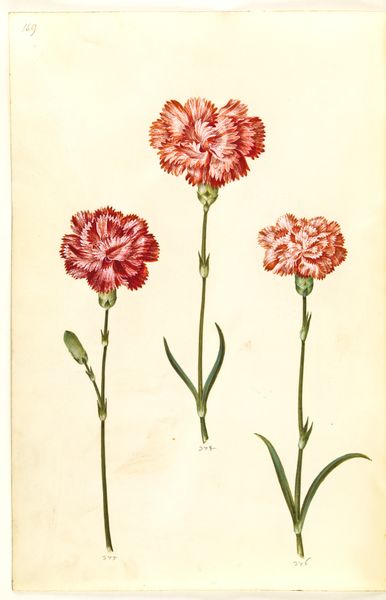
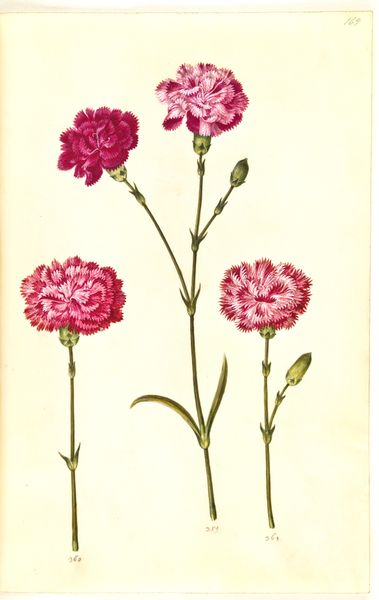
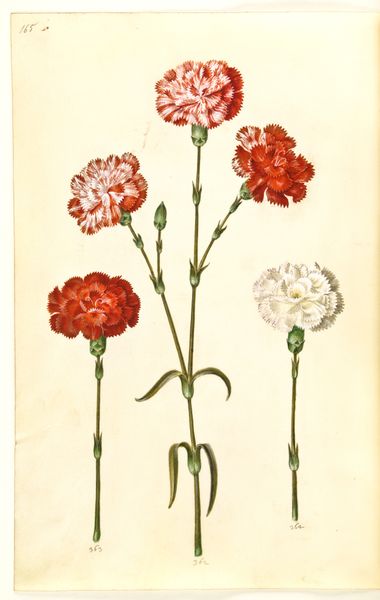
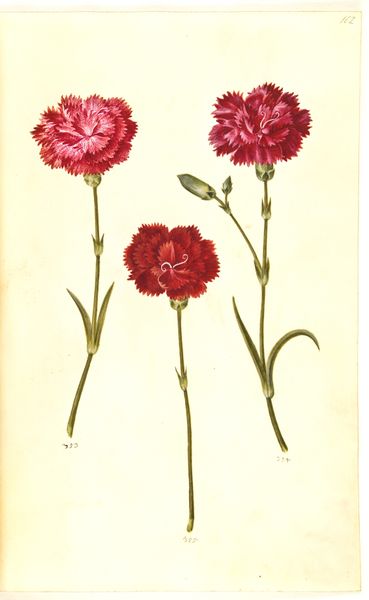
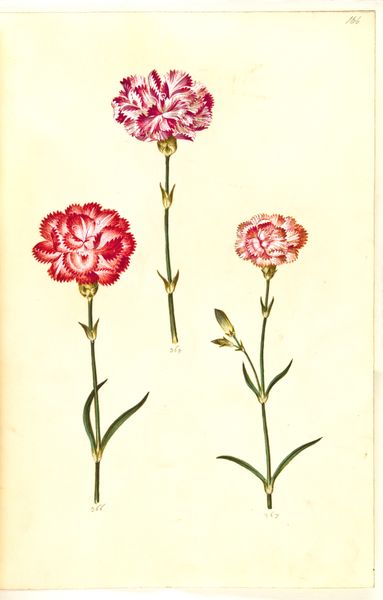
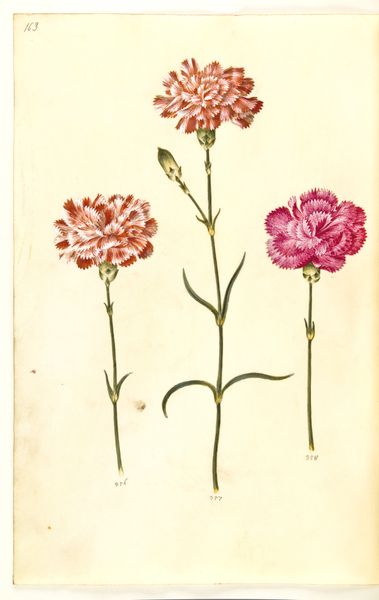
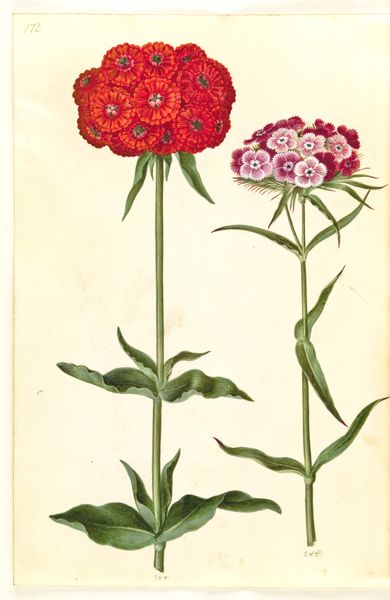
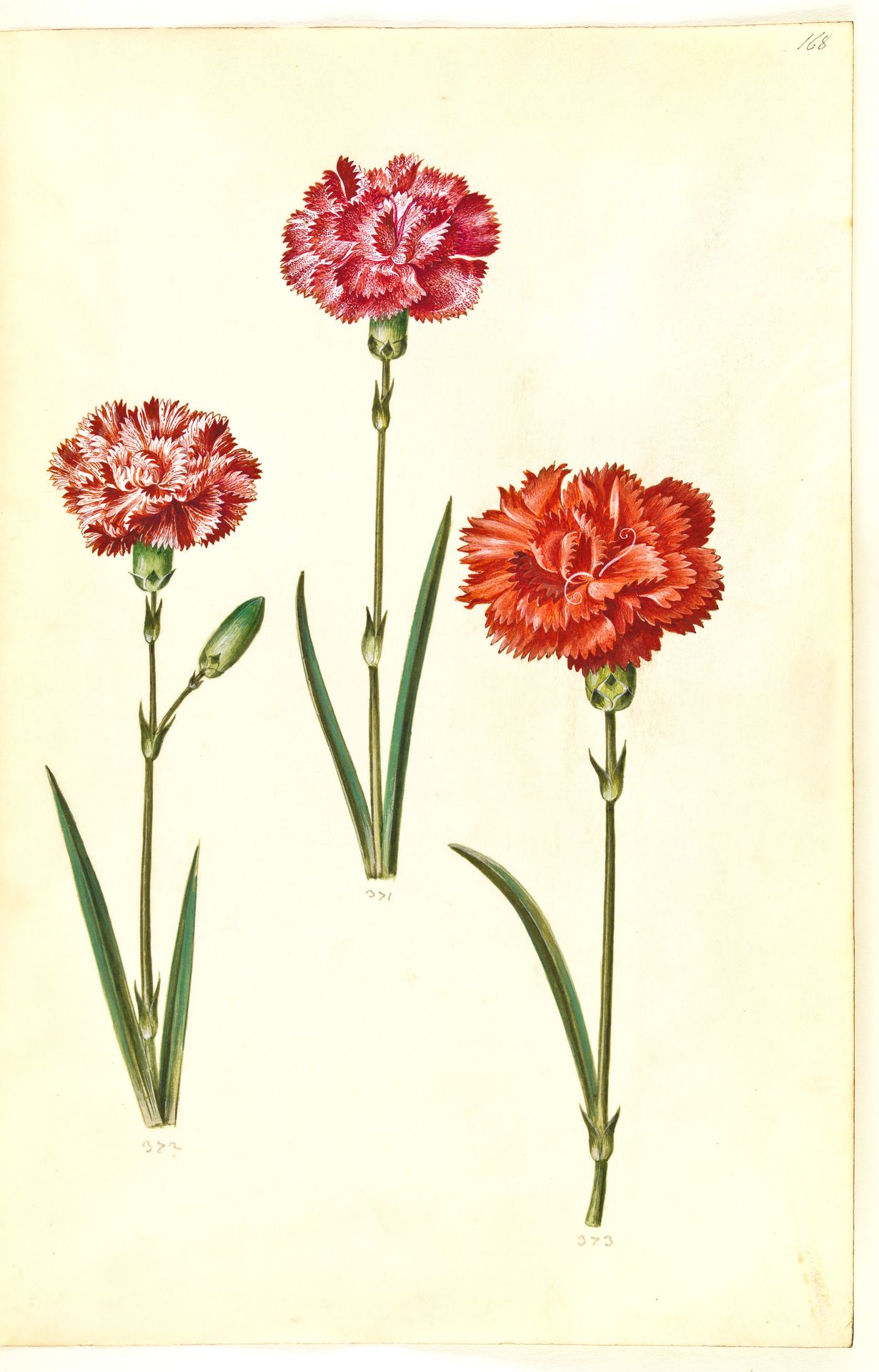
Dianthus caryophyllus (have-nellike)


Listen to curator's interpretation
Curatorial notes
Here, Hans Simon Holtzbecker depicts several specimens of Dianthus caryophyllus, commonly known as carnations. These blooms, rendered with delicate precision, carry a wealth of symbolic weight dating back to ancient times. In the Renaissance, the carnation was often used to symbolize love, marriage, and affection, appearing in portraits as emblems of betrothal or fidelity. The flower's vibrant colors – particularly the reds and pinks seen here – amplify its association with passion and emotion. Consider how the motif of the flower, laden with emotional significance, transcends Holtzbecker’s botanical study. We can see it repeated throughout history, from ancient Roman garlands to Victorian-era bouquets, each time subtly shifting in meaning yet retaining its core association with deeply felt human experiences. The carnation, much like the human heart, is a timeless symbol, forever blooming in the garden of the collective psyche.