1635 - 1664
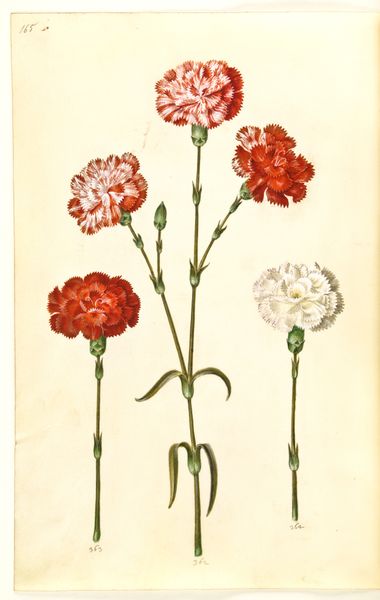
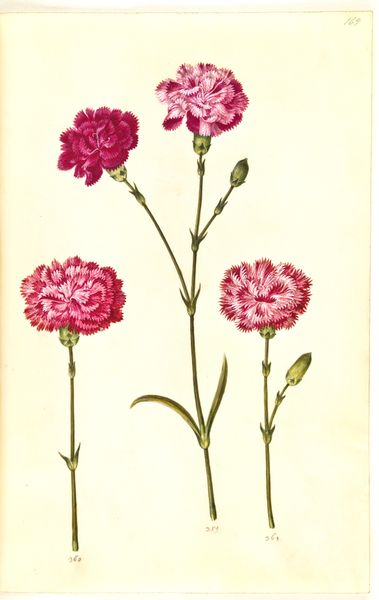
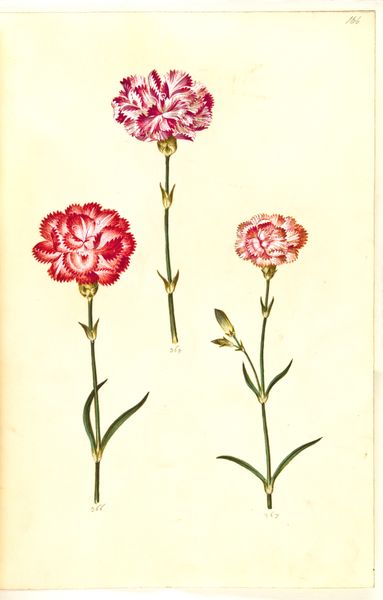
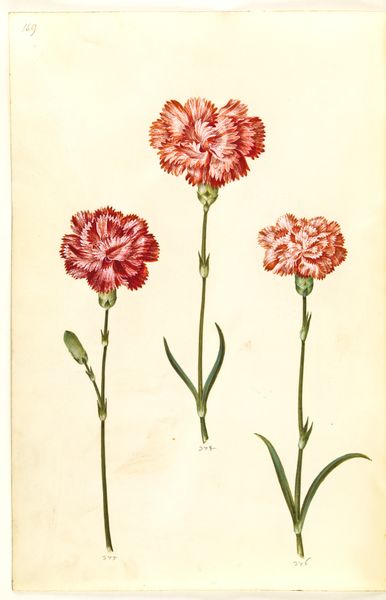
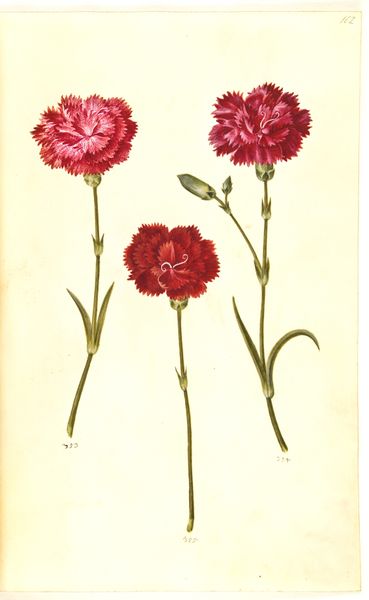
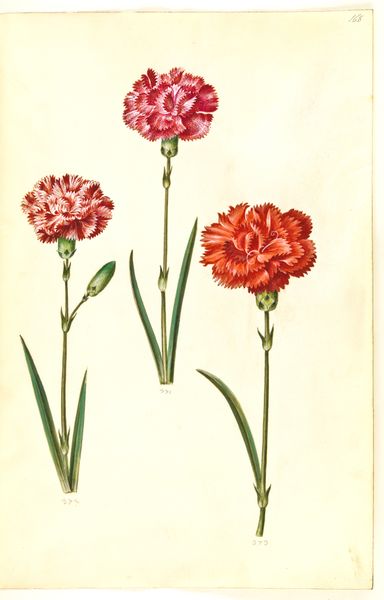
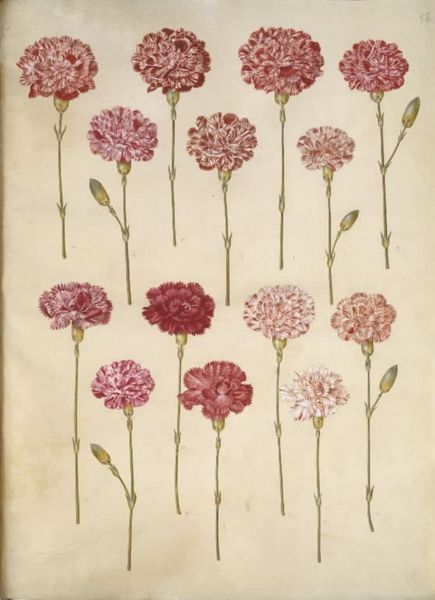
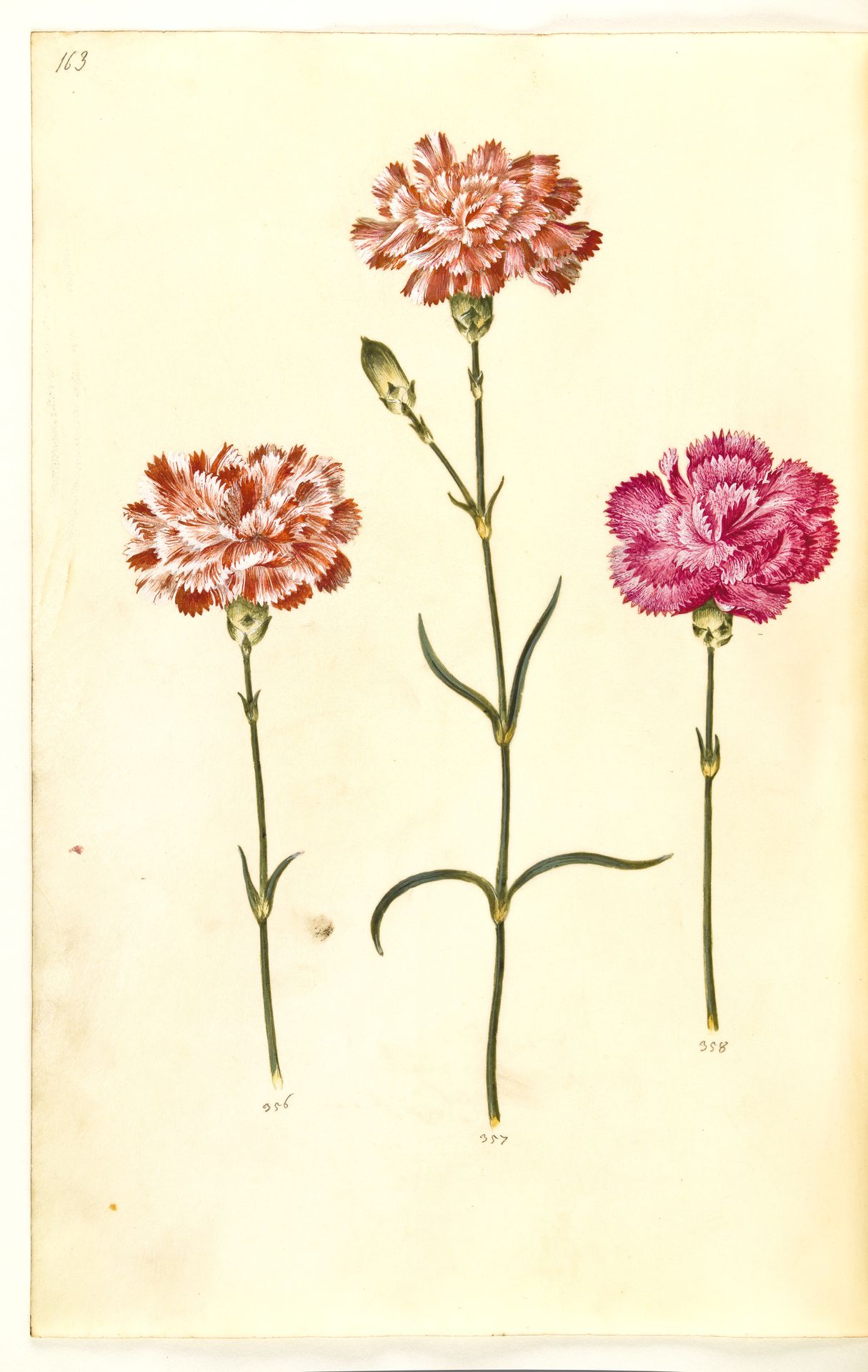
Dianthus caryophyllus (have-nellike)


Listen to curator's interpretation
Curatorial notes
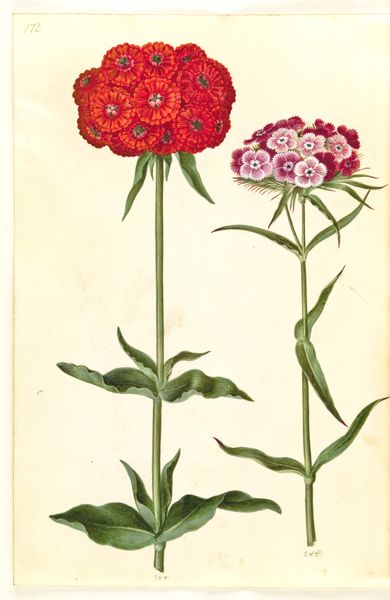
Hans Simon Holtzbecker made this study of carnations with watercolour and gouache. The carnation here, known as Dianthus caryophyllus, is a symbol laden with meaning. In the 16th and 17th centuries, carnations were commonly associated with love, marriage, and affection. Their intricate, ruffled petals can also evoke a sense of beauty and delicacy, often seen in Renaissance portraits as tokens of betrothal or symbols of fidelity. Yet, delve deeper, and we find the carnation’s symbolism stretches back to antiquity, with its use in Roman garlands and Christian art as emblems of divine love. Consider how the Madonna is frequently depicted with these blooms, representing her maternal love and spiritual purity. These gestures and symbols aren’t static; they evolve, their meanings transform, shaped by collective memory and cultural context. The carnation, thus, becomes a vessel carrying the weight of history.