About this artwork
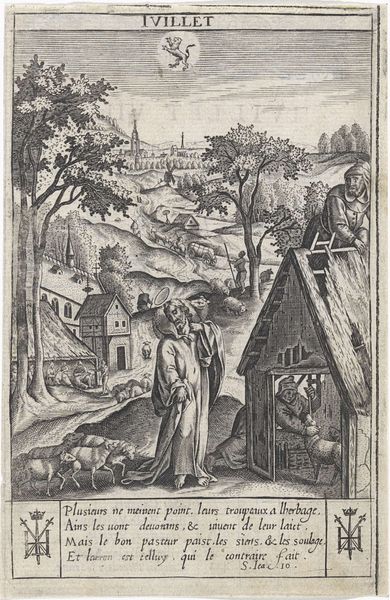
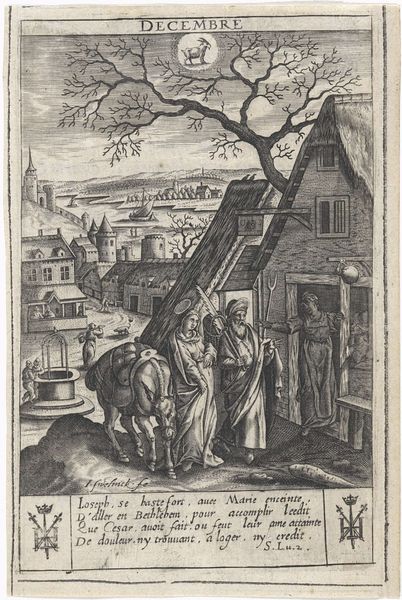
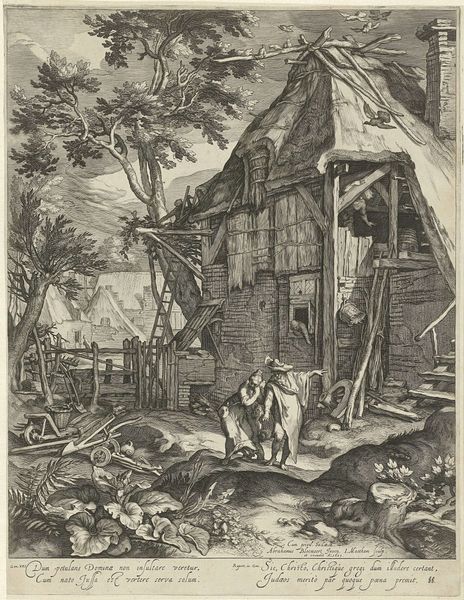
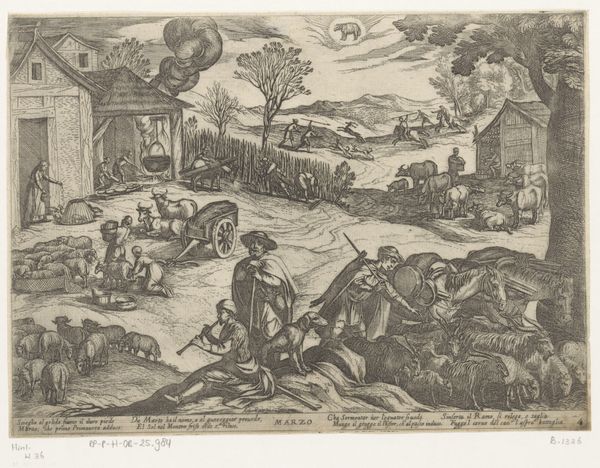
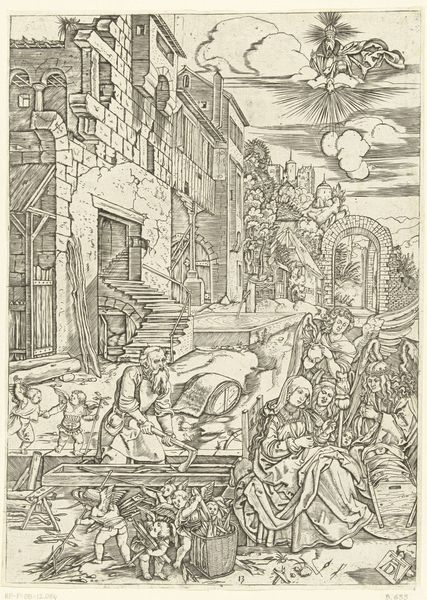
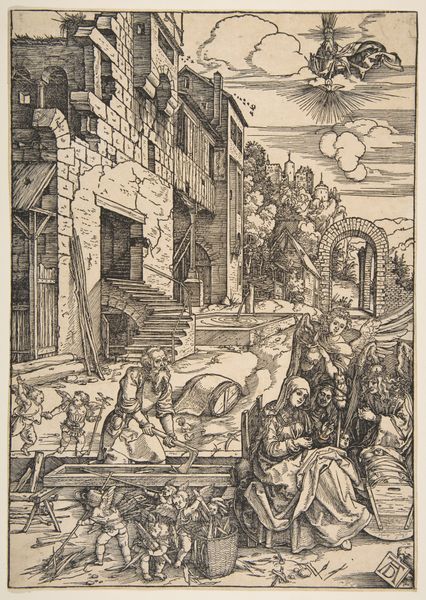
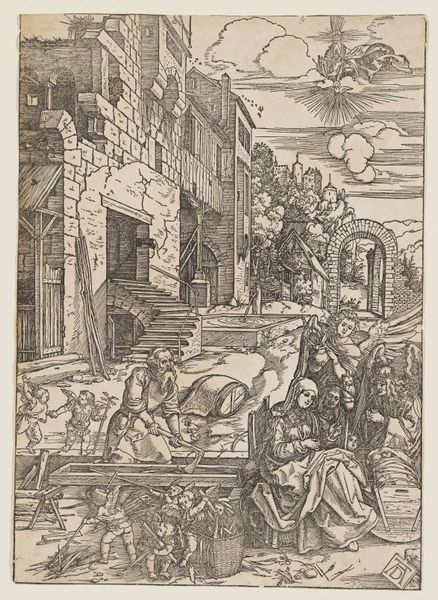
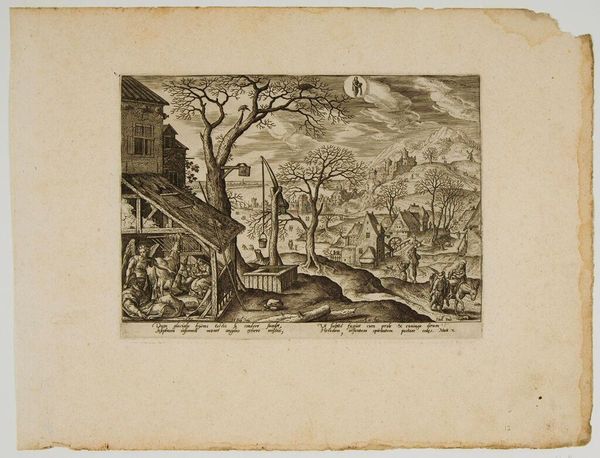
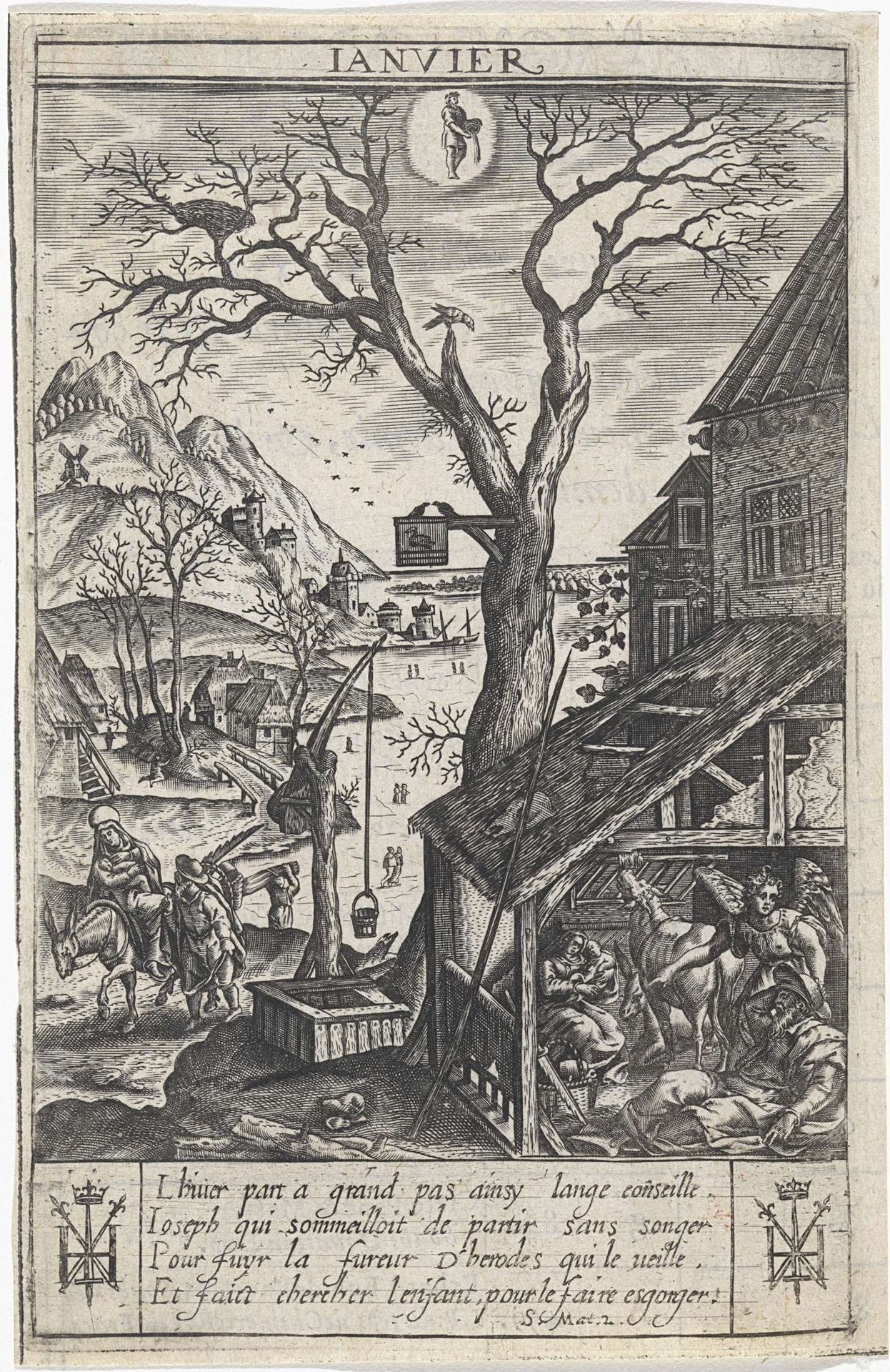
Jan Gerritsz Swelinck made this print, titled ‘Januari,’ likely in the Netherlands, sometime in the first half of the 17th century. Here, the artist merges seasonal genre scenes with biblical narrative. The print depicts the Flight into Egypt—Joseph, Mary, and Jesus fleeing Herod’s decree to kill all male children—but sets it in a wintry, Dutch landscape filled with bare trees, thatched roofs, and windmills in the distance. These images would have resonated with the contemporary viewer. The image also includes the zodiac symbol of Aquarius, referencing traditional calendars of the period. Prints like these demonstrate how images served as a crucial form of communication, blending religious, astrological, and local visual codes. To fully understand this work, we need to examine the vast visual culture of the Dutch Golden Age. By consulting emblem books, religious texts, and period calendars, we can begin to understand the social life of art in the 17th century.

Artwork details
- Medium
- drawing, tempera, print, paper, ink, engraving
- Dimensions
- height 140 mm, width 91 mm
- Copyright
- Rijks Museum: Open Domain
Tags
Comments
Share your thoughts
About this artwork
Jan Gerritsz Swelinck made this print, titled ‘Januari,’ likely in the Netherlands, sometime in the first half of the 17th century. Here, the artist merges seasonal genre scenes with biblical narrative. The print depicts the Flight into Egypt—Joseph, Mary, and Jesus fleeing Herod’s decree to kill all male children—but sets it in a wintry, Dutch landscape filled with bare trees, thatched roofs, and windmills in the distance. These images would have resonated with the contemporary viewer. The image also includes the zodiac symbol of Aquarius, referencing traditional calendars of the period. Prints like these demonstrate how images served as a crucial form of communication, blending religious, astrological, and local visual codes. To fully understand this work, we need to examine the vast visual culture of the Dutch Golden Age. By consulting emblem books, religious texts, and period calendars, we can begin to understand the social life of art in the 17th century.
Comments
Share your thoughts