About this artwork
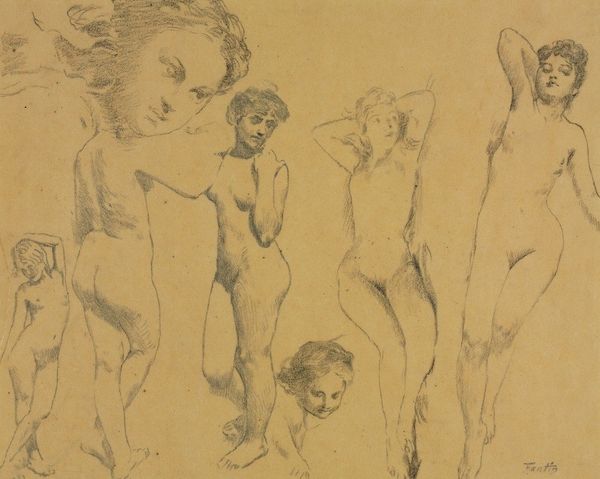
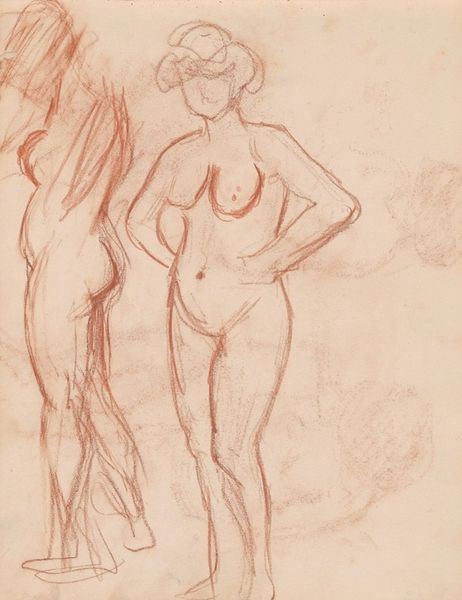
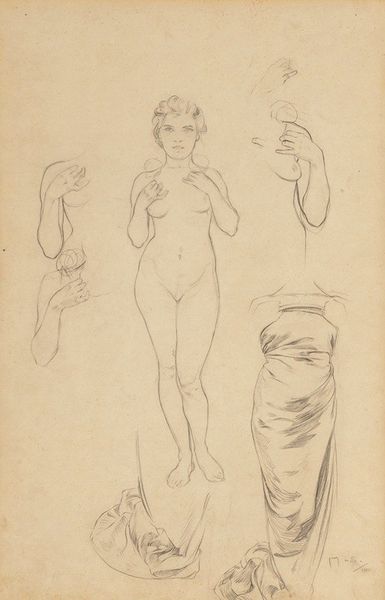
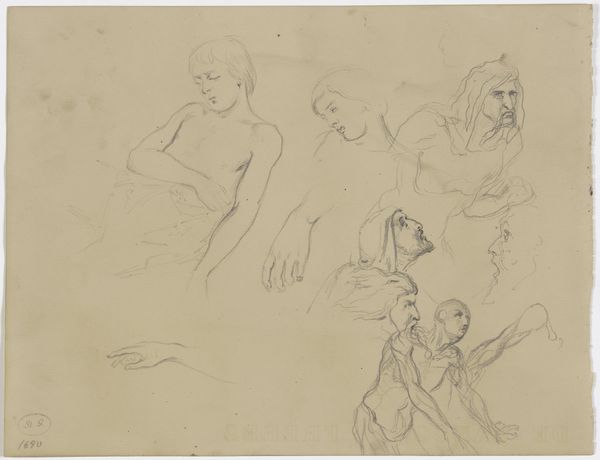
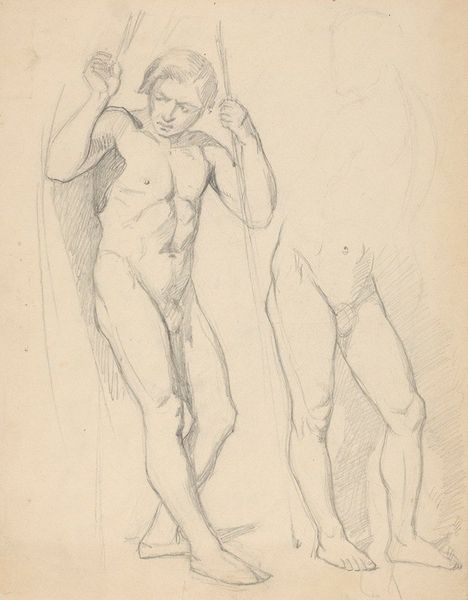
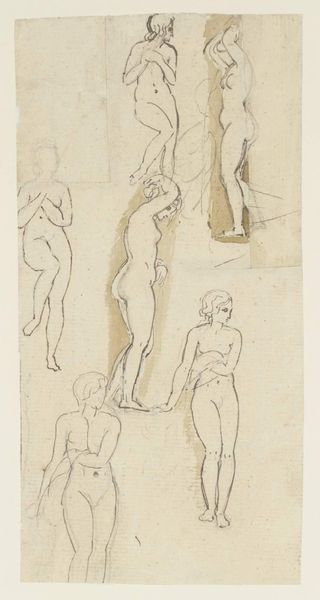
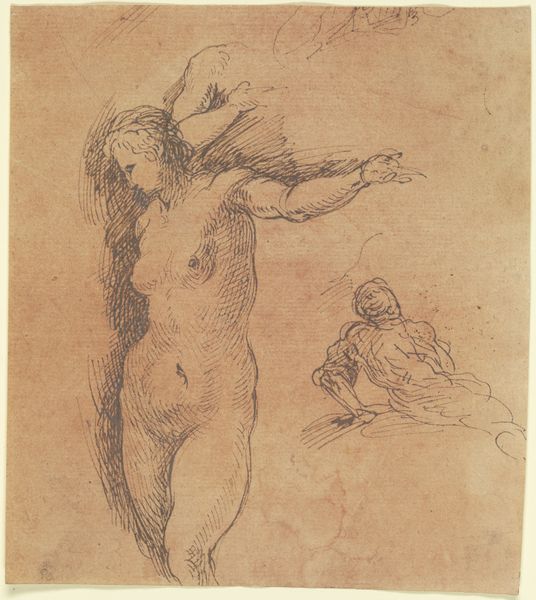
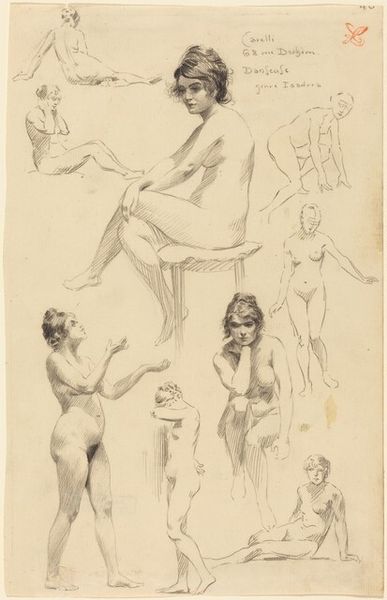
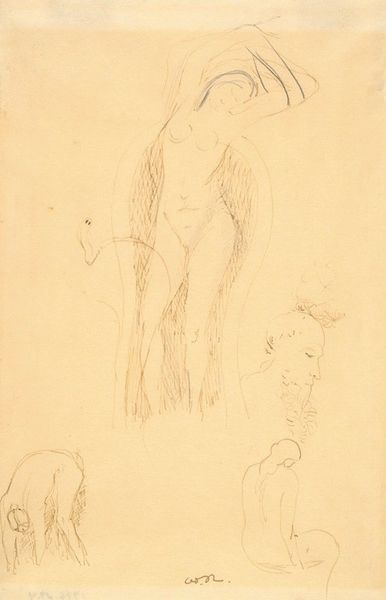
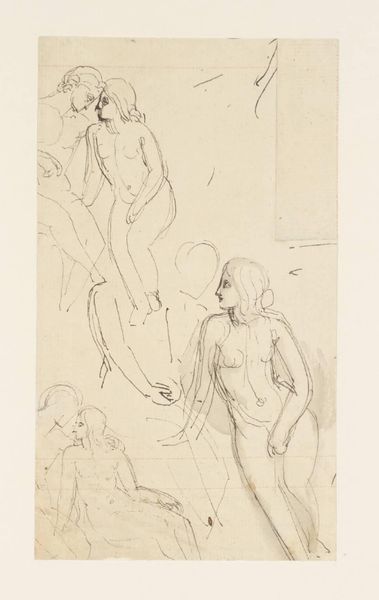
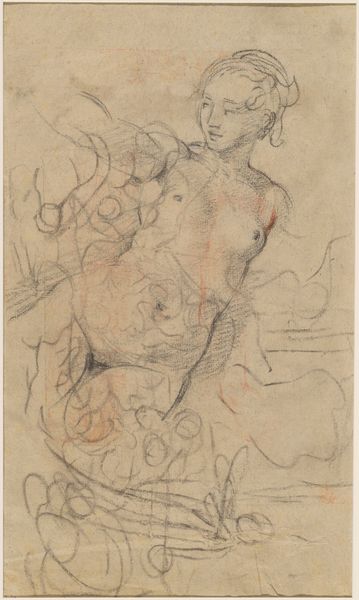
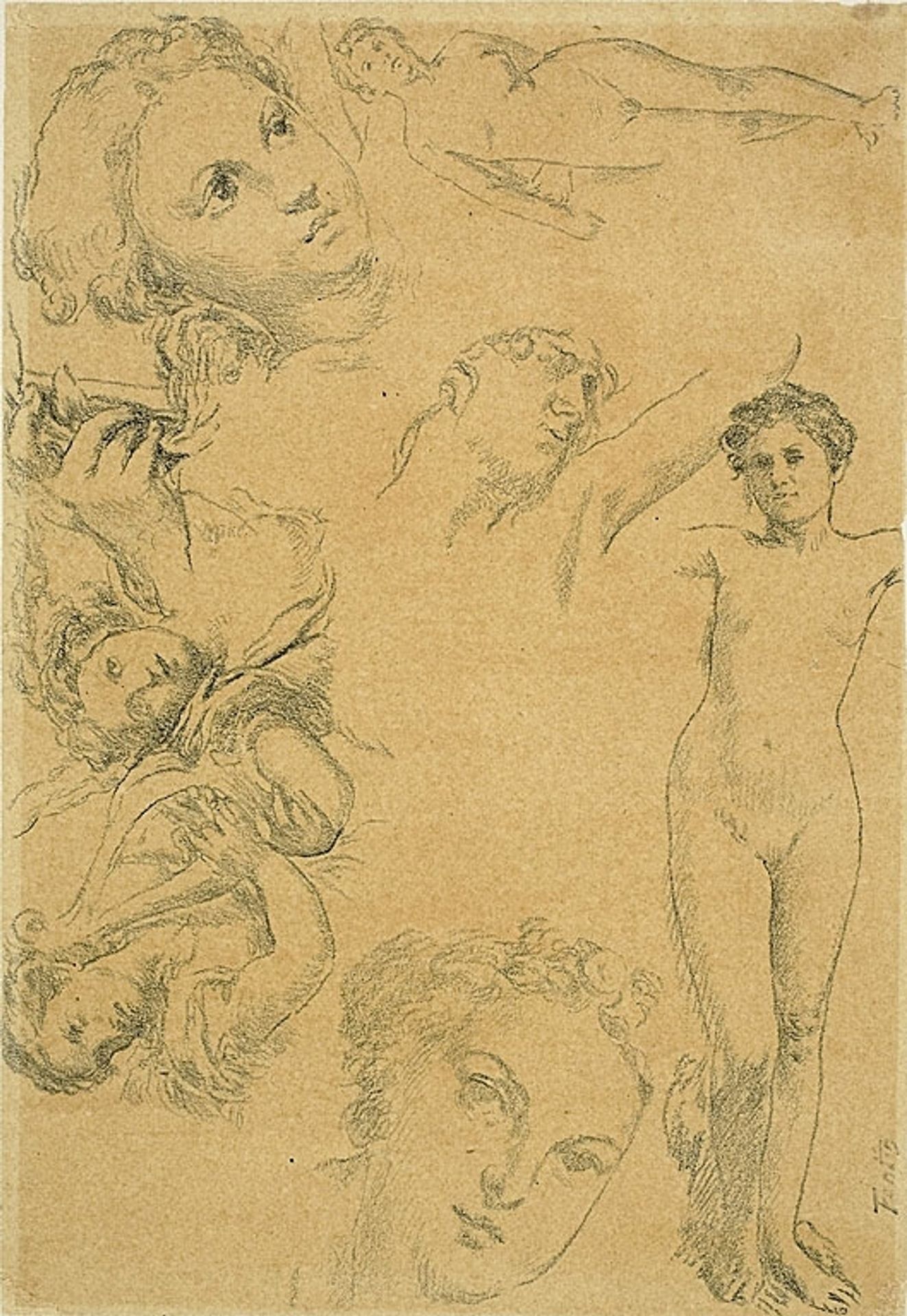
Henri Fantin-Latour created this Sheet of Studies with graphite on paper, and it now resides at the Art Institute of Chicago. The sheet presents various renditions of the human form, capturing a sense of timeless beauty and classical idealism. Consider the recurring motif of the outstretched arm: in one sketch, a figure reclines languidly, arm extended overhead, echoing poses found in ancient Greek sculptures. This gesture reappears across centuries, finding new life in Renaissance paintings and beyond. We can trace its evolution, noting how artists adapt and reinterpret this classic pose to convey diverse emotions, from serene repose to dramatic anguish. The emotional impact of this pose is profound. It taps into our collective memory, resonating with a deep, subconscious understanding of human vulnerability and grace. Fantin-Latour skillfully evokes these emotions, inviting us to connect with the artwork on a visceral level. This cyclical progression of form and emotion reminds us that art transcends time, continually resurfacing in new contexts, and forever capturing our deepest emotions.
Sheet of Studies (replica)
n.d.


Artwork details
- Medium
- drawing, paper, dry-media, pencil
- Dimensions
- 258 × 177 mm
- Location
- The Art Institute of Chicago
- Copyright
- Public Domain
Tags
portrait
drawing
self-portrait
pencil sketch
figuration
paper
dry-media
pencil
nude
Comments
Be the first to share your thoughts about this work.
About this artwork
Henri Fantin-Latour created this Sheet of Studies with graphite on paper, and it now resides at the Art Institute of Chicago. The sheet presents various renditions of the human form, capturing a sense of timeless beauty and classical idealism. Consider the recurring motif of the outstretched arm: in one sketch, a figure reclines languidly, arm extended overhead, echoing poses found in ancient Greek sculptures. This gesture reappears across centuries, finding new life in Renaissance paintings and beyond. We can trace its evolution, noting how artists adapt and reinterpret this classic pose to convey diverse emotions, from serene repose to dramatic anguish. The emotional impact of this pose is profound. It taps into our collective memory, resonating with a deep, subconscious understanding of human vulnerability and grace. Fantin-Latour skillfully evokes these emotions, inviting us to connect with the artwork on a visceral level. This cyclical progression of form and emotion reminds us that art transcends time, continually resurfacing in new contexts, and forever capturing our deepest emotions.
Comments
Be the first to share your thoughts about this work.