About this artwork
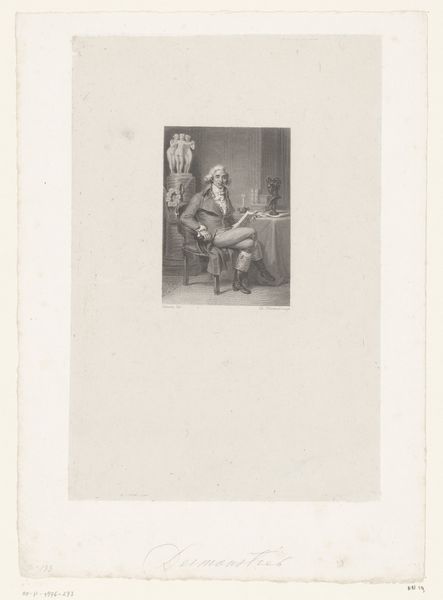
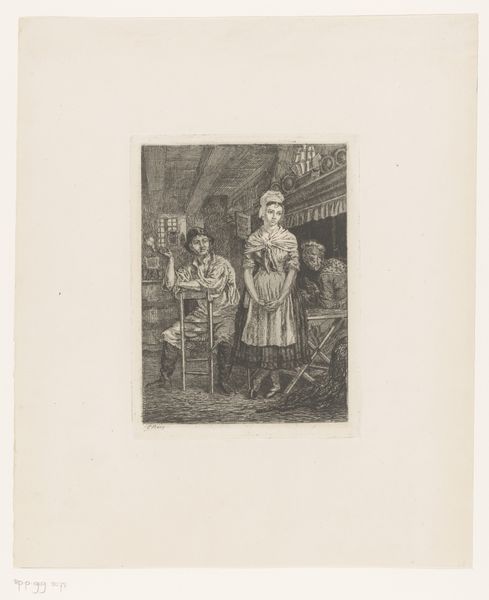
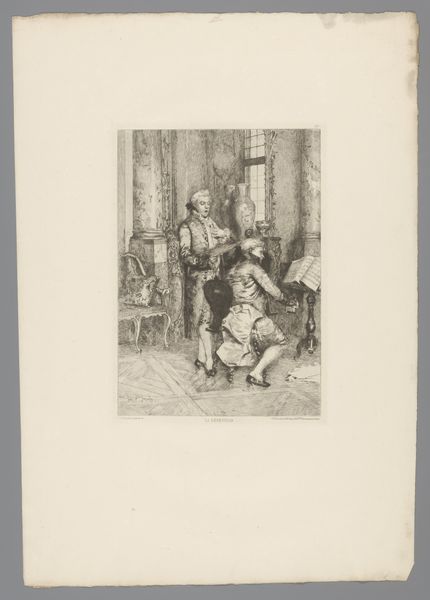
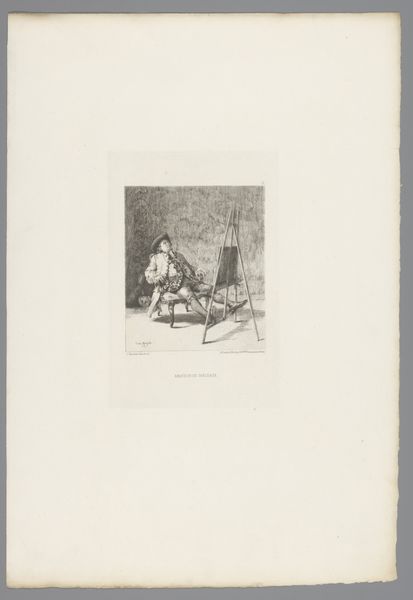
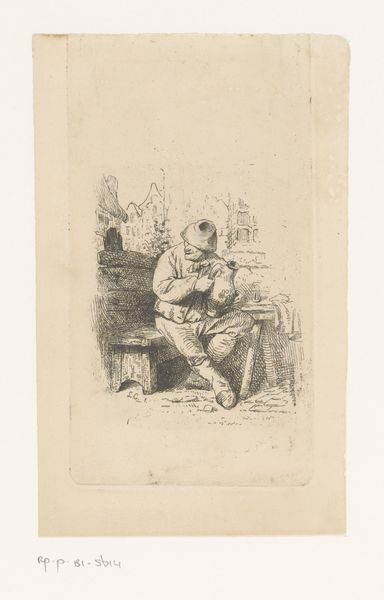
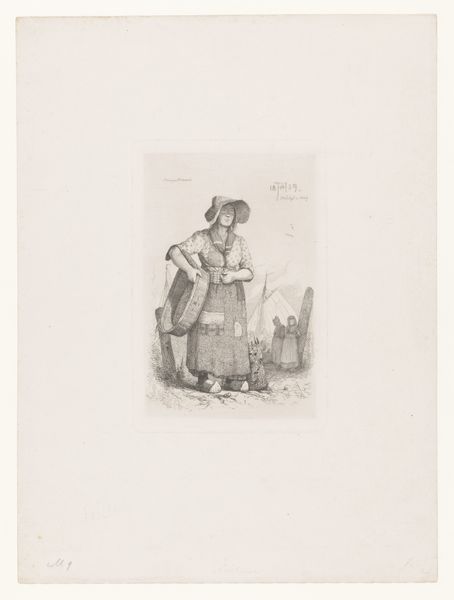
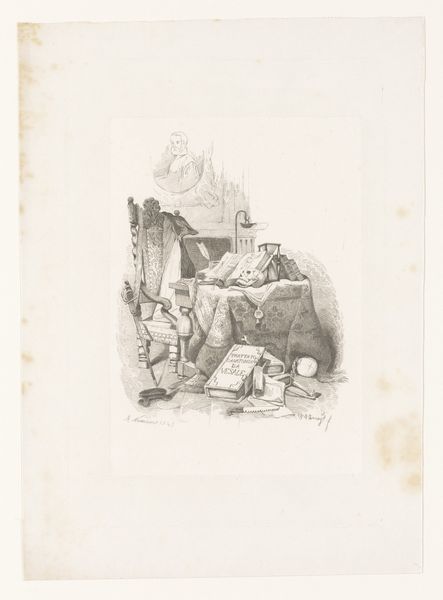
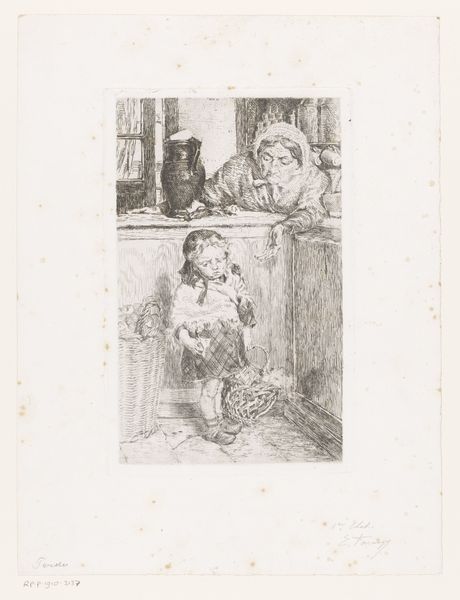
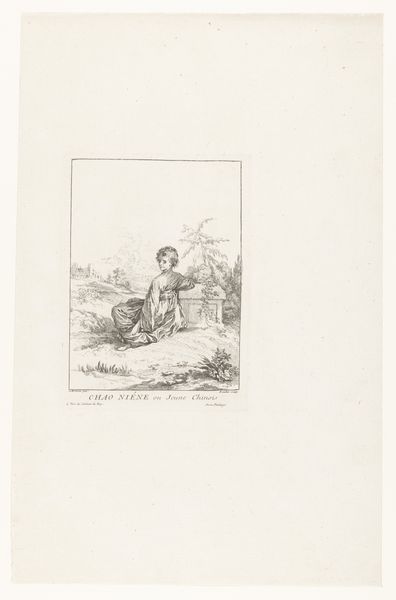
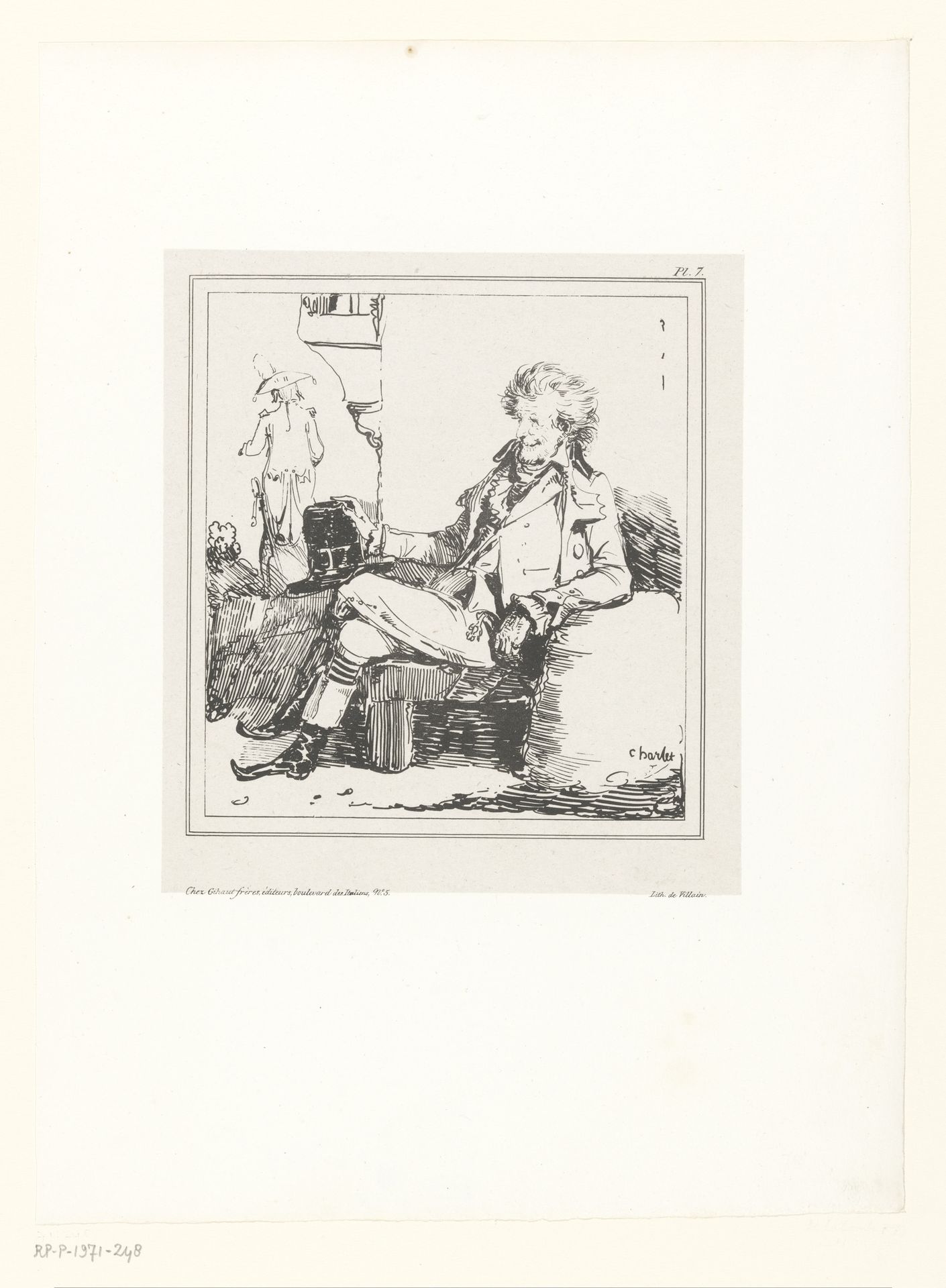
Nicolas Toussaint Charlet created this print, “Oude heer gezeten op een bank”, which translates to “Old gentleman sitting on a bench,” using lithography. Charlet, who had served in the National Guard, often depicted military figures and scenes from the Napoleonic era, and this work reflects the social and political climate of post-revolutionary France. The gentleman portrayed here, with his casual pose and somewhat disheveled appearance, could represent the fading glory of the old order. There is an emotional tension in how the figure holds his hat, a sign of dignity and status, while he is physically worn. It prompts a dialogue about the representation of aging, class, and the passage of time. The print invites us to consider the individual stories behind historical events and how these narratives challenge or reinforce broader societal beliefs. What does it mean to grow old and to witness the passing of one’s era? What stories do we tell ourselves about aging?

Artwork details
- Medium
- drawing, ink, pen
- Dimensions
- height 353 mm, width 261 mm
- Location
- Rijksmuseum
- Copyright
- Rijks Museum: Open Domain
Tags
portrait
drawing
comic strip sketch
light pencil work
old engraving style
figuration
personal sketchbook
ink
idea generation sketch
ink drawing experimentation
romanticism
pen-ink sketch
ink colored
sketchbook drawing
pen
genre-painting
storyboard and sketchbook work
Comments
No comments
About this artwork
Nicolas Toussaint Charlet created this print, “Oude heer gezeten op een bank”, which translates to “Old gentleman sitting on a bench,” using lithography. Charlet, who had served in the National Guard, often depicted military figures and scenes from the Napoleonic era, and this work reflects the social and political climate of post-revolutionary France. The gentleman portrayed here, with his casual pose and somewhat disheveled appearance, could represent the fading glory of the old order. There is an emotional tension in how the figure holds his hat, a sign of dignity and status, while he is physically worn. It prompts a dialogue about the representation of aging, class, and the passage of time. The print invites us to consider the individual stories behind historical events and how these narratives challenge or reinforce broader societal beliefs. What does it mean to grow old and to witness the passing of one’s era? What stories do we tell ourselves about aging?
Comments
No comments