About this artwork
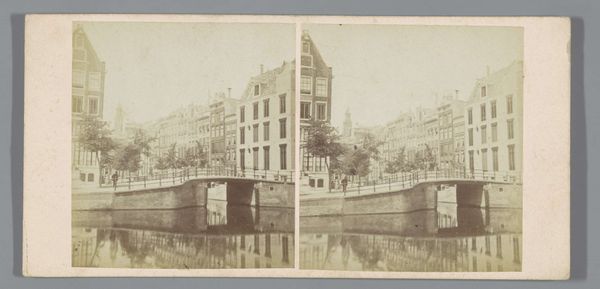
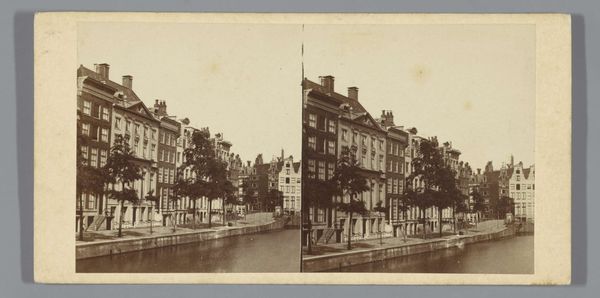
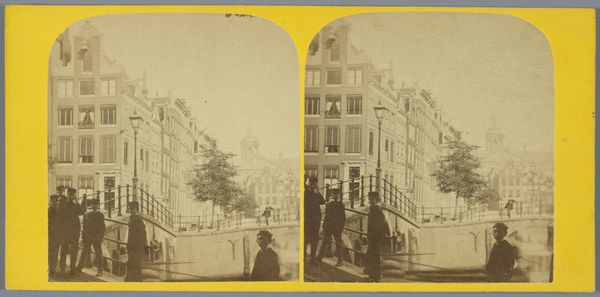
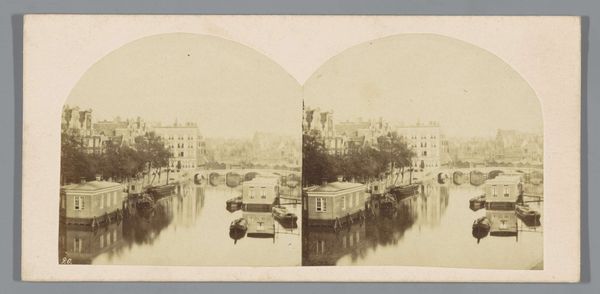
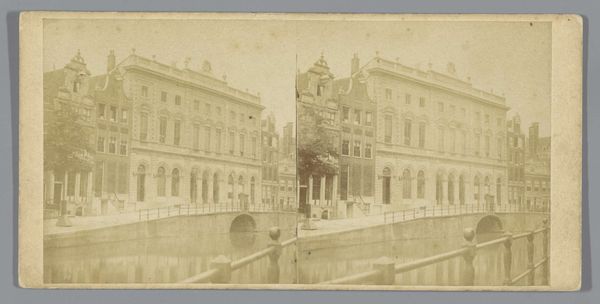
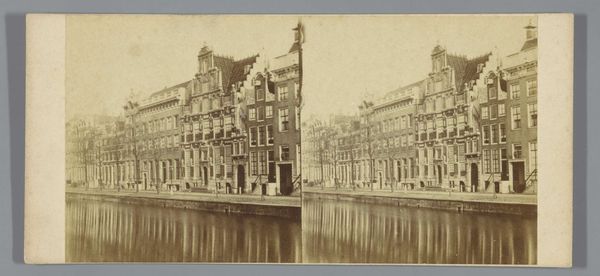
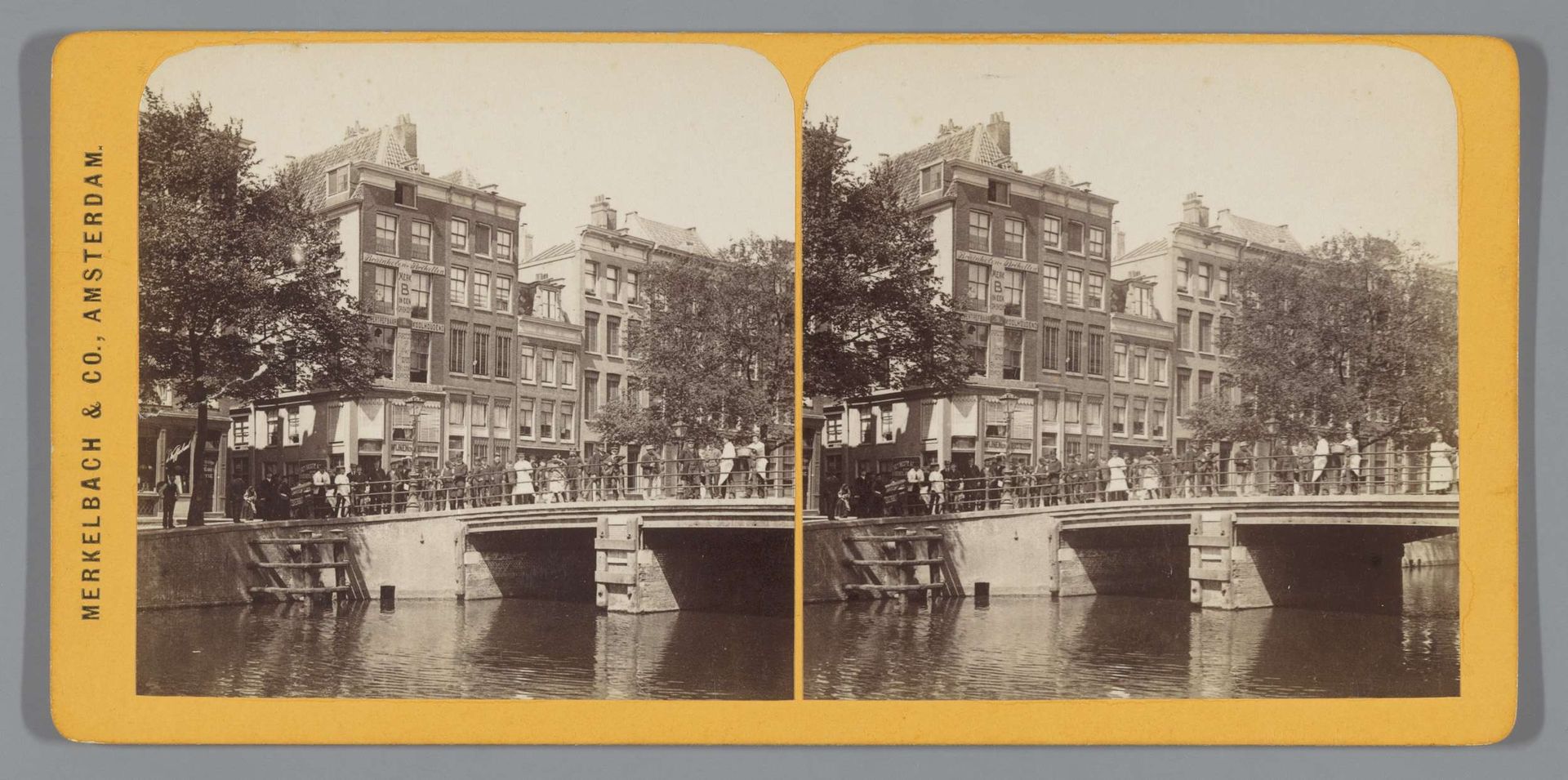
This anonymous photograph captures the Singel canal at the Gasthuismolensteeg in Amsterdam. The composition presents a tightly framed urban scene, dominated by the geometric solidity of the buildings and the linear precision of the bridge reflected in the water. The photograph plays with symmetry and repetition. The identical images placed side by side underscore the structural stability and visual rhythm. The buildings are vertically stacked rectangles, their forms echoed in the bridge’s supports, creating a grid-like pattern that emphasizes order and control. The monochromatic palette and subtle variations in tone draw attention to the interplay of light and shadow, reinforcing the geometry of the scene. In considering such a structured composition, we might reflect on how the photograph captures and perhaps constructs a certain image of urban space. The visual organization invites us to interpret the photograph not merely as a record, but as a structured interpretation of the canal and the buildings of Amsterdam.

Artwork details
- Medium
- print, photography, gelatin-silver-print
- Dimensions
- height 86 mm, width 177 mm
- Copyright
- Rijks Museum: Open Domain
Tags
dutch-golden-age
pictorialism
landscape
photography
coloured pencil
gelatin-silver-print
cityscape
realism
Comments
No comments
About this artwork
This anonymous photograph captures the Singel canal at the Gasthuismolensteeg in Amsterdam. The composition presents a tightly framed urban scene, dominated by the geometric solidity of the buildings and the linear precision of the bridge reflected in the water. The photograph plays with symmetry and repetition. The identical images placed side by side underscore the structural stability and visual rhythm. The buildings are vertically stacked rectangles, their forms echoed in the bridge’s supports, creating a grid-like pattern that emphasizes order and control. The monochromatic palette and subtle variations in tone draw attention to the interplay of light and shadow, reinforcing the geometry of the scene. In considering such a structured composition, we might reflect on how the photograph captures and perhaps constructs a certain image of urban space. The visual organization invites us to interpret the photograph not merely as a record, but as a structured interpretation of the canal and the buildings of Amsterdam.
Comments
No comments