About this artwork
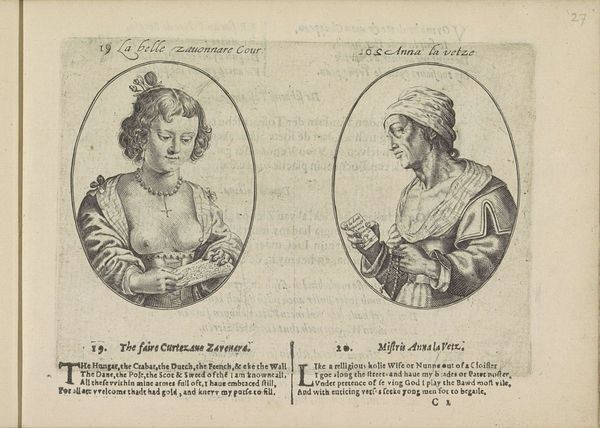
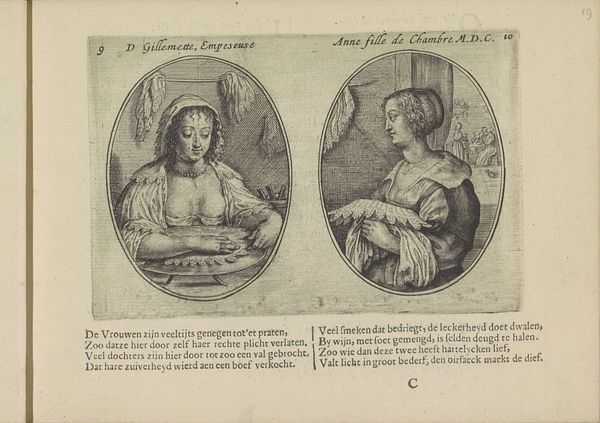
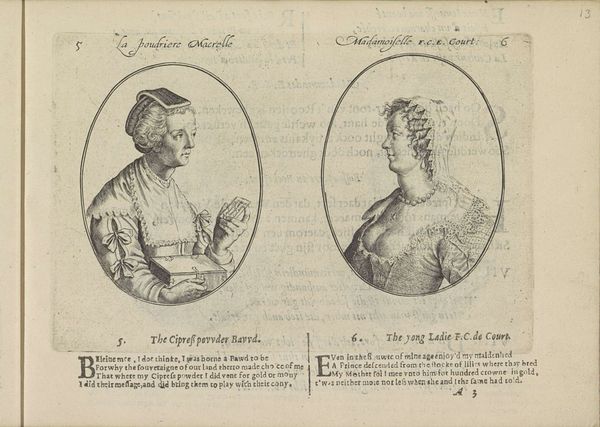
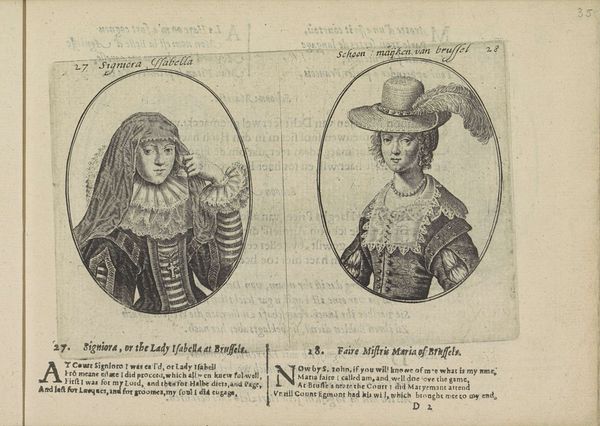
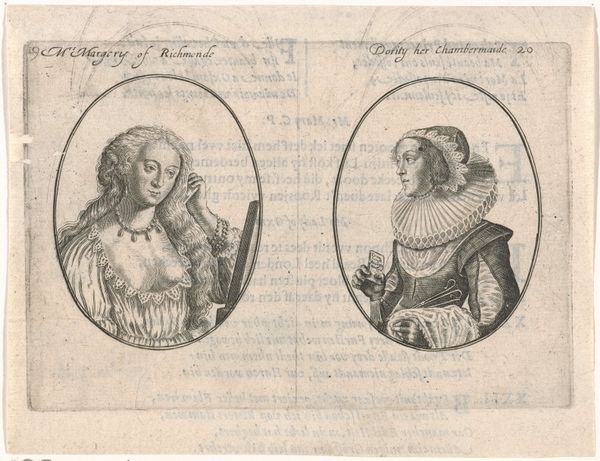
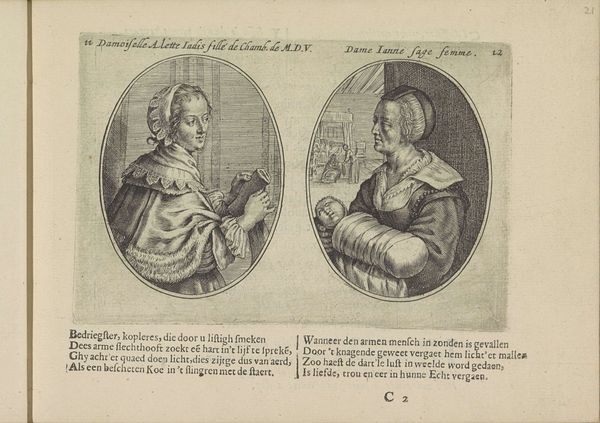
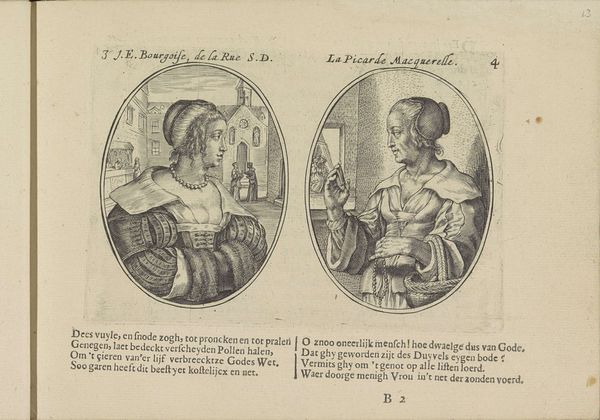
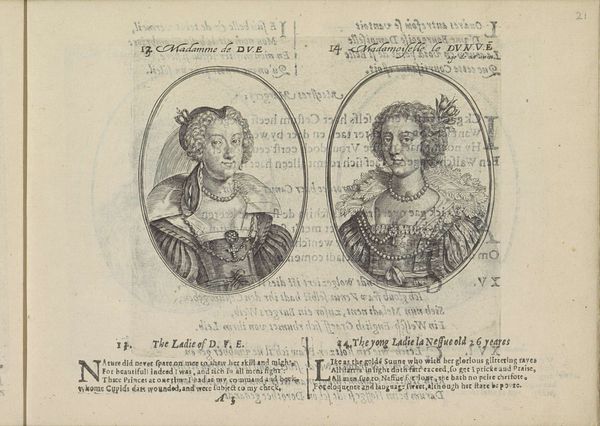
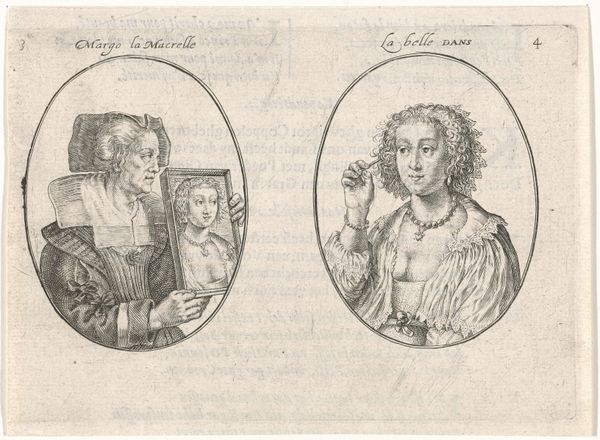
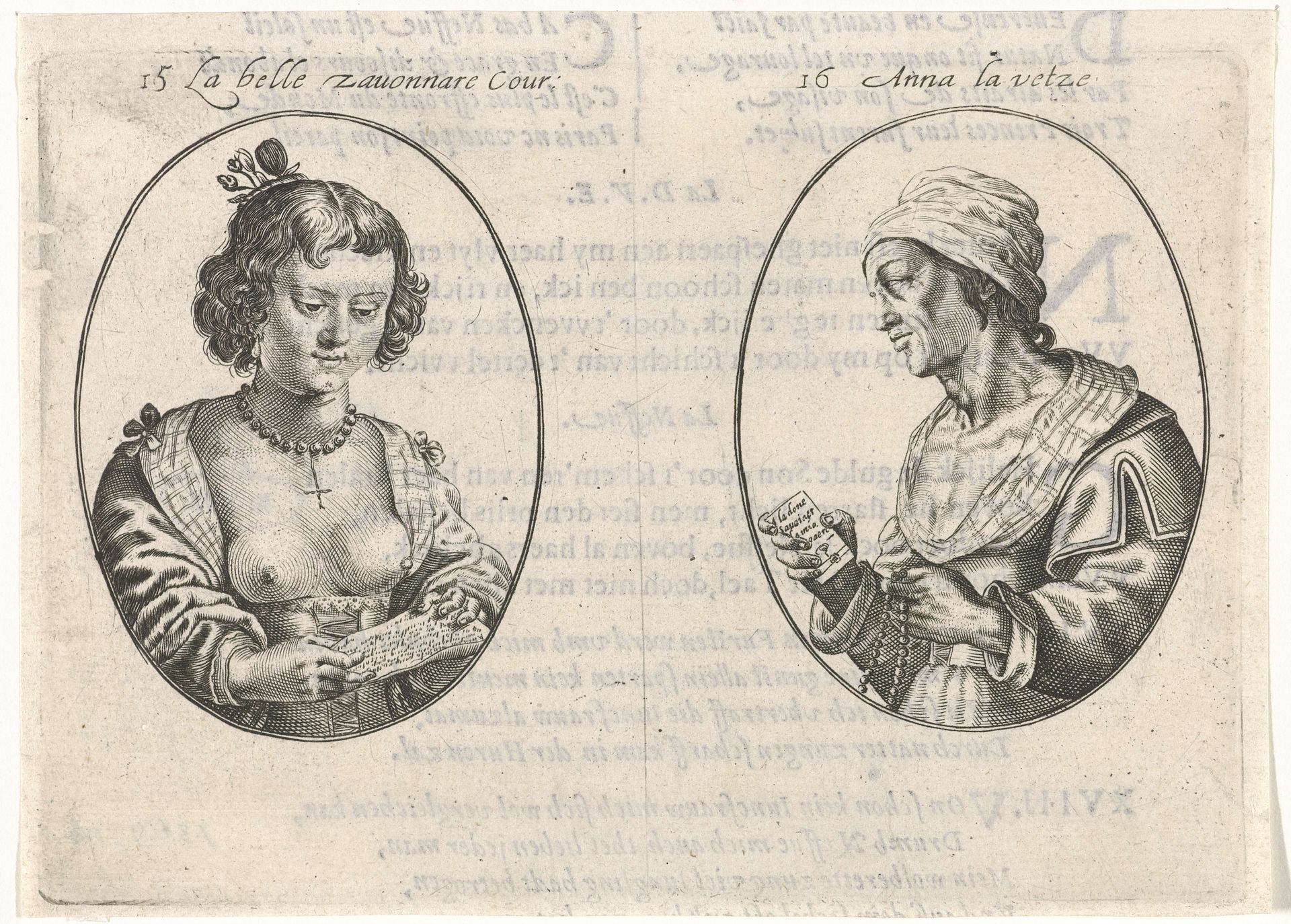
Crispijn van de Passe the Younger created this print of two courtesans using engraving techniques. On the left, “La belle Zaouannare Cour” displays a cross, a symbol that transcends its overt religious meaning. The cross, since antiquity, is seen in numerous contexts, from ancient Egyptian ankhs to various forms in pre-Christian cultures, symbolizing life or cosmic balance. Here, it dangles over a bare chest, an evolution from a symbol of devotion to one of adornment, perhaps even subversion. The jewel worn by the courtesan carries the emotional weight of a sacred object adapted for worldly display. This transformation highlights our complex relationship with symbols, how they’re remembered, reinterpreted, and imbued with new meaning. A symbol never remains static.
Portretten van twee courtisanes
1630 - 1632

Crispijn van de (II) Passe
1597 - 1670Location
RijksmuseumArtwork details
- Medium
- print, engraving
- Dimensions
- height 109 mm, width 154 mm, height 116 mm, width 161 mm
- Location
- Rijksmuseum
- Copyright
- Rijks Museum: Open Domain
Tags
Comments
Share your thoughts
About this artwork
Crispijn van de Passe the Younger created this print of two courtesans using engraving techniques. On the left, “La belle Zaouannare Cour” displays a cross, a symbol that transcends its overt religious meaning. The cross, since antiquity, is seen in numerous contexts, from ancient Egyptian ankhs to various forms in pre-Christian cultures, symbolizing life or cosmic balance. Here, it dangles over a bare chest, an evolution from a symbol of devotion to one of adornment, perhaps even subversion. The jewel worn by the courtesan carries the emotional weight of a sacred object adapted for worldly display. This transformation highlights our complex relationship with symbols, how they’re remembered, reinterpreted, and imbued with new meaning. A symbol never remains static.
Comments
Share your thoughts