c. 1885 - 1902
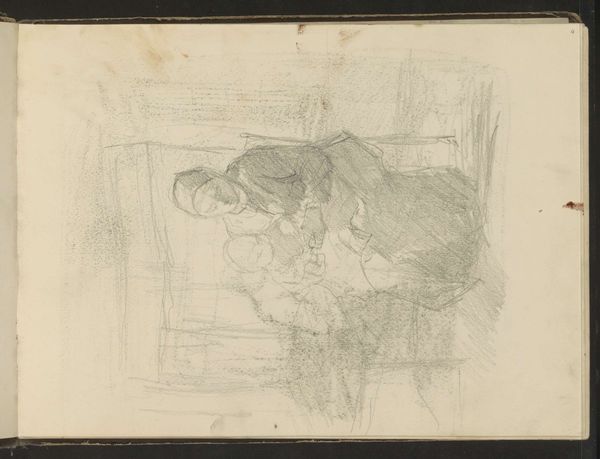
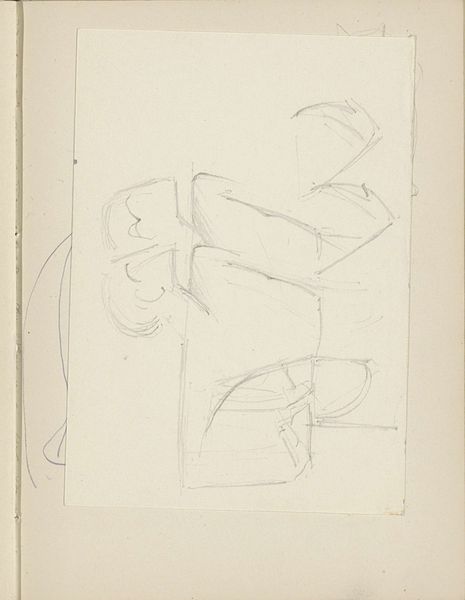
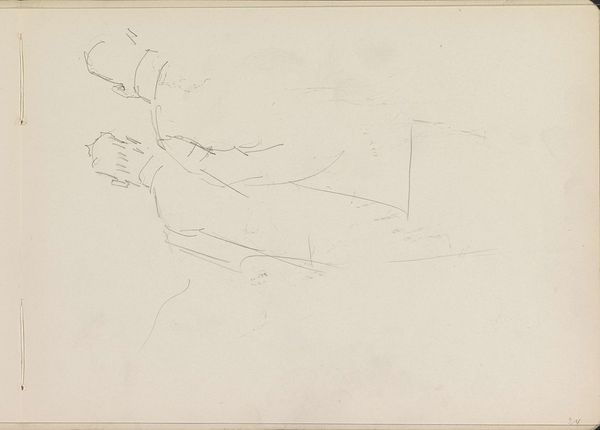
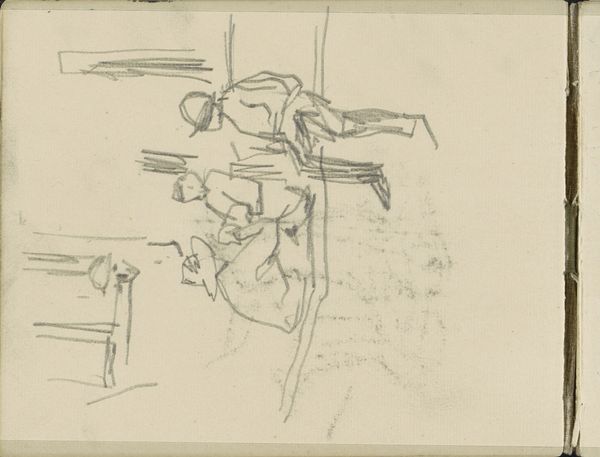
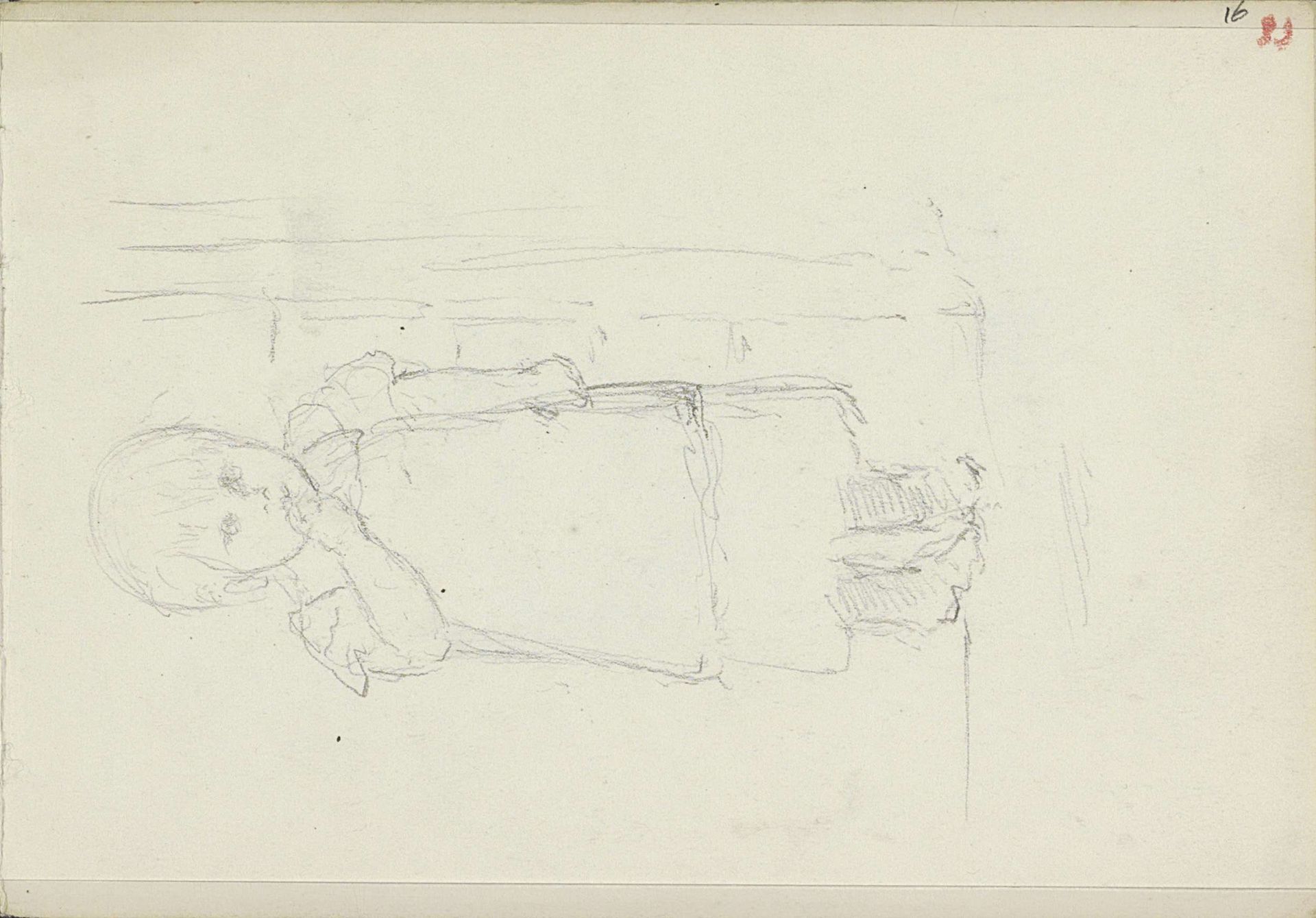
Staand kind in een deuropening

Jozef Israëls
1824 - 1911Location
RijksmuseumListen to curator's interpretation
Curatorial notes
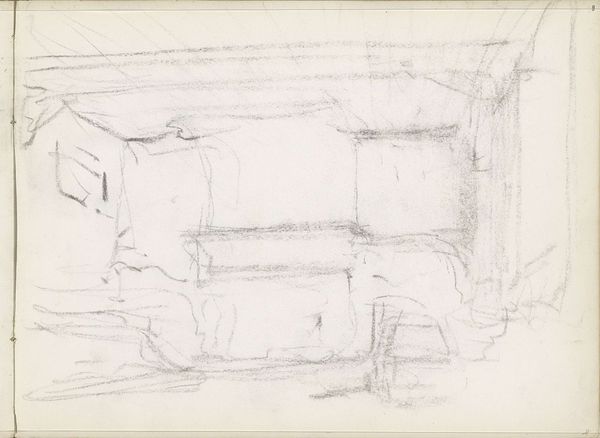
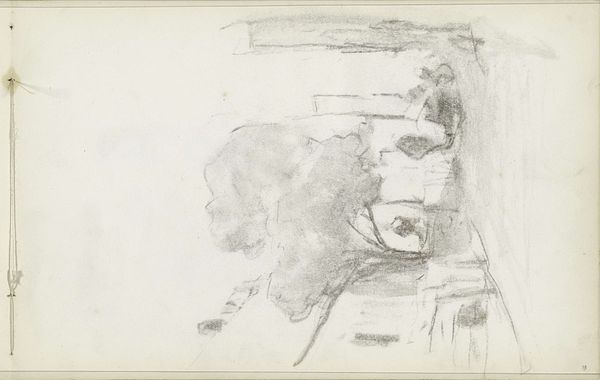
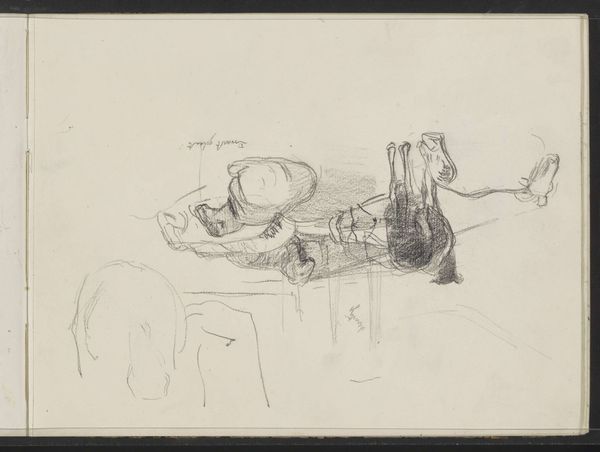
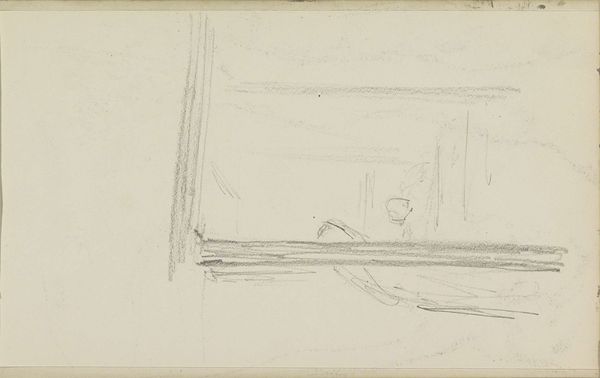
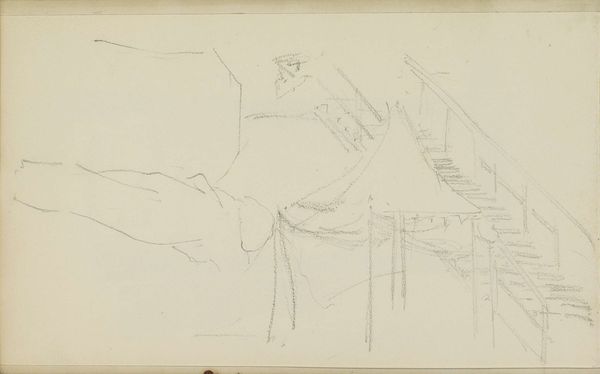
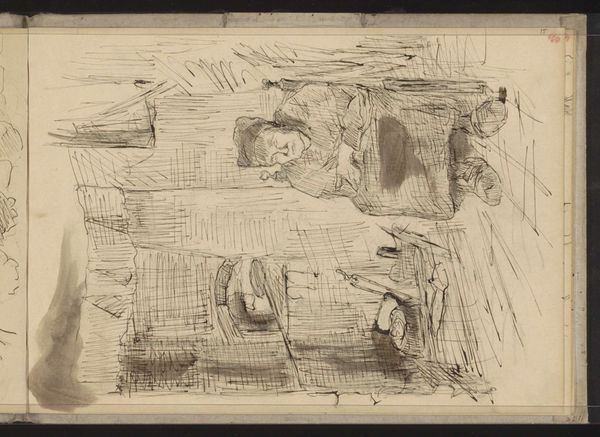
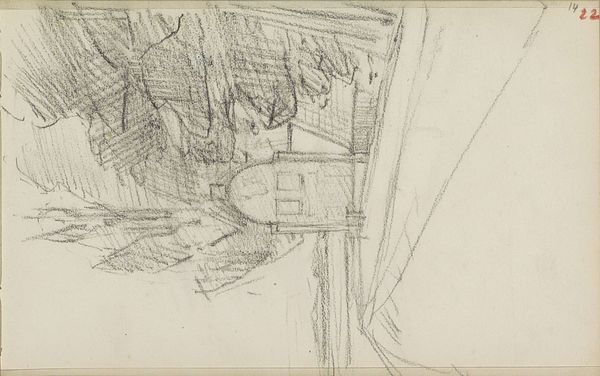
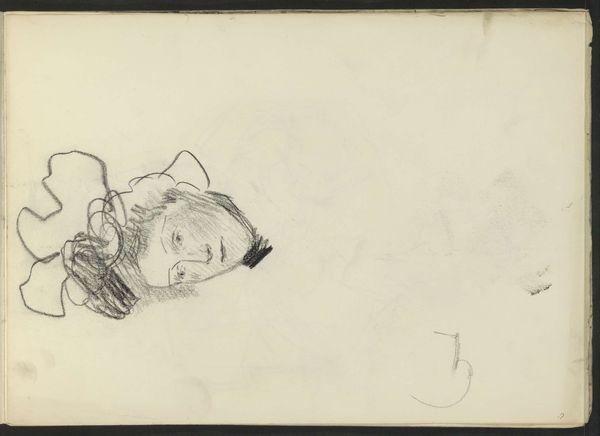
Jozef Israëls made this sketch of a standing child in a doorway with pencil on paper. Israëls, a Dutch painter associated with the Hague School, often depicted scenes of everyday life, particularly those of the working class and rural communities. In this sketch, the child's placement in the doorway could symbolize a threshold, hinting at the transition from innocence to the harsh realities of life. During the 19th century, the Netherlands underwent significant social and economic changes, including industrialization and urbanization. Israëls' work often reflects the social consciousness of the time, drawing attention to the conditions of the less privileged. His choice of subject matter and his realistic style challenge the prevailing artistic norms, offering a critique of the established social order. To understand Israëls’ work better, we can look at the social and institutional context of the art world in the Netherlands during the 19th century, including exhibition records, art criticism, and archival documents. The meaning of art is contingent on social and institutional context.